Artwork
Le Pont-au-Change
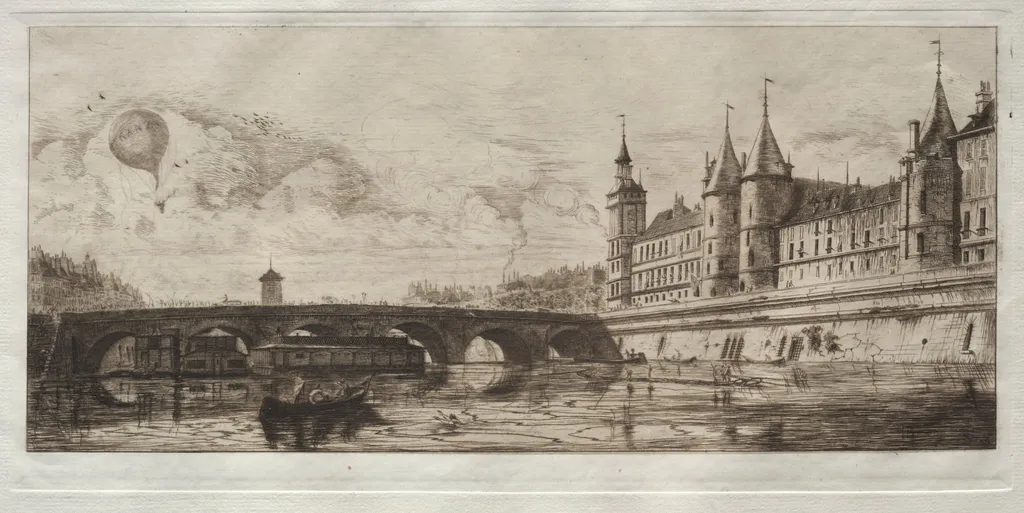
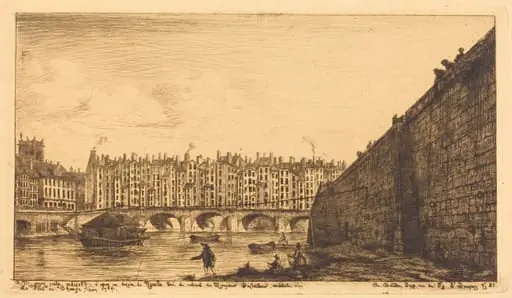
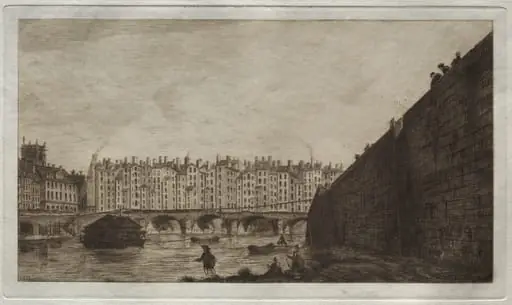
Le Pont-au-Change is a print by the Impressionist artist Edmond Gosselin. It dates from 1881 and is held in the collection of the Cleveland Museum of Art.
About this work
Overview
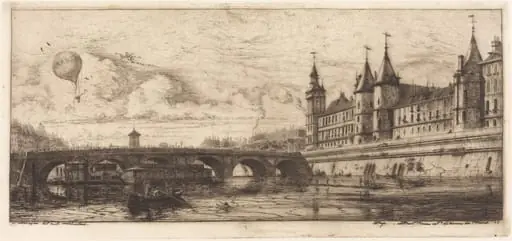
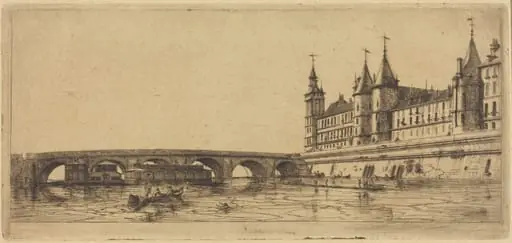
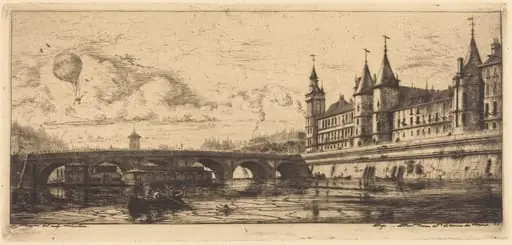
Created around 1881 by French artist Edmond Gosselin, this ink drawing captures a moment on the Pont-au-Change bridge in Paris. The work is part of the Cleveland Museum of Art’s collection and reflects the artist’s interest in urban observation. With swift, fluid lines, Gosselin conveys the rhythm of daily life across the Seine, balancing motion and stillness in a single composed scene.
Subject & Meaning
The scene depicts pedestrians and river traffic crossing the bridge, framed by the imposing silhouette of a distant cathedral-like structure.
The scene depicts pedestrians and river traffic crossing the bridge, framed by the imposing silhouette of a distant cathedral-like structure. Above, a hot-air balloon drifts silently, introducing an element of contemporary innovation. Gosselin juxtaposes the enduring architecture of the city with fleeting modern marvels, suggesting a quiet commentary on the pace of change in late 19th-century Paris.
Technique & Style
Gosselin employed loose, spontaneous ink strokes to render water, sky, and moving figures, suggesting immediacy and observation from life. Buildings are rendered with sharper contours, contrasting the fluidity of the river and atmosphere. The absence of heavy shading and the emphasis on line create a sketch-like quality, reinforcing the sense of a moment captured rather than a polished composition.
History & Provenance
The drawing entered the Cleveland Museum of Art’s collection through established acquisition channels, though its earlier ownership history remains undocumented. It is one of several works by Gosselin that focus on Parisian street scenes, reflecting his role as a chronicler of everyday urban life during the Belle Époque. Its preservation underscores its value as a record of 19th-century visual culture.
Context
In the 1880s, Paris was undergoing rapid modernization, with new technologies like hot-air balloons becoming symbols of progress. Artists like Gosselin turned their attention to the city’s evolving landscape, documenting both its timeless architecture and transient innovations. This work aligns with broader trends in French drawing that valued direct observation over idealized representation.
Legacy
Gosselin’s drawings, including this one, contribute to a lesser-known but significant body of work that records Parisian life with quiet precision. While not widely exhibited today, his sketches offer insight into how artists of the period engaged with the rhythms of modernity. They remain valuable as documents of urban experience, distinct from the more celebrated Impressionist canvases of the same era.
Artist & collection

 Le Pont-au-Change, Paris
 Le Pont-au-Change, Paris
 Le Pont-au-Change, Paris
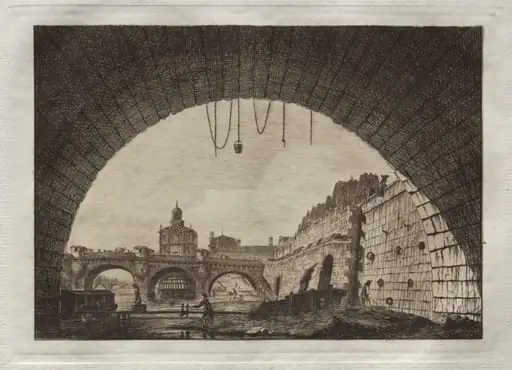
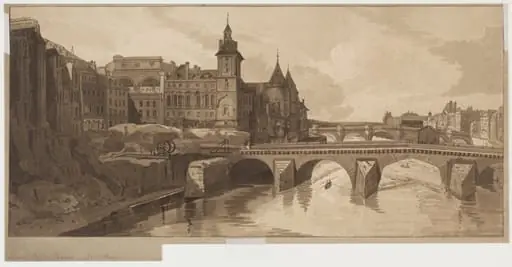 Selection of Twenty of the Most Picturesque Views in Paris:View of Pont au Change
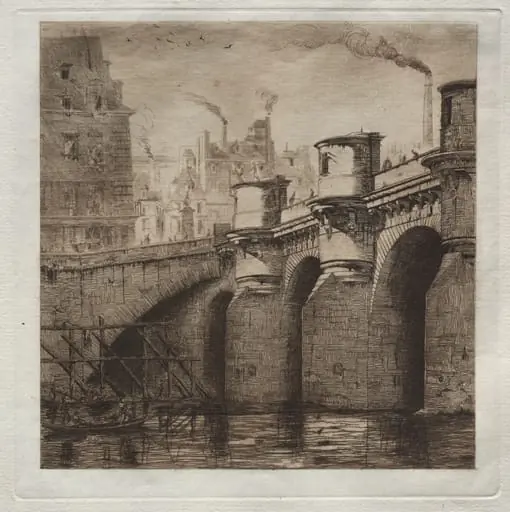
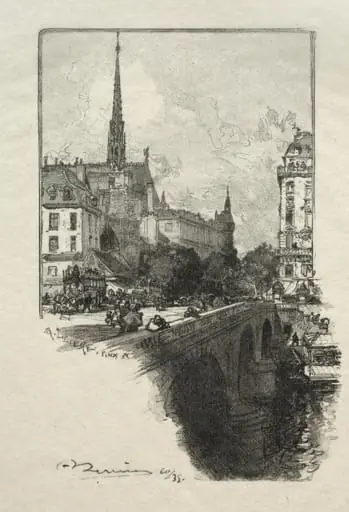 Le Pont St. Michel
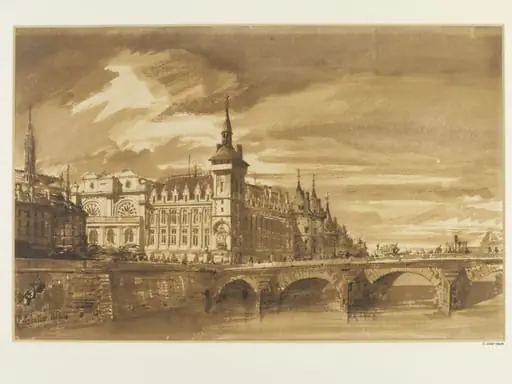 View of the Pont au Change and the Palais de Justice, Paris
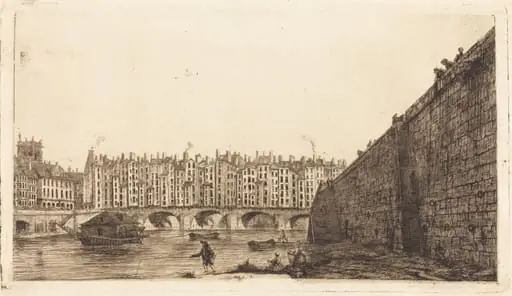 Le Pont-au-Change, Paris, vers 1784
 Le Pont-au-Change, Paris, vers 1784
 Le Pont-au-change, Paris, vers 1784
 Passerelle du Pont-au-Change, Paris, après l'Incendie de 1621 (Footbridge Temporarily Replacing the Pont-au-Change, Paris, after the Fire of 1621)