Artwork
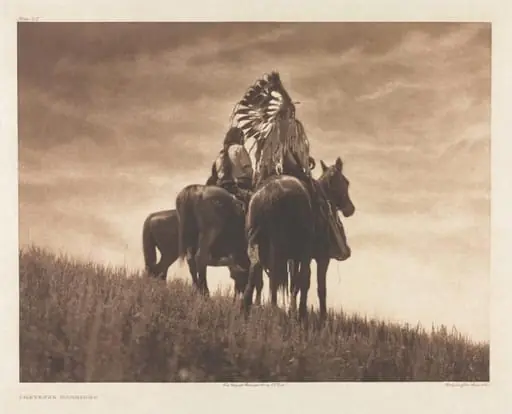
Portfolio IV, Plate 137: The Chief and His Staff--Apsaroke
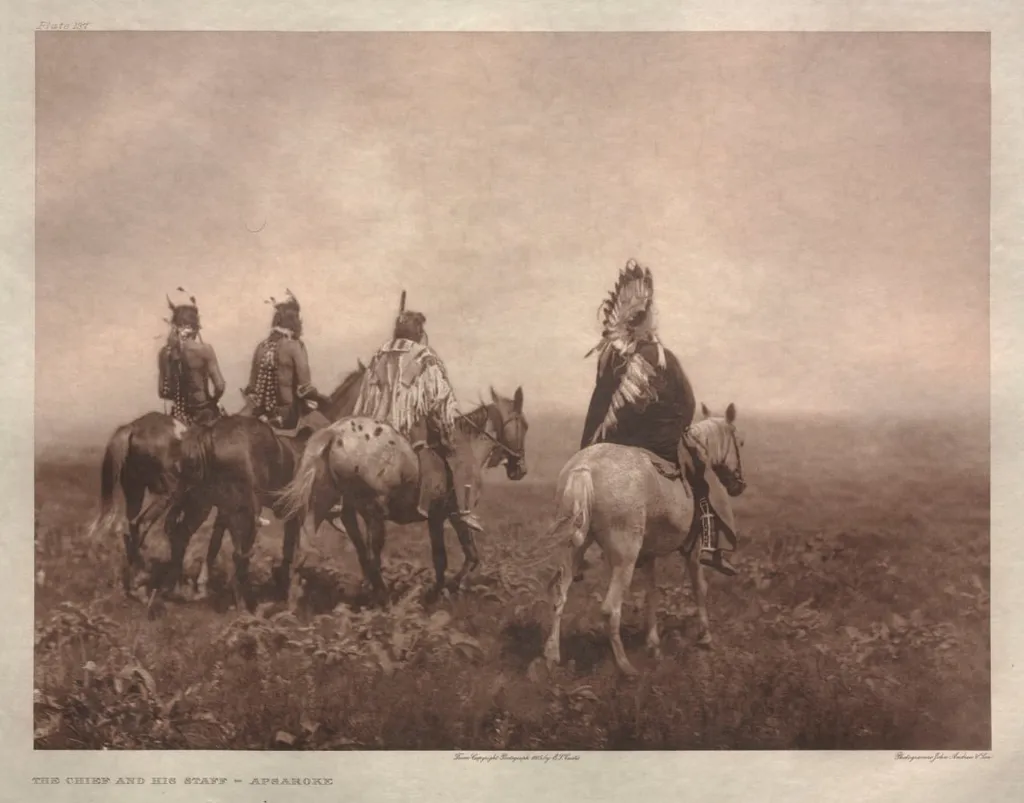
Portfolio IV, Plate 137: The Chief and His Staff--Apsaroke is a work on paper by Edward S. Curtis. It dates from 1905 and is held in the collection of the Cleveland Museum of Art. Portfolio IV, Plate 137: The Chief and His Staff—Apsaroke, created by Edward S.
About this work
The artist has used a range of earth tones to capture the subtleties of the landscape and the textures of the men's clothing.
This painting depicts a group of four Native American men on horseback, set against a vast, open landscape. The men are dressed in traditional attire, adorned with feathers and beads, and each wears a distinctive headdress. The horses are shown in various poses, with one facing forward and the others turned slightly to the side.
The artist has used a range of earth tones to capture the subtleties of the landscape and the textures of the men's clothing. The overall effect is one of quiet dignity and respect for the natural world.
To learn more about the artist's use of chiaroscuro, explore the work of Edward S. Curtis (American, 1868–1952).
Overview
Portfolio IV, Plate 137: The Chief and His Staff—Apsaroke, created by Edward S. Curtis in 1905, is a visual representation of Native American life, specifically depicting a group of four Apsaroke men on horseback in a vast landscape.
Subject & Meaning
The work portrays four Native American men, distinguished by their traditional attire, feather and bead adornments, and unique headdresses, conveying a sense of quiet dignity and harmony with the natural world.
Technique & Style
Curtis employed a predominantly earth-toned palette to capture the nuances of the landscape and the textures of the men's clothing, utilizing chiaroscuro to add depth and dimensionality to the scene.
History & Provenance
Created in 1905, the work is part of Curtis's Portfolio IV and is currently held in the collection of The Cleveland Museum of Art.
Context
This piece is part of Curtis's broader project documenting Native American cultures, reflecting early 20th-century interests in capturing the lives of indigenous peoples through art.
Artist & collection

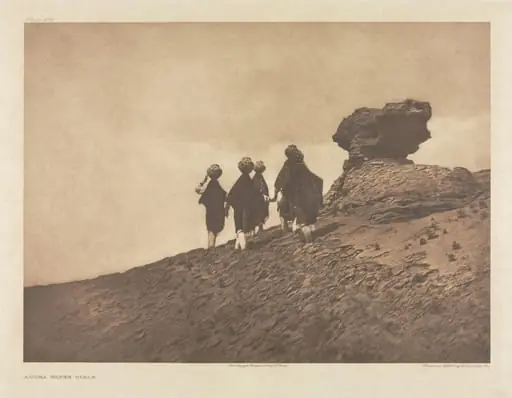 Portfolio XVI, Plate 573: Acoma Water Girls
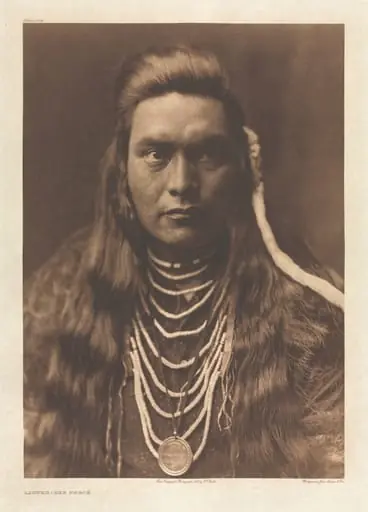 Portfolio VIII, Plate 264: Lawyer - Nez Percé
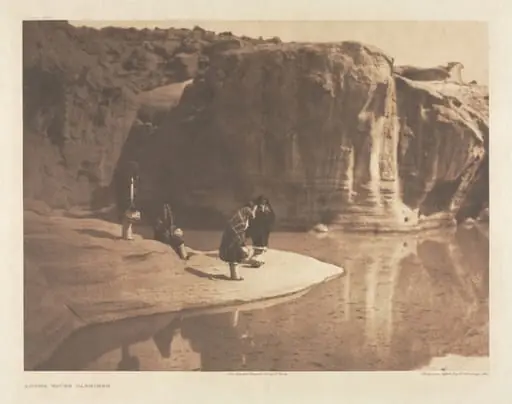 Portfolio XVI, Plate 568: Acoma Water Carriers
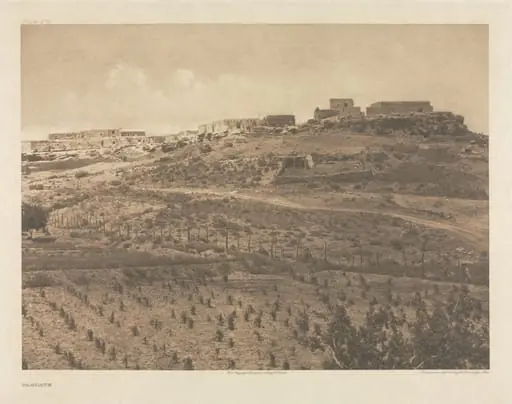 Portfolio XVI, Plate 574: Paguate
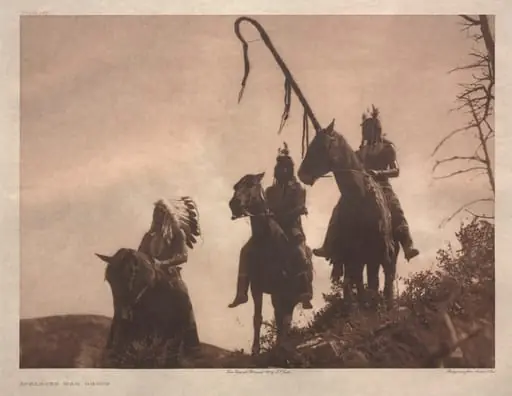 Portfolio IV, Plate 147: Apsaroke War Group
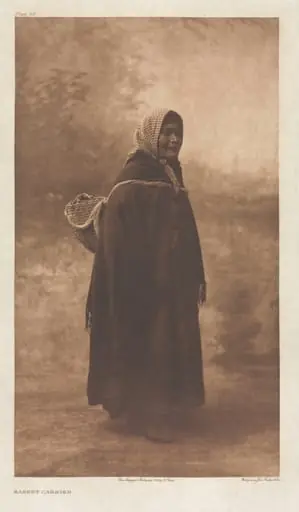 Portfolio IX, Plate 311: Basket Carrier
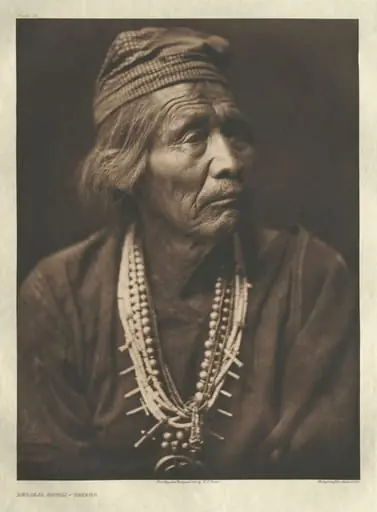 Portfolio I, Plate 31: Nesjája Hatáli-Navaho
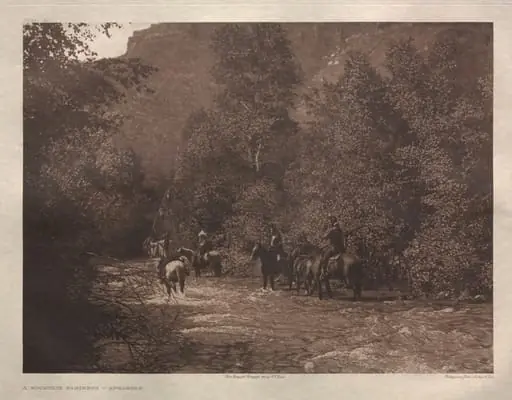 Portfolio IV, Plate 140: A Mountain Fastness--Apsaroke
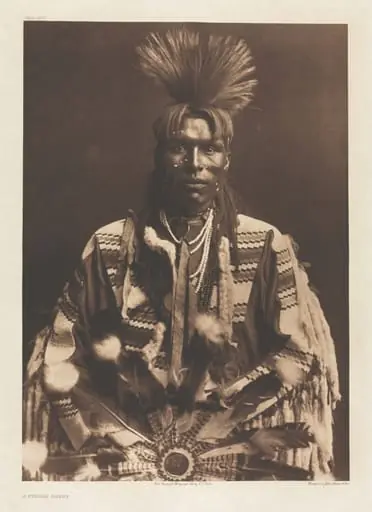 Portfolio VI, Plate 208: A Piegan Dandy
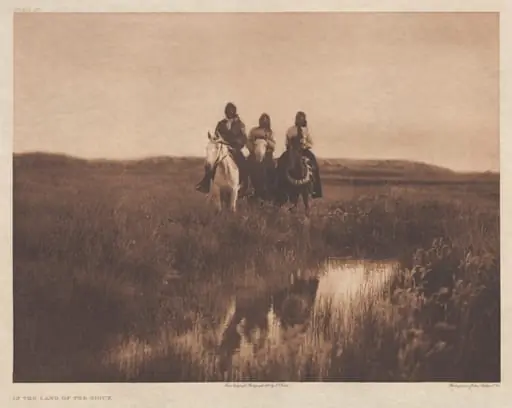 Portfolio III, Plate 95: In the Land of the Sioux
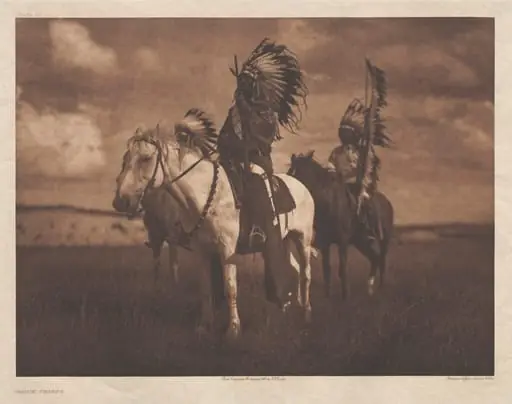 Portfolio III, Plate 79: Sioux Chiefs
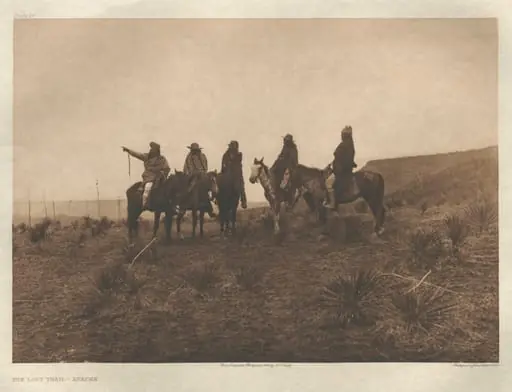 Portfolio I, Plate 19: The Lost Trail-Apache
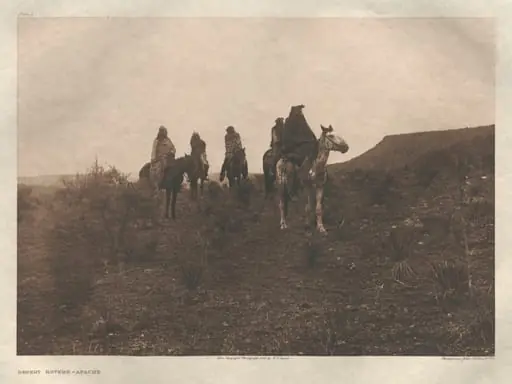 Portfolio I, Plate 3: Desert Rovers-Apache
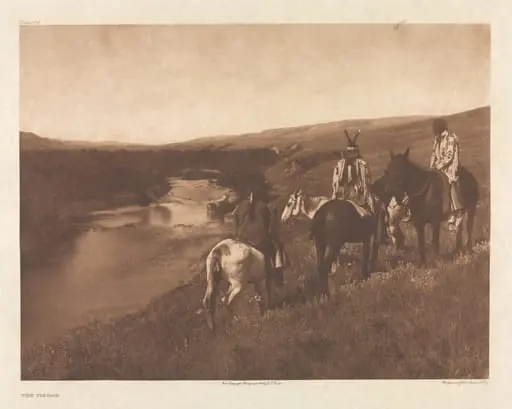 Portfolio VI, Plates 184- 219
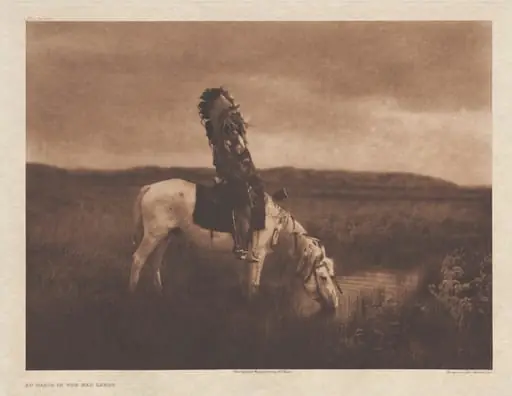 Portfolio III, Plate 80: An Oasis on the Bad Lands
 Portfolio VI, Plate 215: Cheyenne Warriors