Artwork
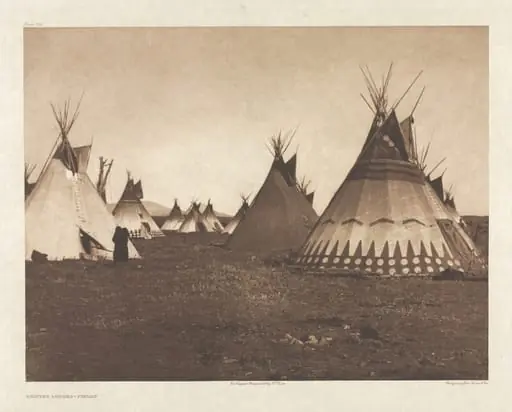
Portfolio VI, Plate 192: Sun Dance Encampment--Piegan
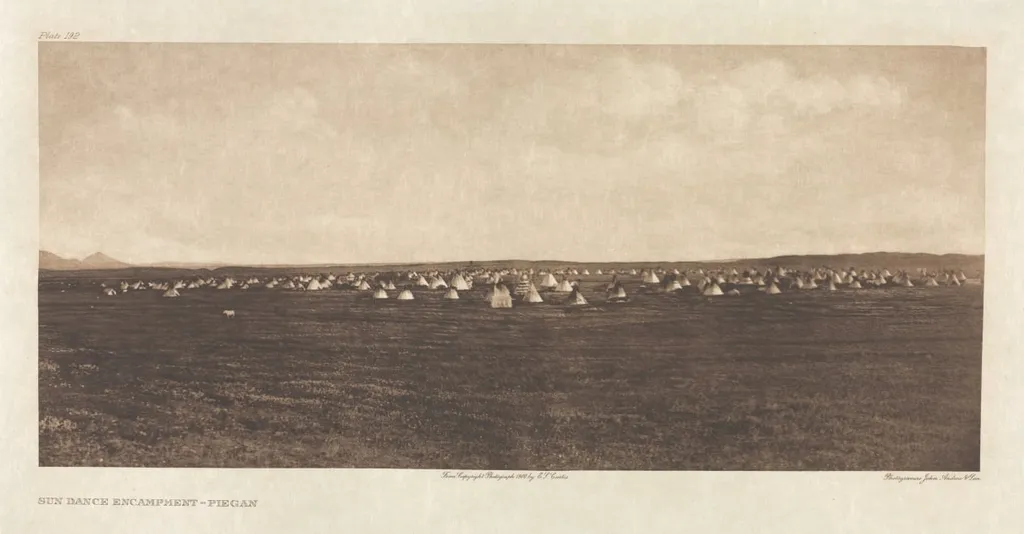
Portfolio VI, Plate 192: Sun Dance Encampment--Piegan is a work on paper by Edward S. Curtis. It dates from 1900 and is held in the collection of the Cleveland Museum of Art. Portfolio VI, Plate 192, titled Sun Dance Encampment—Piegan, is a photographic plate taken by Edward S.
About this work
Curtis took many photos like this, trying to record Native American life before it changed forever.
You see tepees arranged in a circle on a grassy plain, with people gathered around a central fire. The scene is quiet, not dramatic. Curtis took many photos like this, trying to record Native American life before it changed forever.
This image comes from his big project called *The North American Indian*. He traveled for years with a heavy camera and glass plates. The picture feels honest, but also staged—typical of the time.
Look up Edward Curtis (American, 1868–1952) to see more of his work.
Overview
Portfolio VI, Plate 192, titled Sun Dance Encampment—Piegan, is a photographic plate taken by Edward S. Curtis in 1900. The image is part of his extensive series The North American Indian and is currently in the collection of the Cleveland Museum of Art. It presents a tranquil gathering of Piegan people around a central fire, with tepees arranged in a circular pattern on a grassy plain.
Subject & Meaning
The photograph records a Sun Dance ceremony among the Piegan, a Plains tribe of the Blackfeet Confederacy. Participants are shown in a calm, communal setting rather than in dramatic action, emphasizing the ritual’s collective nature. By documenting this specific encampment, Curtis aimed to preserve a cultural practice that was soon to be altered by federal policies and assimilation pressures.
Technique & Style
Curtis employed a large-format camera with glass plate negatives, a common but cumbersome method at the turn of the twentieth century. The composition is carefully arranged: the circular layout of tepees frames the fire, creating a balanced visual rhythm. While the scene appears natural, Curtis’s known practice of staging elements suggests a degree of orchestration to achieve a clear, documentary aesthetic.
History & Provenance
Captured during Curtis’s multi-year fieldwork for The North American Indian, the plate reflects his broader effort to archive Indigenous life before rapid change. After its creation, the image entered the portfolio series and was eventually acquired by the Cleveland Museum of Art, where it remains on view as part of the museum’s photography holdings.
Artist & collection

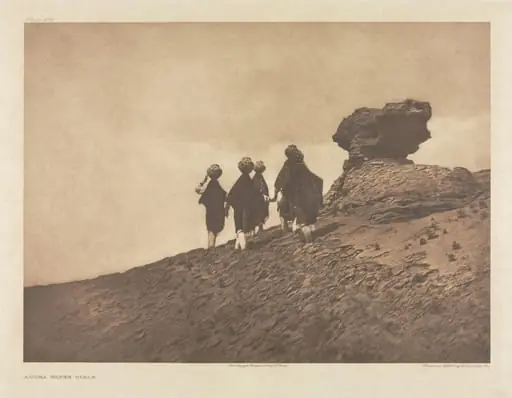 Portfolio XVI, Plate 573: Acoma Water Girls
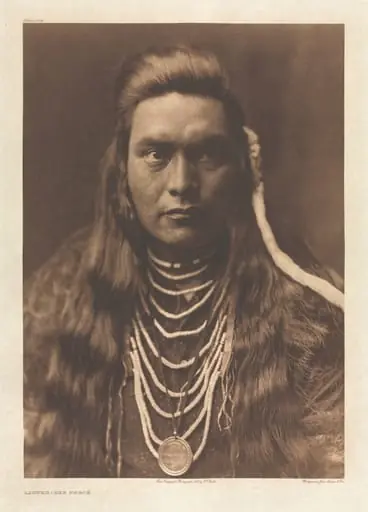 Portfolio VIII, Plate 264: Lawyer - Nez Percé
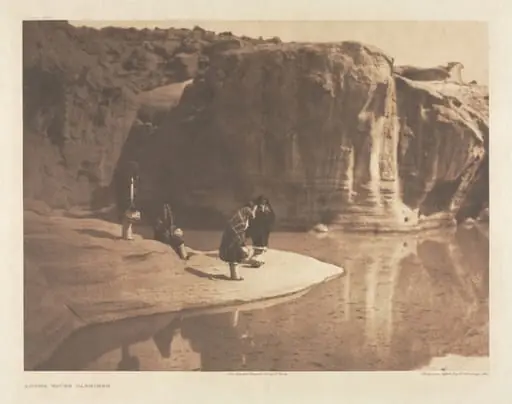 Portfolio XVI, Plate 568: Acoma Water Carriers
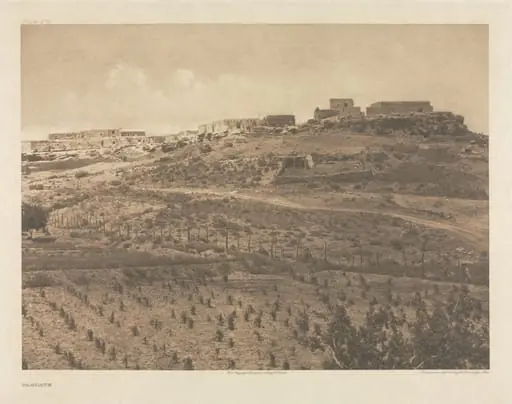 Portfolio XVI, Plate 574: Paguate
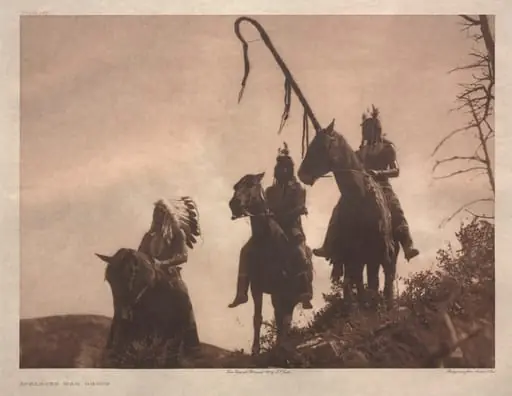 Portfolio IV, Plate 147: Apsaroke War Group
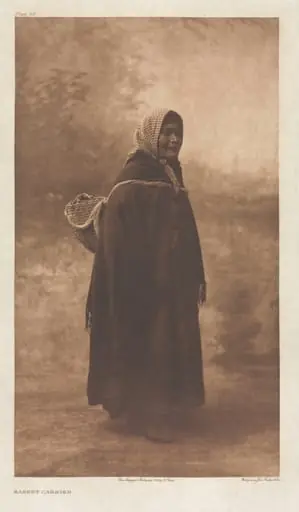 Portfolio IX, Plate 311: Basket Carrier
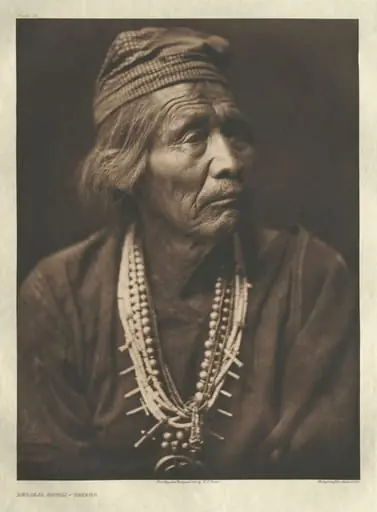 Portfolio I, Plate 31: Nesjája Hatáli-Navaho
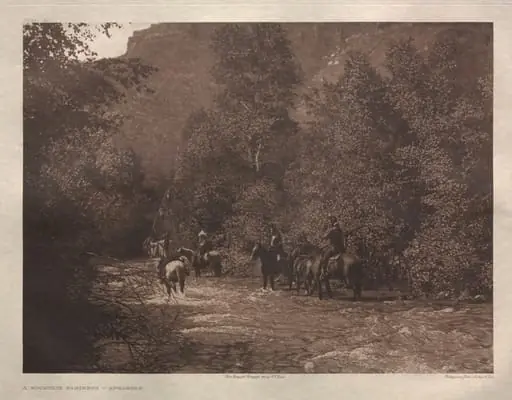 Portfolio IV, Plate 140: A Mountain Fastness--Apsaroke