Artwork
Portfolio VI, Plate 202: Middle Calf - Piegan
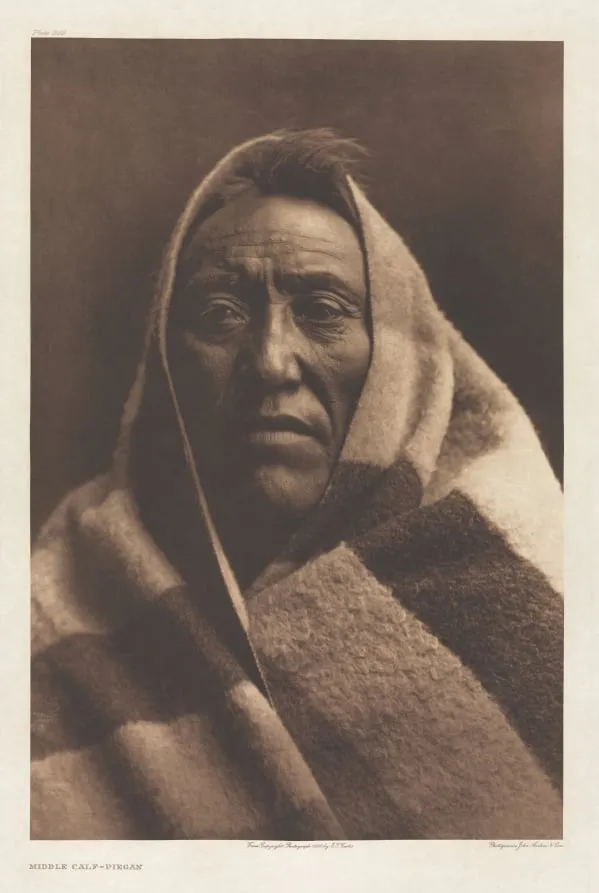
Portfolio VI, Plate 202: Middle Calf - Piegan is a work on paper by Edward S. Curtis. It dates from 1900 and is held in the collection of the Cleveland Museum of Art.
About this work
The woman's face is the main focus of the image, and it appears to be a candid shot rather than a posed portrait.
The image depicts a portrait of a woman wrapped in a blanket, with her face visible and a serious expression. The blanket is striped with different shades of brown and white, and it covers her head and shoulders. The background of the image is dark, which helps to highlight the subject's face and the blanket.
The woman's face is the main focus of the image, and it appears to be a candid shot rather than a posed portrait. Her expression is somber, and her eyes seem to be looking directly at the viewer. The blanket adds a sense of warmth and texture to the image, and it helps to frame the subject's face.
The image is a portrait of a woman from the Piegan tribe, taken by Edward S. Curtis in 1900. It is held at The Cleveland Museum of Art. The technique used in this image is chiaroscuro.
Overview
Portfolio VI, Plate 202: Middle Calf - Piegan is one of 100 photographs in Edward S. Curtis’s 1900 portfolio series documenting Indigenous peoples of North America. This image captures a Piegan woman, identified by her tribal affiliation, in a quiet, intimate moment. The photograph was produced during Curtis’s broader ethnographic project, which sought to record cultural practices and appearances he believed were vanishing.
Subject & Meaning
The subject is a Piegan woman, her identity tied to her community through the title. Her direct gaze and solemn expression convey a quiet dignity, resisting romanticization. The blanket, draped over her head and shoulders, functions as both cultural attire and a visual frame, drawing attention to her face. The image avoids theatricality, presenting her as an individual rather than a symbolic figure.
Technique & Style
Curtis employed large-format film and natural light to achieve fine tonal gradations. The dark background isolates the subject, enhancing contrast between her skin and the striped blanket’s earthy hues. Soft focus on the fabric contrasts with the sharpness of her eyes, guiding the viewer’s attention. The composition favors stillness and intimacy, reflecting Curtis’s preference for staged authenticity over candid spontaneity.
History & Provenance
Created in 1900 as part of Curtis’s larger project, the image entered The Cleveland Museum of Art’s collection through documented acquisitions tied to early 20th-century ethnographic photography holdings. It was originally published in Curtis’s monumental The North American Indian series, which was funded privately and distributed in limited volumes to institutions and subscribers.
Context
Curtis worked during a period of intense cultural disruption for Native communities, as federal policies enforced assimilation and displacement. His photographs were framed as ethnographic records, yet often reflected the era’s romanticized notions of the 'vanishing Indian.' This image, while respectful in tone, exists within a complex legacy of representation shaped by colonial perspectives.
Legacy
The photograph remains a reference point in discussions of Indigenous representation in visual culture. While criticized for staging and omission of contemporary realities, it is also valued for its technical precision and the humanity it affords its subjects. Institutions now contextualize such works with critical scholarship, acknowledging both their historical significance and their limitations.
Artist & collection

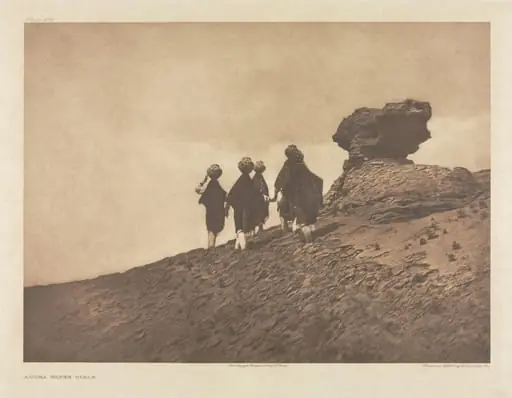 Portfolio XVI, Plate 573: Acoma Water Girls
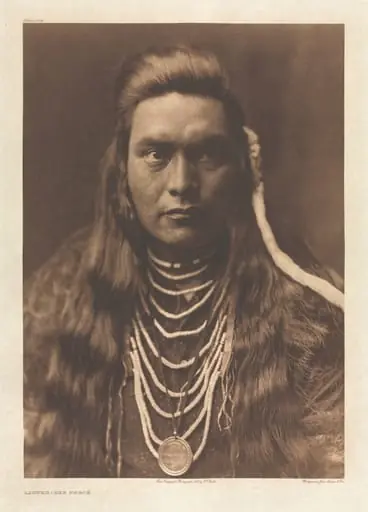 Portfolio VIII, Plate 264: Lawyer - Nez Percé
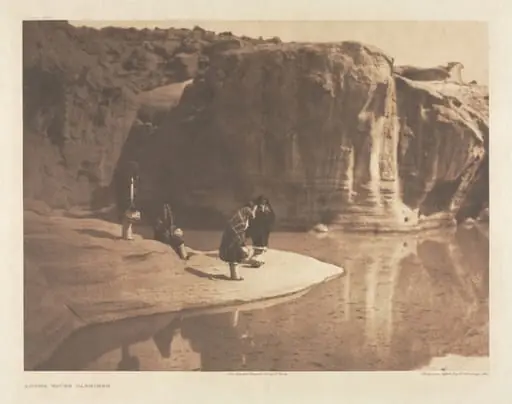 Portfolio XVI, Plate 568: Acoma Water Carriers
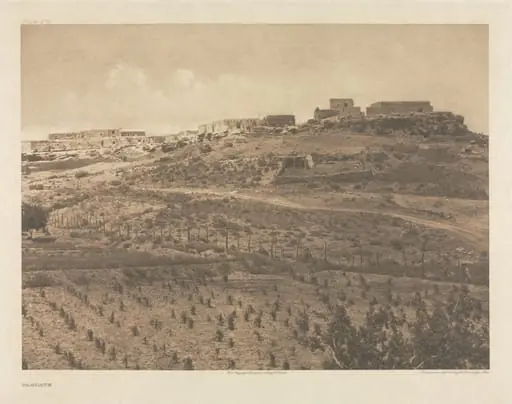 Portfolio XVI, Plate 574: Paguate
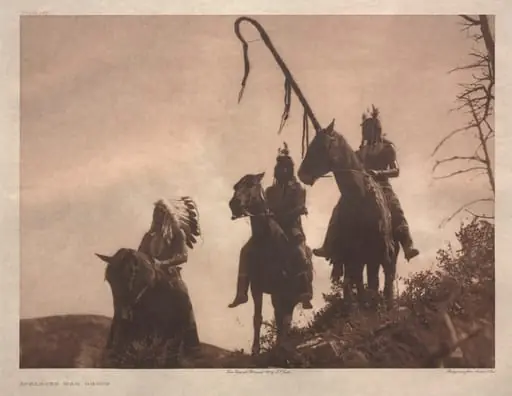 Portfolio IV, Plate 147: Apsaroke War Group
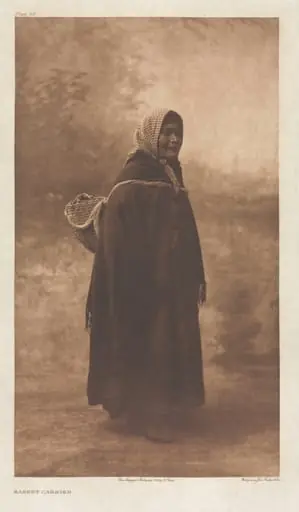 Portfolio IX, Plate 311: Basket Carrier
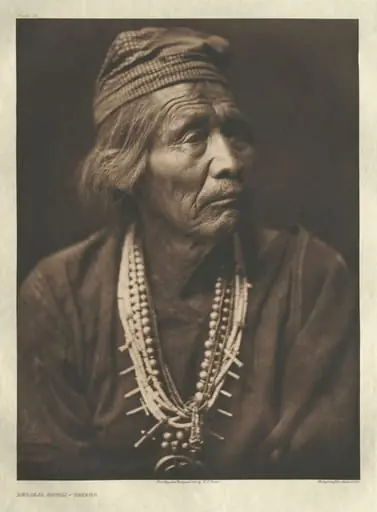 Portfolio I, Plate 31: Nesjája Hatáli-Navaho
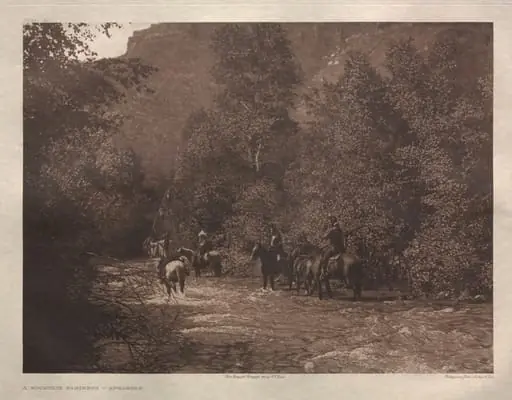 Portfolio IV, Plate 140: A Mountain Fastness--Apsaroke
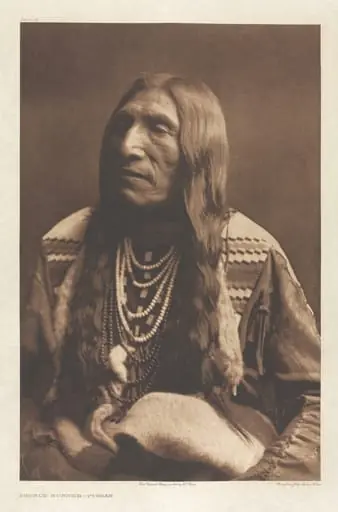 Portfolio VI, Plate 191: Double Runner--Piegan
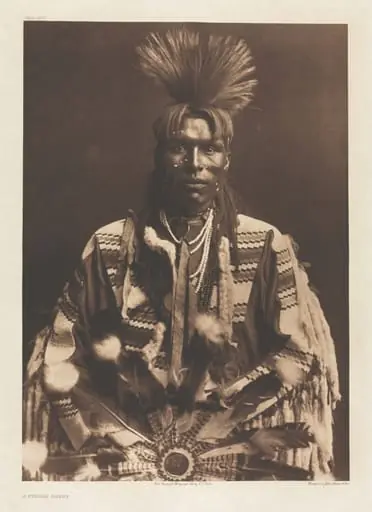 Portfolio VI, Plate 208: A Piegan Dandy
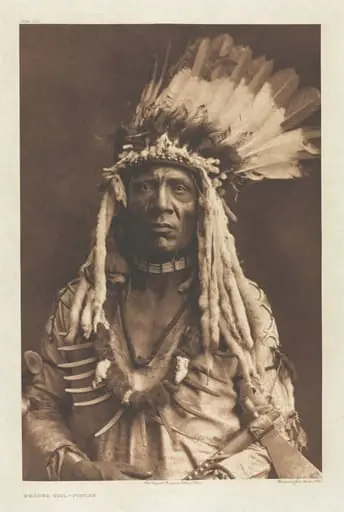 Portfolio VI, Plate 203: Weasel Tail - Piegan
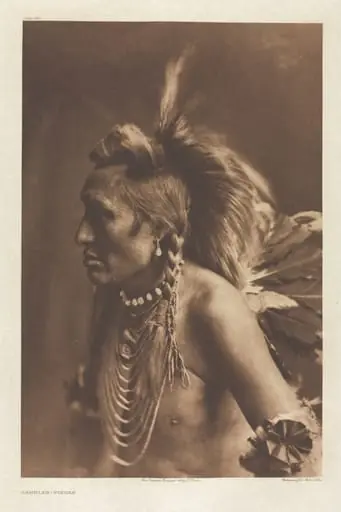 Portfolio VI, Plate 194: Gambler--Piegan
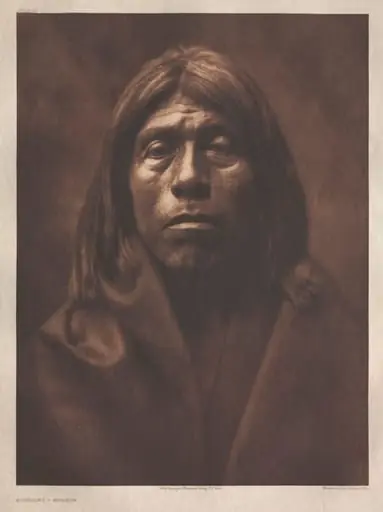 Portfolio II, Plate 60
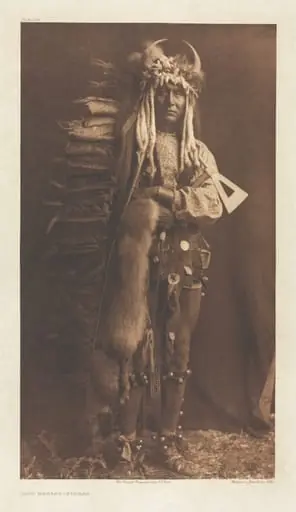 Portfolio VI, Plate 206: Iron Breast - Piegan
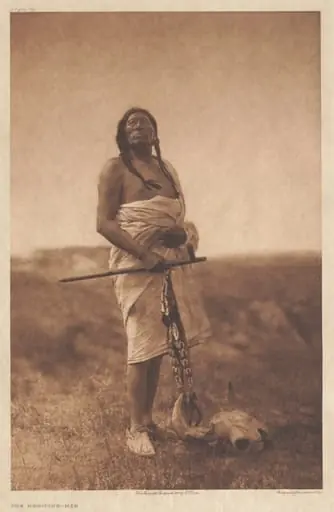 Portfolio III, Plates 76-110, 119, 136
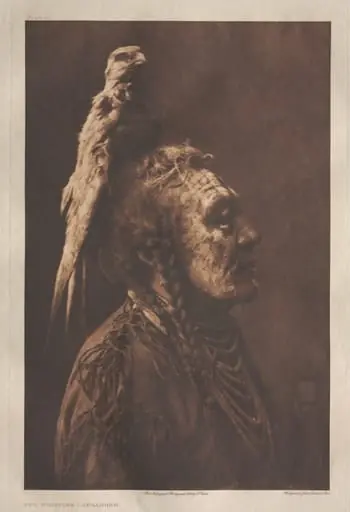 Portfolio IV, Plates 111-118, 120-149
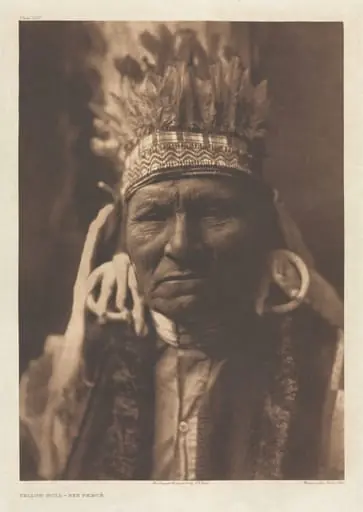 Portfolio VIII, Plate 257: Yellow Bull - Nez Percé
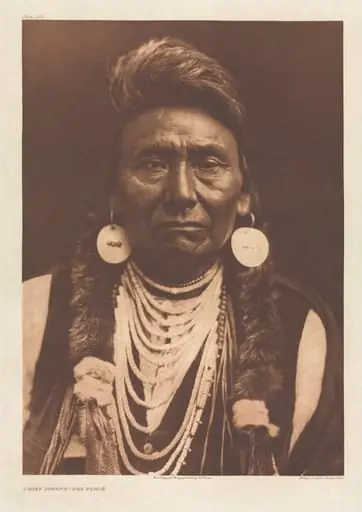 Portfolio VIII, Plates 256- 292
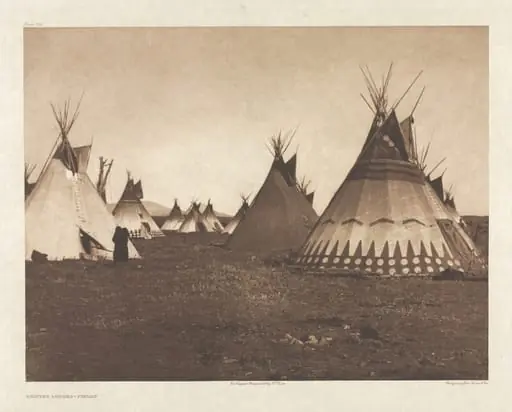 Portfolio VI, Plate 186: Painted Lodges--Piegan