Artwork
Portfolio VI, Plate 194: Gambler--Piegan
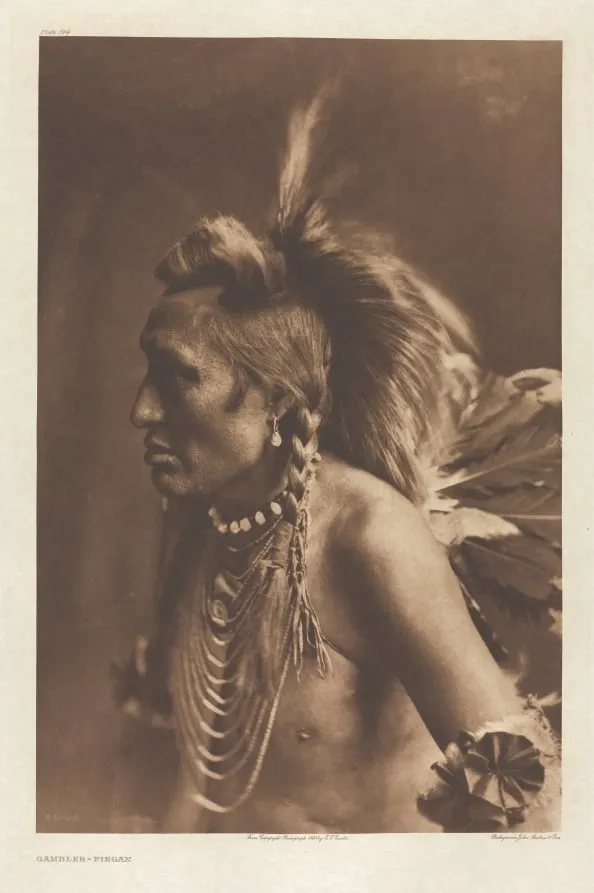
Portfolio VI, Plate 194: Gambler--Piegan is a work on paper by Edward S. Curtis. It dates from 1900 and is held in the collection of the Cleveland Museum of Art. Portfolio VI, Plate 194: Gambler—Piegan is a photographic print from Edward S.
About this work
Overview
The work is held in the collection of The Cleveland Museum of Art and exemplifies Curtis’s early 20th-century approach to ethnographic photography.
Portfolio VI, Plate 194: Gambler—Piegan is a photographic print from Edward S. Curtis’s larger project documenting Indigenous peoples of North America. Created in 1900, it is one of many images in his series aiming to record cultural practices and portraiture. The work is held in the collection of The Cleveland Museum of Art and exemplifies Curtis’s early 20th-century approach to ethnographic photography.
Subject & Meaning
The subject is identified as a Piegan man referred to as 'Gambler,' likely indicating a social or ceremonial role within his community. His attire and accessories—feathered headdress, shell or bead necklace, and feathered bundle—suggest ritual significance rather than everyday dress. The composed, solemn expression and deliberate positioning reflect Curtis’s intent to portray dignity and cultural specificity, though the context of his staging remains debated.
Technique & Style
Curtis employed large-format film and natural light to capture this image, resulting in soft tonal gradations and a grainy texture characteristic of early photographic processes. The composition emphasizes the subject’s stillness and presence, with careful attention to texture in hair, fabric, and feathers. The lighting suggests an overcast day or diffused studio setup, minimizing harsh shadows and enhancing the quiet intensity of the portrait.
History & Provenance
This image was produced during Curtis’s extensive fieldwork in the early 1900s, funded by private patrons including J.P. Morgan. It was later included in his multi-volume publication The North American Indian. The photograph entered The Cleveland Museum of Art’s collection through documented acquisition, preserving its place within a historically significant but contested visual archive of Indigenous life.
Context
Curtis worked during a period of intense cultural disruption for Native communities, as federal policies enforced assimilation and displacement. His photographs, while detailed and respectful in execution, often presented Indigenous subjects in idealized or romanticized forms, sometimes staging scenes to align with prevailing notions of a 'vanishing race.' This image reflects both his technical skill and the complex ethical framework of his project.
Legacy
Curtis’s photographs, including this one, remain widely referenced in discussions of Indigenous representation and early documentary photography. While valued for their visual richness and historical record, they are also critically examined for their role in shaping enduring stereotypes. The image continues to prompt dialogue about authorship, authenticity, and the power dynamics inherent in ethnographic imagery.
Artist & collection

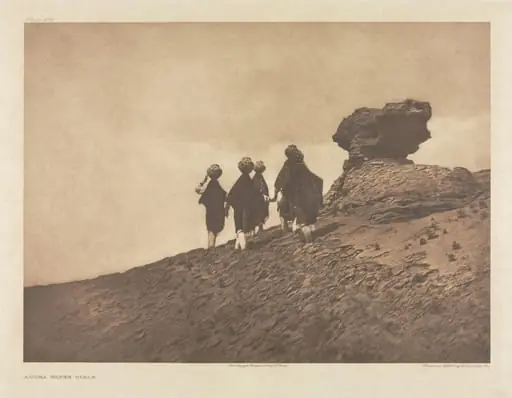 Portfolio XVI, Plate 573: Acoma Water Girls
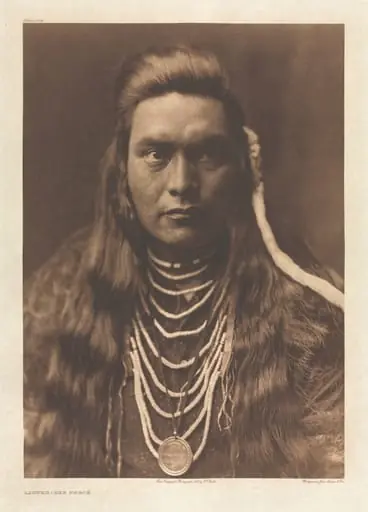 Portfolio VIII, Plate 264: Lawyer - Nez Percé
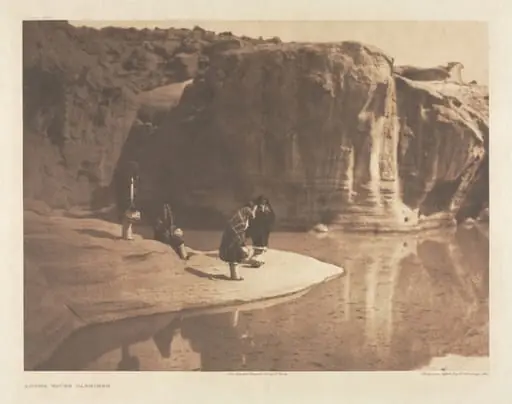 Portfolio XVI, Plate 568: Acoma Water Carriers
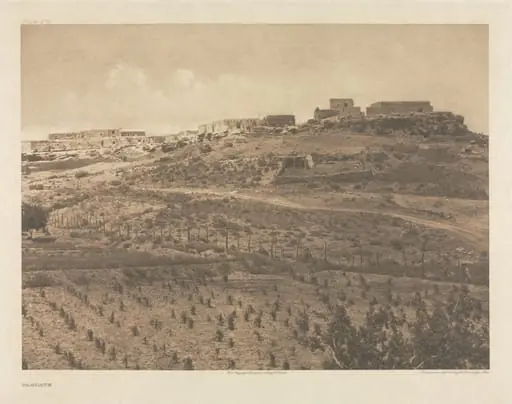 Portfolio XVI, Plate 574: Paguate
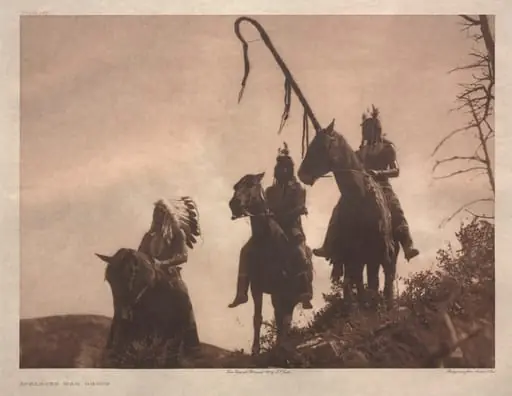 Portfolio IV, Plate 147: Apsaroke War Group
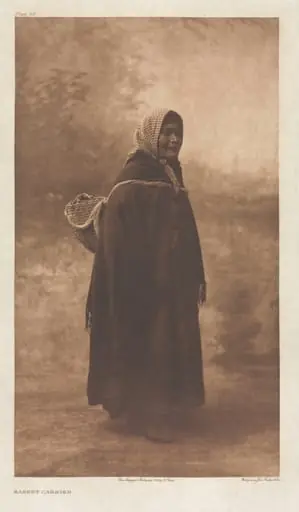 Portfolio IX, Plate 311: Basket Carrier
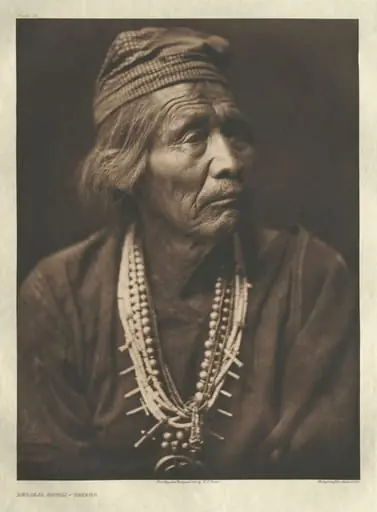 Portfolio I, Plate 31: Nesjája Hatáli-Navaho
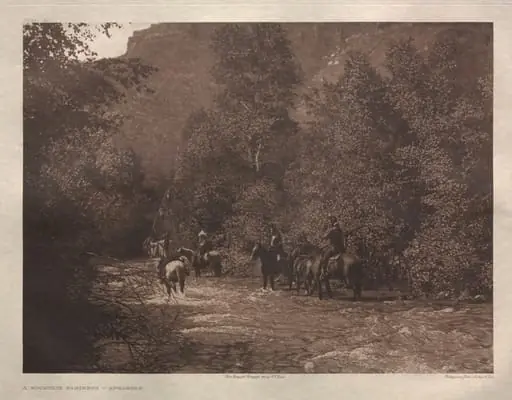 Portfolio IV, Plate 140: A Mountain Fastness--Apsaroke
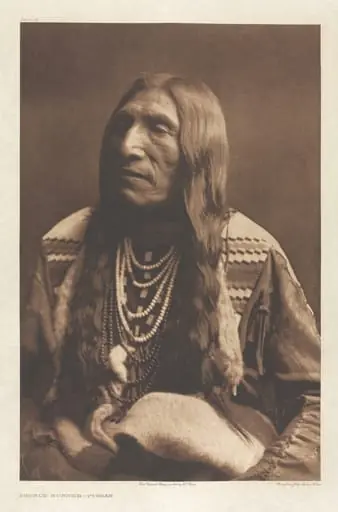 Portfolio VI, Plate 191: Double Runner--Piegan
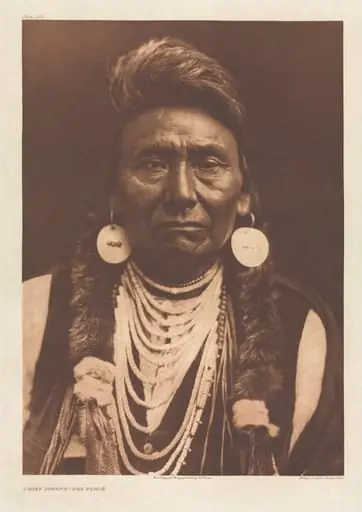 Portfolio VIII, Plates 256- 292
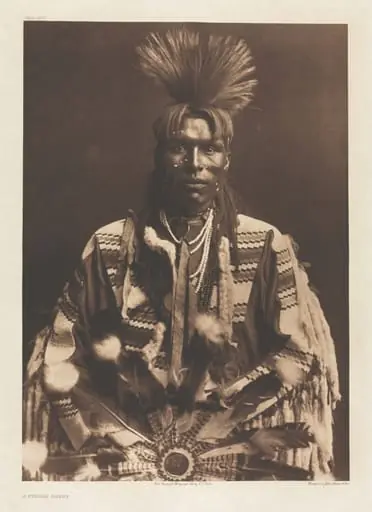 Portfolio VI, Plate 208: A Piegan Dandy
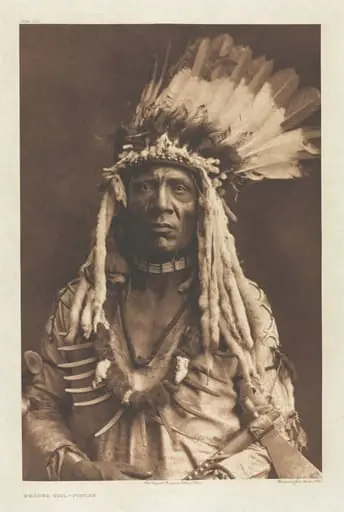 Portfolio VI, Plate 203: Weasel Tail - Piegan
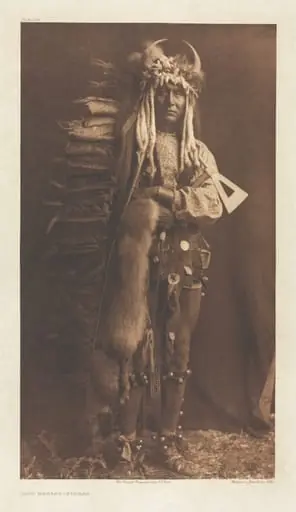 Portfolio VI, Plate 206: Iron Breast - Piegan
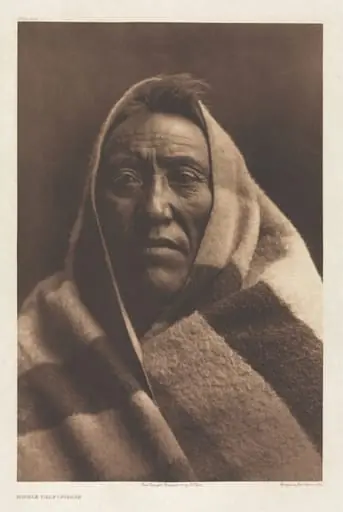 Portfolio VI, Plate 202: Middle Calf - Piegan
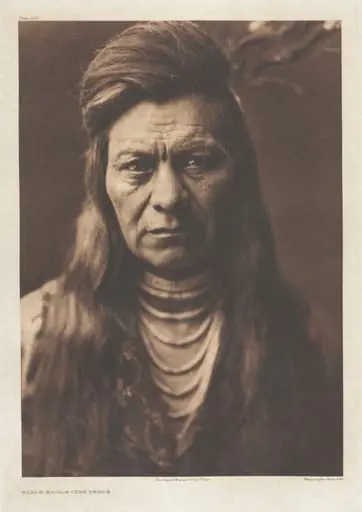 Portfolio VIII, Plate 265: Black Eagle - Nez Percé
 Portfolio VI, Plate 186: Painted Lodges--Piegan
 Portfolio VI, Plate 207: Piegan Encampment