Artwork
Portfolio VI, Plate 203: Weasel Tail - Piegan
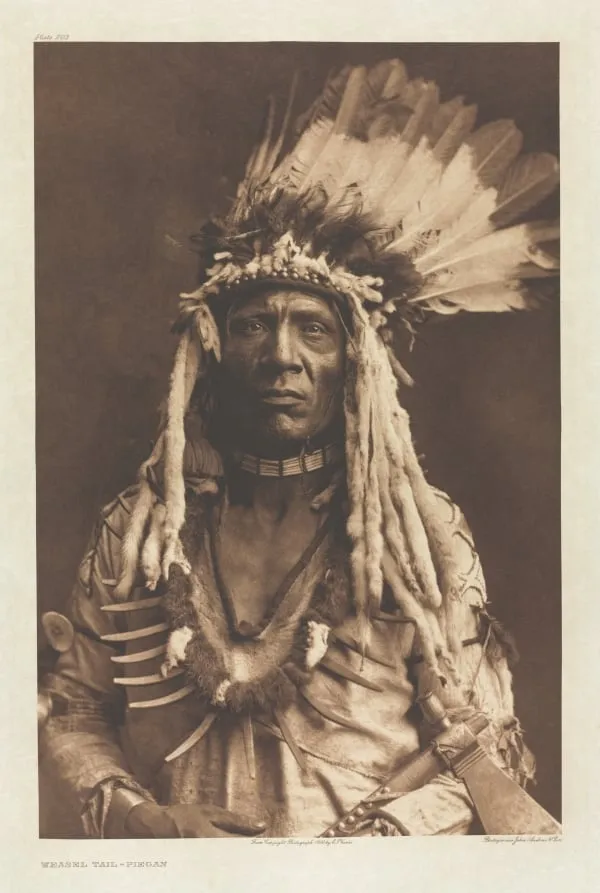
Portfolio VI, Plate 203: Weasel Tail - Piegan is a work on paper by Edward S. Curtis. It dates from 1900 and is held in the collection of the Cleveland Museum of Art.
About this work
This is a black-and-white photo of a person wearing a tall feathered headdress and a fur-lined jacket.
This is a black-and-white photo of a person wearing a tall feathered headdress and a fur-lined jacket. Their face is serious, and they’re looking straight at the camera. The feathers are arranged in a fan shape, and there’s a necklace with small disks around their neck.
The photo was taken in 1900 by a photographer who wanted to document Indigenous cultures. The name at the bottom reads *Weasel Tail - Piegan*, likely the person’s name and tribe.
If you’re curious about how this photo was made, look up *chiaroscuro*.
Overview
Portfolio VI, Plate 203: Weasel Tail - Piegan is a black-and-white photograph created by Edward S. Curtis in 1900, now part of The Cleveland Museum of Art's collection. The image depicts a serious-faced individual, identified as Weasel Tail of the Piegan tribe, wearing distinctive traditional attire.
Subject & Meaning
The subject, Weasel Tail, is portrayed wearing a tall, fan-shaped feathered headdress and a fur-lined jacket, accompanied by a necklace with small disks. The direct gaze and solemn expression convey dignity, while the attire highlights cultural specificity, reflecting Curtis's documentary intent to capture Indigenous cultural identity.
Technique & Style
The photograph employs chiaroscuro, a strong contrast between light and dark, to create depth and emphasize the subject's features and attire. This technique, characteristic of Curtis's work, adds a sense of formality and solemnity to the portrait.
History & Provenance
Created in 1900 as part of Curtis's extensive project to document Native American cultures, the photograph is now housed at The Cleveland Museum of Art, where it remains part of the museum's collections.
Context
This work was produced during a period of significant cultural documentation of Indigenous peoples in North America, driven by concerns over the erosion of traditional ways of life. Curtis's project aimed to preserve visual records of these cultures.
Legacy
Portfolio VI, Plate 203 contributes to Edward S. Curtis's legacy as a pivotal figure in the photographic documentation of Native American life at the turn of the 20th century, though his work's representation and cultural sensitivity have been subjects of historical debate.
Artist & collection

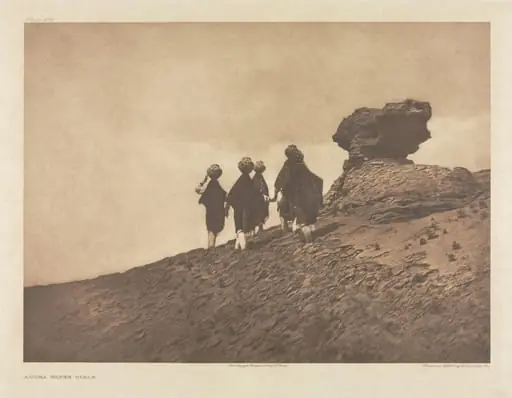 Portfolio XVI, Plate 573: Acoma Water Girls
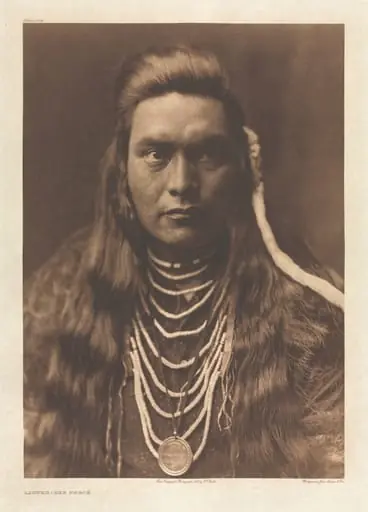 Portfolio VIII, Plate 264: Lawyer - Nez Percé
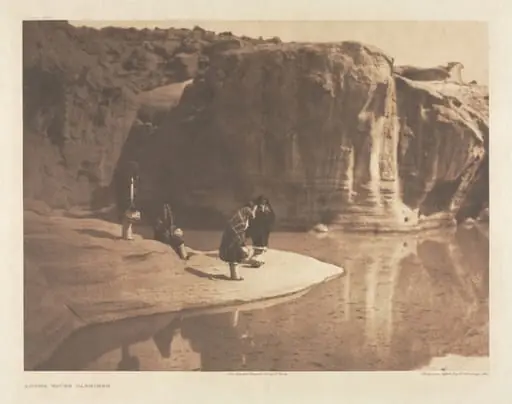 Portfolio XVI, Plate 568: Acoma Water Carriers
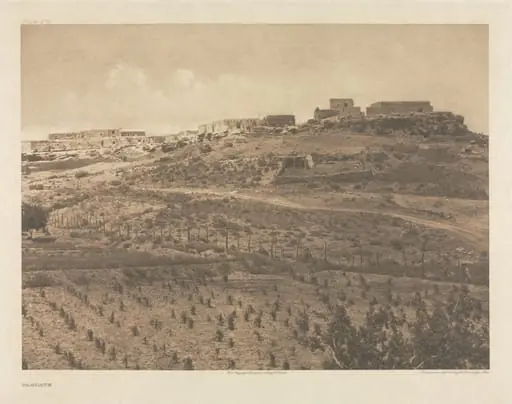 Portfolio XVI, Plate 574: Paguate
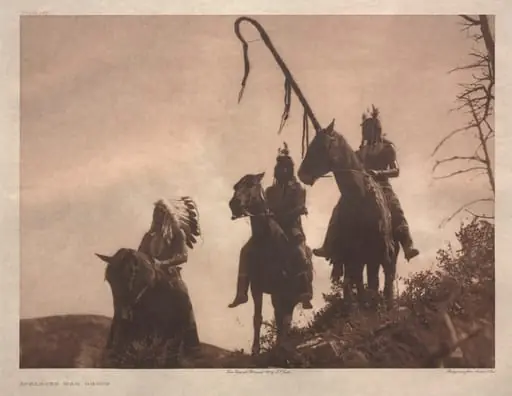 Portfolio IV, Plate 147: Apsaroke War Group
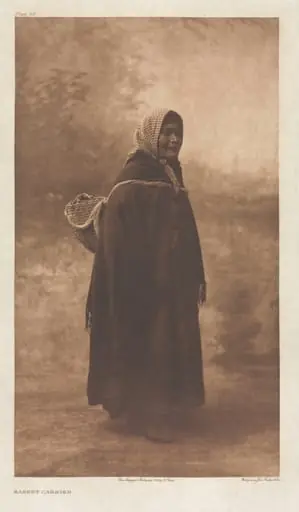 Portfolio IX, Plate 311: Basket Carrier
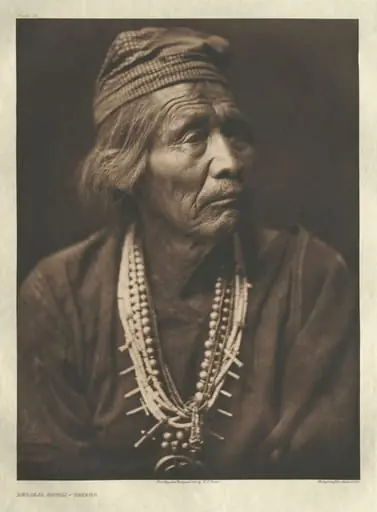 Portfolio I, Plate 31: Nesjája Hatáli-Navaho
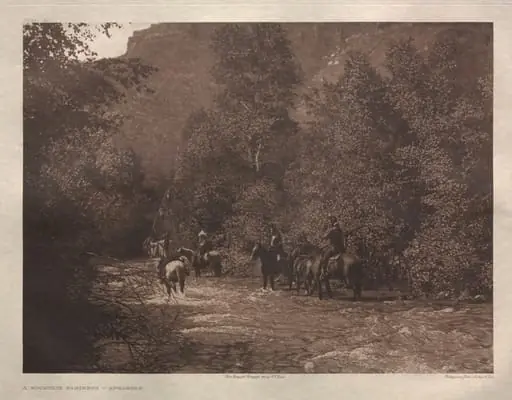 Portfolio IV, Plate 140: A Mountain Fastness--Apsaroke
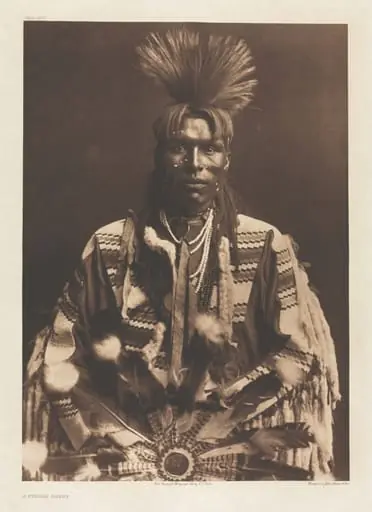 Portfolio VI, Plate 208: A Piegan Dandy
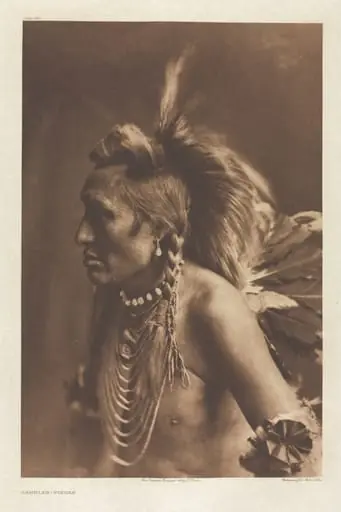 Portfolio VI, Plate 194: Gambler--Piegan
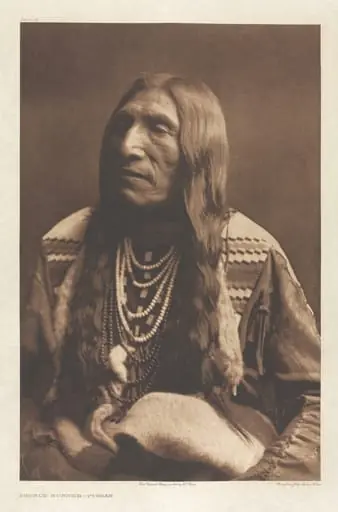 Portfolio VI, Plate 191: Double Runner--Piegan
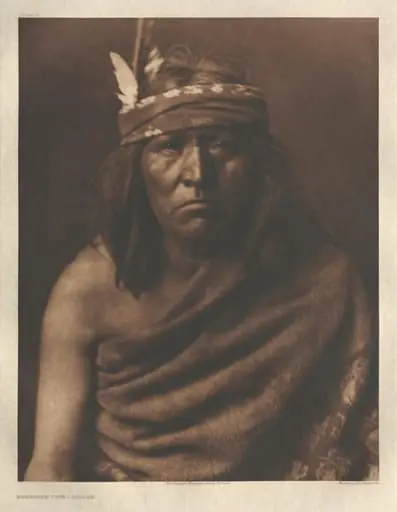 Portfolio I, Plate 12: Renegade Type-Apache
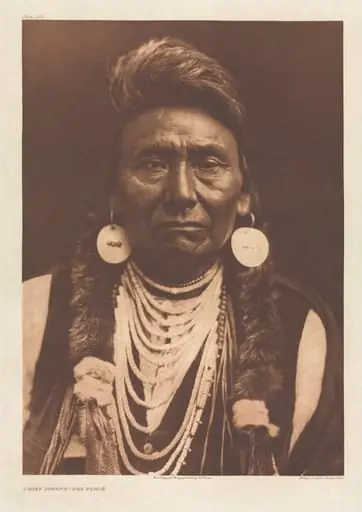 Portfolio VIII, Plates 256- 292
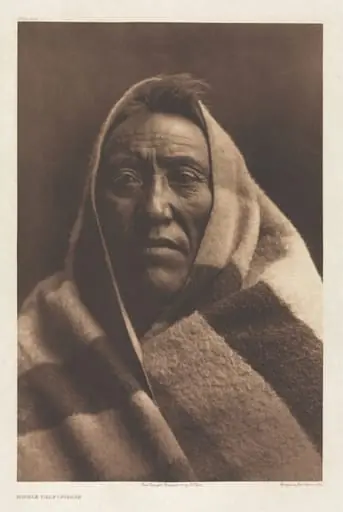 Portfolio VI, Plate 202: Middle Calf - Piegan
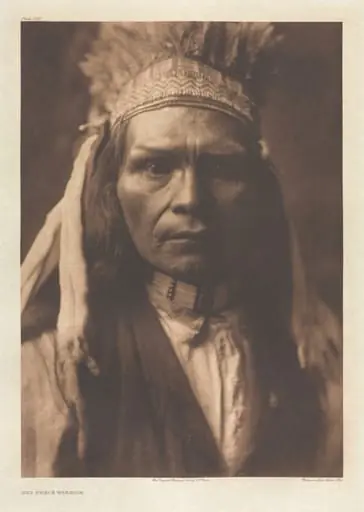 Portfolio VIII, Plate 262: Nez Percé Warrior
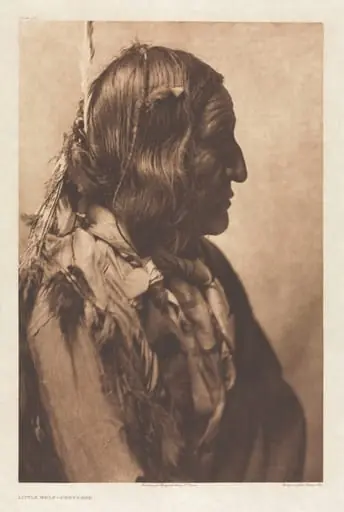 Portfolio VI, Plate 219: Little Wolf
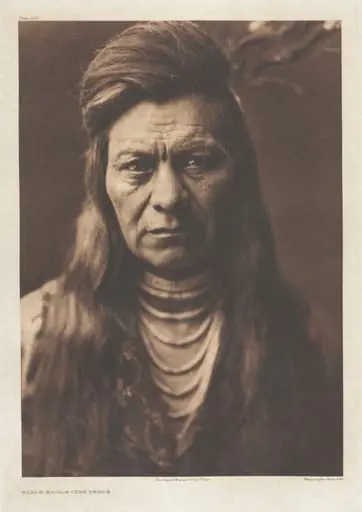 Portfolio VIII, Plate 265: Black Eagle - Nez Percé
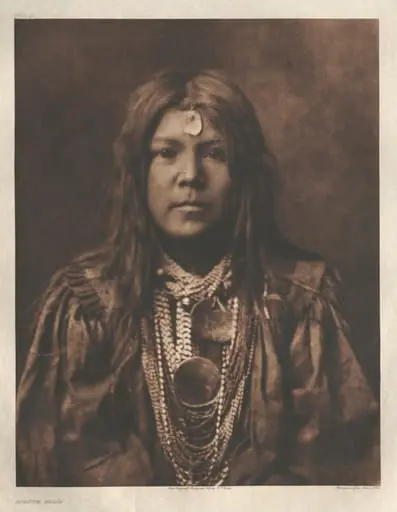 Portfolio I, Plate 15: Apache Nalin