Artwork
Portfolio VIII, Plate 265: Black Eagle - Nez Percé
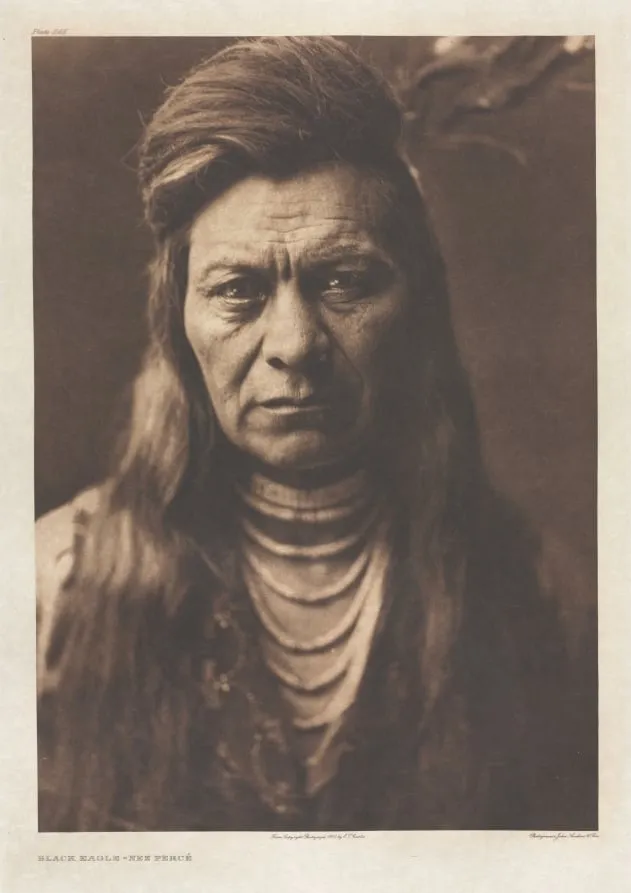
Portfolio VIII, Plate 265: Black Eagle - Nez Percé is a work on paper by Edward S. Curtis. It dates from 1905 and is held in the collection of the Cleveland Museum of Art. Edward S.
About this work
His hair is pulled back under a band, and he wears a necklace of round beads.
This is a black-and-white portrait of a man with a serious expression. His hair is pulled back under a band, and he wears a necklace of round beads. The background is plain, so all focus stays on his face and shoulders.
The photo was taken to document Indigenous life in the early 1900s. The artist traveled across the U.S. to capture these images, often working with sitters for hours.
Next, check out the work of Edward S. Curtis (American, 1868–1952).
Overview
Edward S. Curtis’s photograph, catalogued as Portfolio VIII, Plate 265, depicts a Nez Percé man titled “Black Eagle.” Executed in 1905, the image is a black‑and‑white portrait now in the collection of the Cleveland Museum of Art.
Subject & Meaning
The sitter is presented with a solemn expression, his hair gathered under a headband and a string of round beads encircling his neck. The plain backdrop eliminates distraction, directing attention to his facial features and traditional adornments, offering a dignified representation of Indigenous identity.
Technique & Style
Curtis employed the photographic processes of the early twentieth century, using controlled lighting and a static studio setting to achieve a sharp, high‑contrast image. The composition centers the figure’s shoulders and face, a hallmark of Curtis’s portraiture that emphasizes individual character.
History & Provenance
Taken during Curtis’s extensive fieldwork documenting Native American peoples, the photograph reflects his practice of spending prolonged periods with subjects to capture nuanced expressions. After its creation, the print entered the Cleveland Museum of Art’s holdings, where it remains accessible to the public.
Context
The image belongs to a larger body of work produced by Curtis between 1900 and 1930, a period when he traveled across the United States to record the lives of Indigenous communities amid rapid cultural change. His photographs were intended both as ethnographic records and as artistic studies.
Artist & collection

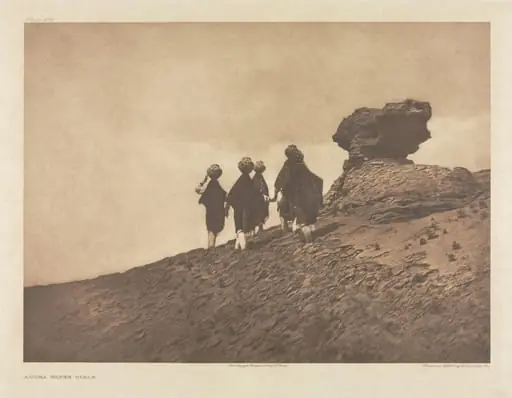 Portfolio XVI, Plate 573: Acoma Water Girls
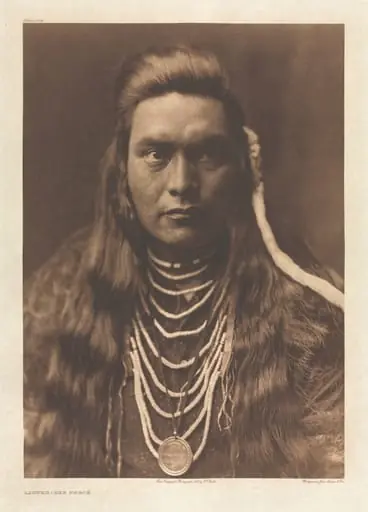 Portfolio VIII, Plate 264: Lawyer - Nez Percé
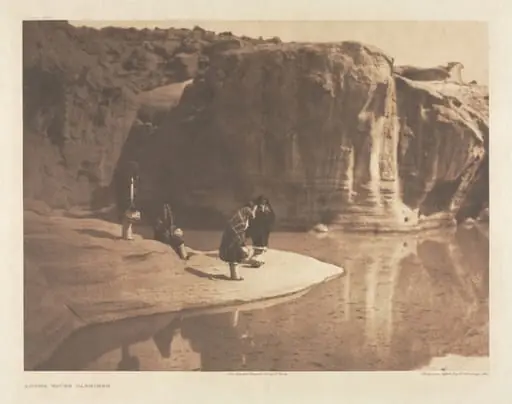 Portfolio XVI, Plate 568: Acoma Water Carriers
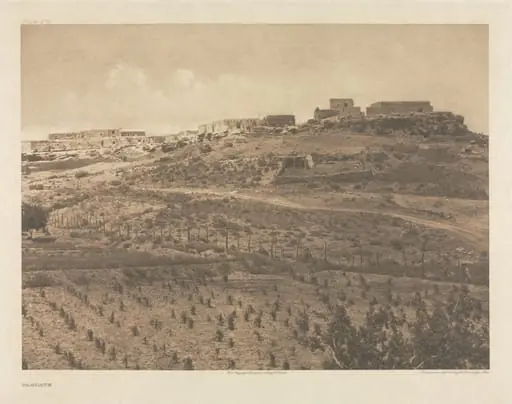 Portfolio XVI, Plate 574: Paguate
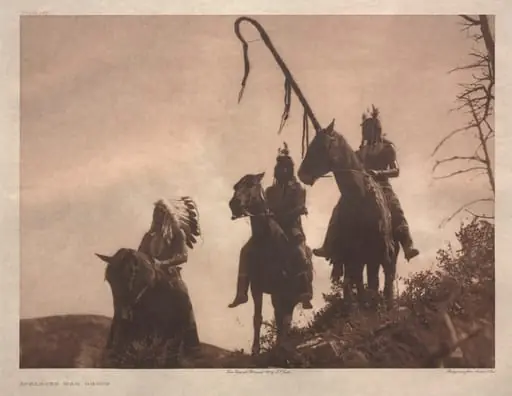 Portfolio IV, Plate 147: Apsaroke War Group
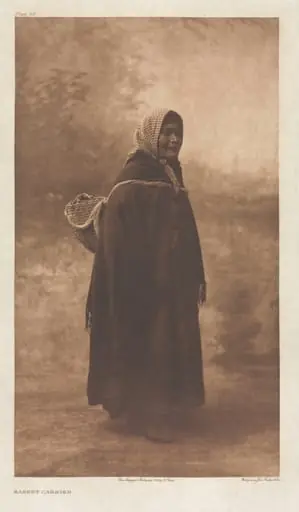 Portfolio IX, Plate 311: Basket Carrier
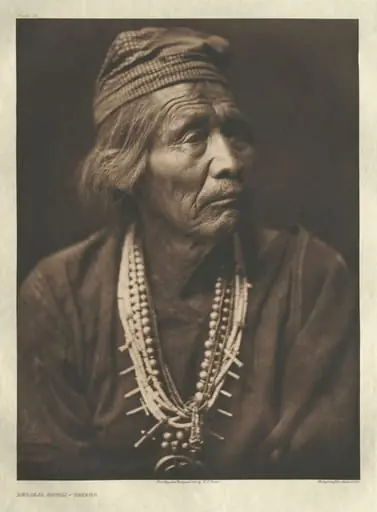 Portfolio I, Plate 31: Nesjája Hatáli-Navaho
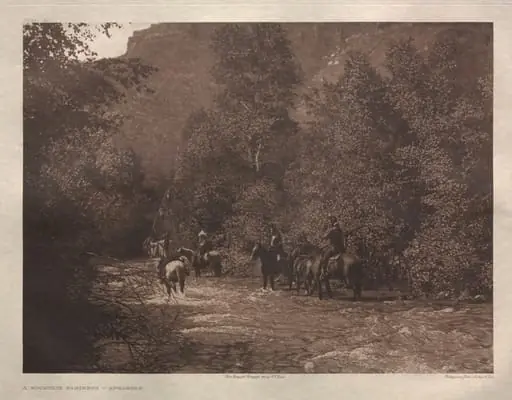 Portfolio IV, Plate 140: A Mountain Fastness--Apsaroke
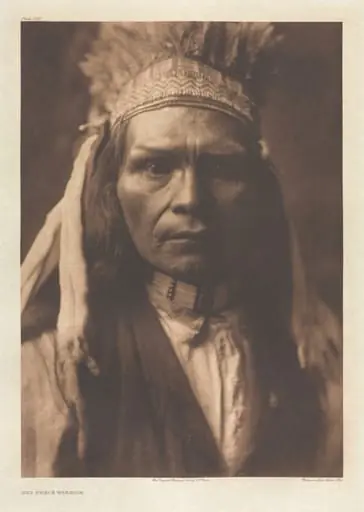 Portfolio VIII, Plate 262: Nez Percé Warrior
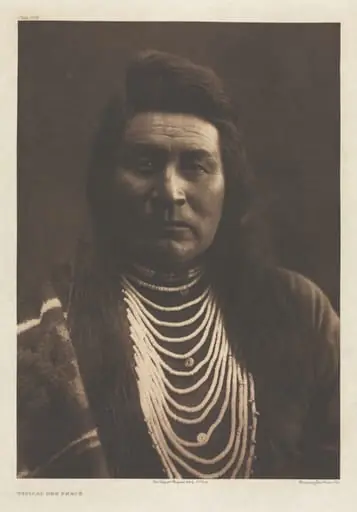 Portfolio VIII, Plate 258: Typical Nez Percé
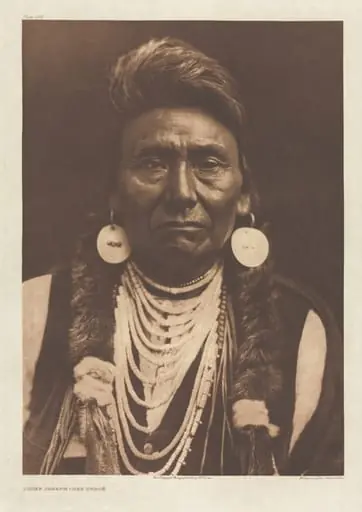 Portfolio VIII, Plate 256: Chief Joseph - Nez Percé
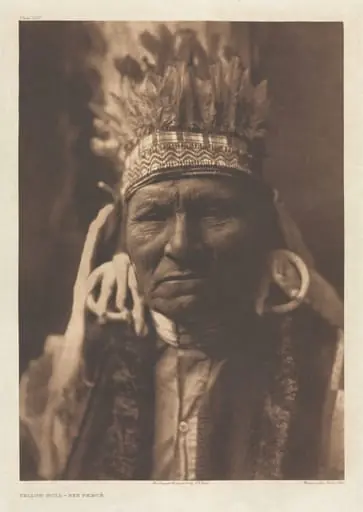 Portfolio VIII, Plate 257: Yellow Bull - Nez Percé
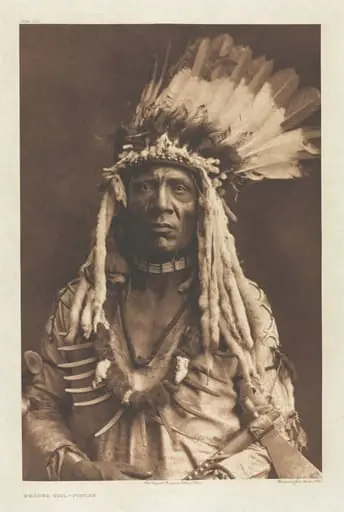 Portfolio VI, Plate 203: Weasel Tail - Piegan
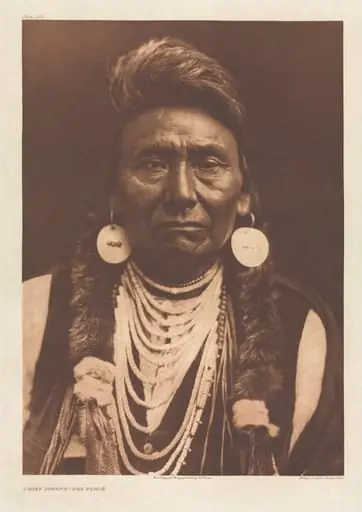 Portfolio VIII, Plates 256- 292
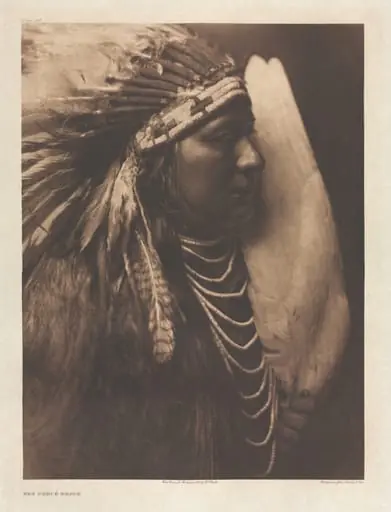 Portfolio VIII, Plate 263: Nez Percé Brave
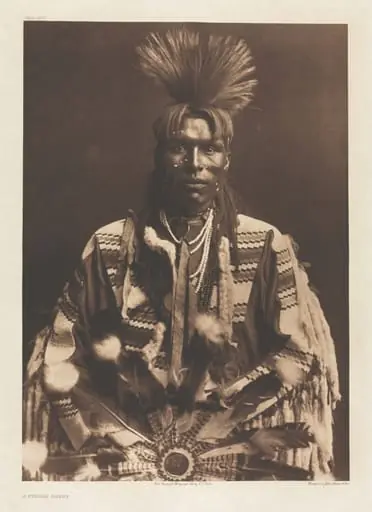 Portfolio VI, Plate 208: A Piegan Dandy
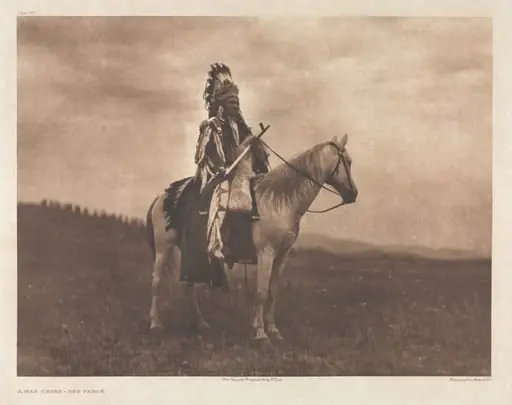 Portfolio VIII, Plate 271: A War Chief - Nez Percé