Artwork
Portfolio XVII, Plate 591: In the Gray Morning - San Ildefonso
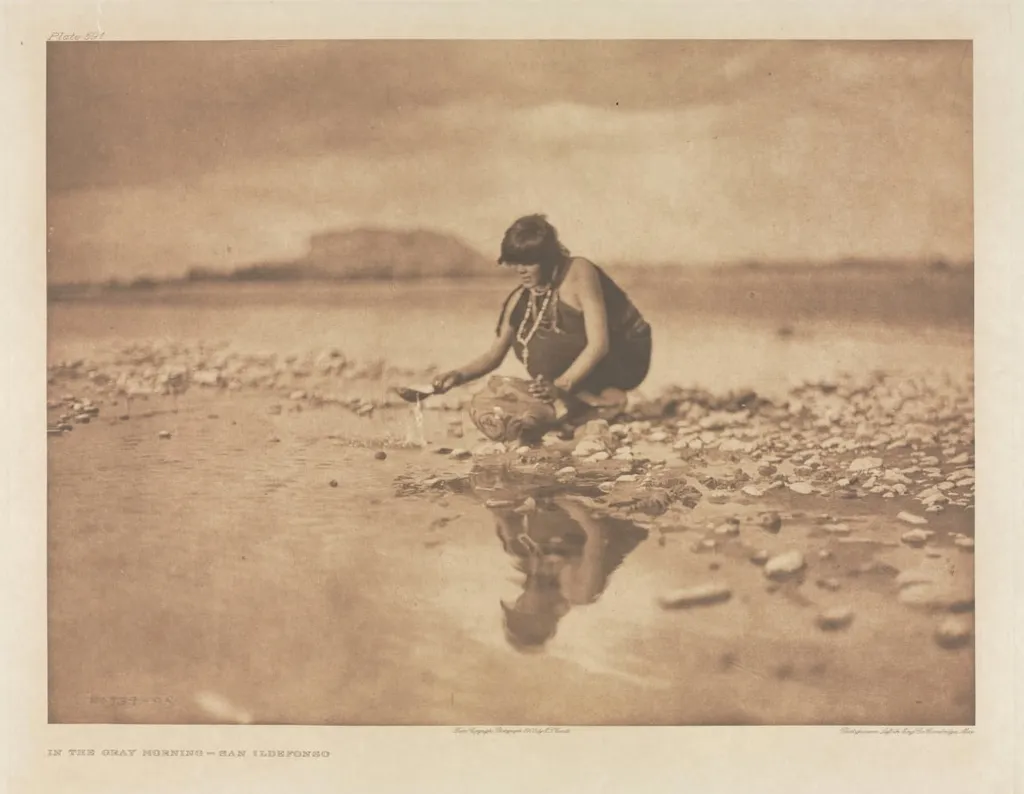
Portfolio XVII, Plate 591: In the Gray Morning - San Ildefonso is a work on paper by Edward S. Curtis. It dates from 1905 and is held in the collection of the Cleveland Museum of Art.
About this work
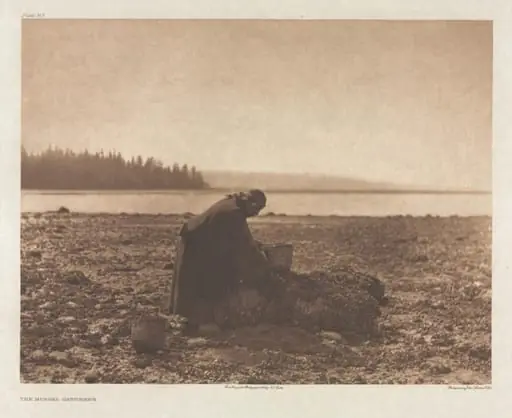
The shore is covered in small stones and wet sand, with a distant hill and calm water behind her.
A woman sits on a rocky beach, bending over a shallow puddle. She wears a sleeveless dress and a necklace, her hair pulled back. The shore is covered in small stones and wet sand, with a distant hill and calm water behind her.
The photo’s soft lighting makes her face and the rocks glow slightly. The title says it’s from San Ildefonso, a Pueblo village in New Mexico.
Look up Edward S. Curtis (American, 1868–1952) next to see more of his work.
Overview
Portfolio XVII, Plate 591: In the Gray Morning - San Ildefonso is a photographic work by Edward S. Curtis, dating to 1905, and is part of the collection at The Cleveland Museum of Art.
Subject & Meaning
The photograph depicts a woman from San Ildefonso Pueblo in New Mexico, engaged in a quiet, contemplative moment by a shallow puddle on a rocky, sandy shoreline. Her attire includes a sleeveless dress and a necklace, with her hair pulled back. The scene conveys a sense of serene, everyday life.
Technique & Style
The image is characterized by soft lighting, which imbues the subject's face and the surrounding rocks with a subtle glow, suggesting an early morning setting as implied by the title.
History & Provenance
Created in 1905 by Edward S. Curtis, an American photographer known for his portraits of Native Americans, the work is now housed at The Cleveland Museum of Art.
Context
San Ildefonso, the subject's origin, is a Pueblo village in New Mexico, significant for its cultural heritage. Curtis's work often aimed to document the lives of Native American communities during a period of significant change.
Legacy
As part of Curtis's extensive portfolio on Native American life, this piece contributes to a broader historical and anthropological record, though its specific impact or reception is not distinctly highlighted beyond its inclusion in Curtis's body of work.
Artist & collection

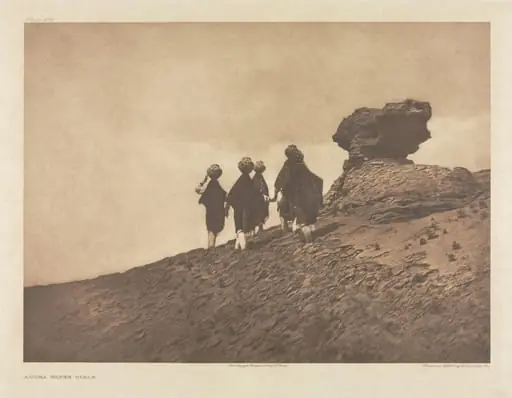 Portfolio XVI, Plate 573: Acoma Water Girls
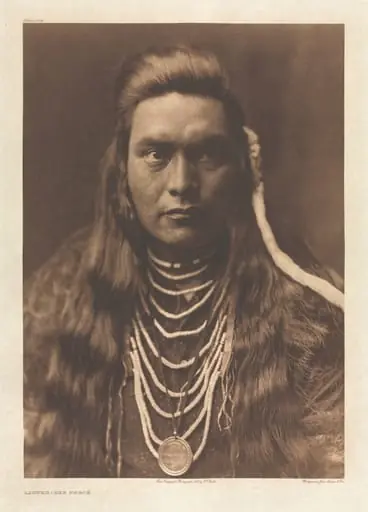 Portfolio VIII, Plate 264: Lawyer - Nez Percé
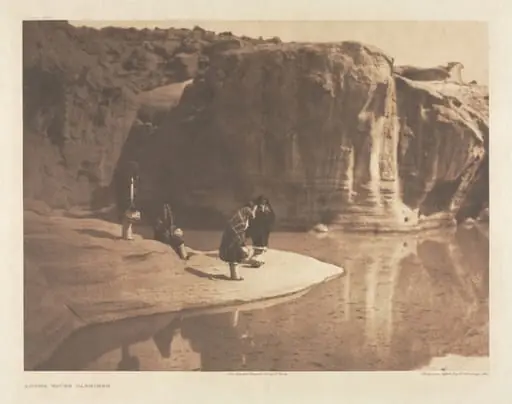 Portfolio XVI, Plate 568: Acoma Water Carriers
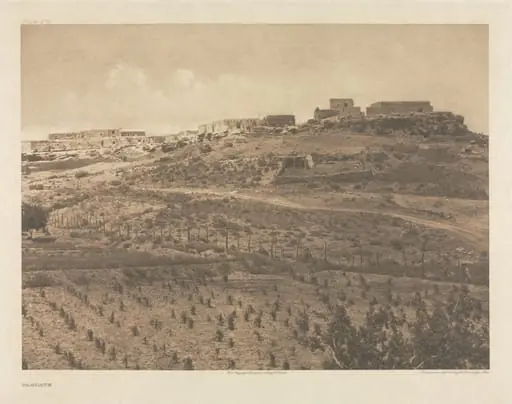 Portfolio XVI, Plate 574: Paguate
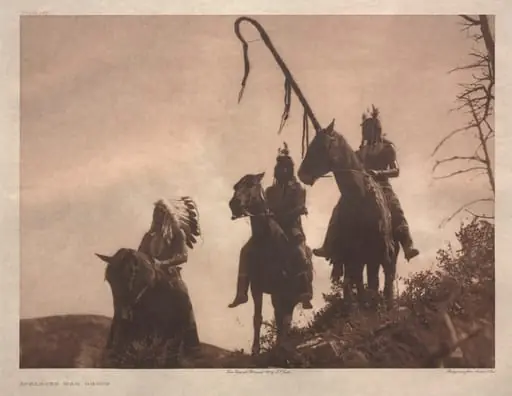 Portfolio IV, Plate 147: Apsaroke War Group
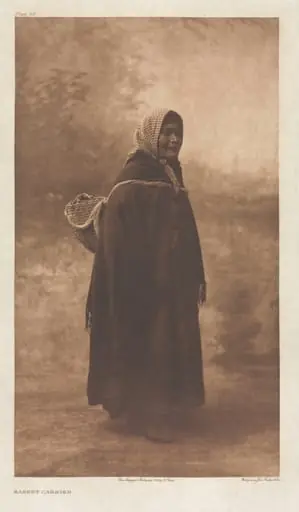 Portfolio IX, Plate 311: Basket Carrier
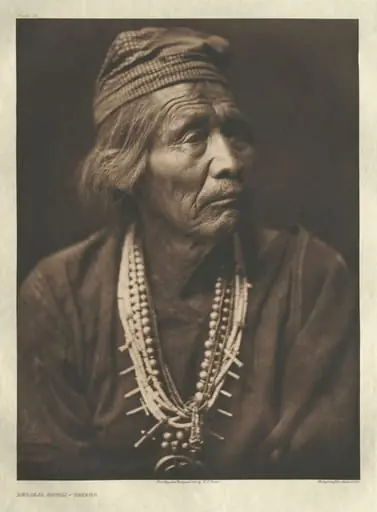 Portfolio I, Plate 31: Nesjája Hatáli-Navaho
 Portfolio IV, Plate 140: A Mountain Fastness--Apsaroke
 Portfolio II, Plate 75: Getting Water-Havasupai
 Portfolio XVI, Plate 571: At the Old Well of Acoma
 Portfolio XVII, Plate 598: Gossiping - San Juan
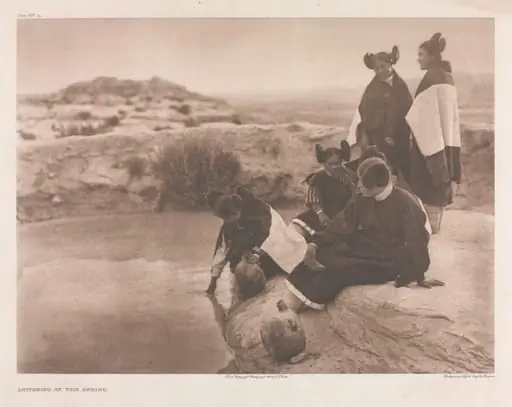 Portfolio XII, Plate 400(b)- 435
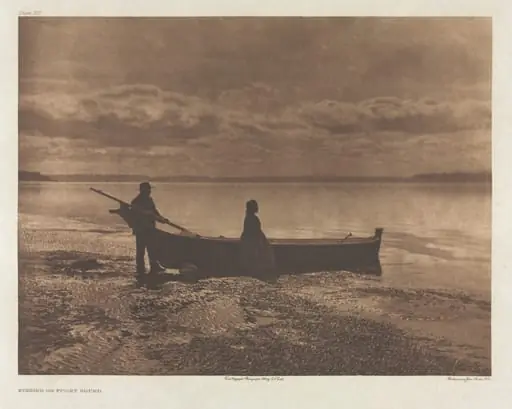 Portfolio IX, Plate 312: Evening on Puget Sound
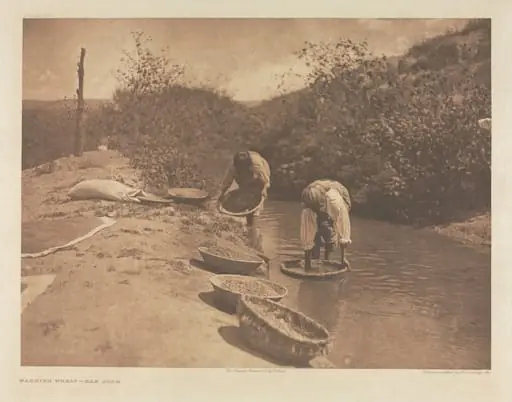 Portfolio XVII, Plate 594: Washing Wheat - San Juan
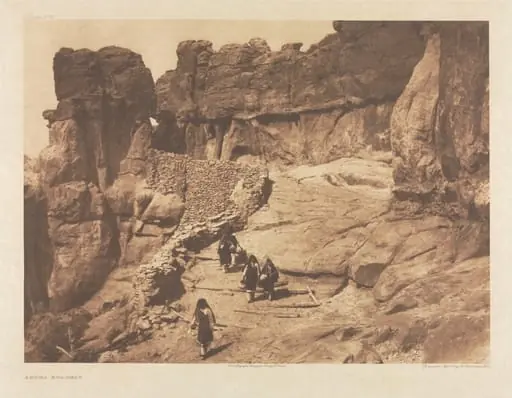 Portfolio XVI, Plate 570: Acoma Roadway
 Portfolio IX, Plate 313: The Mussel Gatherer