Artwork
Portfolio IX, Plate 312: Evening on Puget Sound
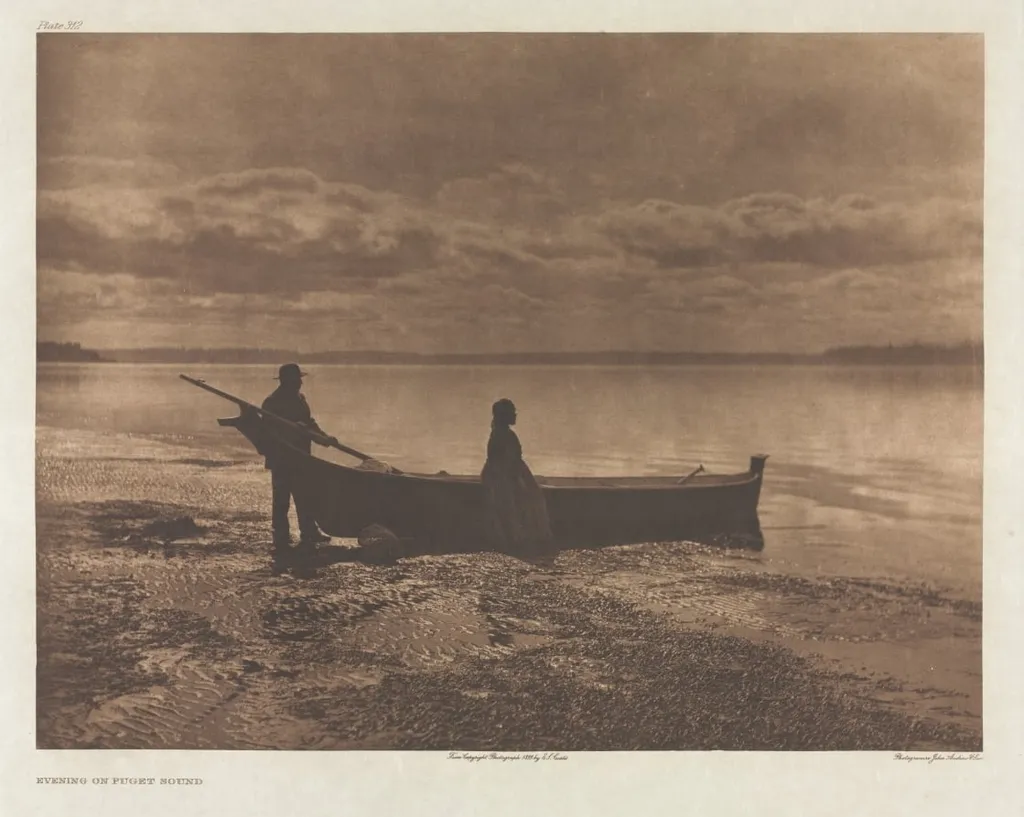
Portfolio IX, Plate 312: Evening on Puget Sound is a work on paper by the Impressionist artist Edward S. Curtis. It dates from 1899 and is held in the collection of the Cleveland Museum of Art.
About this work
Overview
Portfolio IX, Plate 312: Evening on Puget Sound is one of 150 photogravures in Edward S. Curtis’s multi-volume ethnographic project documenting Indigenous peoples of North America. Created in 1899, this image captures a quiet moment along the Puget Sound shoreline, part of Curtis’s broader effort to record cultural landscapes before they were transformed by colonization and modernization.
Subject & Meaning
Curtis intended these images to convey cultural dignity, though modern viewers often question the romanticized framing of Indigenous life.
The image portrays a solitary Indigenous figure standing near water at dusk, framed by misty trees and calm seas. No narrative is explicitly stated, but the composition evokes stillness and solitude, suggesting a connection between the individual and the natural environment. Curtis intended these images to convey cultural dignity, though modern viewers often question the romanticized framing of Indigenous life.
Technique & Style
Curtis used the photogravure process, a labor-intensive method combining photography and intaglio printing, to achieve rich tonal gradations and fine detail. The soft focus and muted palette reflect pictorialist aesthetics, prioritizing mood over documentary precision. This technique allowed for artistic control and repeated high-quality impressions, aligning with the project’s goal of producing a refined, book-length record.
History & Provenance
Created during Curtis’s early fieldwork for The North American Indian, this plate was printed as part of the ninth portfolio issued between 1907 and 1930. The Cleveland Museum of Art acquired it as part of its collection of early 20th-century photographic works, preserving it as a significant artifact of both ethnographic documentation and photographic history.
Context
Curtis worked during a period of intense cultural disruption for Native communities, as federal policies enforced assimilation and land displacement. His project emerged from a belief that Indigenous cultures were vanishing, prompting a rush to document them. While his images are now studied for their visual artistry, they are also critically examined for their role in shaping enduring stereotypes.
Legacy
Portfolio IX, Plate 312 remains a touchstone in the history of American photography and ethnography. It is frequently referenced in discussions about representation, authorship, and the ethics of documenting marginalized communities. Though criticized for its idealized tone, the work endures as a complex record of a moment when visual culture intersected with colonial narratives.
Artist & collection

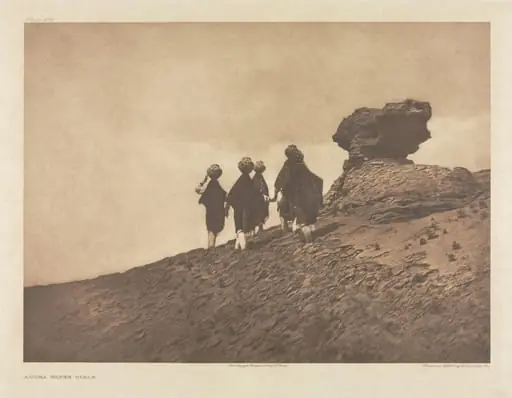 Portfolio XVI, Plate 573: Acoma Water Girls
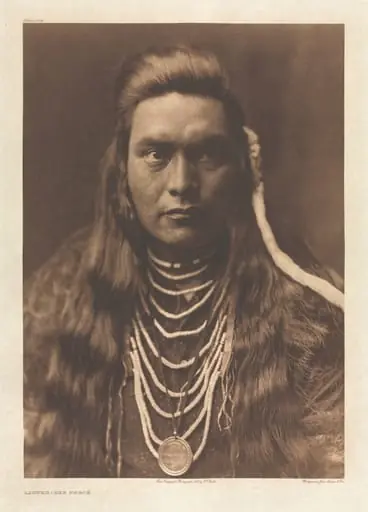 Portfolio VIII, Plate 264: Lawyer - Nez Percé
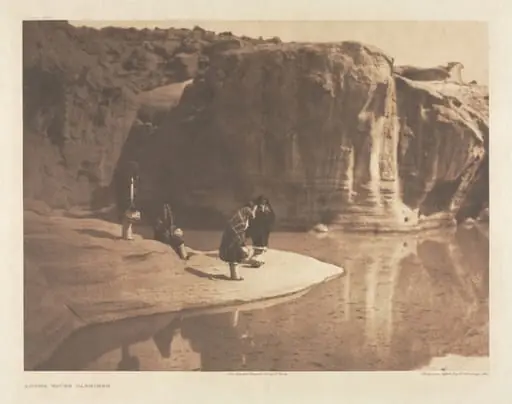 Portfolio XVI, Plate 568: Acoma Water Carriers
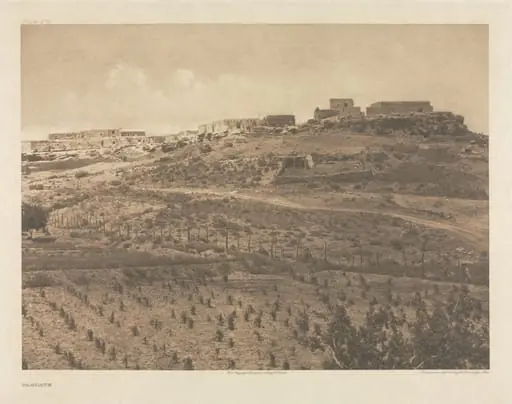 Portfolio XVI, Plate 574: Paguate
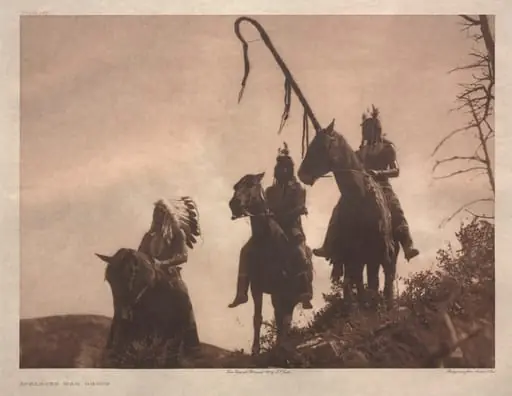 Portfolio IV, Plate 147: Apsaroke War Group
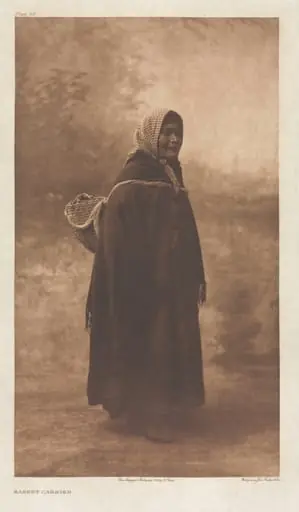 Portfolio IX, Plate 311: Basket Carrier
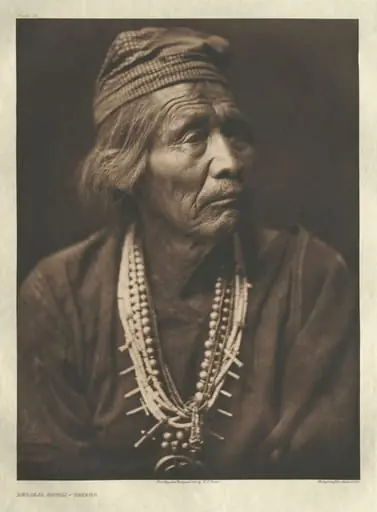 Portfolio I, Plate 31: Nesjája Hatáli-Navaho
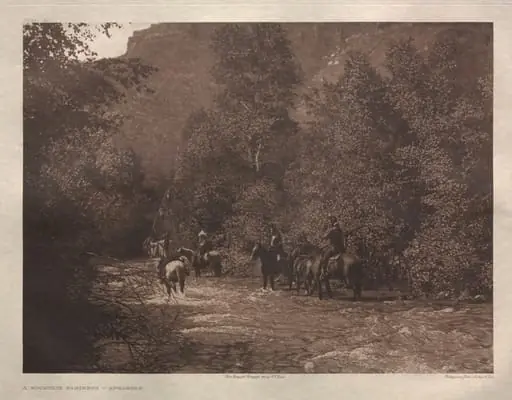 Portfolio IV, Plate 140: A Mountain Fastness--Apsaroke
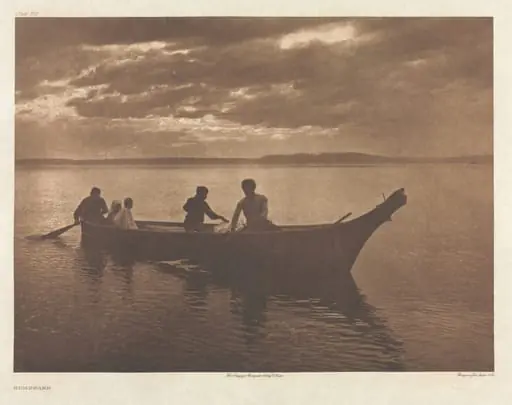 Portfolio IX, Plate 318: Homeward
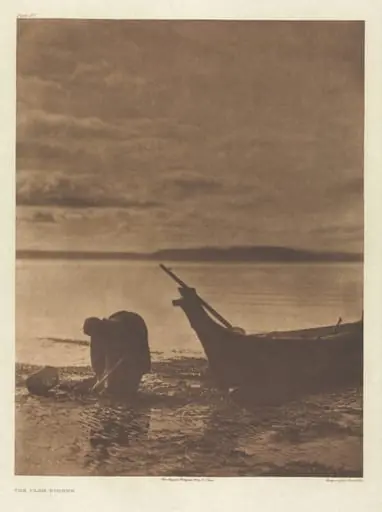 Portfolio IX, Plate 317: The Clam Digger
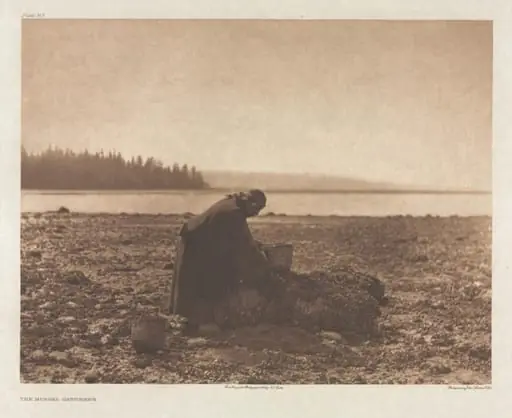 Portfolio IX, Plate 313: The Mussel Gatherer
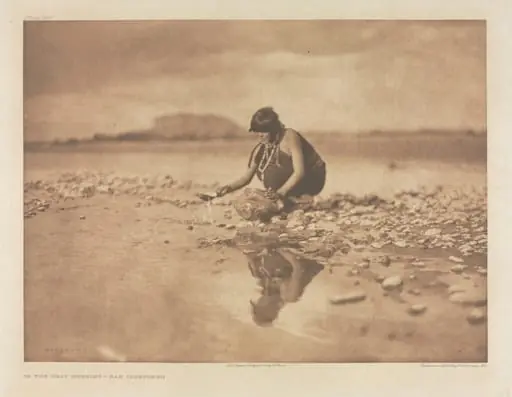 Portfolio XVII, Plate 591: In the Gray Morning - San Ildefonso
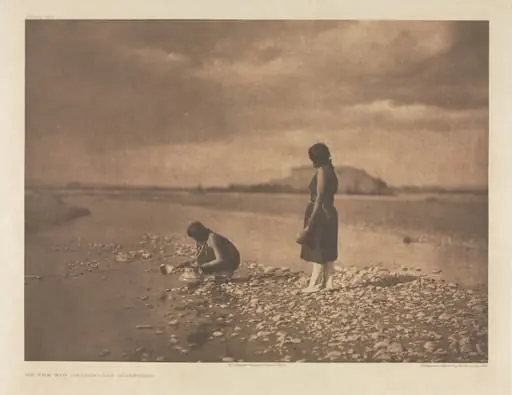 Portfolio XVII, Plate 583: On the Rio Grande - San Ildefonso
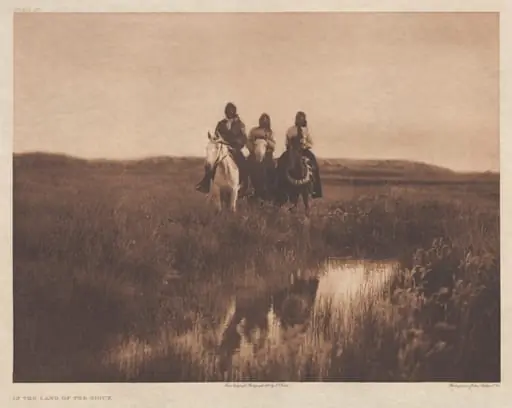 Portfolio III, Plate 95: In the Land of the Sioux
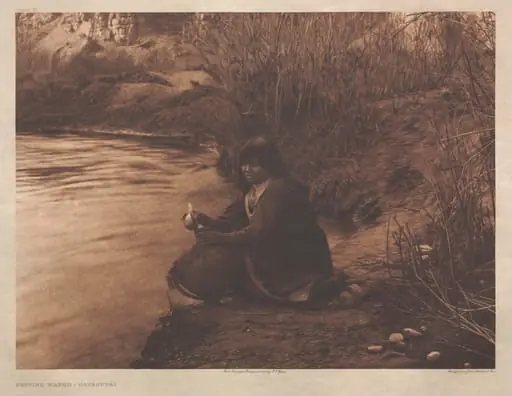 Portfolio II, Plate 75: Getting Water-Havasupai
 Taking Up the Eel Net
 Portfolio VI, Plate 209: The Three Chiefs - Piegan