Artwork
Portfolio XVII, Plate 610: Zuñi Girls at the River
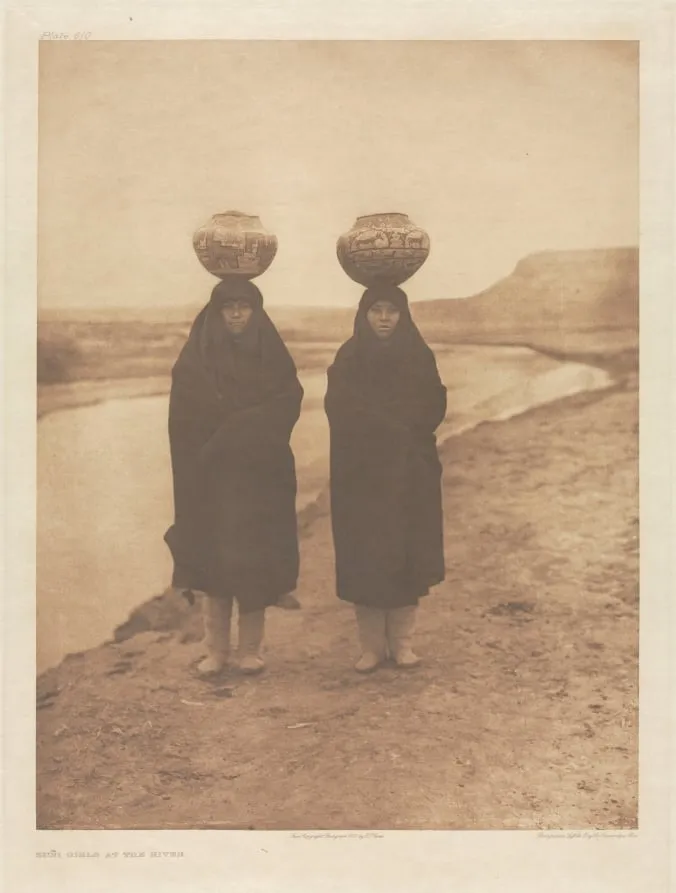
Portfolio XVII, Plate 610: Zuñi Girls at the River is a work on paper by Edward S. Curtis. It dates from 1903 and is held in the collection of the Cleveland Museum of Art.
About this work
Overview
Created in 1903, this image is part of a larger documentary effort to record Indigenous cultures perceived as vanishing.
Portfolio XVII, Plate 610: Zuñi Girls at the River is one of 722 photographs compiled by Edward S. Curtis in his multi-volume study of Native American life. Created in 1903, this image is part of a larger documentary effort to record Indigenous cultures perceived as vanishing. The photograph is now held in the collection of The Cleveland Museum of Art, where it remains a key example of Curtis’s ethnographic approach to visual storytelling.
Subject & Meaning
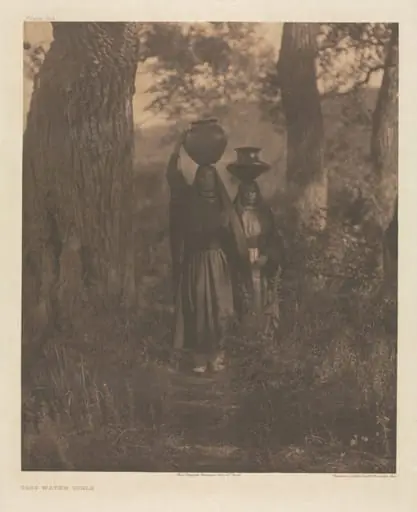
The image depicts two Zuni girls standing on a riverbank, each balancing a large ceramic vessel on their heads. Their posture and attire—long dark robes and moccasins—reflect traditional dress and daily labor. The quiet, frontal composition emphasizes dignity and routine, avoiding theatricality. The river behind them suggests a vital natural resource, while the arid hills and overcast sky frame the scene with stillness, conveying a sense of endurance rather than nostalgia.
Technique & Style
Curtis employed large-format plate photography and careful lighting to achieve a tonal richness characteristic of his work. Subtle chiaroscuro models the girls’ forms, enhancing the texture of their clothing and the weight of the pots. The shallow depth of field isolates the figures against a muted landscape, directing attention to their presence. The image’s soft focus and deliberate composition reflect the pictorialist aesthetic common in early 20th-century photography.
History & Provenance
The photograph was taken during Curtis’s fieldwork among the Zuni people in New Mexico as part of his monumental project The North American Indian. It was later included in Portfolio XVII, published in 1911. The Cleveland Museum of Art acquired the print as part of its broader collection of Curtis’s work, preserving it as a historical document of early ethnographic photography and its complex legacy.
Context
Curtis worked during a period of intense cultural disruption for Native communities, as federal policies enforced assimilation and displacement. His images, while meticulously composed, were shaped by a romanticized view of Indigenous life as a lost past. This photograph, though grounded in observation, reflects the era’s prevailing assumptions about cultural decline, even as it captures moments of quiet resilience.
Legacy
The image endures as both a record of Zuni daily life and a contested artifact of colonial representation. While valued for its technical precision and historical detail, it also invites critical reflection on the power dynamics of ethnographic photography. Today, it is studied not only for its visual qualities but also for the broader cultural narratives it both preserves and constructs.
Artist & collection

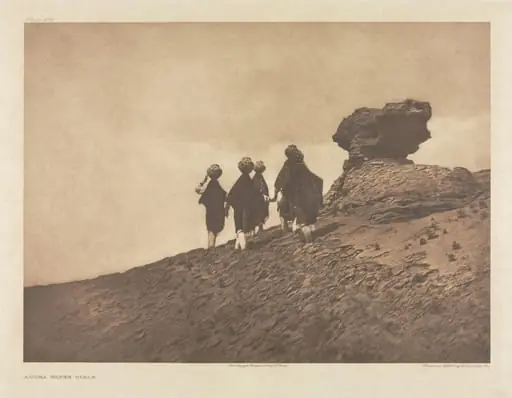 Portfolio XVI, Plate 573: Acoma Water Girls
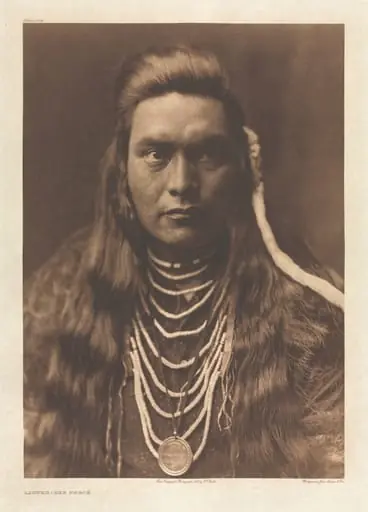 Portfolio VIII, Plate 264: Lawyer - Nez Percé
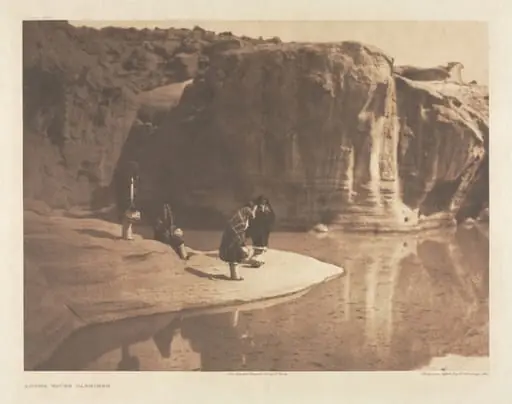 Portfolio XVI, Plate 568: Acoma Water Carriers
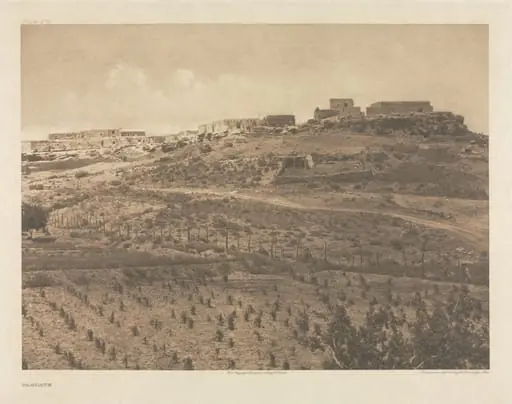 Portfolio XVI, Plate 574: Paguate
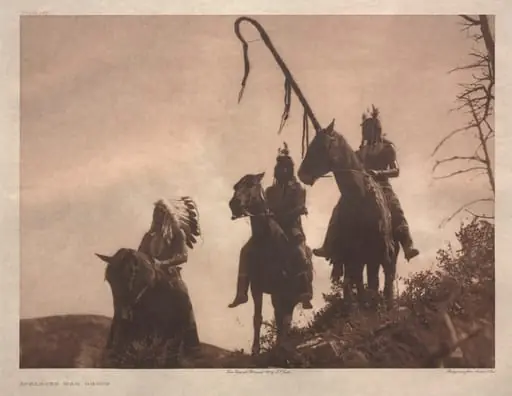 Portfolio IV, Plate 147: Apsaroke War Group
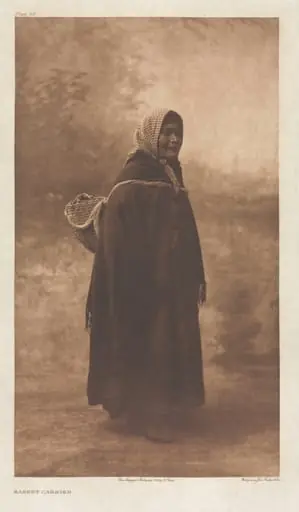 Portfolio IX, Plate 311: Basket Carrier
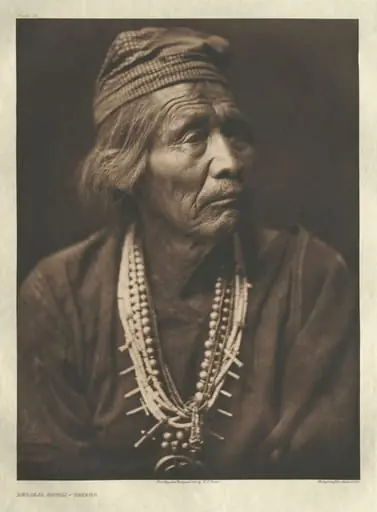 Portfolio I, Plate 31: Nesjája Hatáli-Navaho
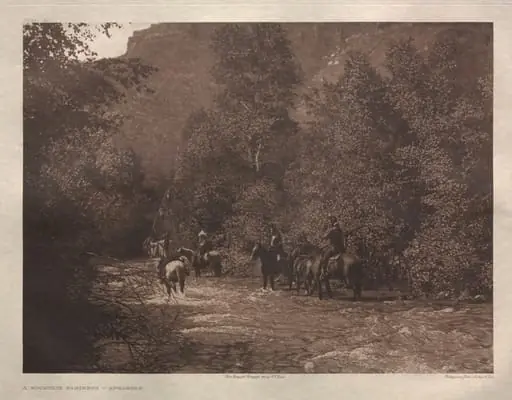 Portfolio IV, Plate 140: A Mountain Fastness--Apsaroke