Artwork
Portfolio XVII, Plate 612: Waíhusiwa, A Zuñi Kyáqimâssi
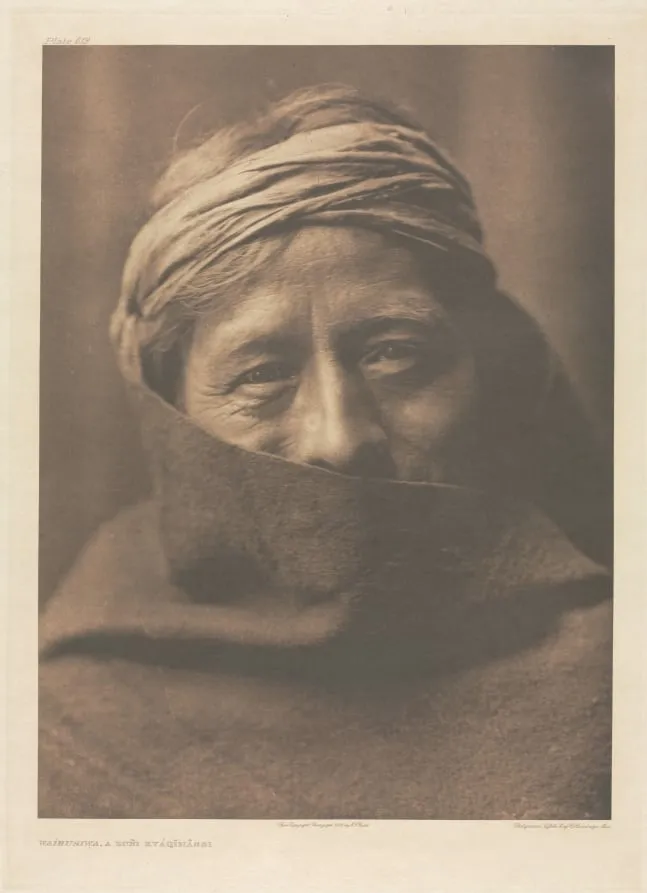
Portfolio XVII, Plate 612: Waíhusiwa, A Zuñi Kyáqimâssi is a work on paper by Edward S. Curtis. It dates from 1903 and is held in the collection of the Cleveland Museum of Art. This image is Plate 612 from Edward S.
About this work
This is a black-and-white portrait of an older person wrapped in a thick cloth.
This is a black-and-white portrait of an older person wrapped in a thick cloth. Their head is covered with a striped turban, and their face shows deep lines. The lighting is soft, mostly on one side, leaving the other side in shadow.
The name at the bottom reads *Waíhusiwa*, which was a title for a Zuñi leader. This photo was made in 1903 by someone documenting people’s lives.
Next, check out Edward S. Curtis (American, 1868–1952) to see how he worked.
Overview
This image is Plate 612 from Edward S. Curtis’s Portfolio XVII, produced in 1903. It depicts an individual identified by the Zuñi title Waíhusiwa, a designation for a ceremonial leader. The photograph is part of Curtis’s broader effort to record Indigenous life across North America. Rendered in black and white, the portrait emphasizes texture and form through careful lighting and composition, reflecting the documentary aims of the project.
Subject & Meaning
Waíhusiwa was not a personal name but a ceremonial title held by a Zuñi leader, indicating spiritual or communal authority. The subject’s wrapped attire and striped turban suggest ceremonial dress, while the deep lines on the face convey lived experience. Curtis framed the figure with dignity, avoiding romanticization, though the image remains part of a larger project that selectively represented Native cultures through a colonial lens.
Technique & Style
Curtis employed large-format film and natural light to achieve tonal depth and detail. The soft, directional lighting highlights the contours of the face and fabric, casting one side into shadow to enhance volume. The high contrast between light and dark areas draws attention to texture—wrinkled skin, woven cloth—while the static pose and neutral background reflect the formal conventions of early 20th-century ethnographic photography.
History & Provenance
The photograph was taken in 1903 during Curtis’s fieldwork among the Zuñi people in New Mexico. It was later included in his multi-volume publication The North American Indian. The Cleveland Museum of Art acquired the print as part of its collection of Curtis’s photographic plates, preserving it as a material artifact of early ethnographic documentation and its complex legacy.
Context
Curtis worked during a period of intense cultural disruption for Native communities, as federal policies enforced assimilation and land dispossession. His project, though framed as preservation, often staged scenes to fit romanticized ideals of the 'vanishing Indian.' The image of Waíhusiwa reflects this tension: it captures a real person and title, yet within a framework shaped by outsider assumptions and aesthetic priorities.
Legacy
Curtis’s photographs, including this one, remain widely referenced in art and anthropology, yet their historical value is now critically examined. While they preserve visual records of individuals and traditions, they also embody the power dynamics of representation. Contemporary scholars and Indigenous communities engage with these images as both documents and contested artifacts, prompting reevaluation of their meaning beyond the photographer’s intent.
Artist & collection

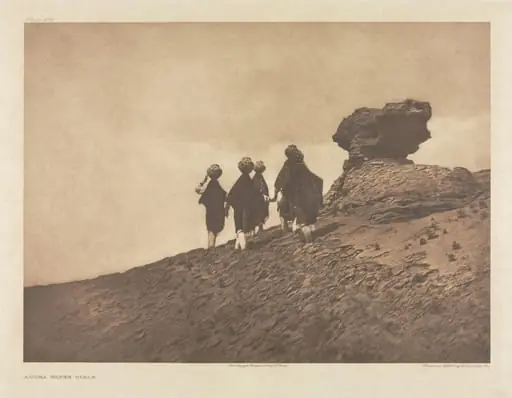 Portfolio XVI, Plate 573: Acoma Water Girls
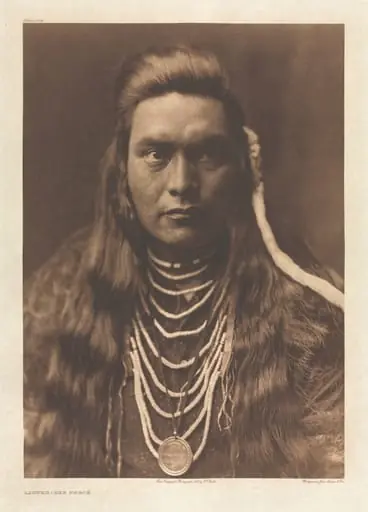 Portfolio VIII, Plate 264: Lawyer - Nez Percé
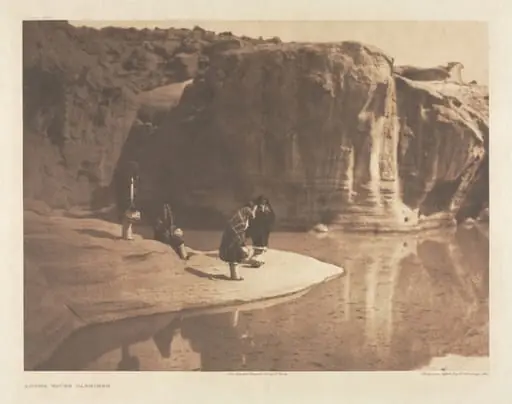 Portfolio XVI, Plate 568: Acoma Water Carriers
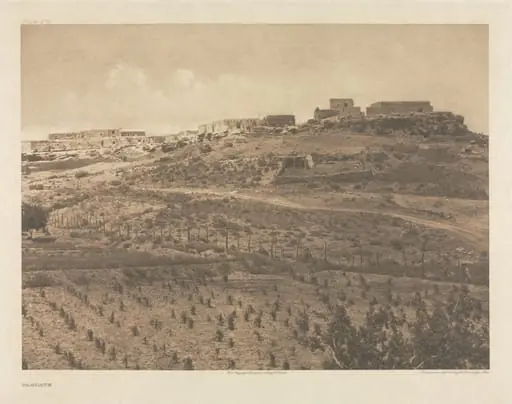 Portfolio XVI, Plate 574: Paguate
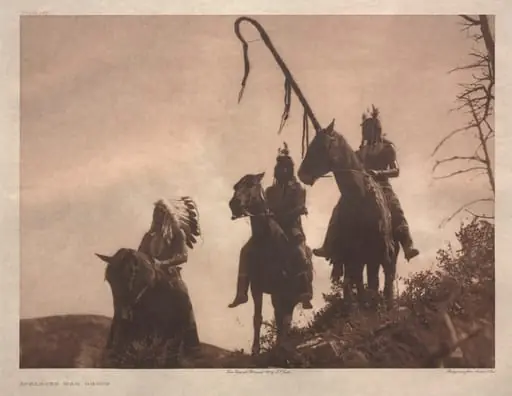 Portfolio IV, Plate 147: Apsaroke War Group
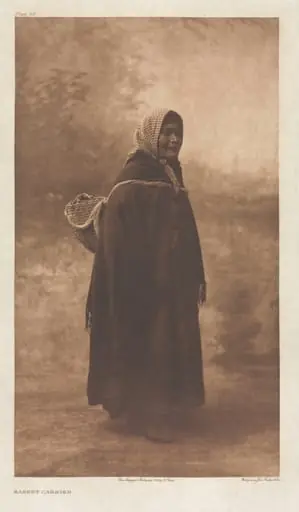 Portfolio IX, Plate 311: Basket Carrier
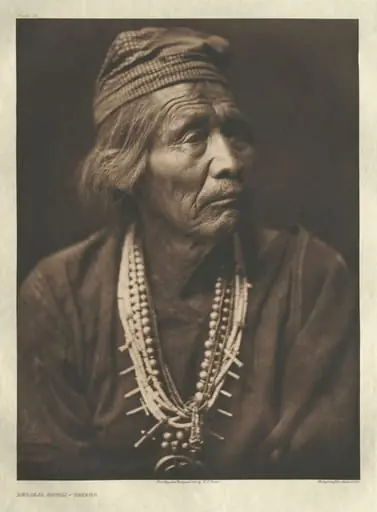 Portfolio I, Plate 31: Nesjája Hatáli-Navaho
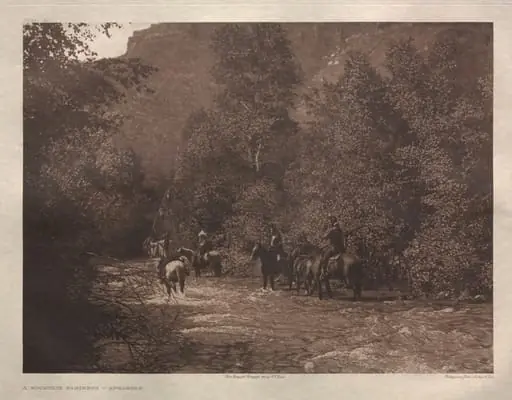 Portfolio IV, Plate 140: A Mountain Fastness--Apsaroke
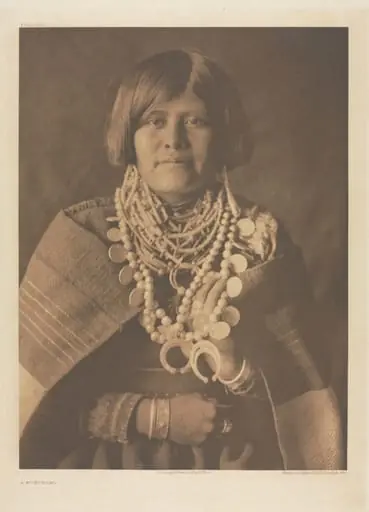 Portfolio XVII, Plate 613: A Zuñi Girl
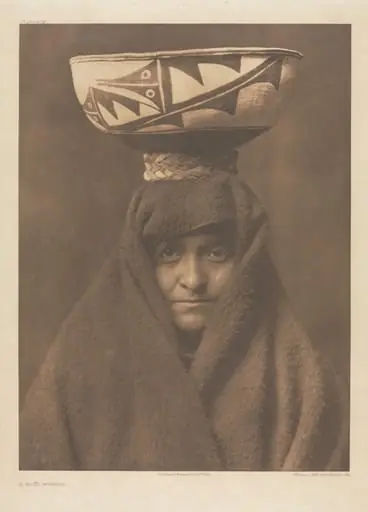 Portfolio XVII, Plate 614: A Zuñi Woman
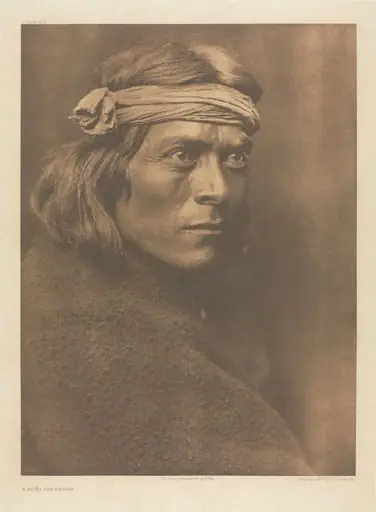 Portfolio XVII, Plate 607: A Zuñi Governor
 Portfolio I, Plate 35: Hastobíga-Navaho Medicine-Man
 Portfolio I, Plate 26: A Chief of the Desert-Navaho
 Portfolio II, Plate 60
 Portfolio I, Plate 32: A Son of the Desert - Navaho
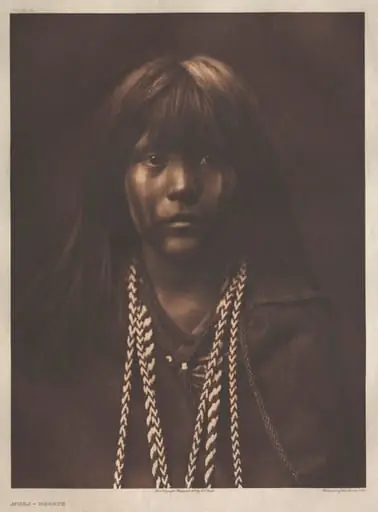 Portfolio II, Plate 61: Mósa-Mohave
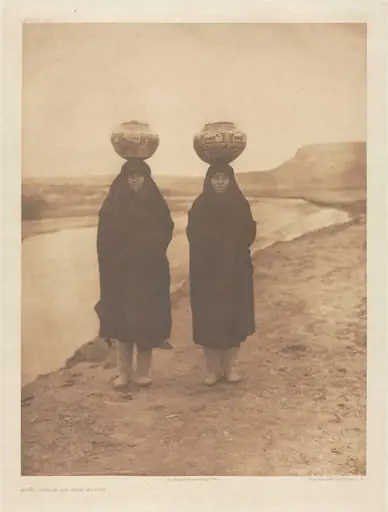 Portfolio XVII, Plate 610: Zuñi Girls at the River
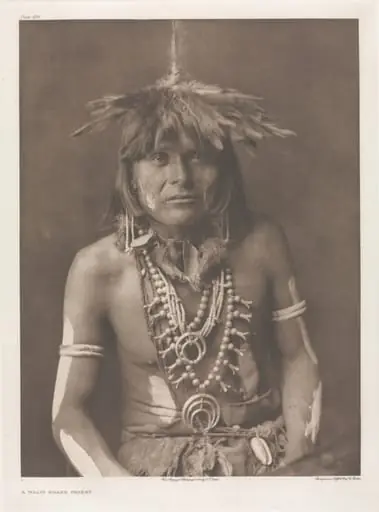 Portfolio XII, Plate 429: A Walpi Snake Priest