Artwork
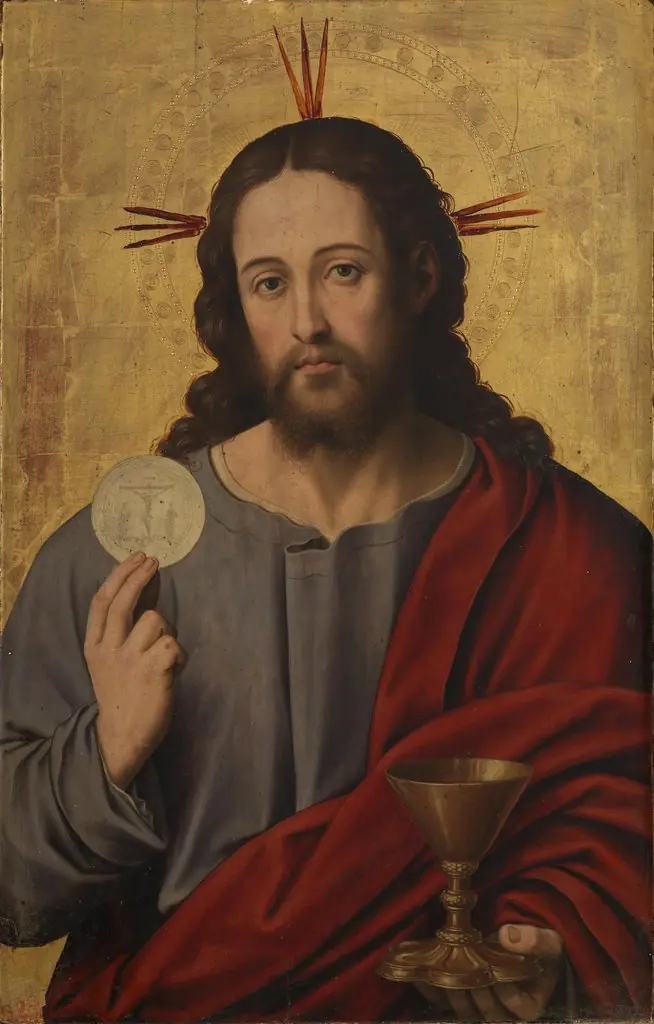
Christ the Saviour
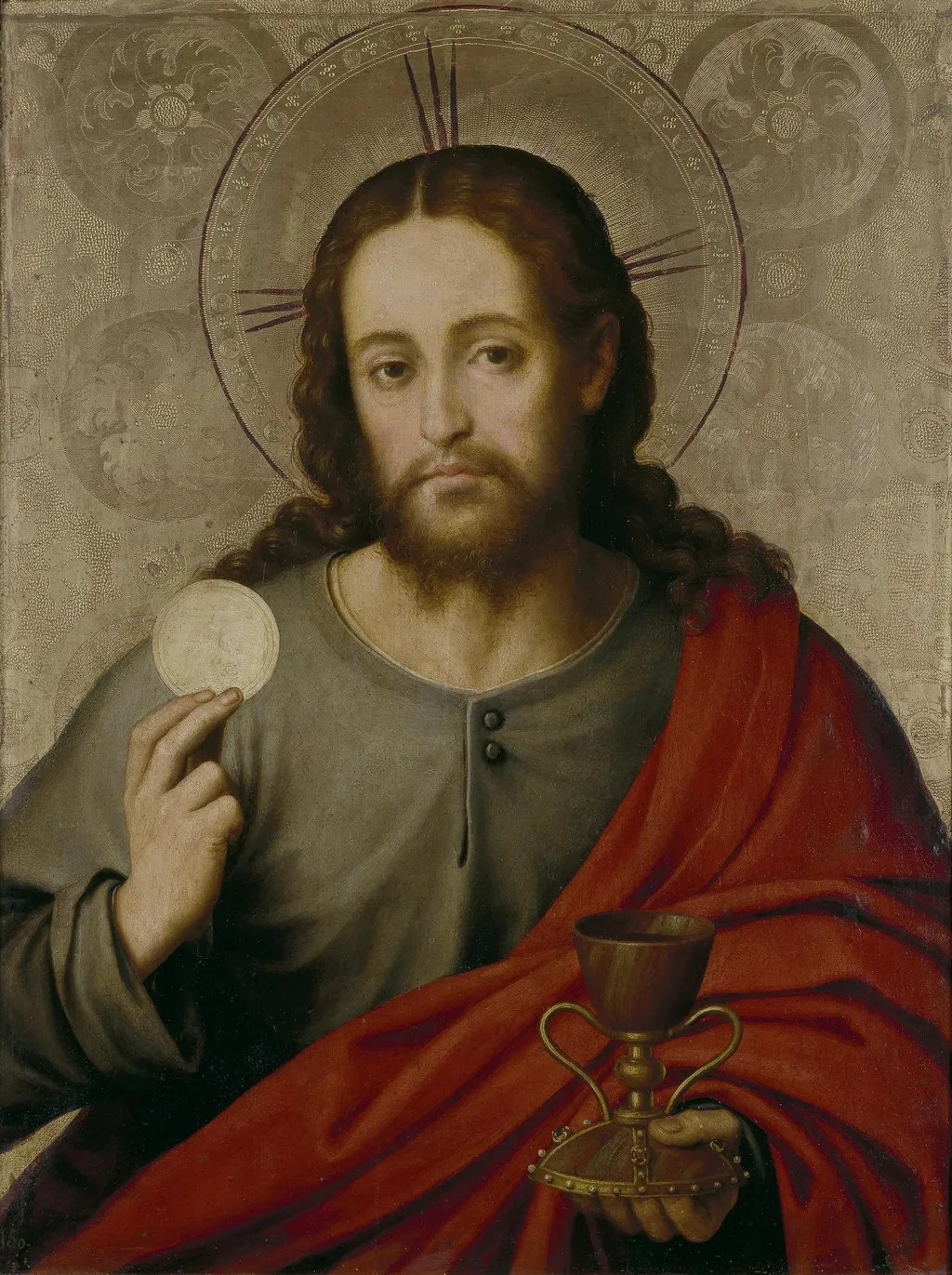
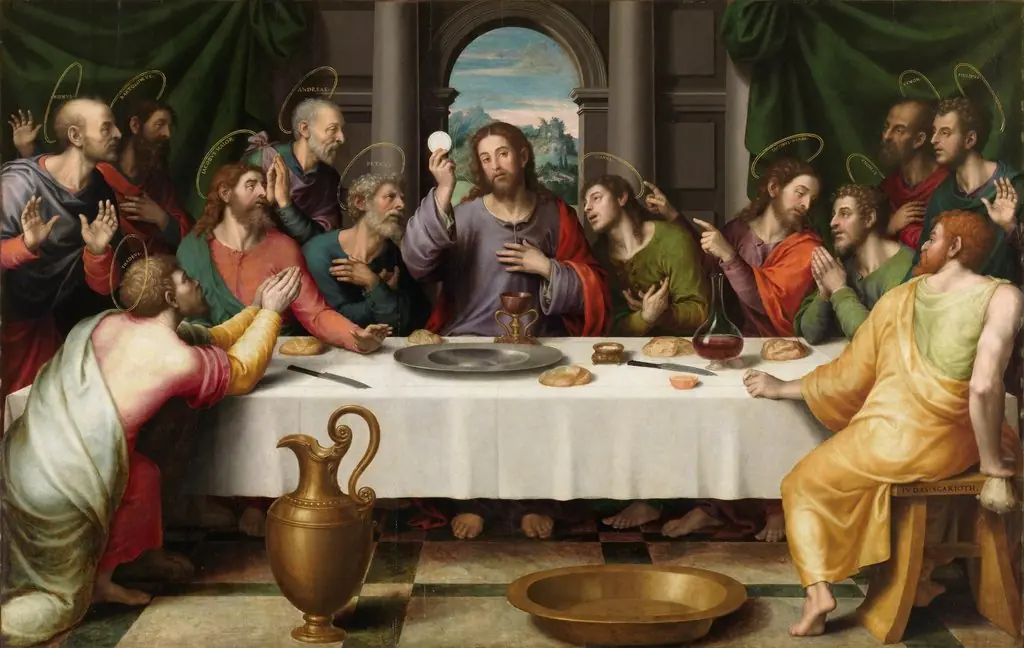
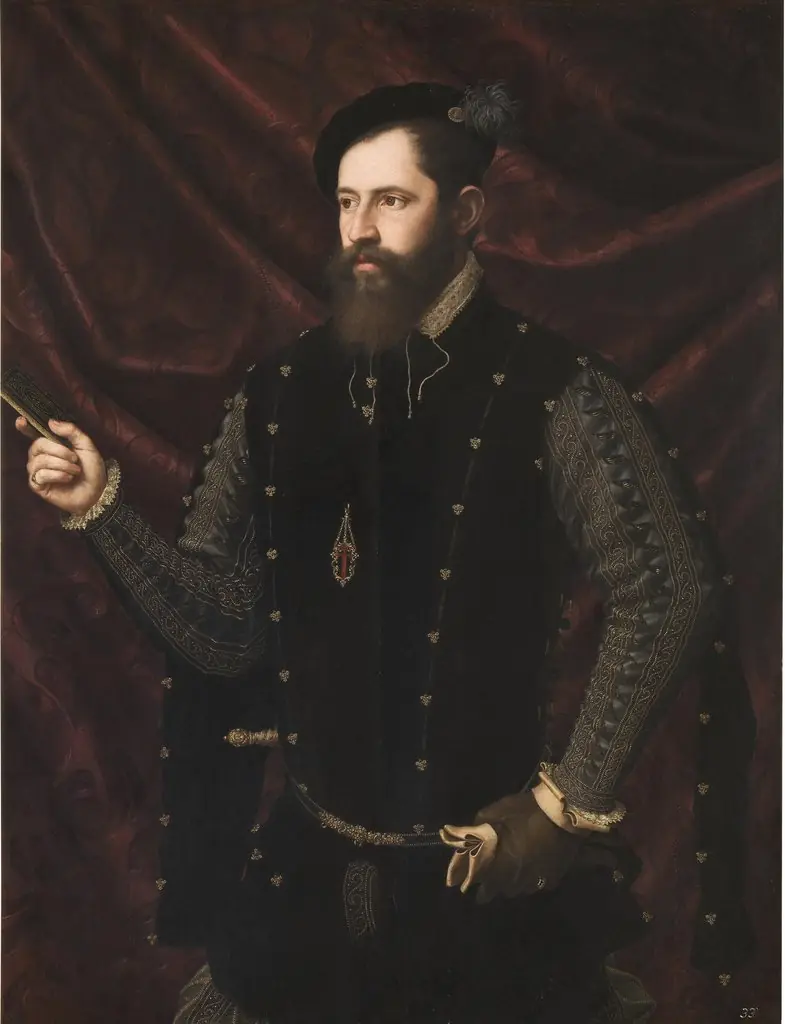
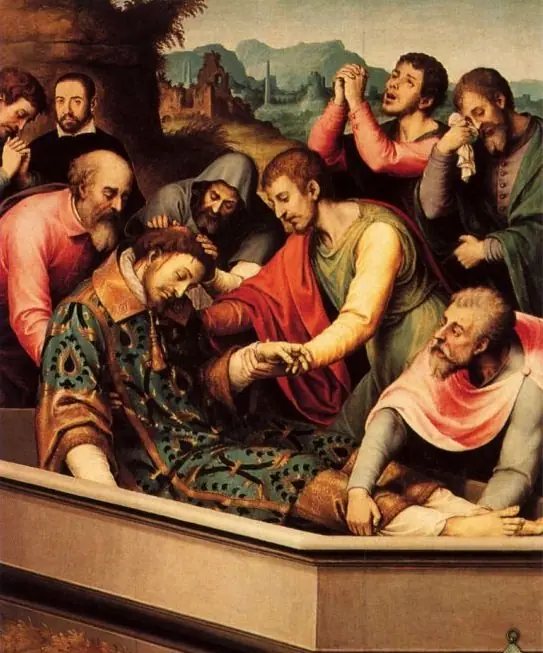
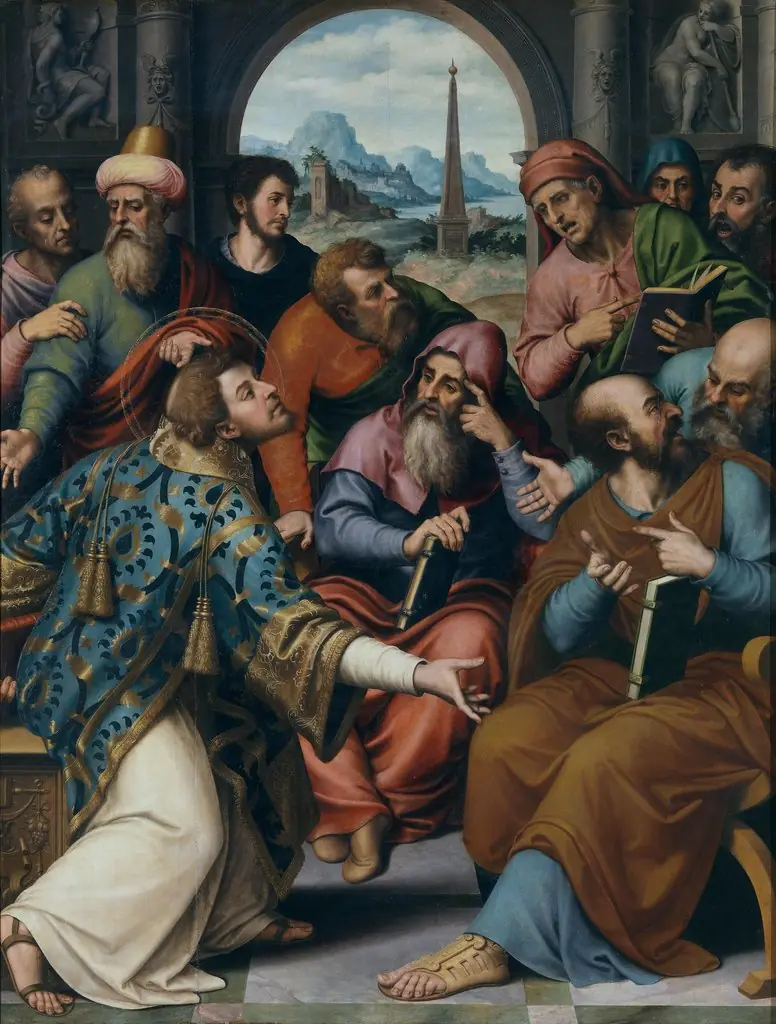
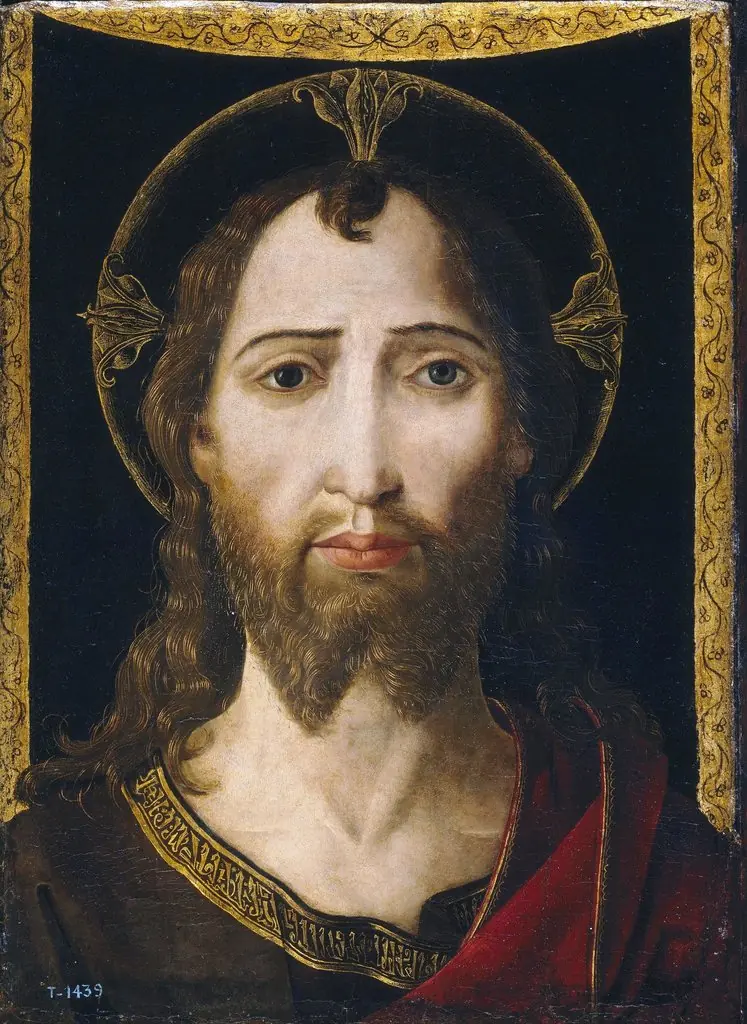
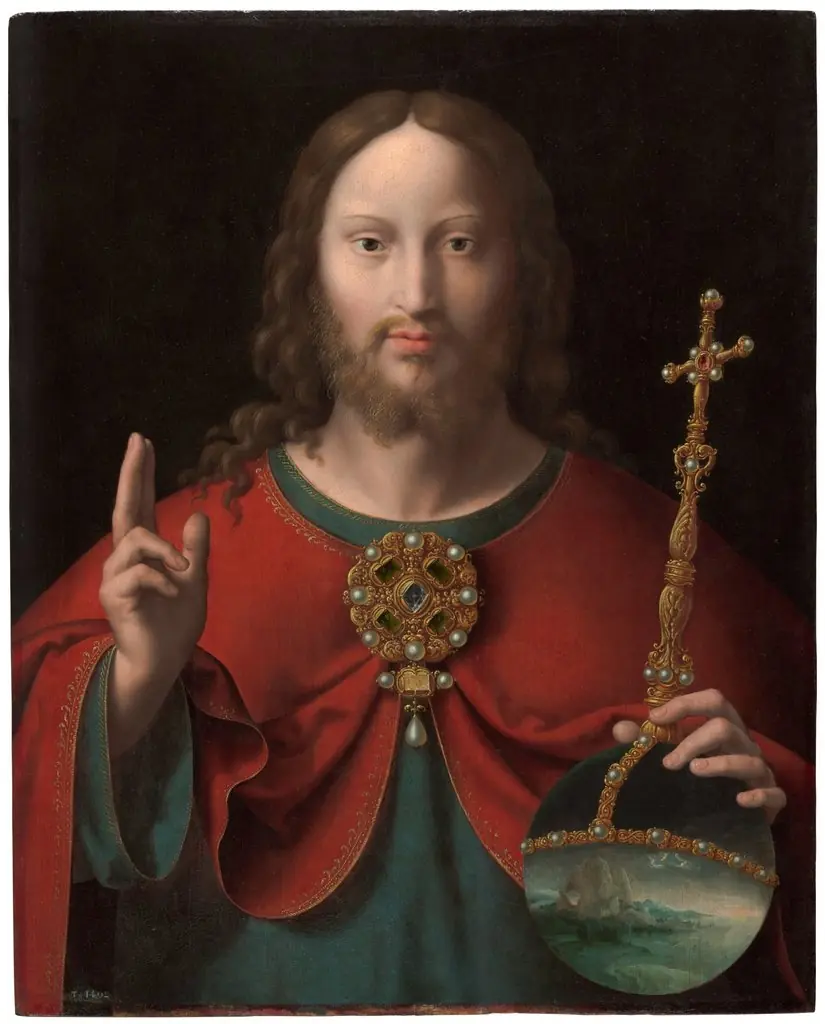
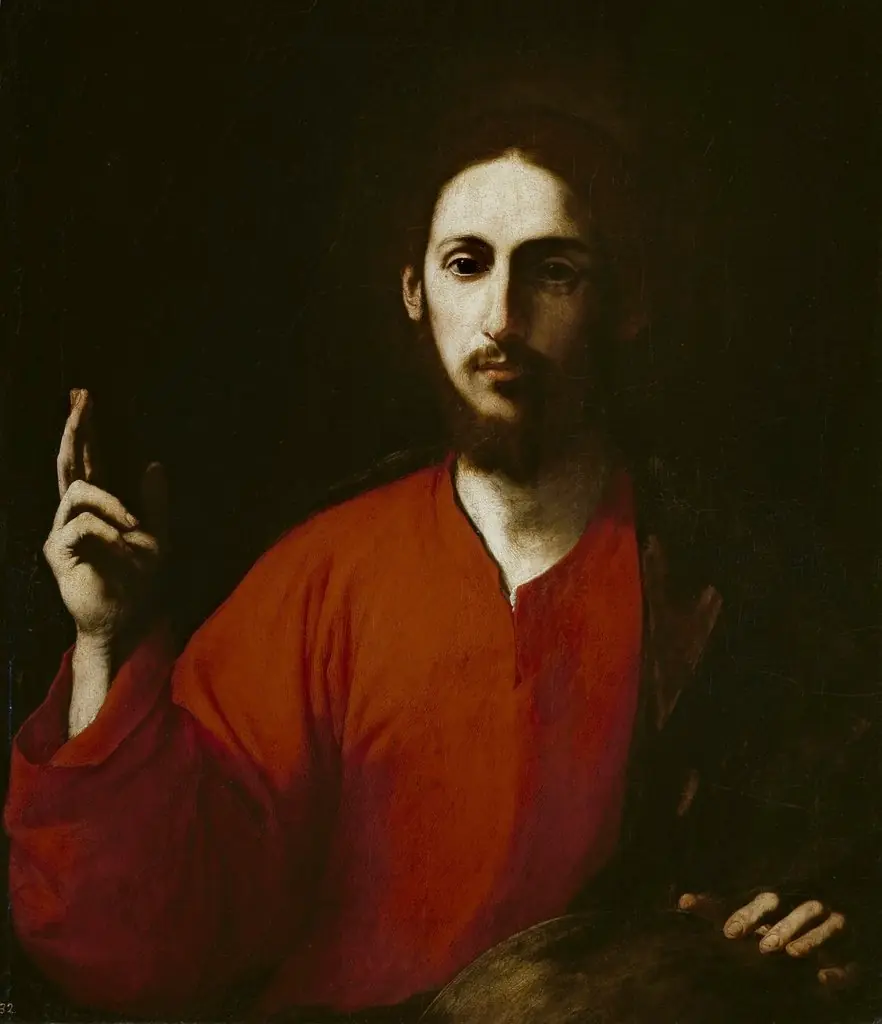
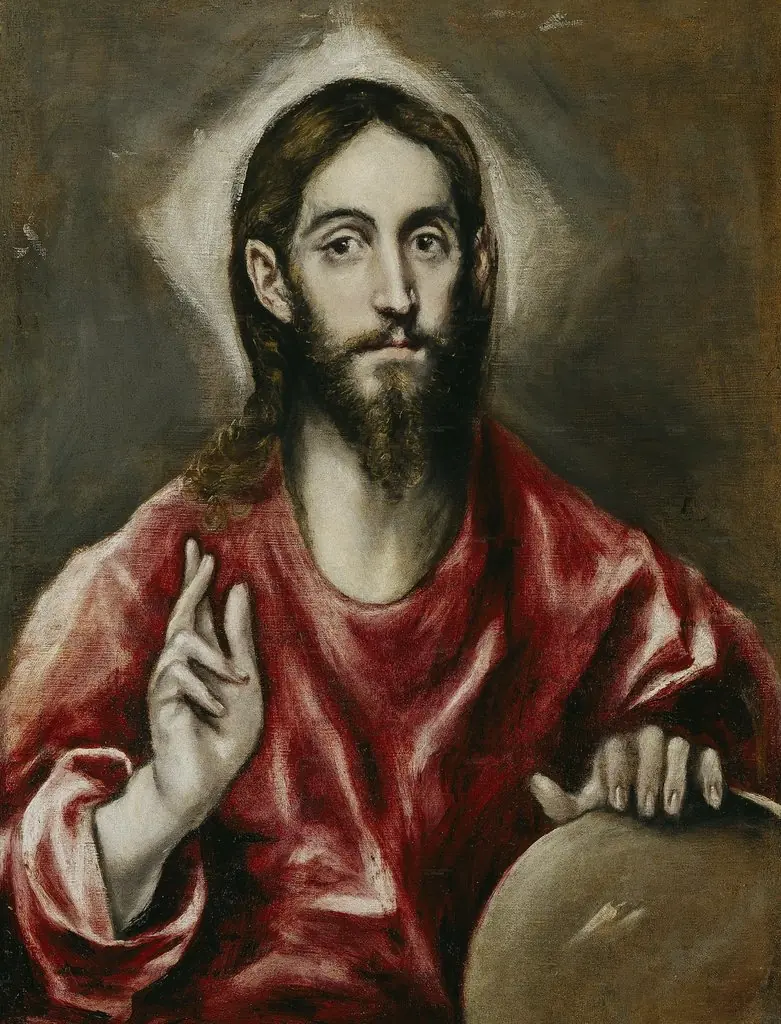
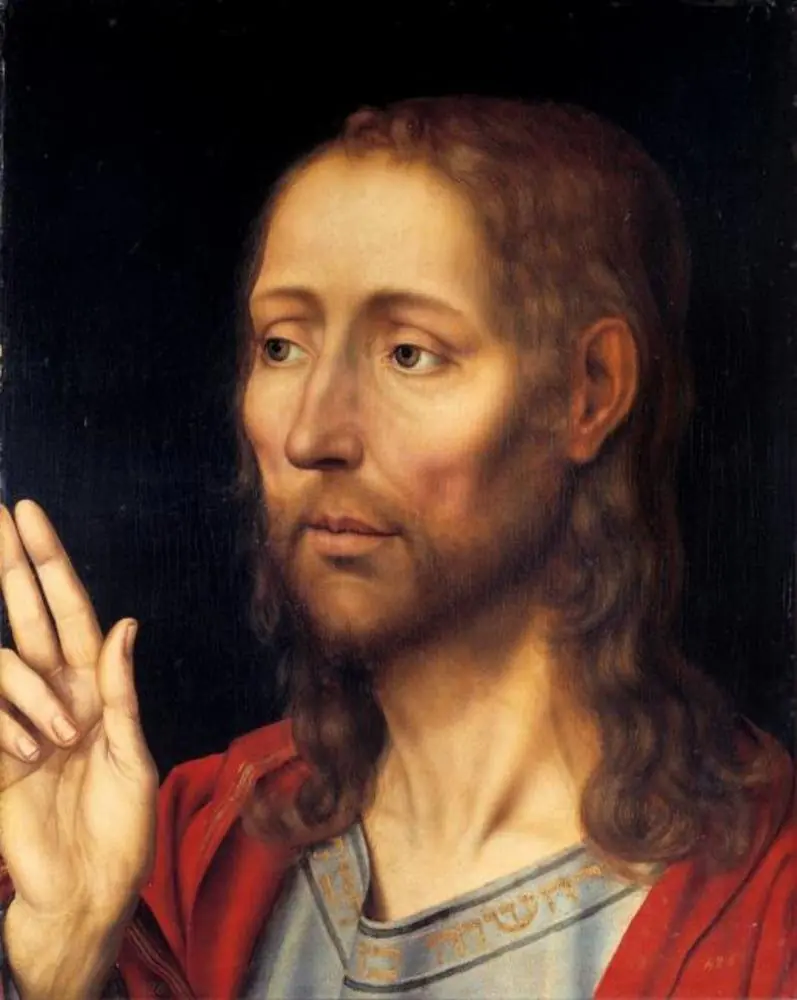
Christ the Saviour is an oil painting by the Mannerist artist Juan de Juanes. It dates from 1545 and is held in the collection of the Museo del Prado.
About this work
Overview
Created in 1545, *Christ the Saviour* is an oil painting by the Spanish artist Juan de Juanes, a leading figure of the Valencian school. The work exemplifies the Mannerist style that was spreading through Italy and Spain in the mid‑16th century. It is part of the permanent collection of the Museo del Prado in Madrid.
Subject & Meaning
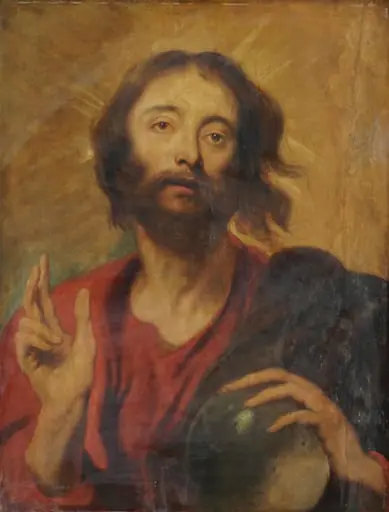
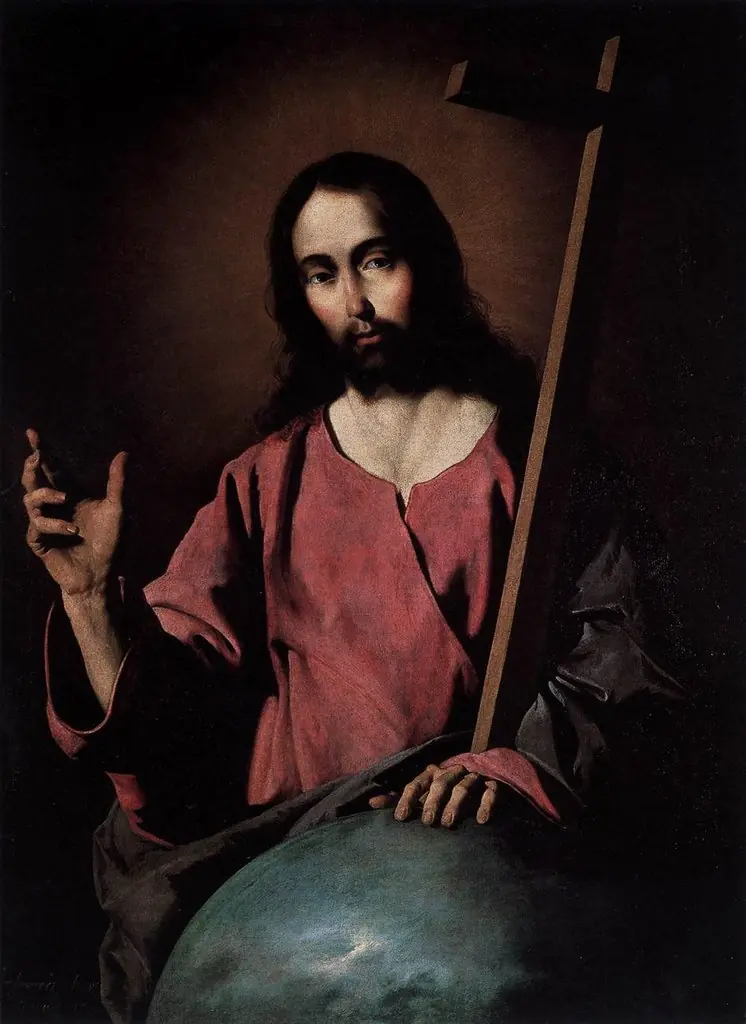
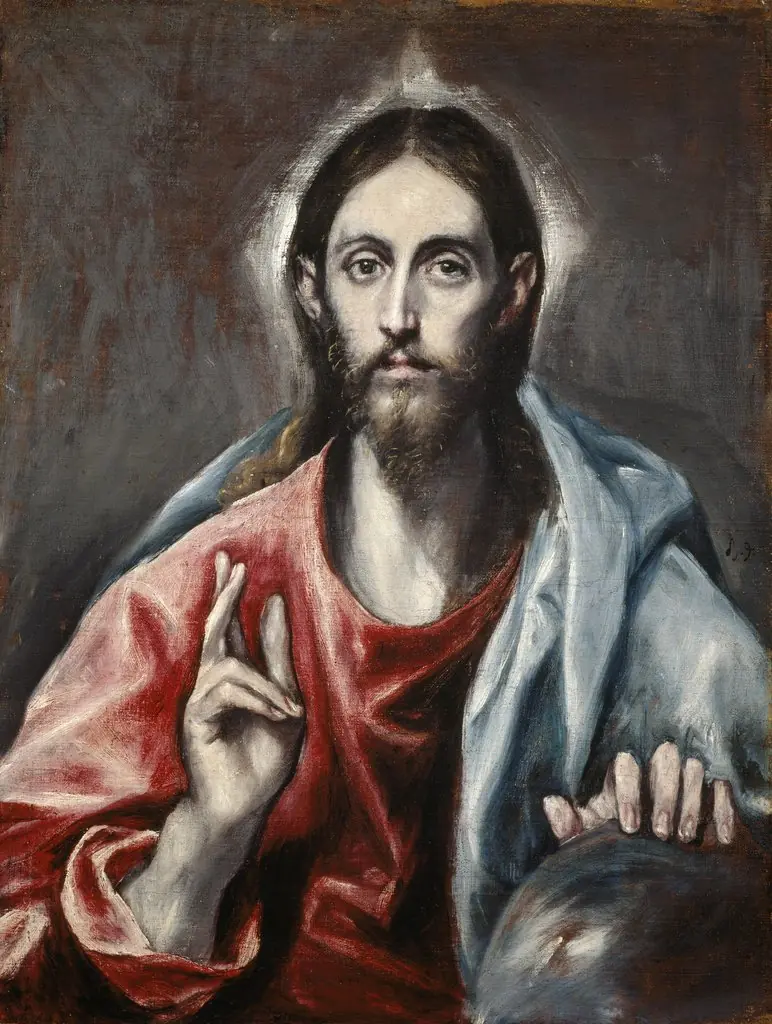
The composition presents a bearded Christ, crowned with a luminous halo, holding a white circular disc in one hand and a small golden chalice in the other. The disc alludes to the sacramental bread, while the chalice references the wine of the Eucharist, together underscoring the figure’s role as the spiritual savior.
Technique & Style
Juanes employs a restrained palette dominated by deep reds and muted grays, allowing the figure’s face to emerge from soft chiaroscuro modeling. The halo and surrounding golden pattern are rendered with delicate highlights that suggest a faint, radiant backdrop, enhancing the devotional atmosphere.
History & Provenance
Born Vicente Juan Masip in La Font de la Figuera, the artist signed his works as Juan de Juanes, a name under which he achieved regional fame. *Christ the Saviour* entered the Prado’s holdings through the museum’s 19th‑century acquisitions of Valencian masterpieces, where it remains on display.
Own this work as a print
Artist & collection
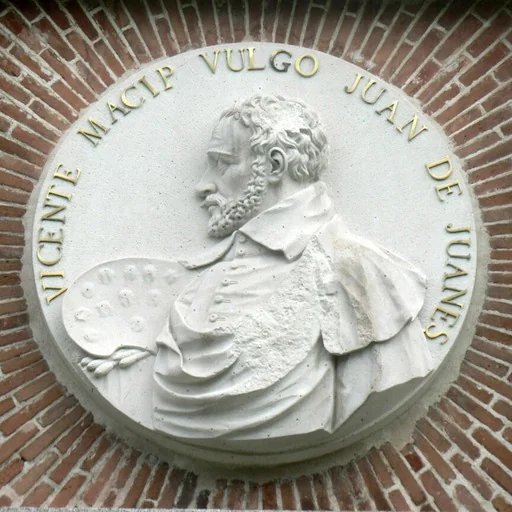
Artist
Vicente Juan Masip (also known as Joan de Joanes) (1507 – 1579) was a Spanish painter of the Renaissance period.