Artwork
Holy Face of Jesus
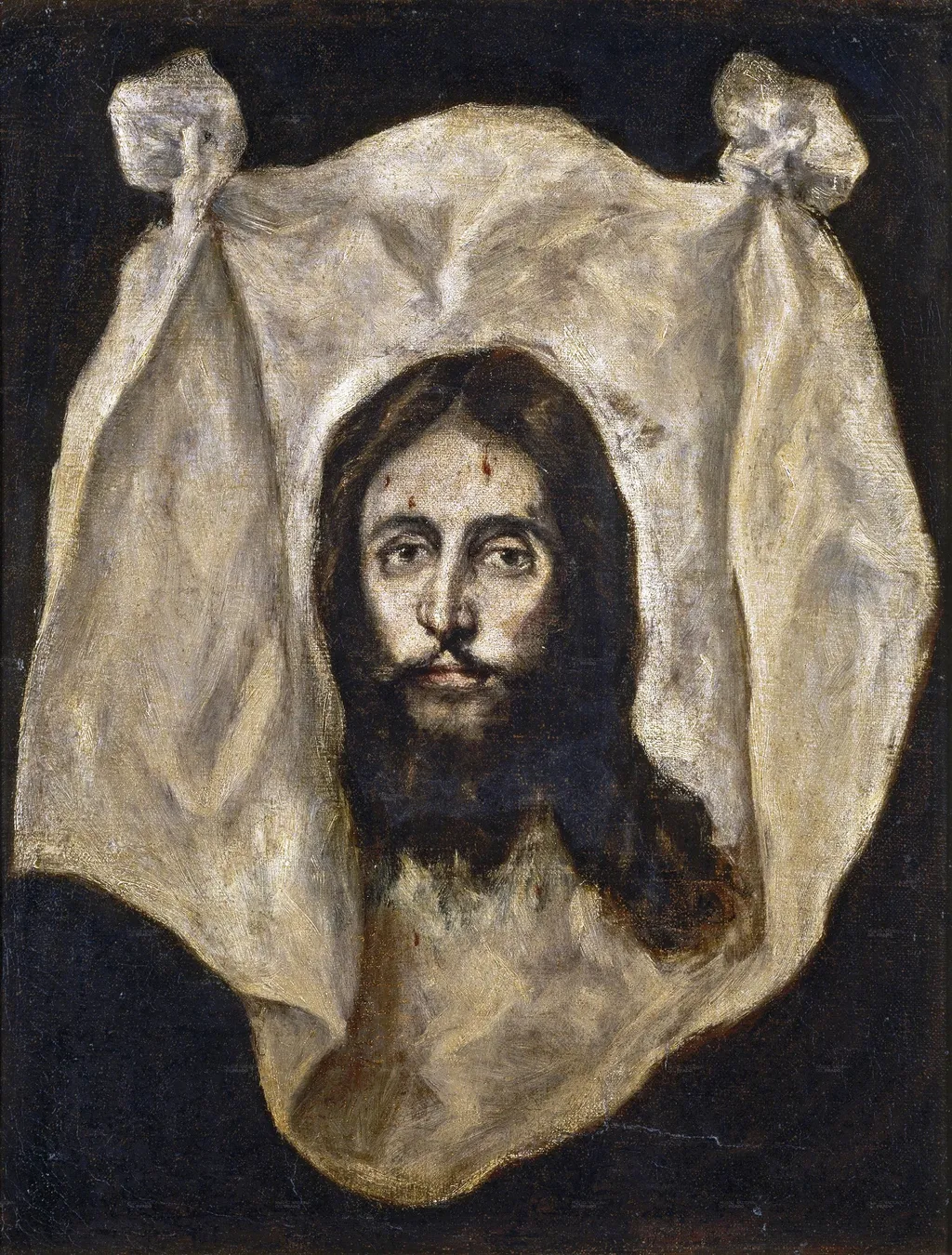
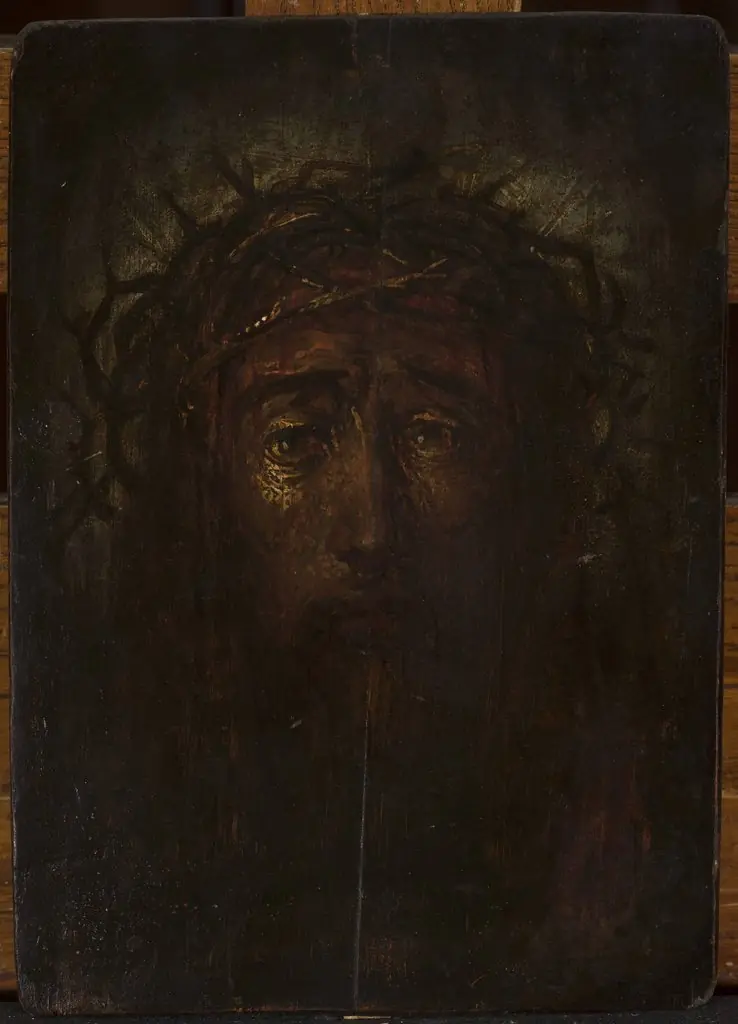
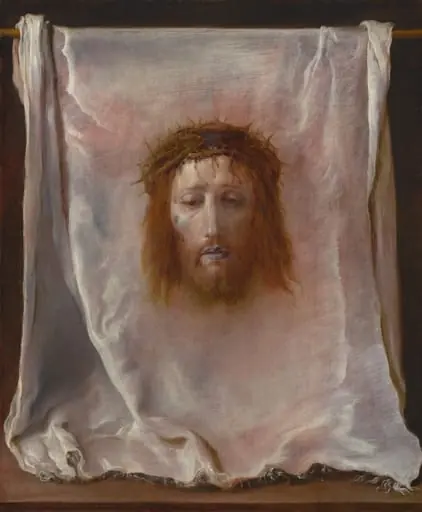
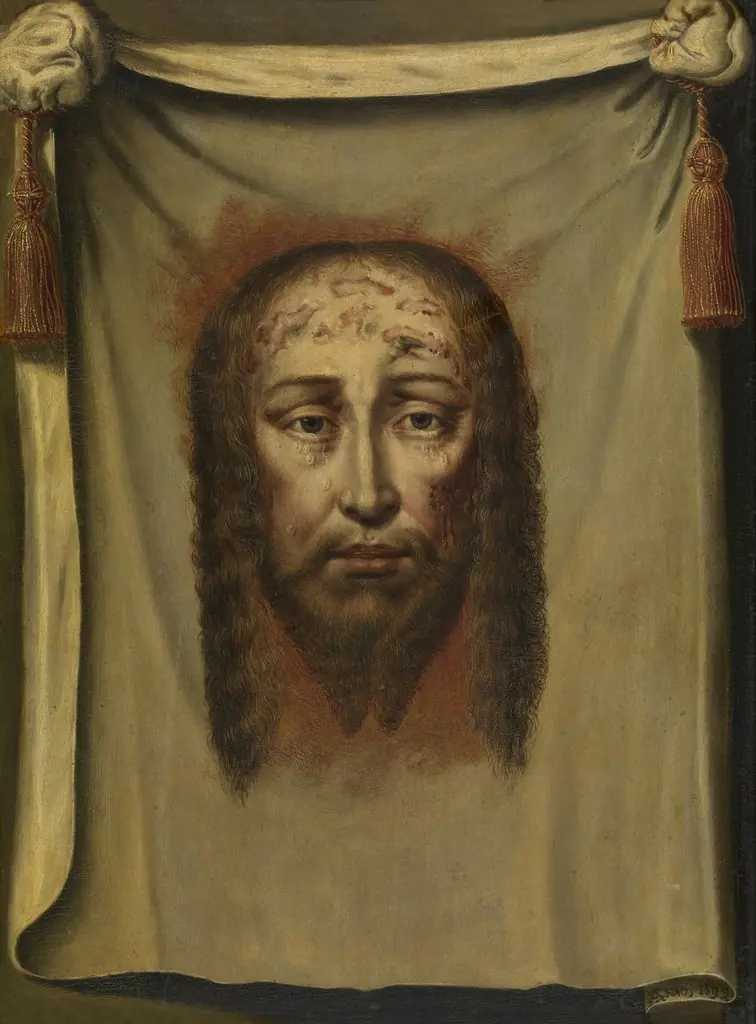
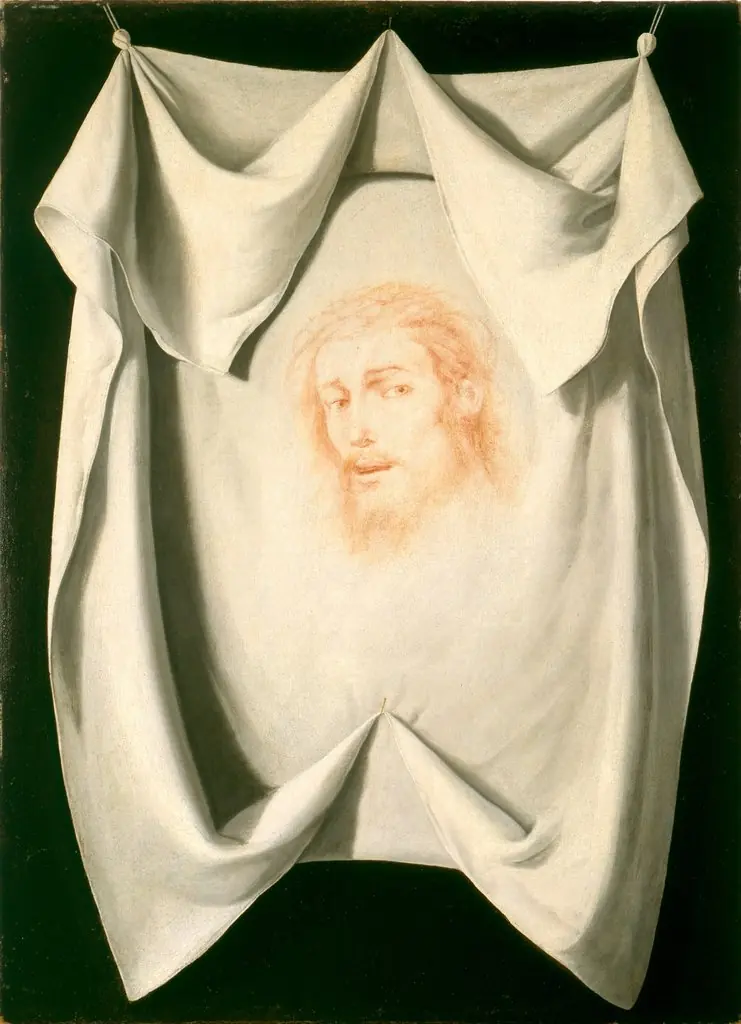
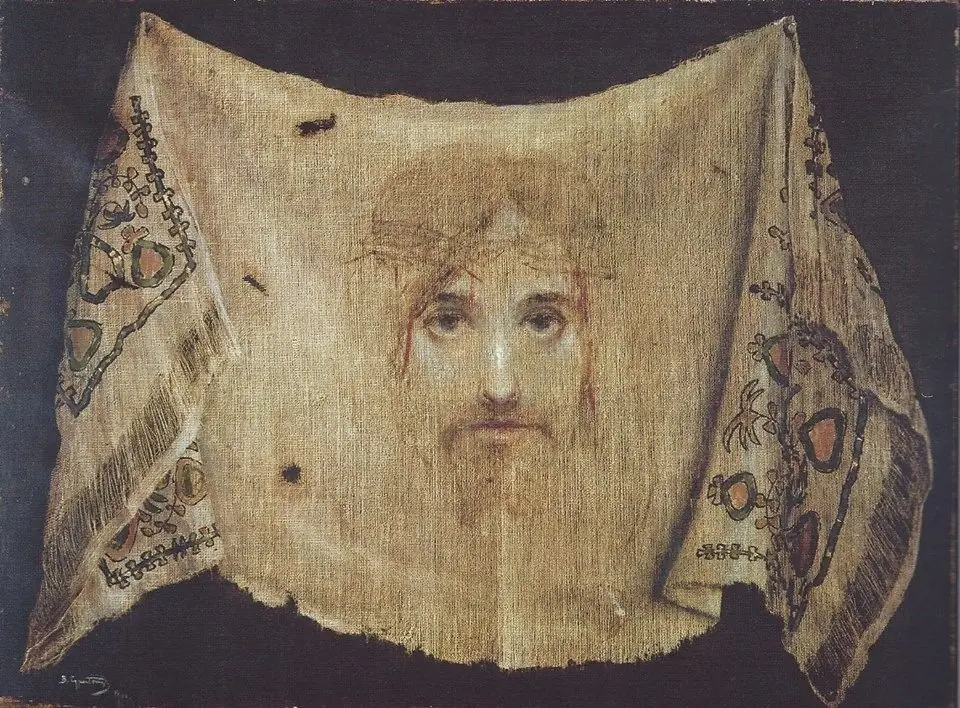
Holy Face of Jesus is an oil painting by the Mannerist artist El Greco. It dates from 1594 and is held in the collection of the Museo del Prado.
About this work
This painting shows the face of Jesus on a cloth. El Greco made it in oil paint between 1586 and 1595. It now lives at the Museo del Prado in Madrid.
The museum bought it in 1944 with money left by the conde de Cartagena. It’s one of the few El Grecos in Spain that stays on public view.
If this sparks your interest, look up El Greco next.
Overview
Painted between 1586 and 1595, this oil-on-canvas work by El Greco depicts the Holy Face of Jesus imprinted on a cloth.
Painted between 1586 and 1595, this oil-on-canvas work by El Greco depicts the Holy Face of Jesus imprinted on a cloth. It reflects a devotional image rooted in medieval legend rather than biblical text. The painting entered the Museo del Prado’s collection in 1944, funded by a bequest from the conde de Cartagena. Among El Greco’s surviving works in Spain, it remains one of the few consistently displayed in public view.
Subject & Meaning
The image portrays Christ’s face on a cloth, referencing the apocryphal story of a woman who offered her veil to wipe his brow during the Passion. Though not found in scripture, the legend evolved from the Latin phrase vera icona, meaning 'true image,' possibly conflated with the name Veronica. The painting serves as a focus for contemplation, emphasizing divine presence through a sacred relic rather than narrative action.
Technique & Style
El Greco rendered the face with elongated features and a luminous pallor, characteristic of his mature style. The background is dark and void-like, isolating the face in spiritual intensity. Brushwork is fluid yet precise, with subtle gradations of tone to suggest translucency in the cloth and ethereal glow around the countenance. The composition avoids ornamentation, directing all attention to the solemn visage.
History & Provenance
The painting remained in private hands until the mid-20th century, when it was acquired by the Museo del Prado using funds from the estate of the conde de Cartagena. Its provenance before the 19th century is unclear, but its subject matter suggests it was likely commissioned for private devotion. The museum’s acquisition ensured its preservation and public accessibility in Spain.
Context
During the late 16th century, devotional images of the Holy Face were widespread in Catholic Europe, especially following the Counter-Reformation’s emphasis on tangible symbols of faith. El Greco’s version aligns with this trend but diverges through its emotional gravity and stylistic intensity, reflecting his unique synthesis of Byzantine iconography and Mannerist expression.
Legacy
This work stands as a rare example of El Greco’s religious portraiture preserved in Spain, where most of his major commissions were exported. Its continued display at the Prado underscores its role in shaping modern understanding of his spiritual vision. The painting contributes to ongoing scholarly discussion about the intersection of iconography, mysticism, and artistic innovation in post-Tridentine Spain.
Own this work as a print
Artist & collection
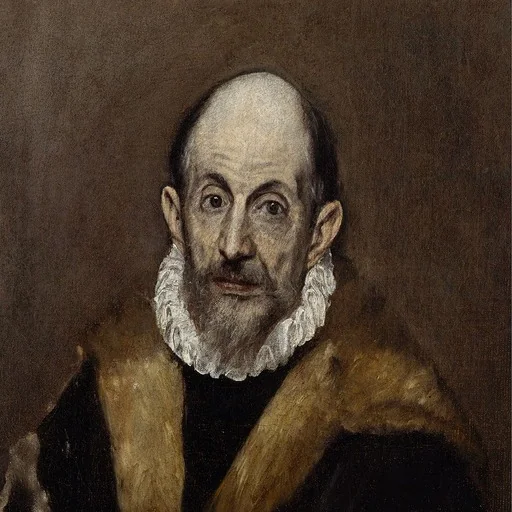
Artist
Doménikos Theotokópoulos was born in 1541 in Candia (modern Heraklion), the capital of Venetian-ruled Crete, where he was trained in the post-Byzantine tradition of icon painting.