Artwork
King Henry IV of England
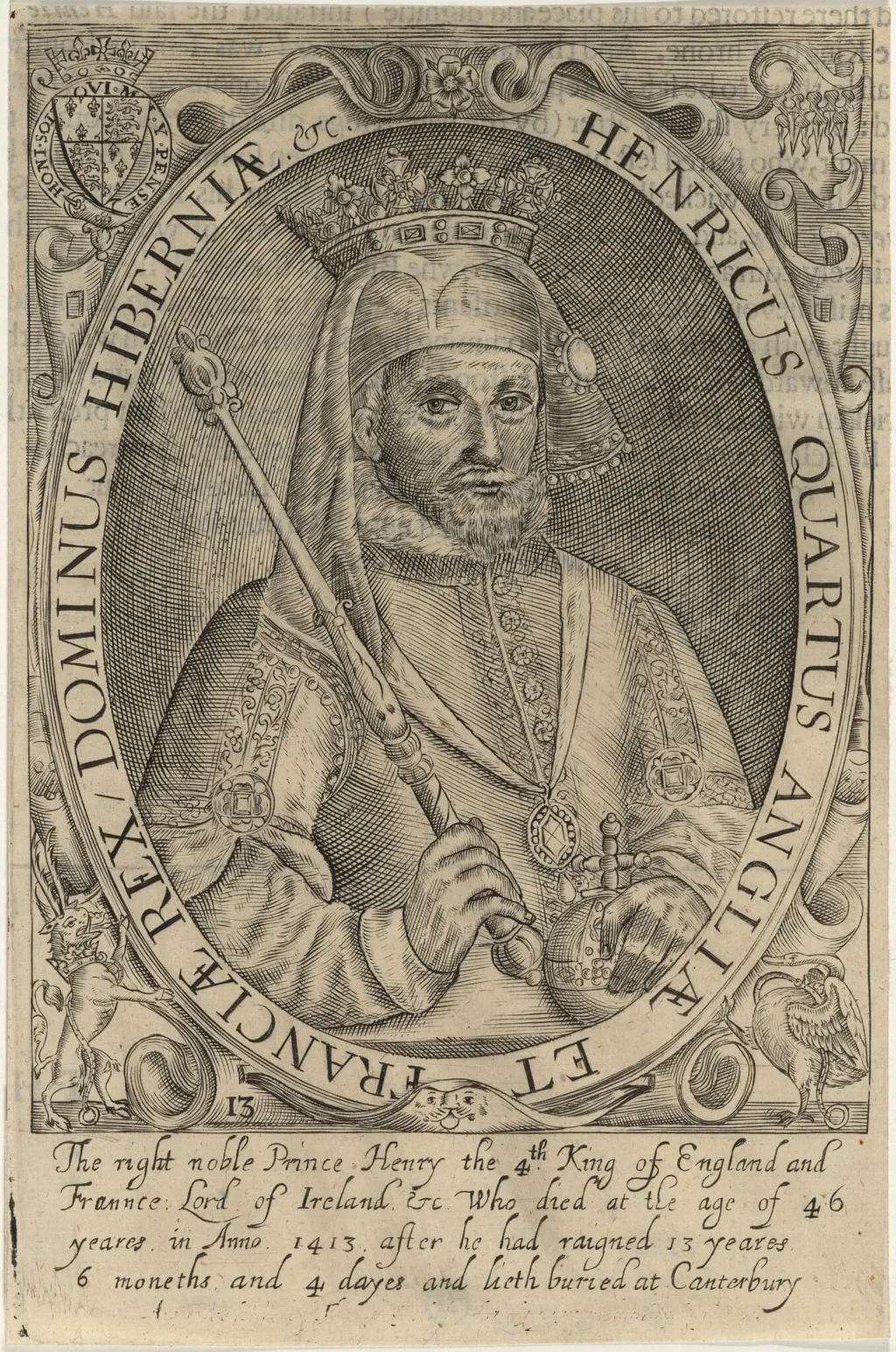
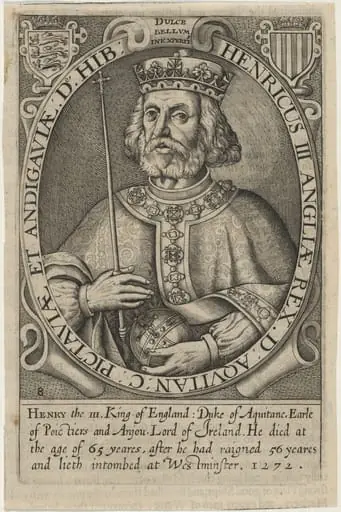
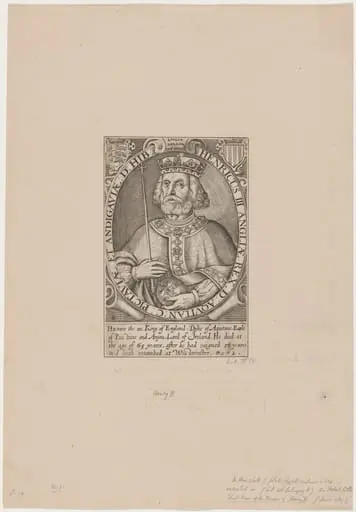
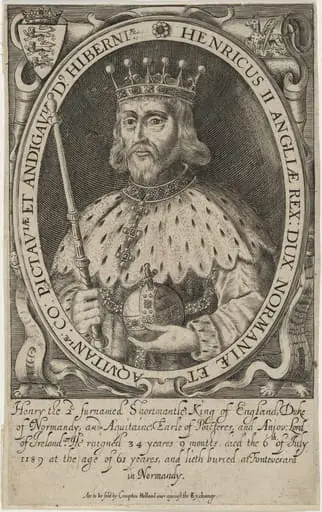
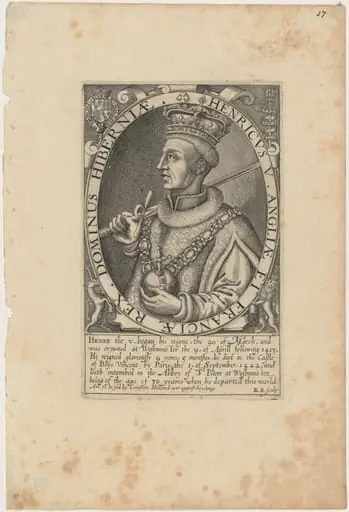
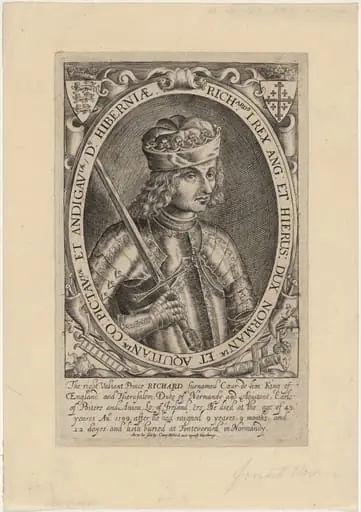
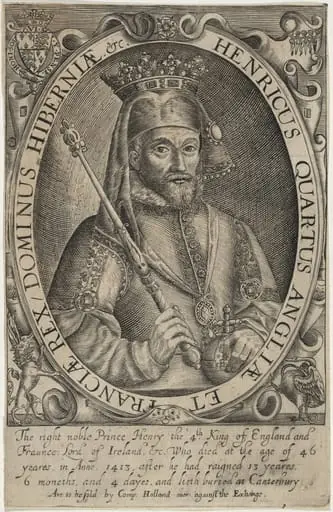
King Henry IV of England is an ink print by the Renaissance artist Renold Elstrack. It dates from 1598 and is held in the collection of the National Gallery of Art.
About this work
Overview
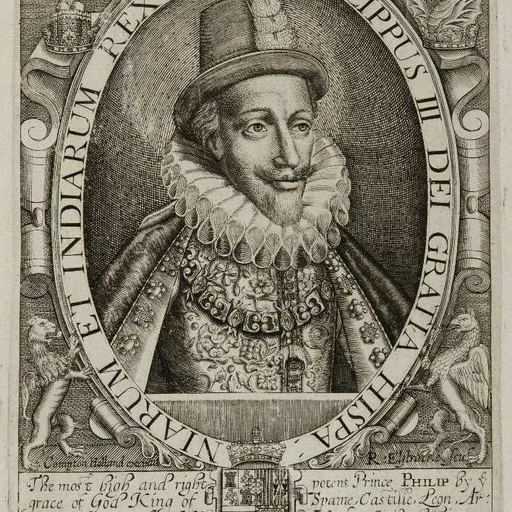
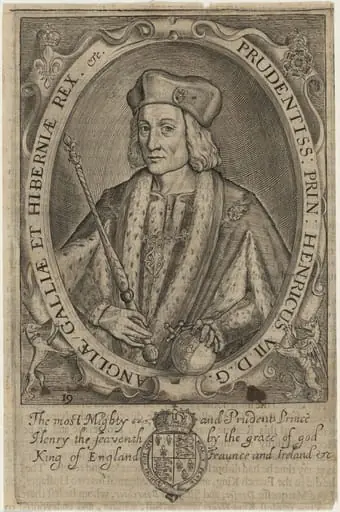
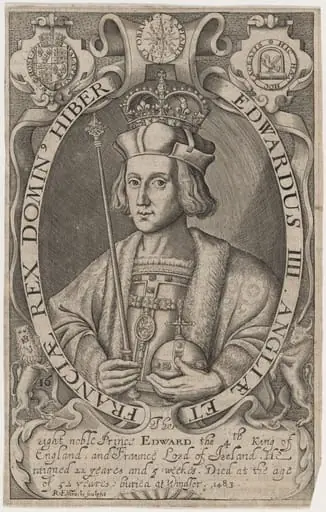
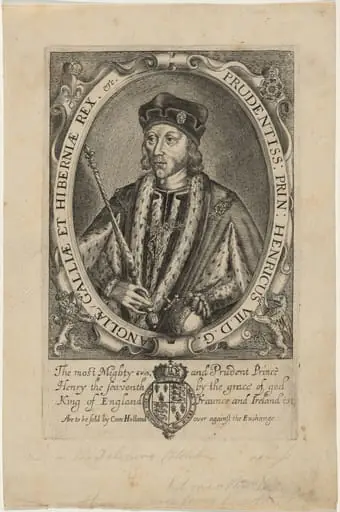
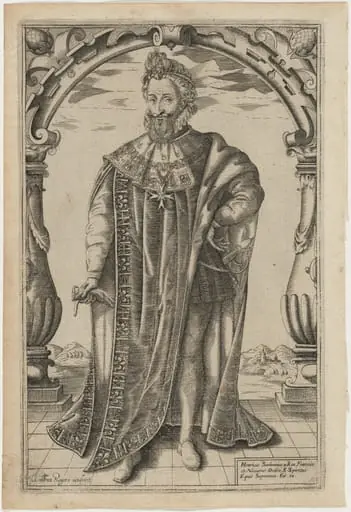
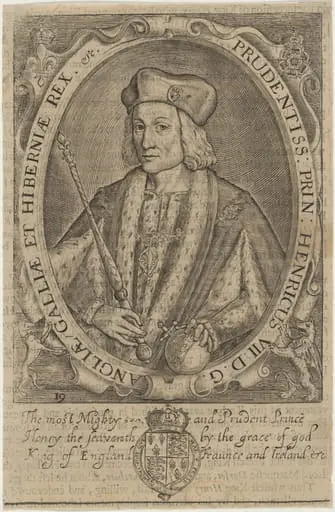
This engraving, produced by Renold Elstrack in 1598, depicts King Henry IV of England. Executed as a print, it belongs to a tradition of portraiture that used incised metal plates to transfer detailed images onto paper. The work reflects the early modern English interest in documenting royal figures through reproducible imagery, combining political representation with technical craftsmanship.
Subject & Meaning
The portrait presents Henry IV in formal regalia, his expression composed and solemn, aligning with contemporary expectations of royal authority. The emphasis on his attire and facial features conveys dignity and legitimacy, reinforcing his position as a monarch who had seized the throne. The image serves less as a likeness and more as a symbol of dynastic continuity amid political instability.
Technique & Style
Elstrack employed engraving, a method involving fine lines scratched into a copper plate with a burin. Each stroke was deliberate, requiring precision to control tone and texture. The resulting print captures intricate details in fabric, hair, and facial contours through controlled line weight and cross-hatching, characteristic of late 16th-century English printmaking.
History & Provenance
Created in 1598, the engraving emerged during the reign of Elizabeth I, a time when printed portraits of past monarchs were circulated to reinforce historical legitimacy. Elstrack, one of England’s first professional engravers, produced this work for a public audience. Its survival suggests it was valued enough to be preserved, though its early ownership remains undocumented.
Context
In late 16th-century England, engraved portraits of kings were used to visually anchor national identity and historical memory. With limited access to paintings, prints like this one reached broader audiences. Elstrack’s work participated in a growing market for printed images that blended historical reverence with emerging print culture, especially under Tudor patronage.
Legacy
Elstrack’s engraving of Henry IV stands as an early example of English printmaking’s role in shaping royal iconography. While not widely reproduced, it influenced later engravers in their approach to historical portraiture. The work remains a reference point for understanding how print technology helped define public perceptions of monarchy before the rise of photography.
Artist & collection