Artwork
Henry VI of England
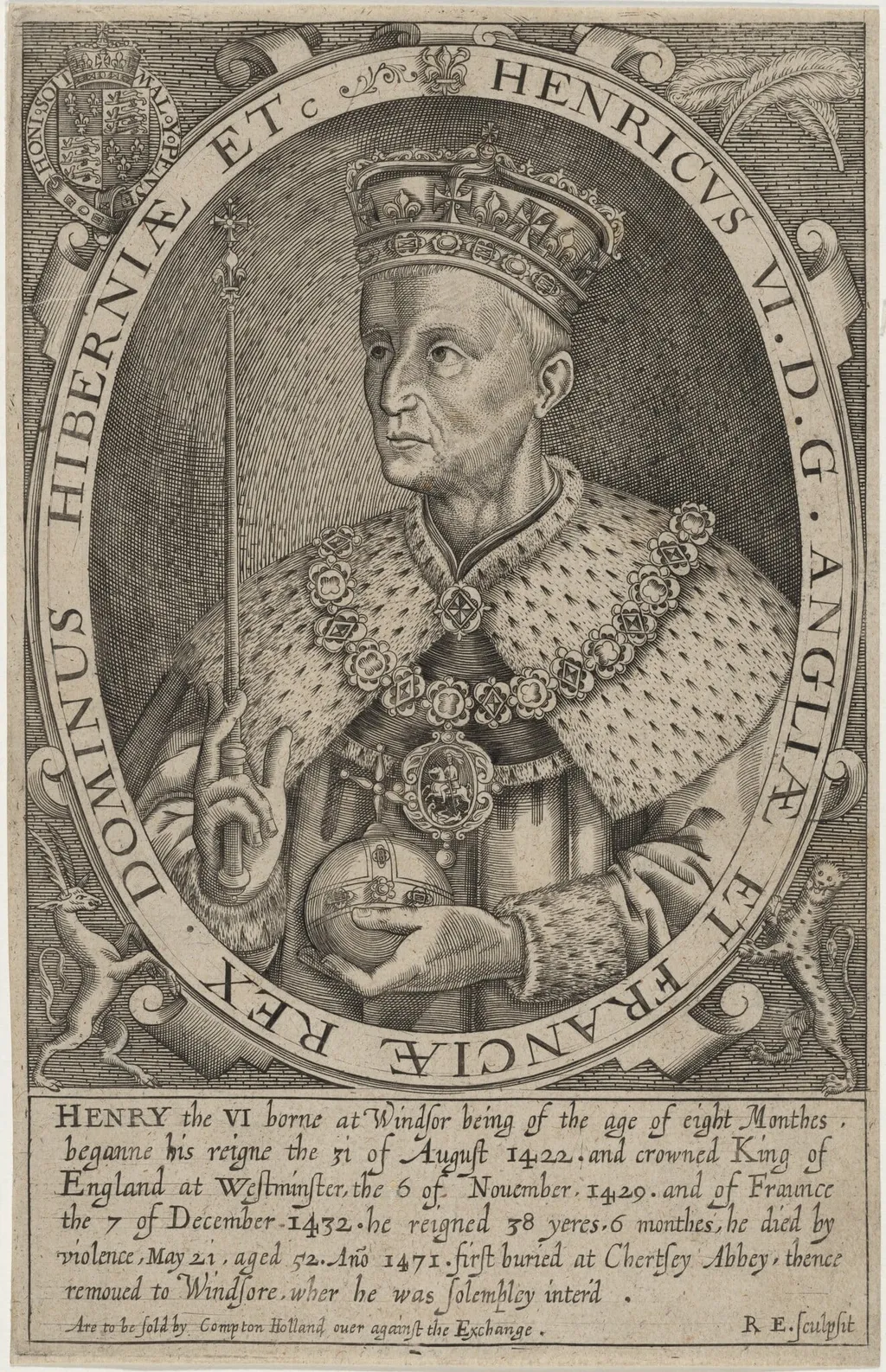
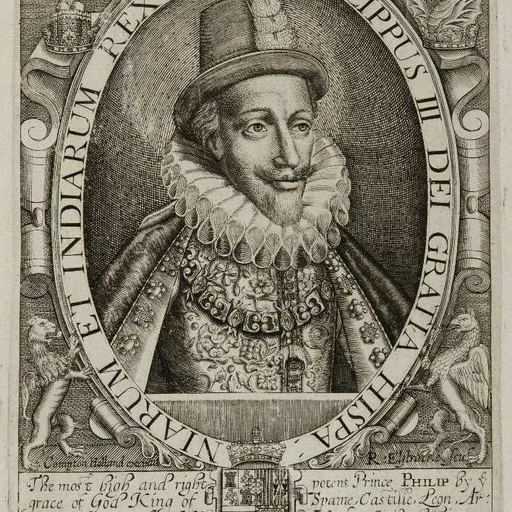
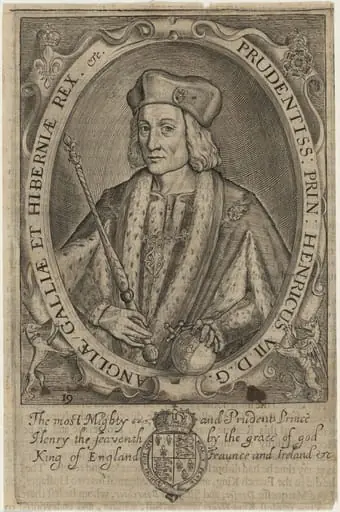
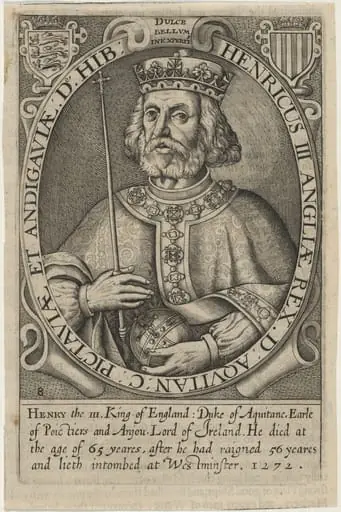
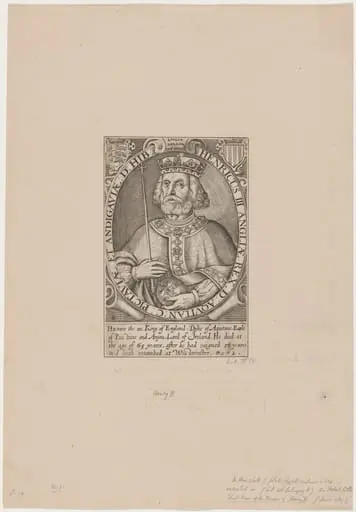
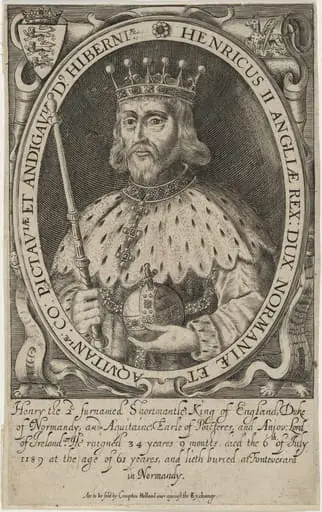
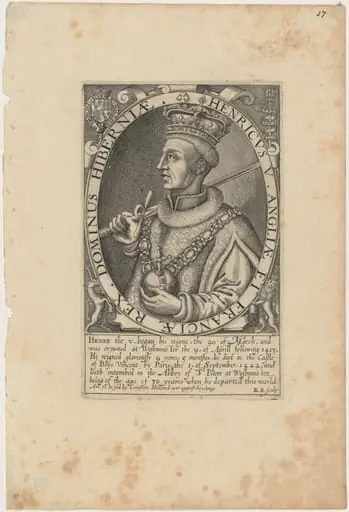
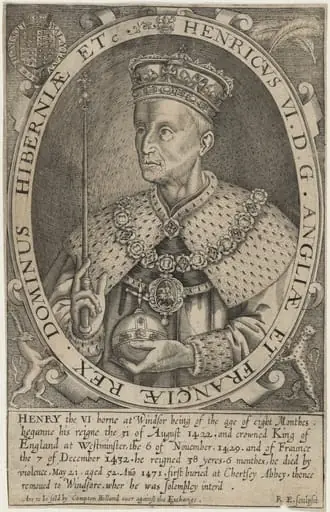
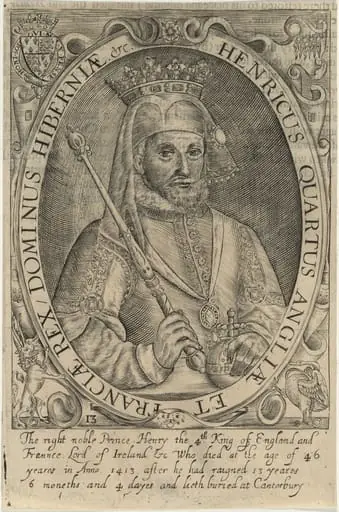
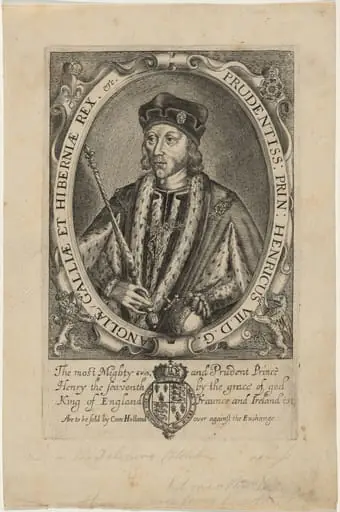
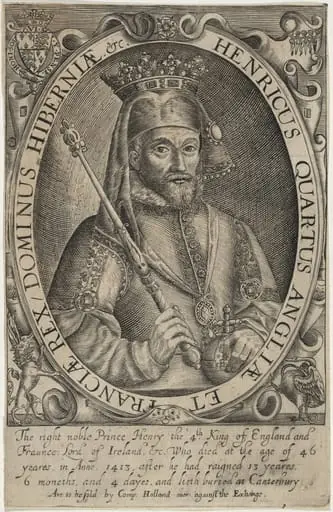
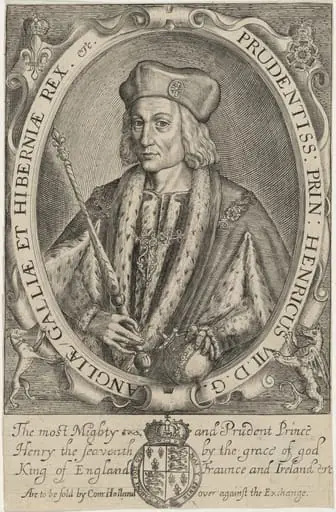
Henry VI of England is an ink print by the Renaissance artist Renold Elstrack. It dates from 1598 and is held in the collection of the National Gallery of Art.
About this work
Overview
Created in 1598 by Renold Elstrack, this engraving depicts Henry VI of England as a regal figure, rendered in fine linear detail.
Created in 1598 by Renold Elstrack, this engraving depicts Henry VI of England as a regal figure, rendered in fine linear detail. The work belongs to a tradition of royal portraiture in print, intended for dissemination among educated audiences. Its oval format and Latin inscription frame the monarch within a formal, ceremonial context, emphasizing legitimacy and continuity rather than individual likeness.
Subject & Meaning
Henry VI is portrayed in coronation regalia: a fur-trimmed robe, crown, scepter, and orb—symbols of divine right and temporal authority. His gaze, directed left, evokes solemnity rather than engagement, aligning with his historical reputation as a pious but ineffective ruler. The Latin inscription affirms his claimed sovereignty over England, France, and Ireland, reflecting Tudor-era assertions of dynastic legitimacy despite the loss of French territories.
Technique & Style
Elstrack employed meticulous cross-hatching to model volume and texture, particularly in the folds of the cloak and the metallic sheen of the crown. Subtle tonal gradations define facial contours and the orb’s surface, while fine lines delineate embroidery and fur. The precision suggests mastery of the burin, with no visible sketching beneath—indicating direct, confident engraving on a metal plate.
History & Provenance
The engraving was produced during the reign of Elizabeth I, nearly a century after Henry VI’s death. It likely served as a historical reference or decorative piece for households interested in royal lineage. No early ownership records are known, but its survival in institutional collections suggests it was valued for its craftsmanship and symbolic weight within Tudor antiquarian circles.
Context
In late 16th-century England, printed portraits of past monarchs were used to reinforce national identity and dynastic continuity. Elstrack, one of England’s first professional engravers, contributed to this trend by translating painted likenesses into accessible prints. This image reflects the Tudor fascination with legitimizing rule through visual history, even for figures whose reigns were marked by instability.
Legacy
Elstrack’s engraving remains one of the earliest standardized visual representations of Henry VI in print. Though not based on a contemporary portrait, it shaped later depictions in textbooks and historical collections. Its technical refinement influenced subsequent English engravers, establishing a model for royal imagery in print that endured into the 17th century.
Artist & collection