Artwork
Henry VII of England
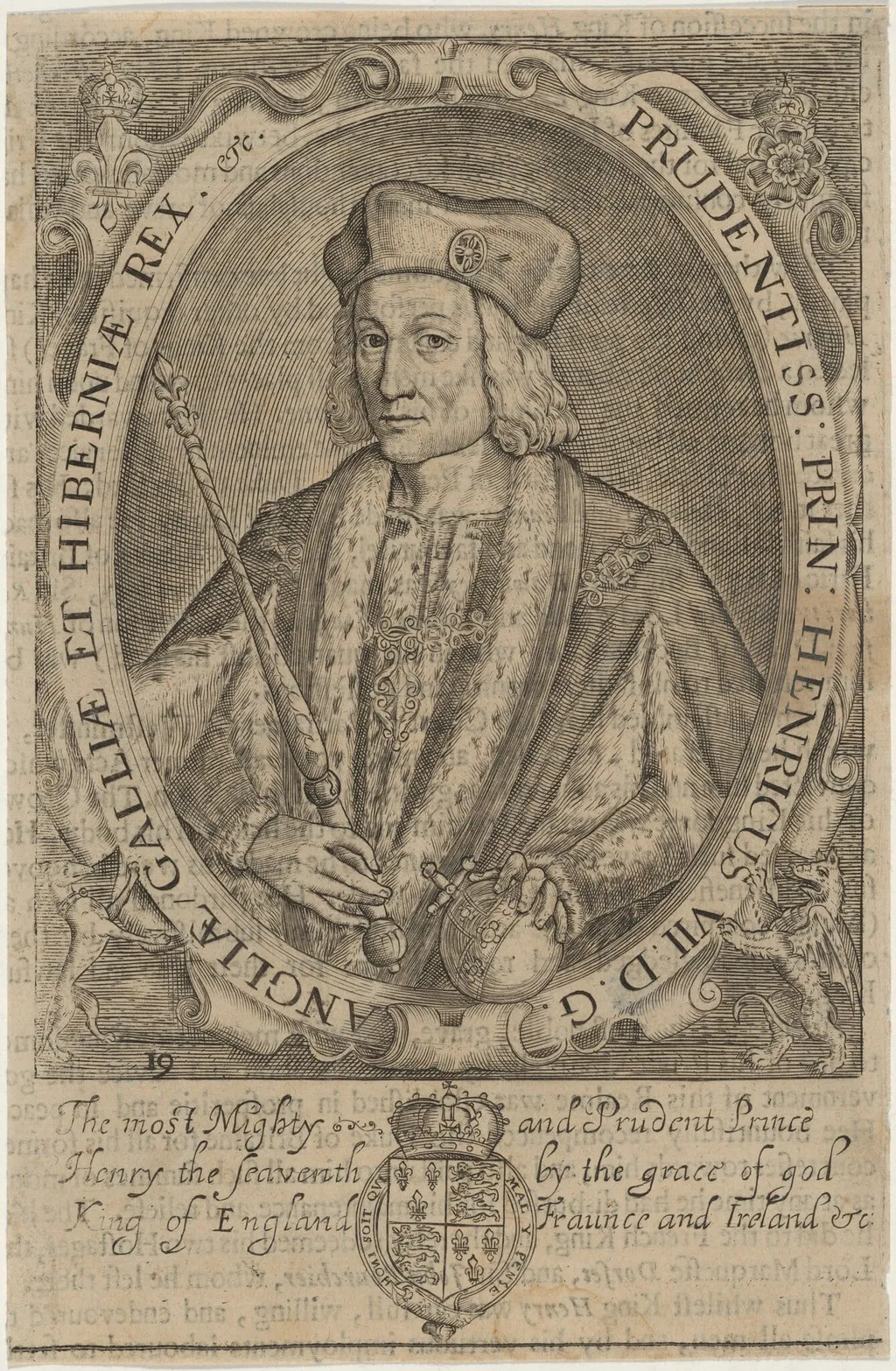
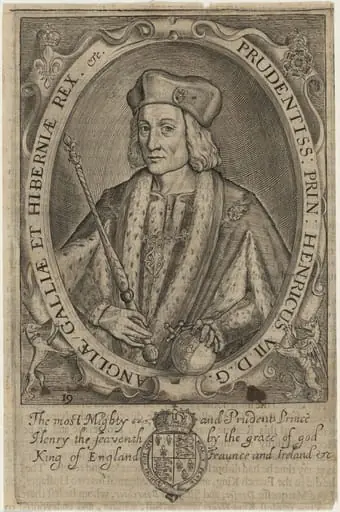
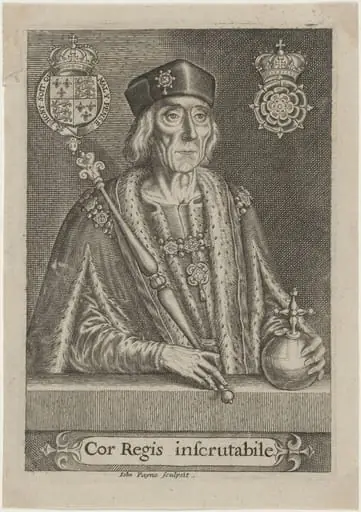
Henry VII of England is an ink print by the Baroque artist Renold Elstrack. It is held in the collection of the National Gallery of Art.
About this work
Overview
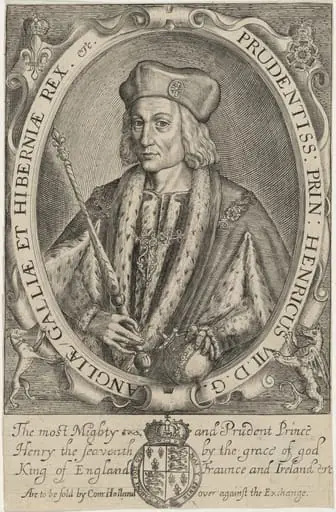
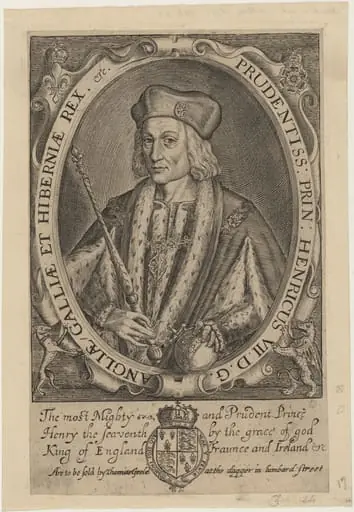
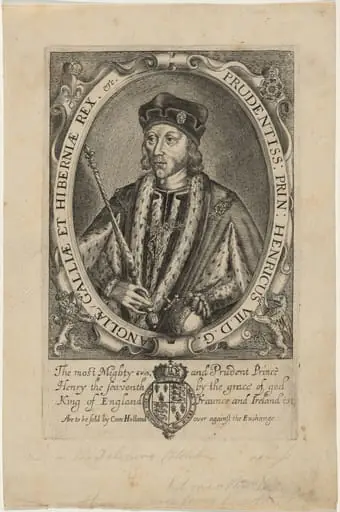
This 1638 engraving by Renold Elstrack depicts Henry VII of England in a formal portrait. The black-and-white print features the king within a decorative oval frame, adorned with inscriptions and a crest.
Subject & Meaning
The subject, Henry VII, is shown wearing regal attire, including a jeweled hat and chain, with clasped hands conveying a sense of dignity. Surrounding text and symbols, such as 'Hibernia' and 'Prudentiæ', along with a crest featuring a crown and lions, emphasize his royal status and attributes.
Technique & Style
The engraving showcases Elstrack's use of intaglio techniques, where tiny scratches on a metal plate create the image. The lines and details, achieved through this method, define the portrait's texture and visual appeal.
History & Provenance
Created in 1638, the engraving's provenance and historical context beyond its creation are not detailed in available information. It remains a representation of Henry VII from that time.
Context
The work reflects the 17th-century practice of portraying monarchs in formal, symbolic settings. The inclusion of 'Hibernia' suggests acknowledgment of Henry VII's claims to Ireland.
Legacy
As a historical portrait, the engraving serves as a visual record of Henry VII's perceived image during the 17th century, contributing to the collective representation of English monarchs in art.
Artist & collection