Artwork
Marc Antonis De Dominis
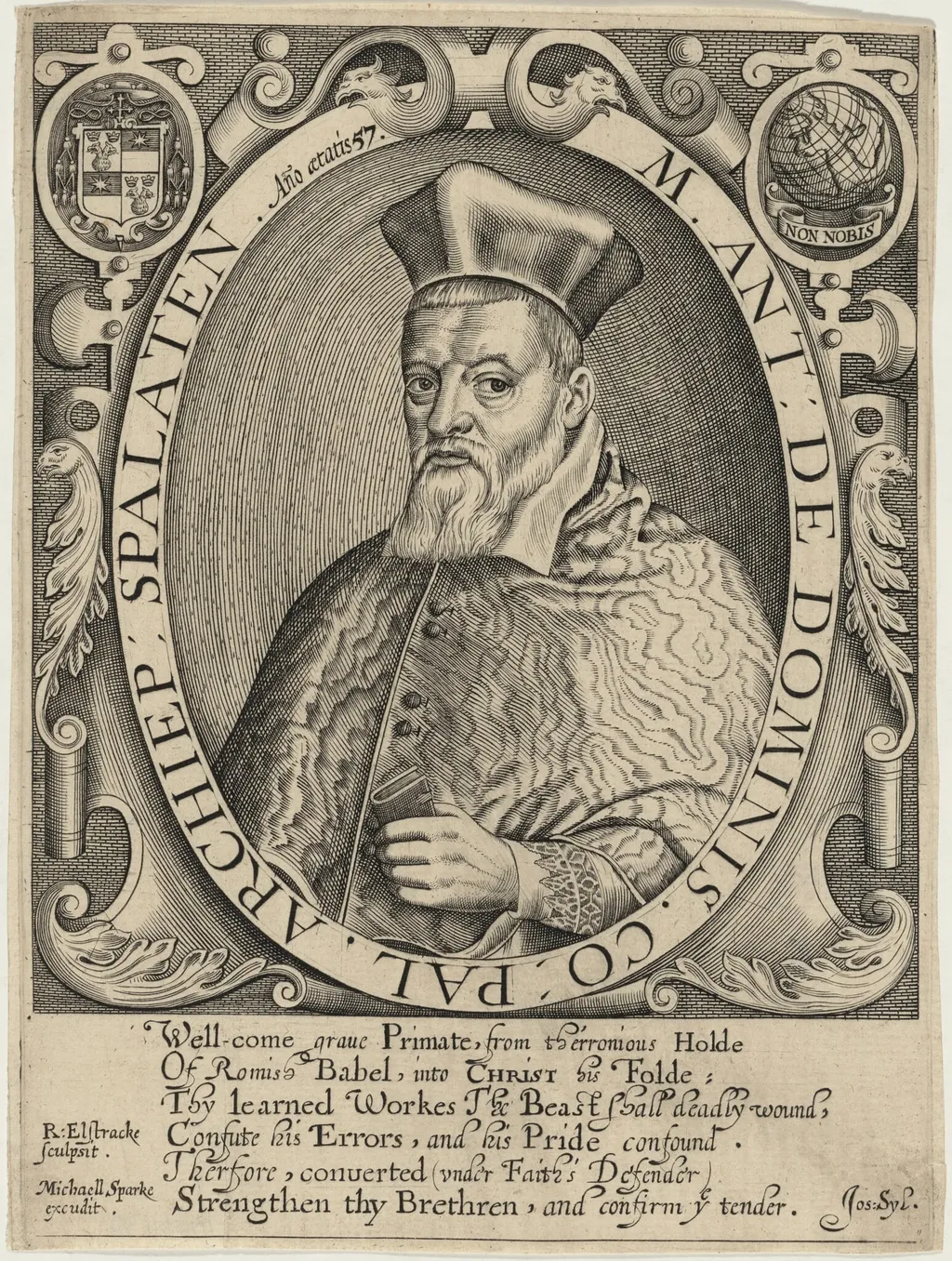
Marc Antonis De Dominis is an ink print by the Renaissance artist Renold Elstrack. It dates from 1598 and is held in the collection of the National Gallery of Art.
About this work
Overview
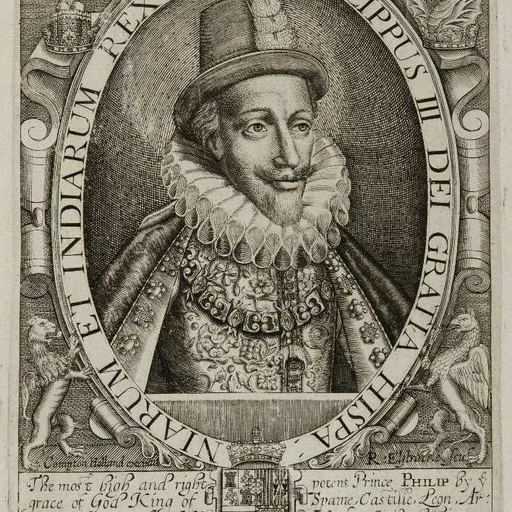
The composition is framed by ornamental borders containing Latin inscriptions and heraldic shields, emphasizing his status.
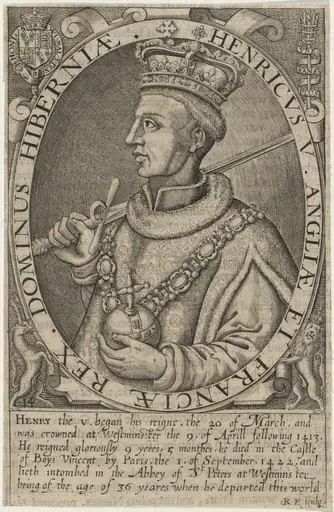
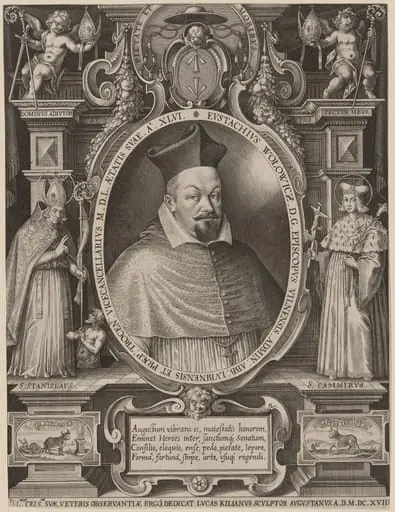
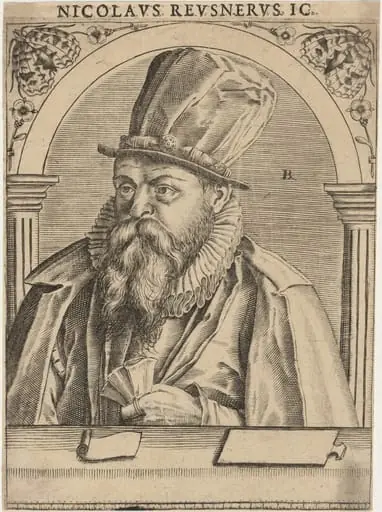
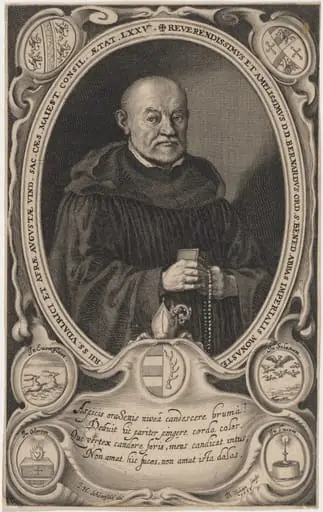
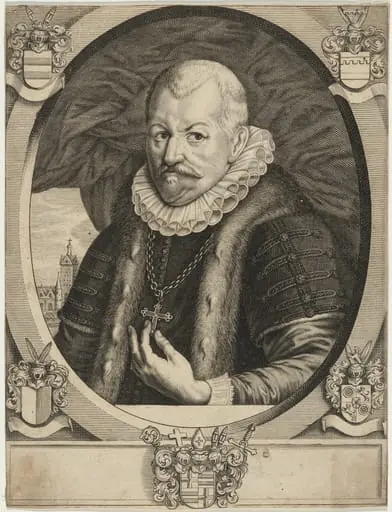
This 1598 engraving by Renold Elstrack depicts Marc Antonis De Dominis, a Croatian ecclesiastical figure. Rendered in monochrome, the portrait presents him in formal attire, seated before a plain background. The composition is framed by ornamental borders containing Latin inscriptions and heraldic shields, emphasizing his status. The artist’s signature, 'R. Elstracke,' appears at the base, confirming authorship and date.
Subject & Meaning
Marc Antonis De Dominis, a bishop and theologian, is portrayed as a learned authority. His hands rest on a text, signaling scholarly engagement. The banner above his head bears honorific Latin phrases, while the poem beneath lauds him as a 'grave Primate,' affirming his ecclesiastical rank. The shields likely represent familial or institutional affiliations, reinforcing his social and religious standing.
Technique & Style
Executed in intaglio engraving, the image relies on fine incised lines on a metal plate to produce tonal variation. Delicate hatching defines the folds of the robe and the texture of the beard, while the decorative borders feature intricate scrollwork and textual elements. The style is precise and restrained, typical of late 16th-century English portraiture, prioritizing clarity over emotional expression.
History & Provenance
Created in 1598, the print was likely commissioned to commemorate De Dominis’s ecclesiastical role during a period of religious flux in Europe. It circulated among scholarly and clerical circles, serving as both tribute and propaganda. The engraving’s survival suggests it was valued for its documentation of a controversial religious figure who later shifted allegiances between Catholicism and Protestantism.
Context
In late 16th-century England, portraiture in print was used to affirm religious and political authority. Elstrack, one of the first English engravers to specialize in portraiture, worked within a tradition that linked visual representation with textual praise. De Dominis’s image reflects the era’s use of printed media to shape public perception of religious leaders amid Reformation tensions.
Legacy
The engraving remains a rare visual record of De Dominis, whose later theological writings drew controversy. As an early example of English portrait engraving, it illustrates the medium’s role in disseminating the likenesses of religious figures before photography. Its textual and heraldic elements exemplify how print culture fused image, language, and symbolism to convey status and ideology.
Artist & collection