Artwork
Rafael de Vargas y de Oviedo
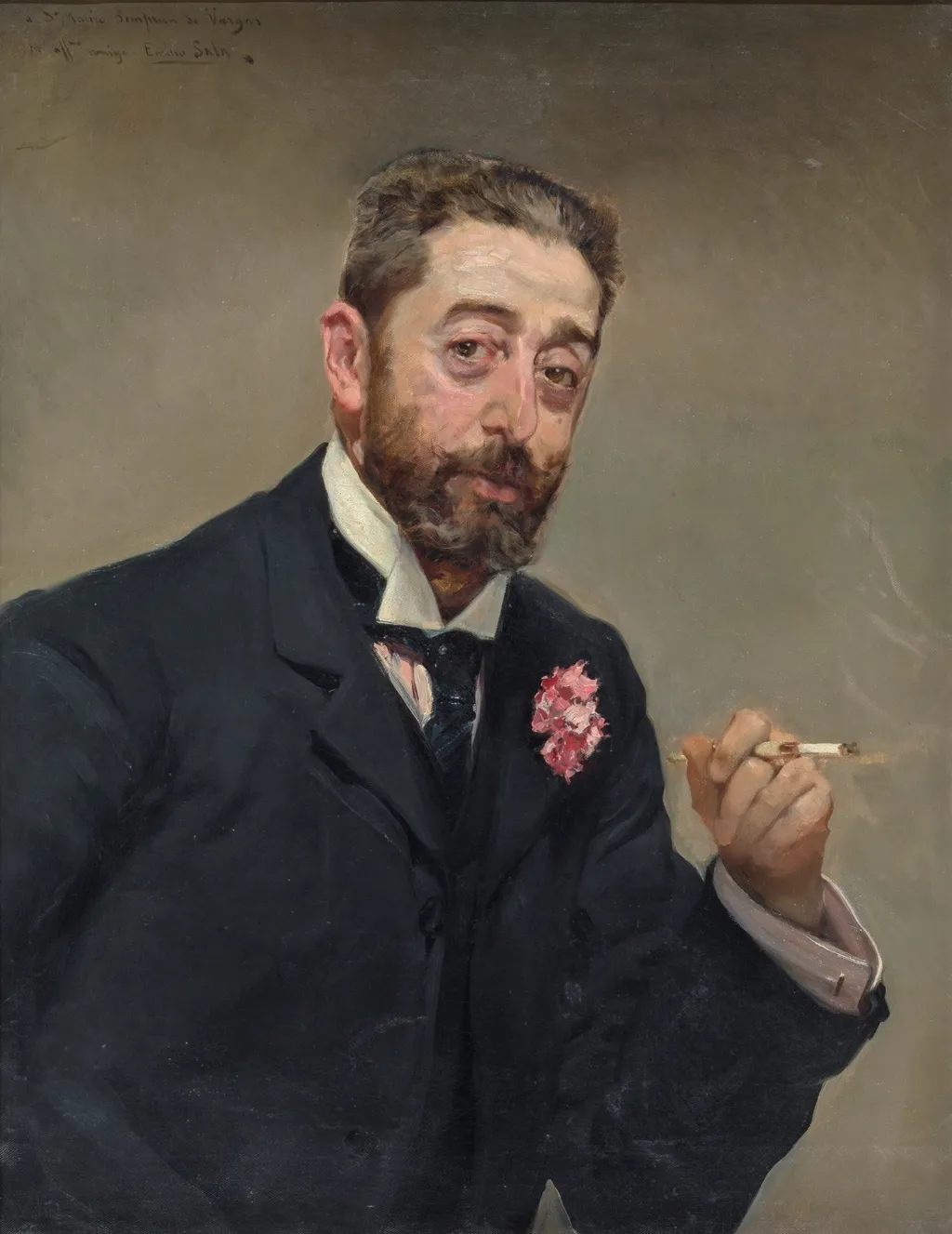
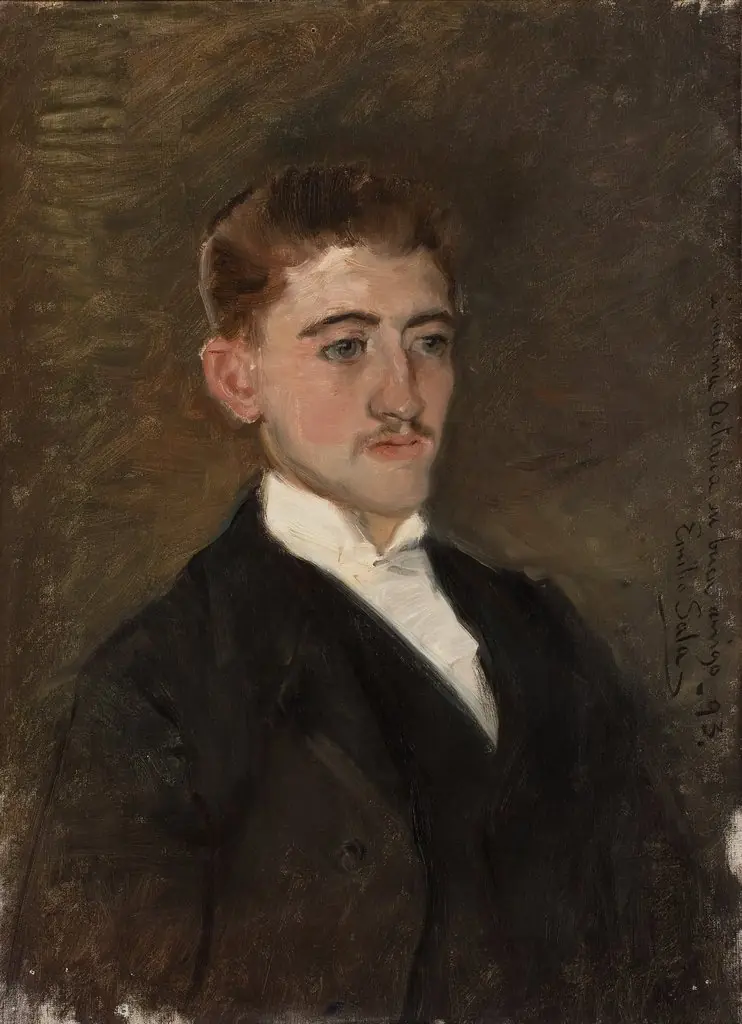
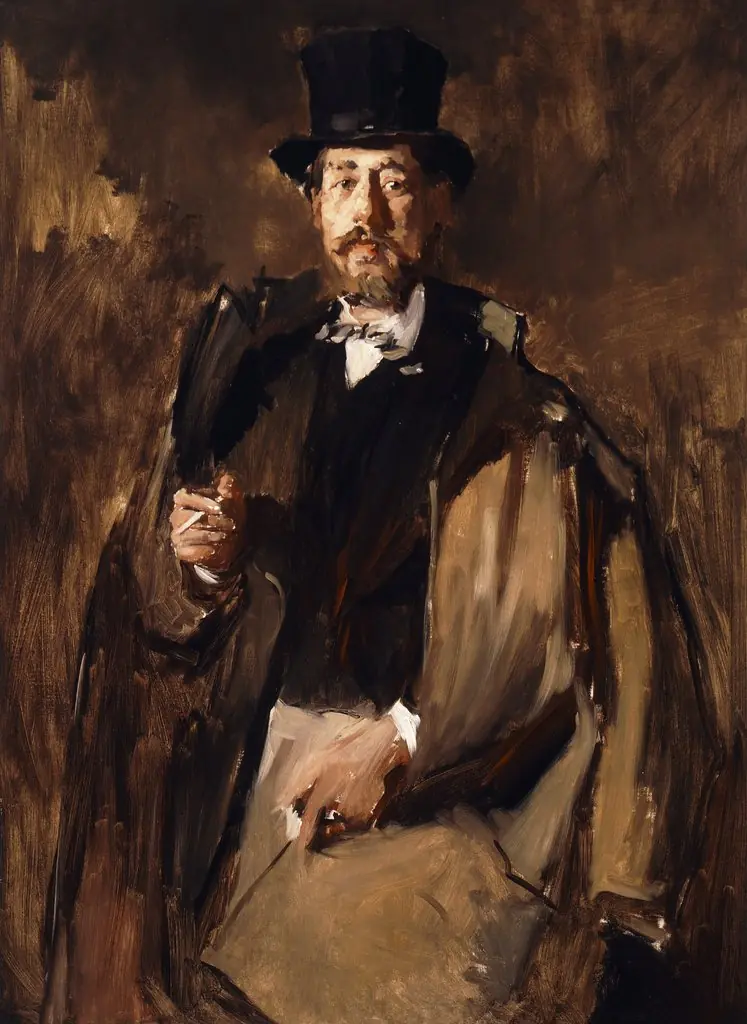
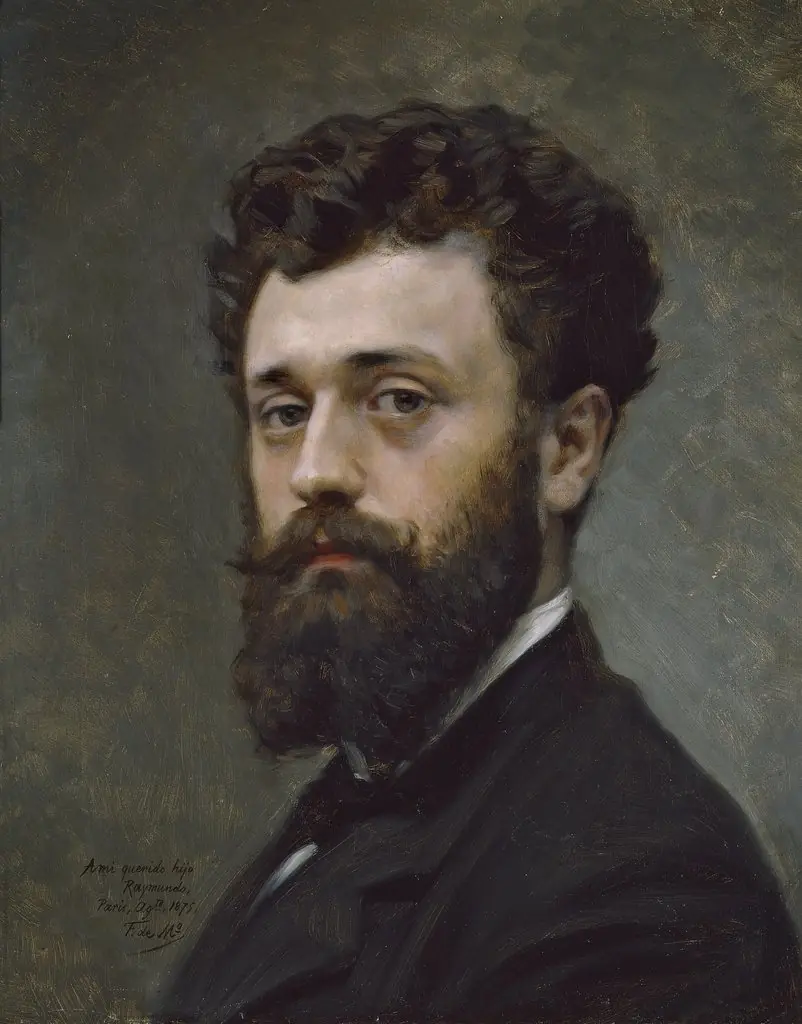
Rafael de Vargas y de Oviedo is an oil painting by the Post-Impressionist artist Emilio Sala. It dates from 1900 and is held in the collection of the Museo del Prado.
About this work
Overview
Created in 1900, this oil on canvas by Spanish painter Emilio Sala is part of the collection at Madrid’s Museo del Prado. The work portrays a solitary gentleman in a dark suit, his gaze meeting the viewer’s directly. The overall tone is restrained, with muted browns dominating the background and a subdued palette that reinforces the figure’s contemplative presence.
Subject & Meaning
The central figure is a middle‑aged man with short brown hair, a neatly trimmed beard, and a white shirt beneath a dark tie. He holds a lit cigarette in his right hand, while a pink flower is delicately affixed to his left lapel. The serious expression and relaxed posture suggest a moment of quiet introspection, perhaps hinting at personal or societal concerns of the era.
Technique & Style
Sala employs a smooth, almost academic brushwork that renders the fabric of the suit and the subtle play of light on the skin with precision. The background’s uniform brown tone serves to isolate the figure, allowing the muted colors of his clothing to stand out without distraction. The modest detail of the flower and cigarette demonstrates the artist’s attention to everyday realism.
History & Provenance
The painting was completed at the turn of the twentieth century, a period when Sala was active in Madrid’s artistic circles. It entered the Museo del Prado’s holdings through acquisition in the early twentieth century, where it has remained on public display, contributing to the museum’s representation of Spanish portraiture from the period.
Context
Emilio Sala worked during a time when Spanish art was negotiating between traditional academic approaches and emerging modernist tendencies. This portrait reflects the lingering influence of 19th‑century realism while subtly incorporating a more personal, psychological focus that would become more pronounced in later Spanish painting.
Own this work as a print
Artist & collection

 Portrait of Pál Szinyei Merse
 José Tomás Salvany
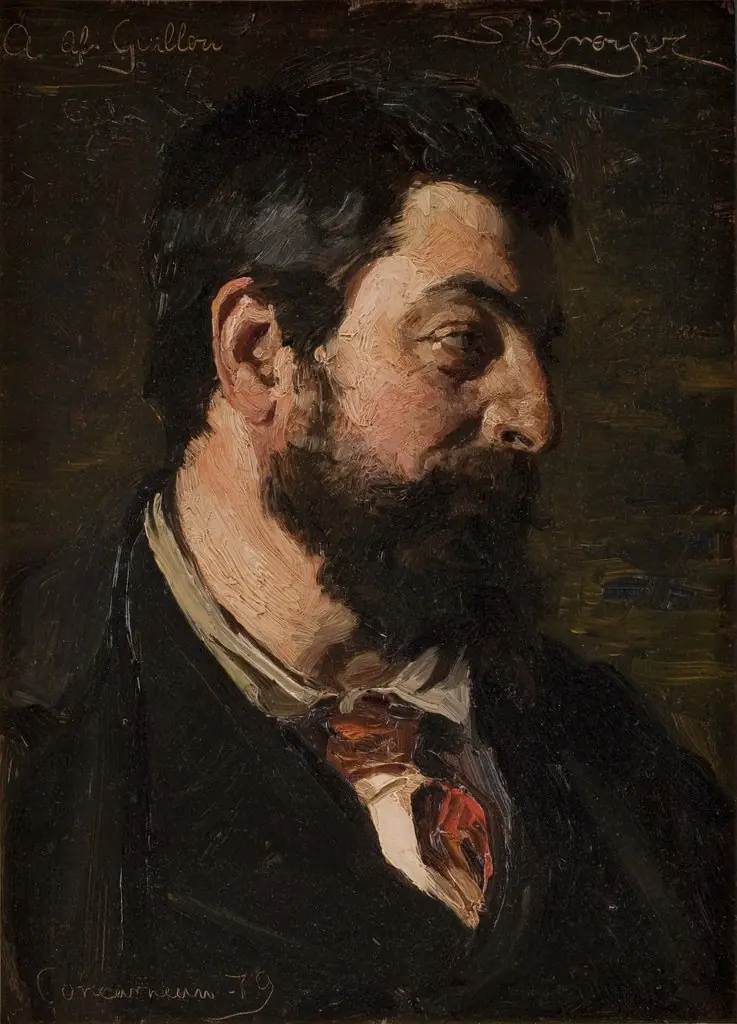 Portrait of the French painter Alfred Guillou
 Portræt af den franske maler Alfred Guillou
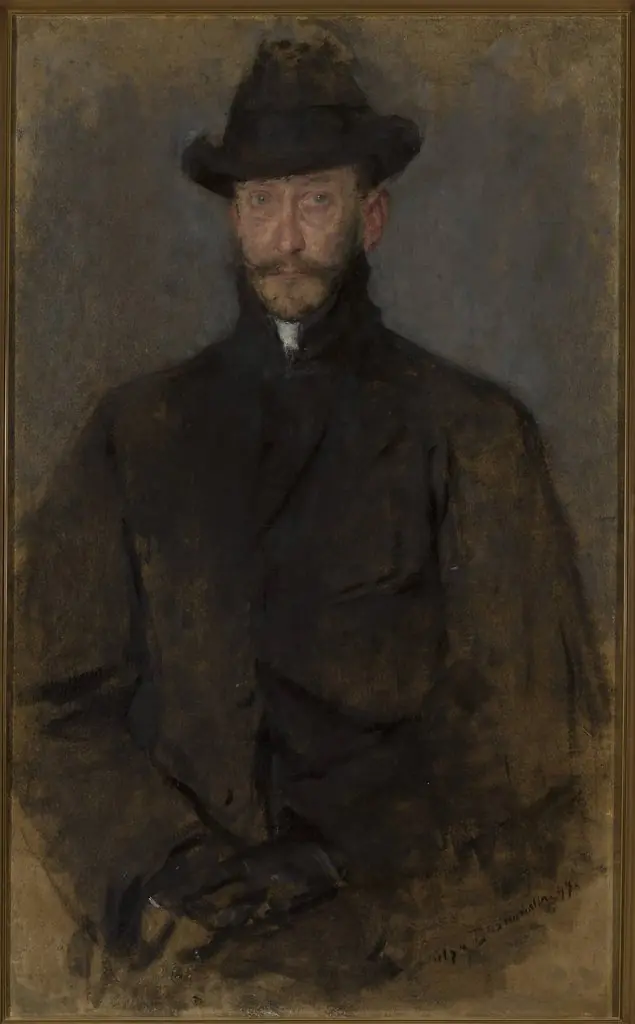 Portrait of Antoni Kamieński (1860/1861–1933), painter
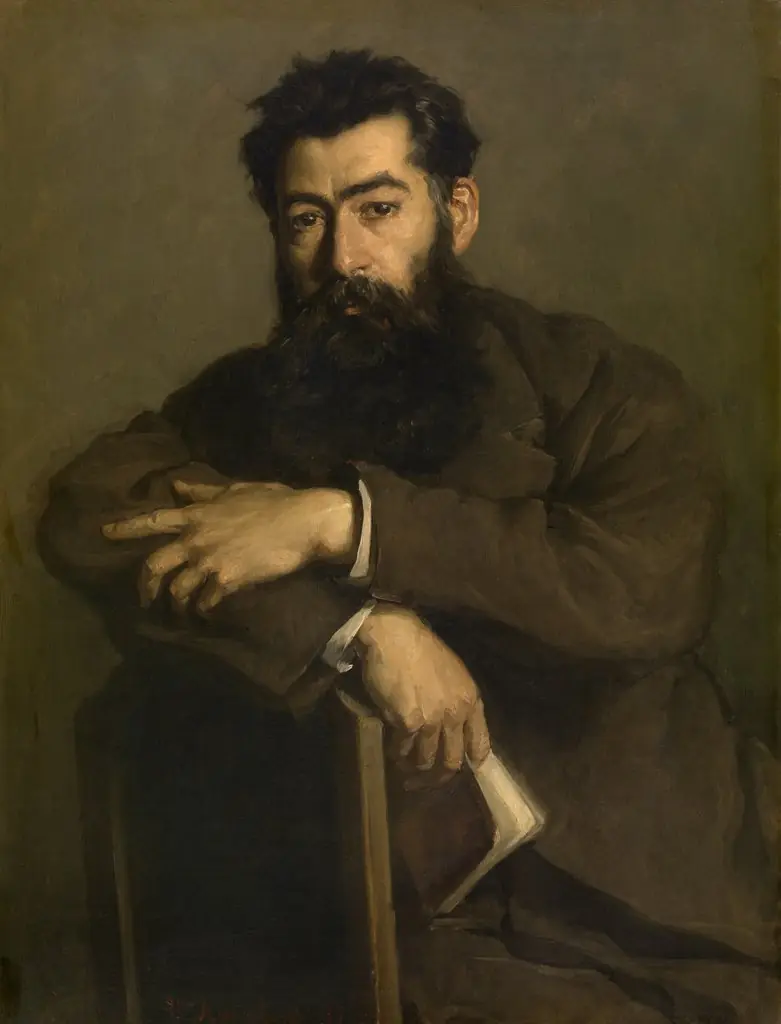 Professor Paul Errera
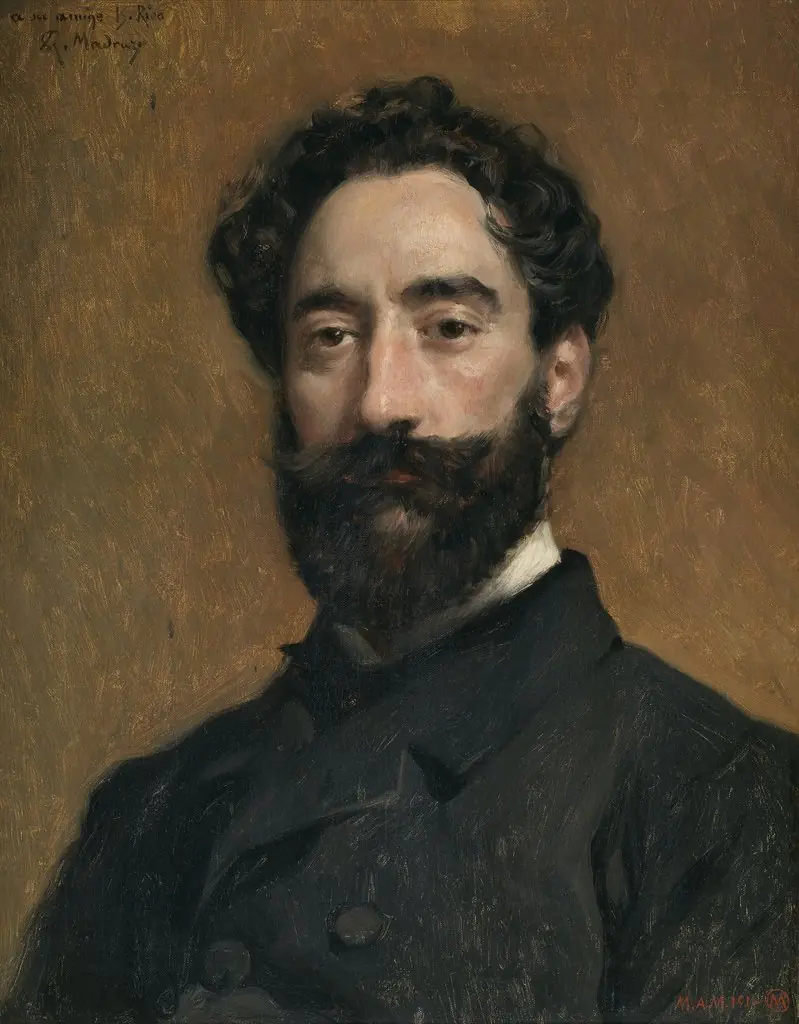 The Printmaker Bernardo Rico
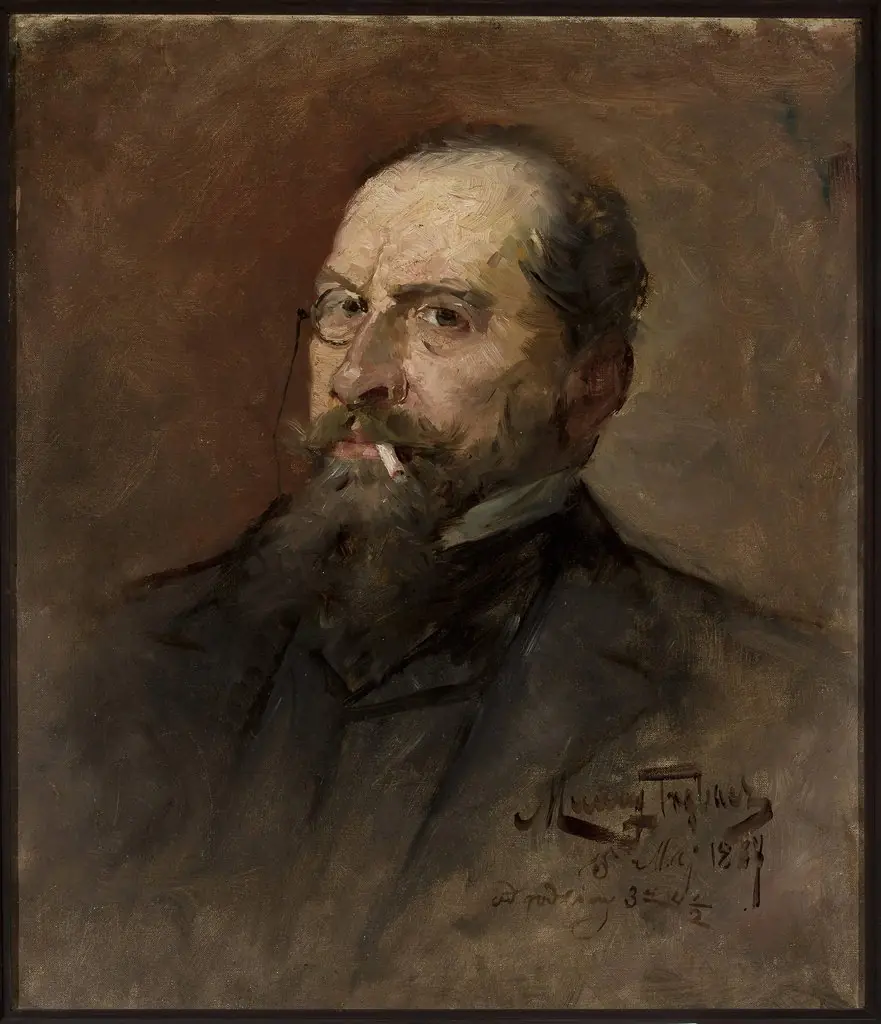 Portrait of Lucjan Wrotnowski, painter
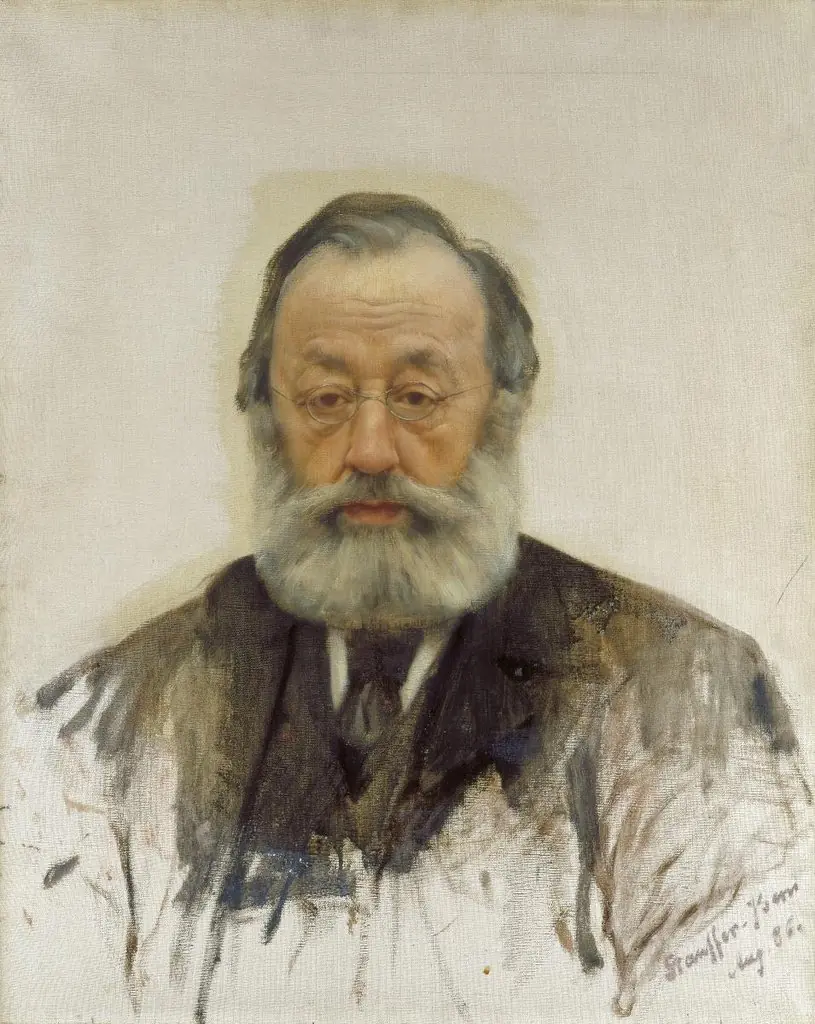 Bildnis Gottfried Keller
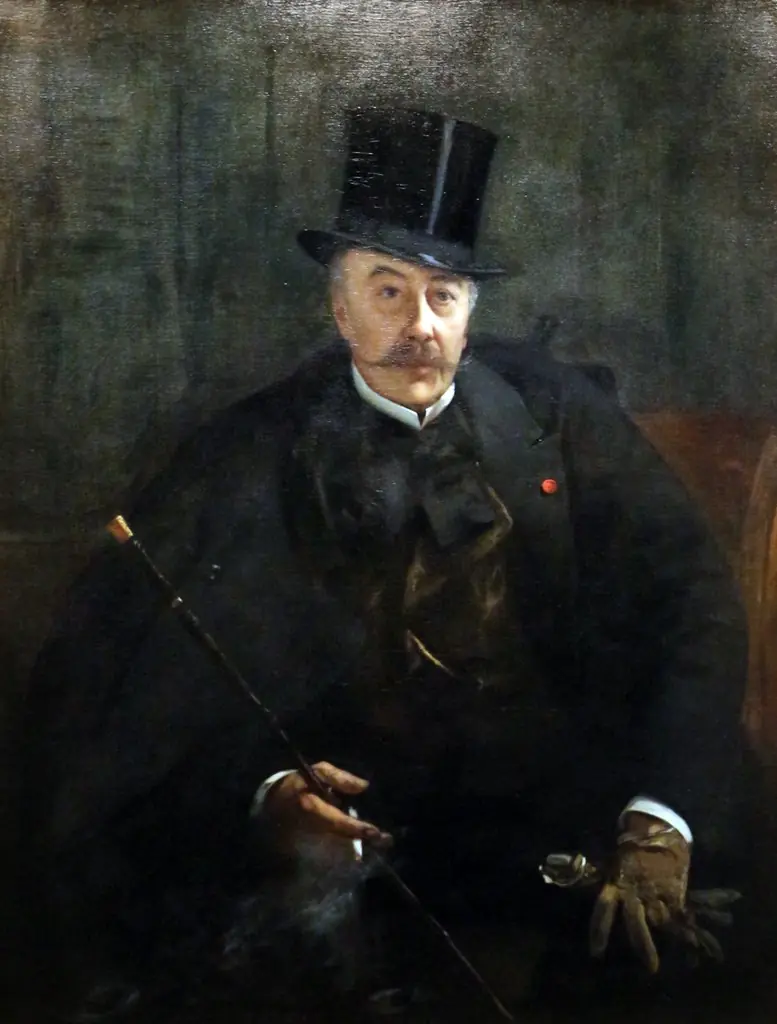 Portrait of Alfred Stevens
 El pintor Raimundo de Madrazo y Garreta, hijo del artista