Artwork
The Seconda Macchina for the Chinea of 1746: The Territories of the Kingdom of Naples
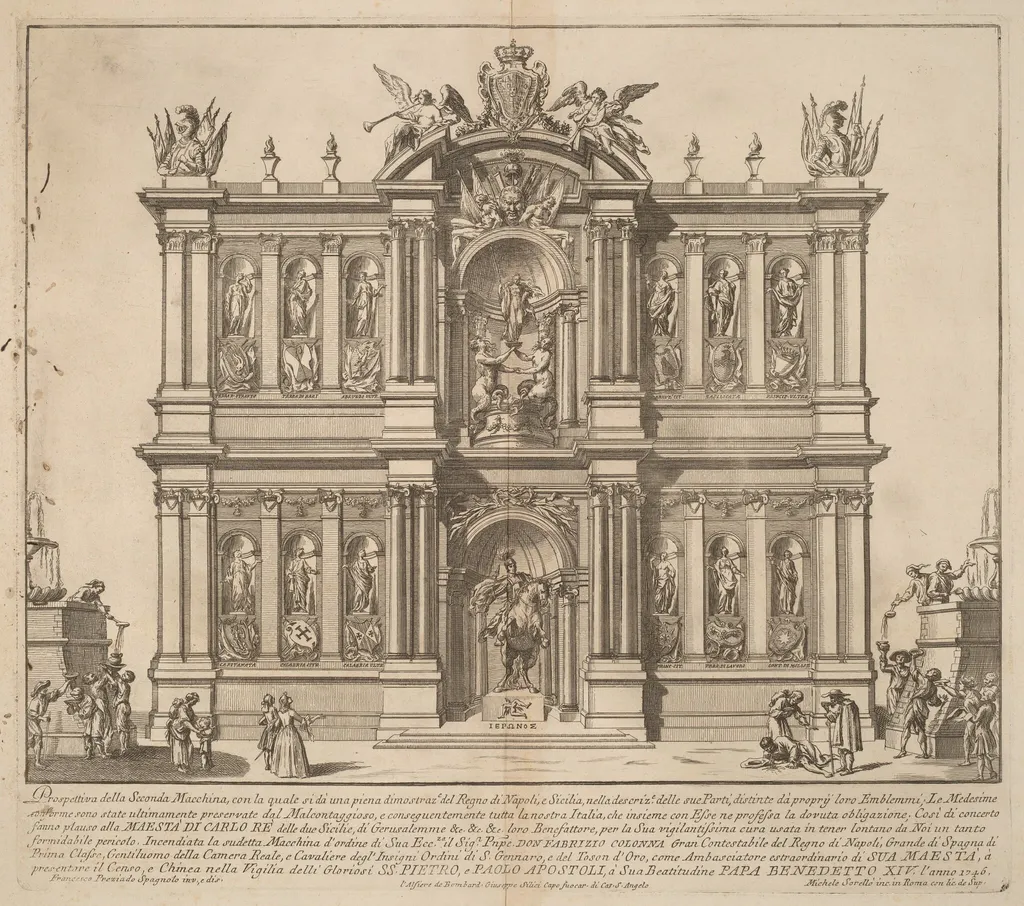
The Seconda Macchina for the Chinea of 1746: The Territories of the Kingdom of Naples is an ink print by the Baroque artist Miguel de Sorellò. It dates from 1746 and is held in the collection of the National Gallery of Art.
About this work
At the base, people in old-fashioned clothes kneel or stand, some holding candles or books.
This print shows a grand, ornate altar setup with two levels of columns and statues. Figures in robes stand in niches, and angels float above a central arch. At the base, people in old-fashioned clothes kneel or stand, some holding candles or books. The whole scene looks like a stage set, packed with symbols and crests.
The text below says this was built for a special event in 1746, likely for a king’s visit. The carvings and gold-like details suggest it was meant to impress.
Want to see more like this? Check out etching to learn how artists like this made detailed prints.
Overview
The work titled *The Seconda Macchina for the Chinea of 1746: The Territories of the Kingdom of Naples* is an etched and engraved print on laid paper, produced in 1746 by the Italian engraver Miguel de Sorellò. It depicts an elaborate, multi‑tiered altar arrangement that functions as a visual program for a ceremonial occasion linked to the Chinea, a traditional tribute to the Spanish crown.
Subject & Meaning
The composition presents a theatrical altar scene: two rows of columns frame a central arch under which statues and robed figures occupy niches, while angels hover above. At the lower level, kneeling and standing figures in period dress hold candles, books, or other ritual objects, suggesting a procession of homage and the display of the Kingdom of Naples’ territories as a political statement.
Technique & Style
Sorellò employed a combination of etching and engraving to achieve fine line work and rich tonal contrasts on laid paper. The print’s intricate detailing of architectural elements, ornamental crests, and delicate figures reflects the baroque taste for grandeur and the technical virtuosity required to render such a densely populated, stage‑like tableau.
History & Provenance
Created for the 1746 Chinea ceremony, the print likely served as a design or record of the temporary altar erected to welcome the visiting monarch. Its survival in museum collections provides insight into the visual culture of Neapolitan court festivities and the role of printmaking in disseminating ceremonial imagery across Europe.
Artist & collection


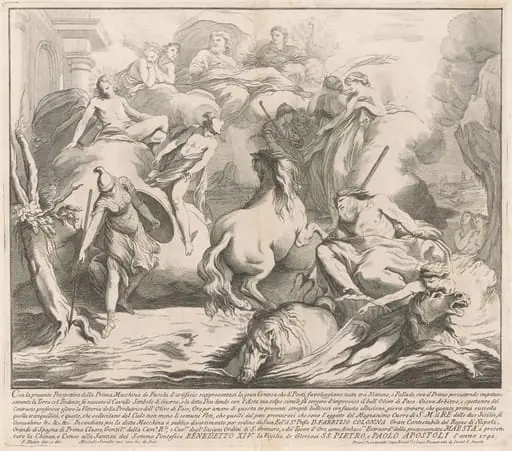 The Prima Macchina for the Chinea of 1742: The Contest of Neptune and Minerva
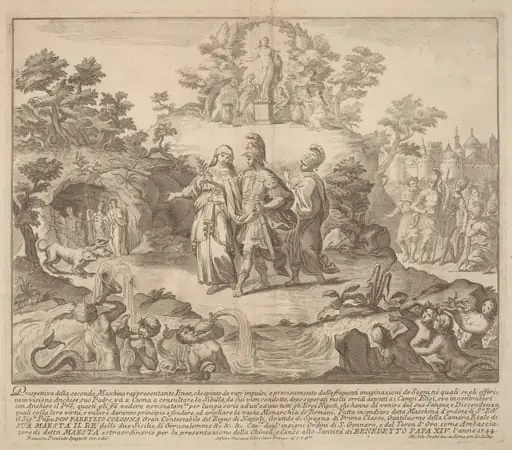 The Seconda Macchina for the Chinea of 1744: Aeneas and Cumaean Sibyl
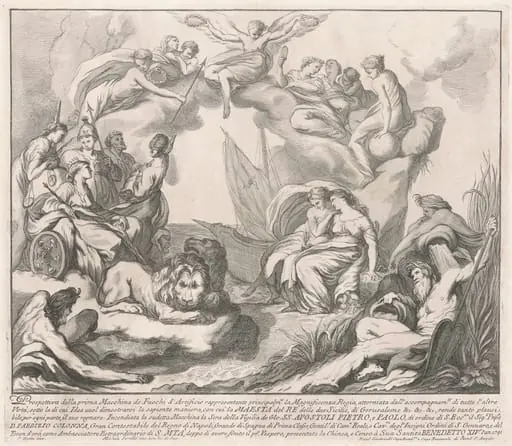 The Prima Macchina for the Chinea of 1741: Allegory of Regal Magnificence
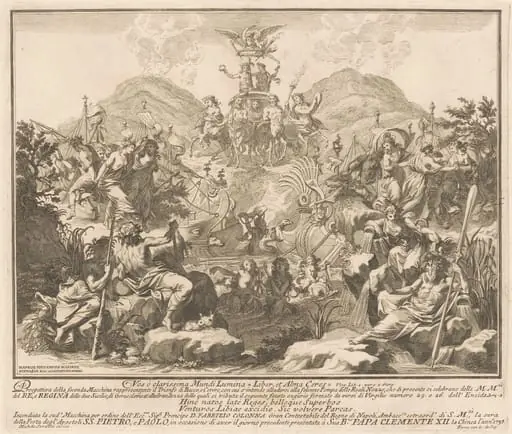 The Seconda Macchina for the Chinea of 1738: The Triumph of Bacchus and Ceres
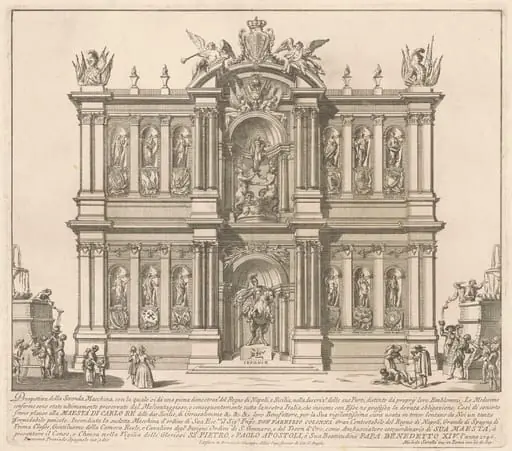 The Seconda Macchina for the Chinea of 1746: The Territories of the Kingdom of Naples
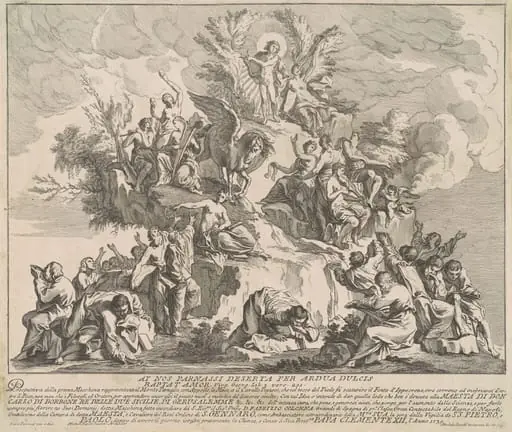 The Prima Macchina for the Chinea of 1739: Mount Parnassus with Apollo, the Muses, and Pegasus
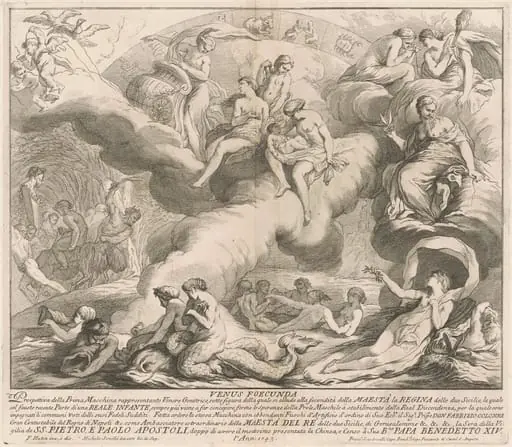 The Prima Macchina for the Chinea of 1743: Venus Genetrix
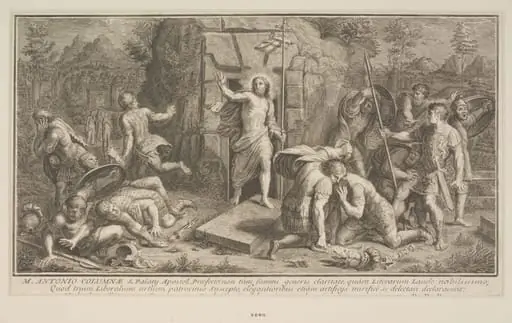 Tapestries in the Vatican, after designs by Raphael
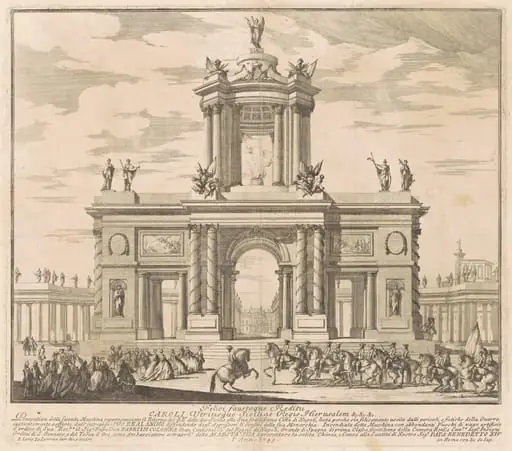 The Seconda Macchina for the Chinea of 1745: Triumphal Arch for the Return of King Charles of Bourbon to Naples
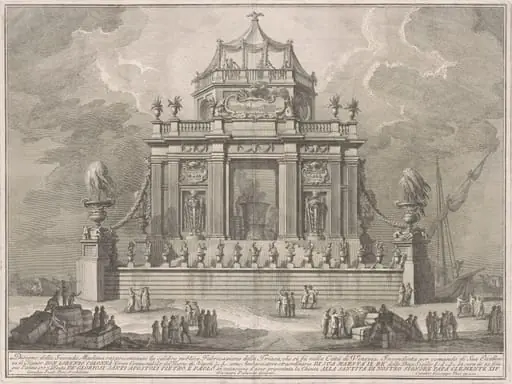 The Seconda Macchina for the Chinea of 1773: The Preparation of Theriac in Venice
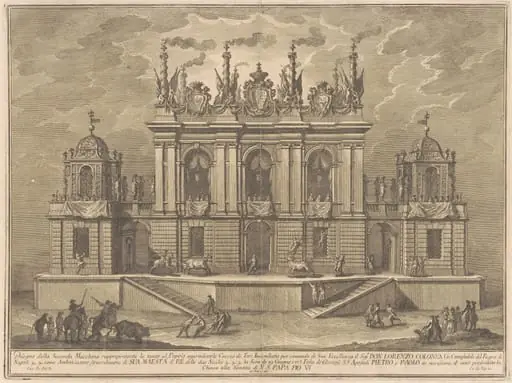 The Seconda Macchina for the Chinea of 1775: A Bull-fight
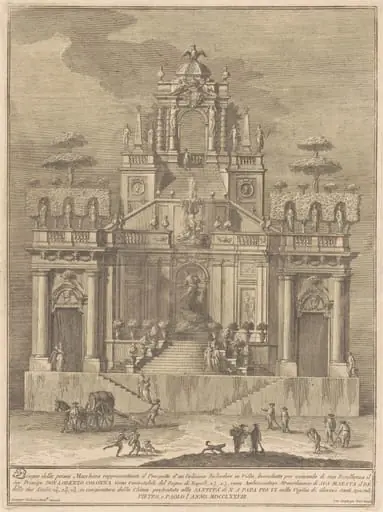 The Prima Macchina for the Chinea of 1778: A Countryside Belevedere with Hercules and Antaeus
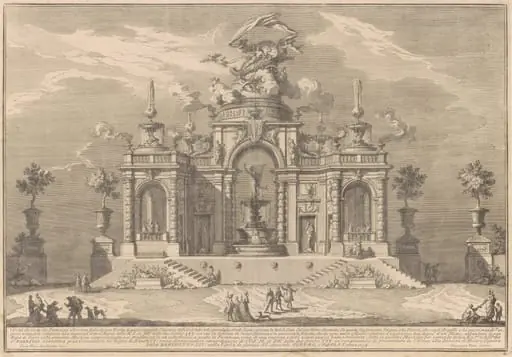 The Prima Macchina for the Chinea of 1754: The Palace of Venus in Cyprus
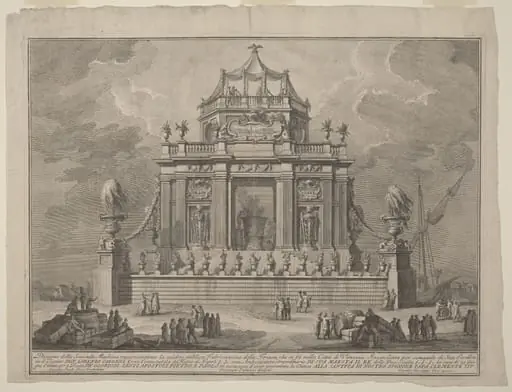 The Seconda Macchina for the Chinea of 1773: The Preparation of Theriac in Venice
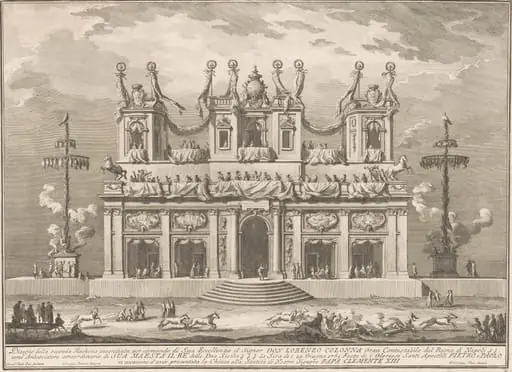 The Seconda Macchina for the Chinea of 1765: A Decorated Building with Cockaigne Poles
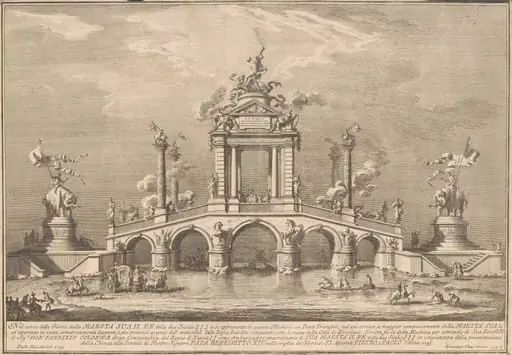 The Prima Macchina for the Chinea of 1755: A Triumphal Bridge with Antiquities from Herculaneum
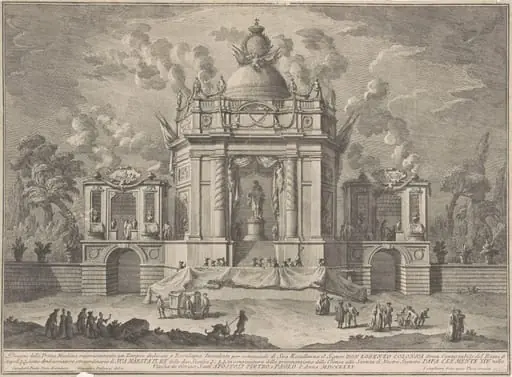 The Prima Macchina for the Chinea of 1771: The Temple of Asclepius
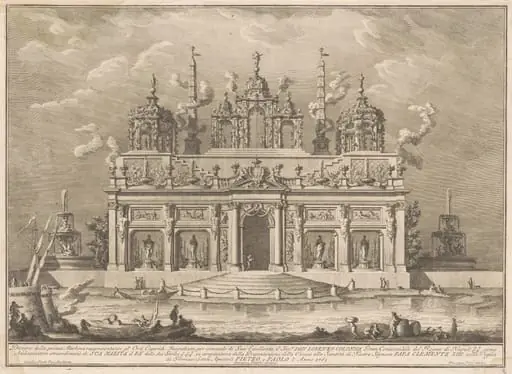 The Prima Macchina for the Chinea of 1765: The Garden of the Hesperides