Artwork
Street Dresden
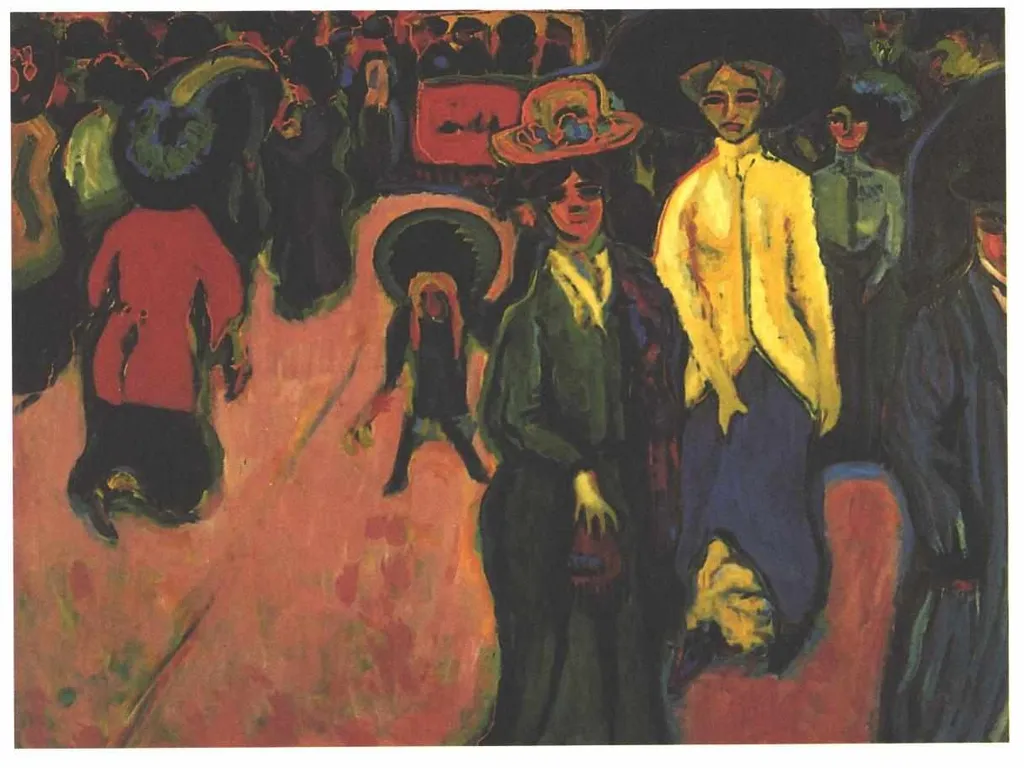
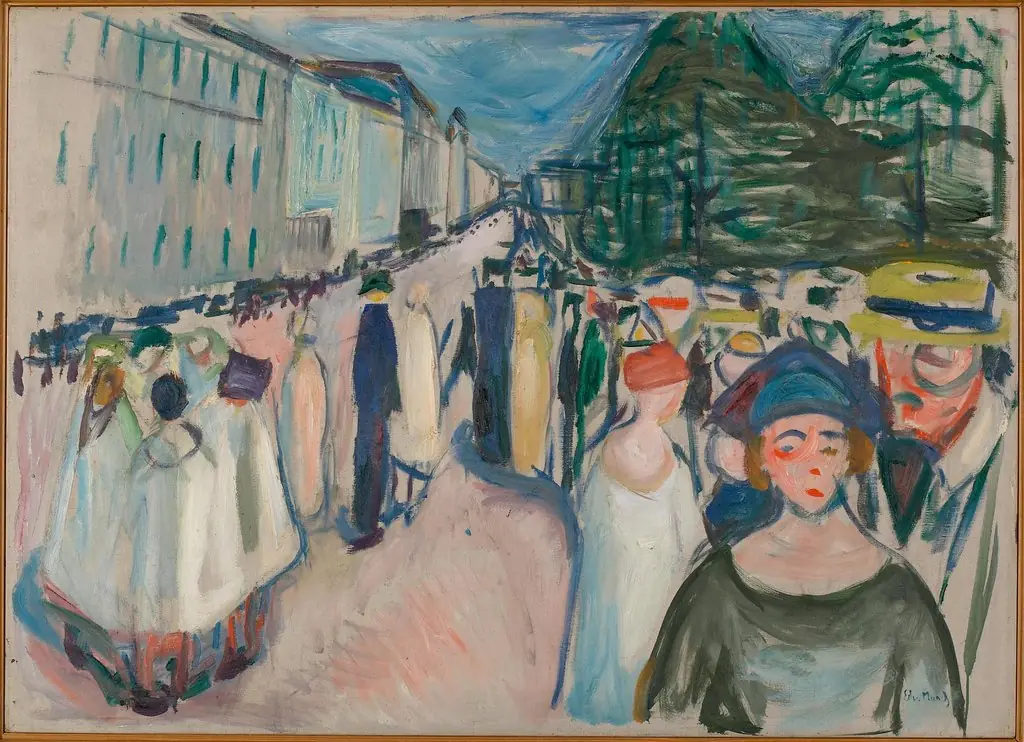
Street Dresden is an oil painting by Ernst Ludwig Kirchner. It dates from 1908 and is held in the collection of the Museum of Modern Art.
About this work
Overview
The work emerged during his time in Dresden, where he co-founded the Expressionist group Die Brücke.
Ernst Ludwig Kirchner painted *Street Dresden* in 1908 using oil on canvas. The work emerged during his time in Dresden, where he co-founded the Expressionist group Die Brücke. It captures a bustling urban environment through heightened color and fragmented forms, reflecting the group’s interest in conveying emotional experience over realistic representation. The painting is now held in the collection of the Museum of Modern Art in New York.
Subject & Meaning
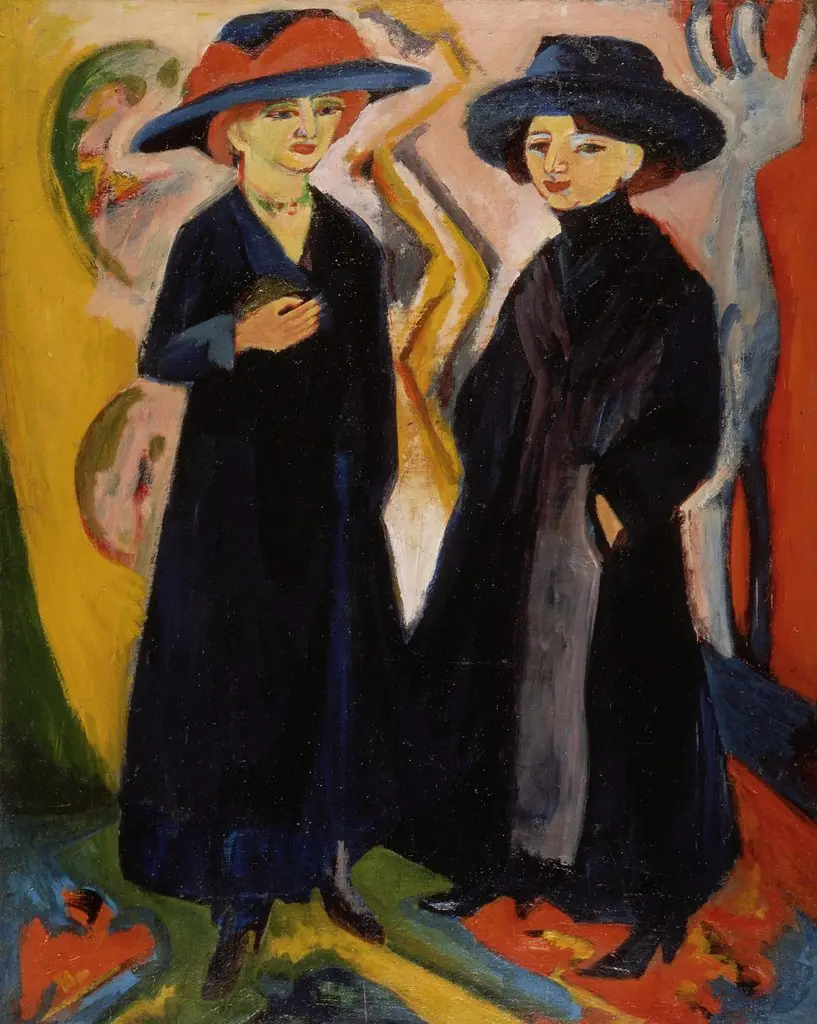
The painting portrays a crowded Dresden street at midday, with figures moving in disjointed directions. A woman in a bright yellow top and blue skirt stands prominently in the foreground, contrasting with the darker, more shadowed figures around her. The scene suggests the anonymity and rhythm of modern city life, with individuals isolated despite proximity. Kirchner’s choice of figures and spatial compression evokes tension rather than harmony.
Technique & Style
Kirchner employed vigorous brushwork and non-naturalistic color to disrupt traditional perspective. Forms are angular and simplified, with limbs elongated and faces reduced to mask-like features. The background dissolves into blurred architecture and sparse trees, emphasizing movement over detail. These stylistic choices align with Expressionist aims: to convey inner feeling through distortion and intensity rather than optical accuracy.
History & Provenance
Created during Kirchner’s early years in Dresden, the painting was part of a series exploring urban modernity. After the Nazi rise to power, it was labeled 'degenerate art' and removed from German museums in 1937. The work survived confiscation and eventually entered the Museum of Modern Art’s collection, where it has remained since the mid-20th century.
Context
In the years before World War I, German artists sought new modes of expression to respond to rapid industrialization and social change. Die Brücke members rejected academic traditions, drawing inspiration from primitive art, folk imagery, and the raw energy of city life. *Street Dresden* reflects this quest to capture the psychological atmosphere of modernity through radical visual language.
Legacy
The painting stands as a defining example of early German Expressionism, influencing later movements that prioritized emotional authenticity over realism. Its bold palette and fractured composition became a reference point for artists exploring urban alienation. Though Kirchner’s reputation suffered under Nazi censorship, postwar scholarship reaffirmed his role in reshaping modern painting.
Artist & collection
Artist
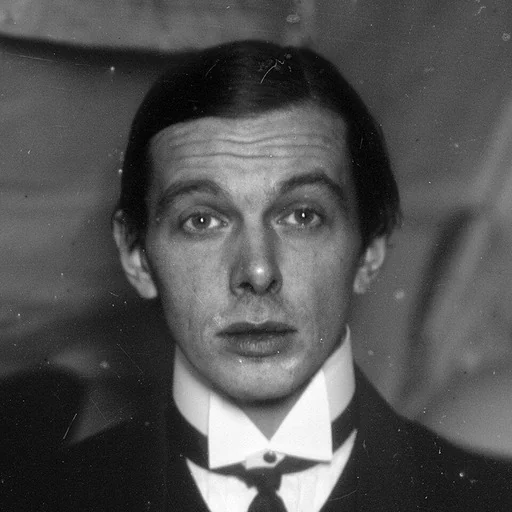
Ernst Ludwig Kirchner (6 May 1880 – 15 June 1938) was a German expressionist painter and printmaker.

![Dance Hall Bellevue [obverse], by Ernst Ludwig Kirchner](https://artifactworldgallery.com/img/ernst-ludwig-kirchner--dance-hall-bellevue-obverse--d1e14aac4297c69e-w320.webp)
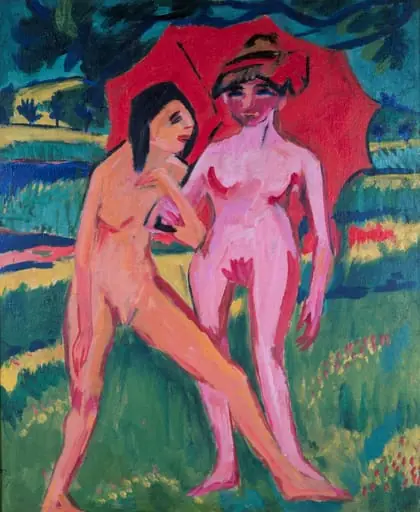
![Nude Figure [reverse], by Ernst Ludwig Kirchner](https://artifactworldgallery.com/img/ernst-ludwig-kirchner--nude-figure-reverse--4b135f0364753e98-w320.webp)
![Two Nudes [obverse], by Ernst Ludwig Kirchner](https://artifactworldgallery.com/img/ernst-ludwig-kirchner--two-nudes-obverse--eb3914183f0bc96d-w320.webp)
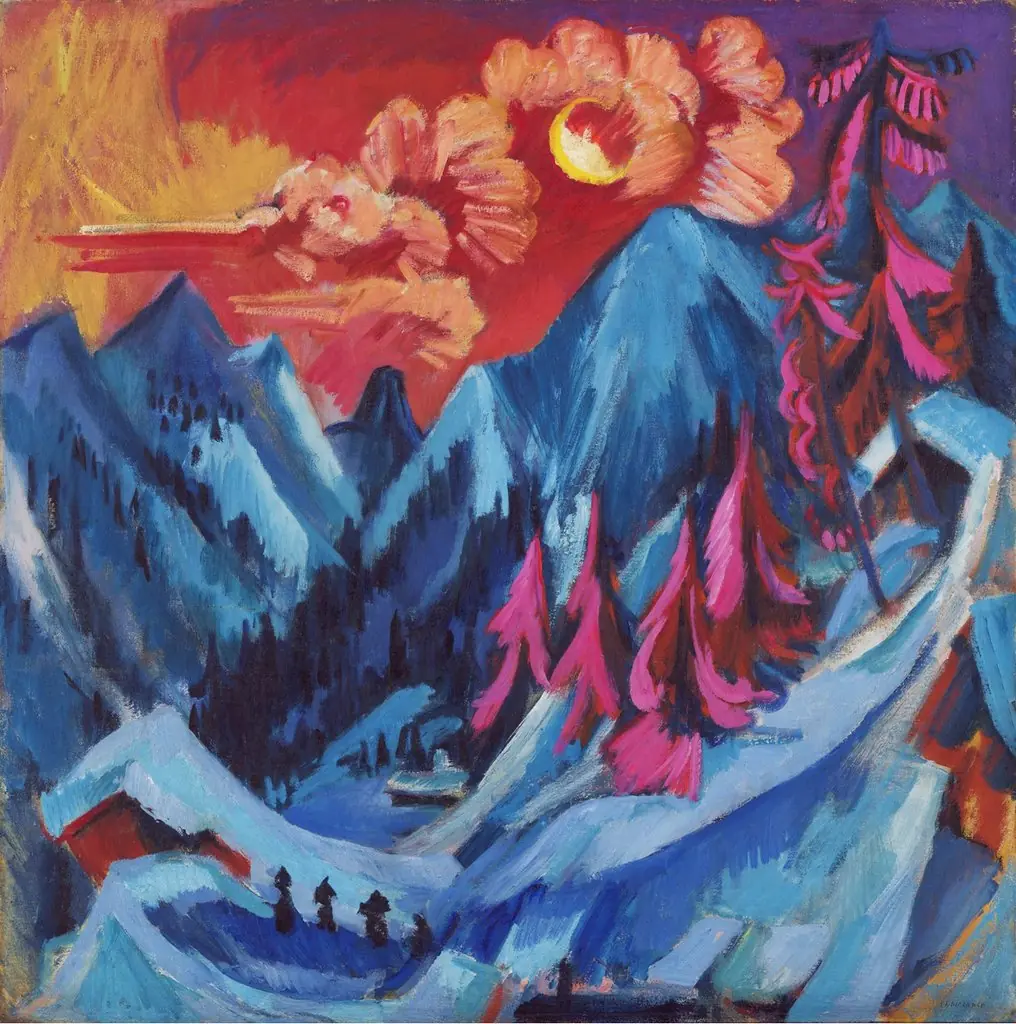
![Dancing Couple in the Snow [reverse], by Ernst Ludwig Kirchner](https://artifactworldgallery.com/img/ernst-ludwig-kirchner--dancing-couple-in-the-snow-reverse--87ca007d7c05b553-w320.webp)