Artwork
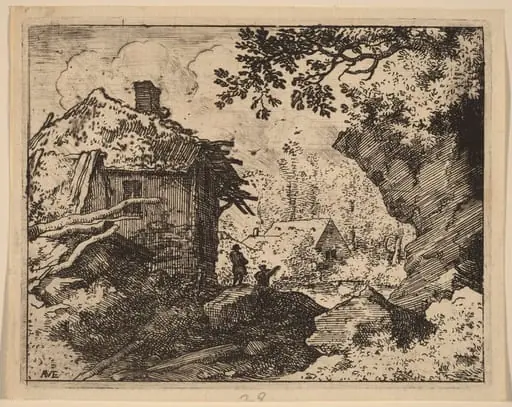
Straw Hut Seen from Behind
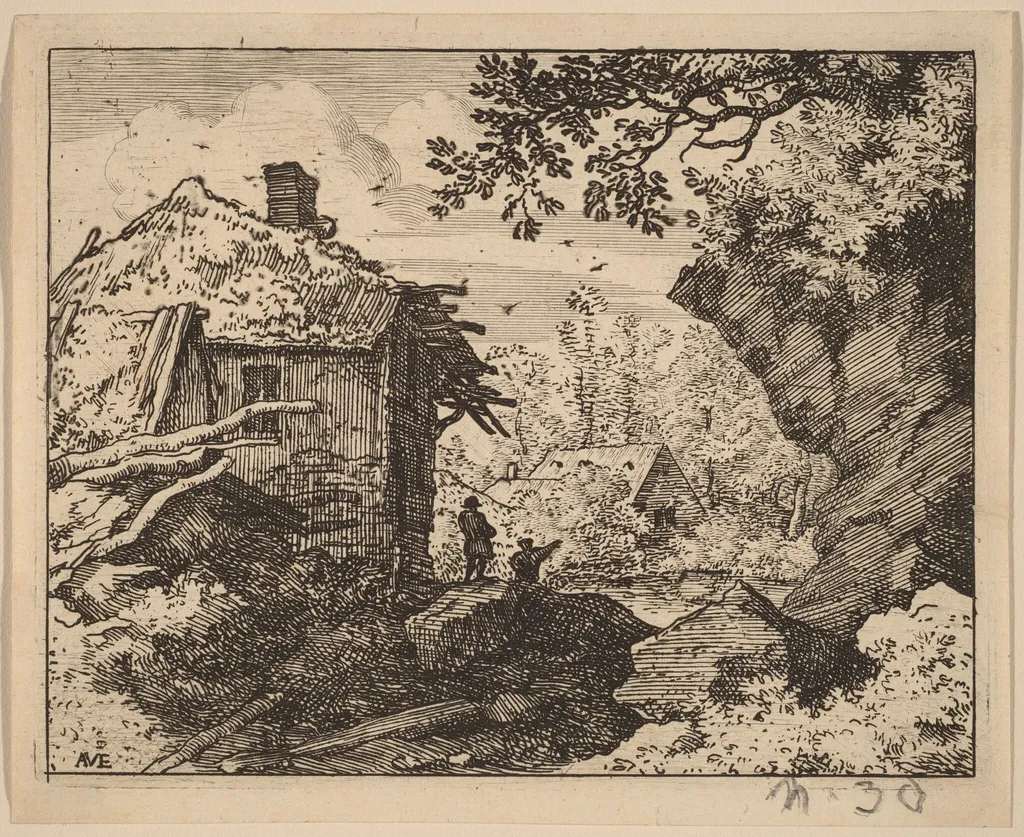
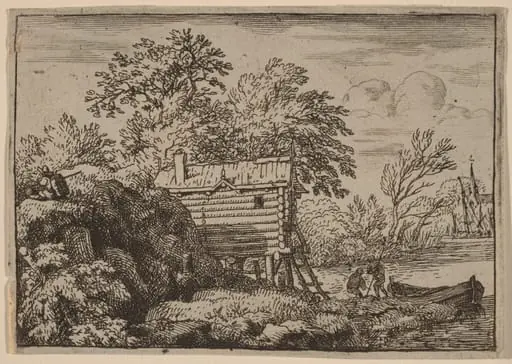
Straw Hut Seen from Behind is an ink print by the Baroque artist Allart van Everdingen. It dates from 1650 and is held in the collection of the National Gallery of Art.
About this work
Overview
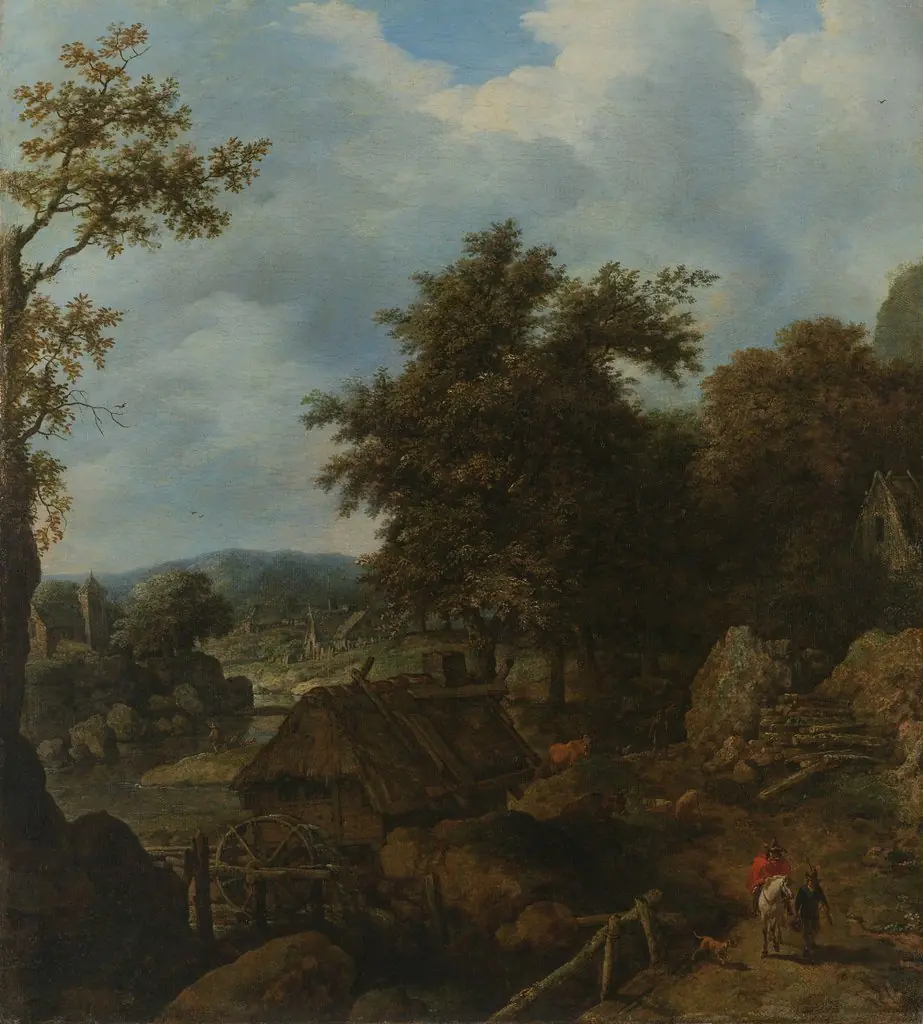
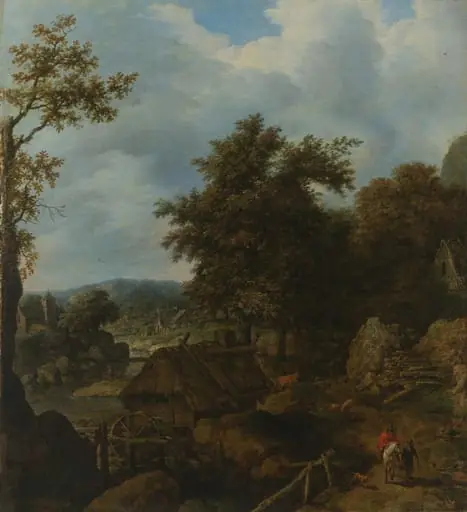
Created circa 1650 by Dutch artist Allart van Everdingen, this print combines etching and engraving to portray a modest rural dwelling. The composition centers on a straw‑covered hut seen from the back, set within a simple landscape of rocks, trees, and a hanging branch. The work exemplifies the 17th‑century Dutch interest in everyday scenery and the quiet moments of the countryside.
Subject & Meaning
The image focuses on a solitary straw hut, its rear wall exposed to the viewer, suggesting a moment of pause in an otherwise active farm environment. The surrounding rocks and foliage frame the structure, emphasizing its isolation and the modest scale of rural life. The composition invites contemplation of the ordinary built environment within a natural setting.
Technique & Style
Van Everdingen employed a combination of etching and engraving, allowing for fine line work and varied tonal contrasts. The print displays pronounced chiaroscuro, with deep shadows juxtaposed against illuminated surfaces, creating texture in the thatch, bark, and stone. This method produces a richly detailed surface that highlights the artist’s skill in rendering material qualities.
History & Provenance
The print belongs to van Everdingen’s broader output as a printmaker during the Dutch Golden Age, a period when artists frequently explored landscape and genre subjects through multiple media. While specific ownership records are scarce, the work is catalogued among his surviving prints and is representative of his mid‑17th‑century production.
Own this work as a print
Artist & collection
Artist
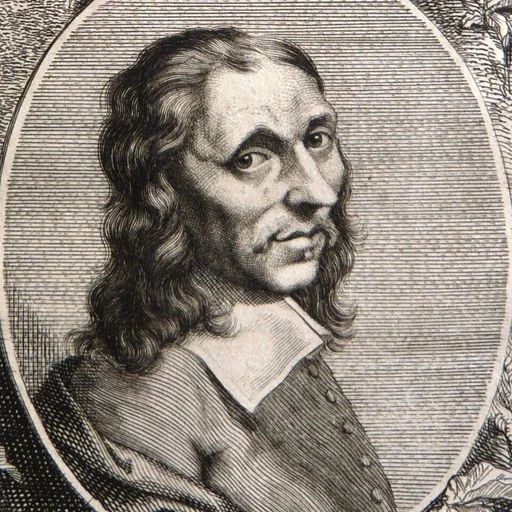
Allaert van Everdingen (Dutch pronunciation: ; bapt. 18 June 1621 – 8 November 1675 (buried)), was a Dutch Golden Age painter and printmaker in etching and mezzotint.