Artwork
Domenico Contarino
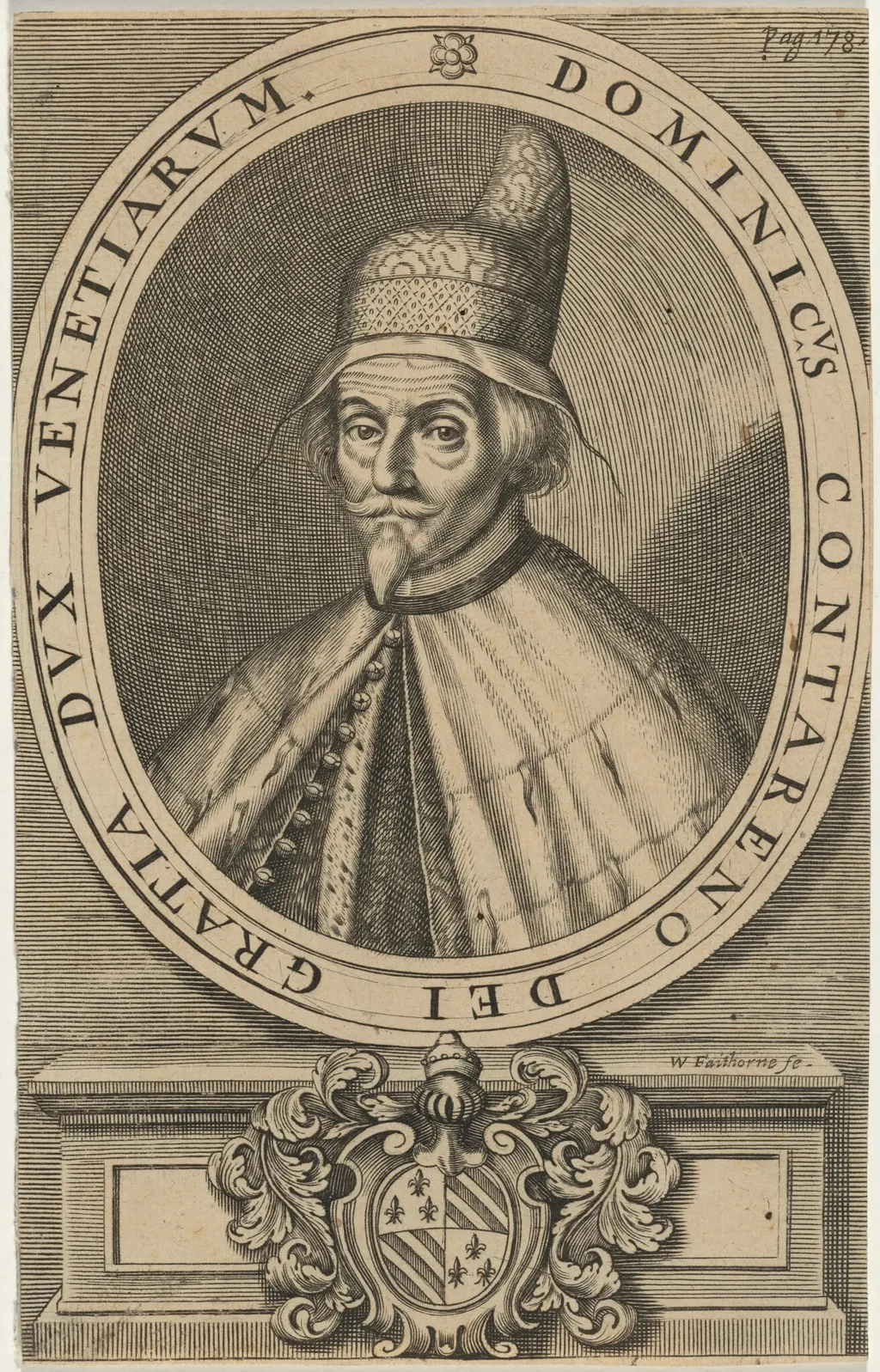
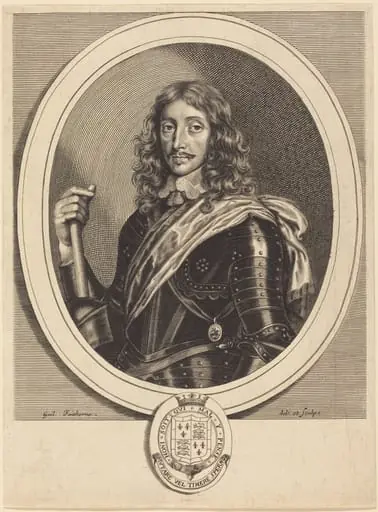
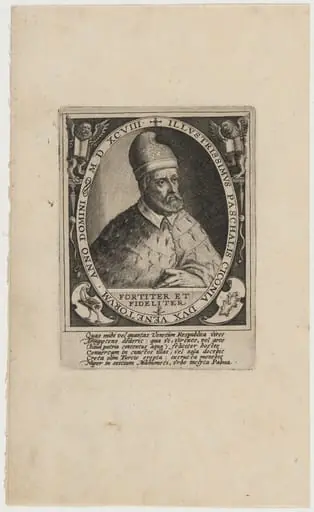
Domenico Contarino is an ink print by the Baroque artist William Faithorne. It dates from 1684 and is held in the collection of the National Gallery of Art.
About this work
Overview
This 1684 engraving by William Faithorne depicts Domenico Contarino, a Venetian nobleman, rendered in fine line work on paper.
This 1684 engraving by William Faithorne depicts Domenico Contarino, a Venetian nobleman, rendered in fine line work on paper. The portrait is framed within a circular border inscribed with the subject’s name and the artist’s signature. Decorative motifs, including a floral element at the apex and an intricate base design, encircle the image, reinforcing its status as a formal commemorative print rather than a casual likeness.
Subject & Meaning
Domenico Contarino is portrayed as an elderly man with a full white beard and mustache, dressed in a high-collared cloak fastened with buttons and a tall, rounded hat. His dignified bearing and formal attire suggest aristocratic status, likely reflecting his role within Venetian society. The portrait serves as a static, respectful representation, emphasizing lineage and social standing rather than individual expression.
Technique & Style
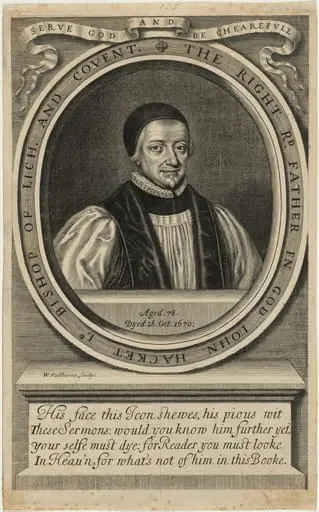
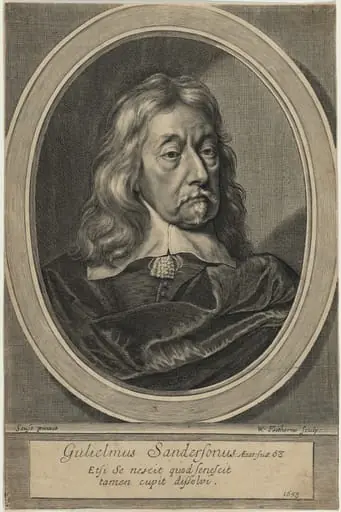
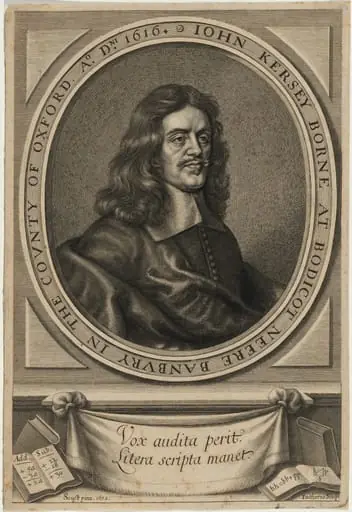
Faithorne employed fine cross-hatching to model the subject’s facial features and fabric textures, creating subtle gradations of light and shadow. The precision of the lines reveals mastery of the burin, a tool used for incising metal plates. The background is left dark and untextured, directing focus to the figure. The circular frame and ornamental borders align with conventions of 17th-century portrait engravings meant for scholarly or aristocratic circulation.
History & Provenance
Created in 1684, the engraving was likely produced as part of a series of portraits of notable figures, common among English printmakers of the period. Faithorne, known for his portraits of English and continental elites, may have based this image on an earlier painting or drawing. Its survival in institutional collections suggests it was valued for its technical quality and historical subject matter.
Context
In late 17th-century England, portrait engravings served as accessible records of prominent individuals, especially those with international ties. Contarino, a Venetian patrician, would have been known in diplomatic circles. Faithorne’s work reflects the transnational exchange of artistic practice and the desire to visually document aristocratic networks across Europe during a period of growing print culture.
Legacy
Though not widely reproduced today, the engraving remains a representative example of Faithorne’s skill in translating portraiture into the medium of print. It contributes to the historical record of how European elites were visually codified in the post-Renaissance era. Its preservation in public collections underscores its role as a documentary artifact rather than a purely aesthetic object.
Artist & collection
Artist
William Faithorne (1616–1691) was a British artist, born in Greater London.