Artwork
Edward VI
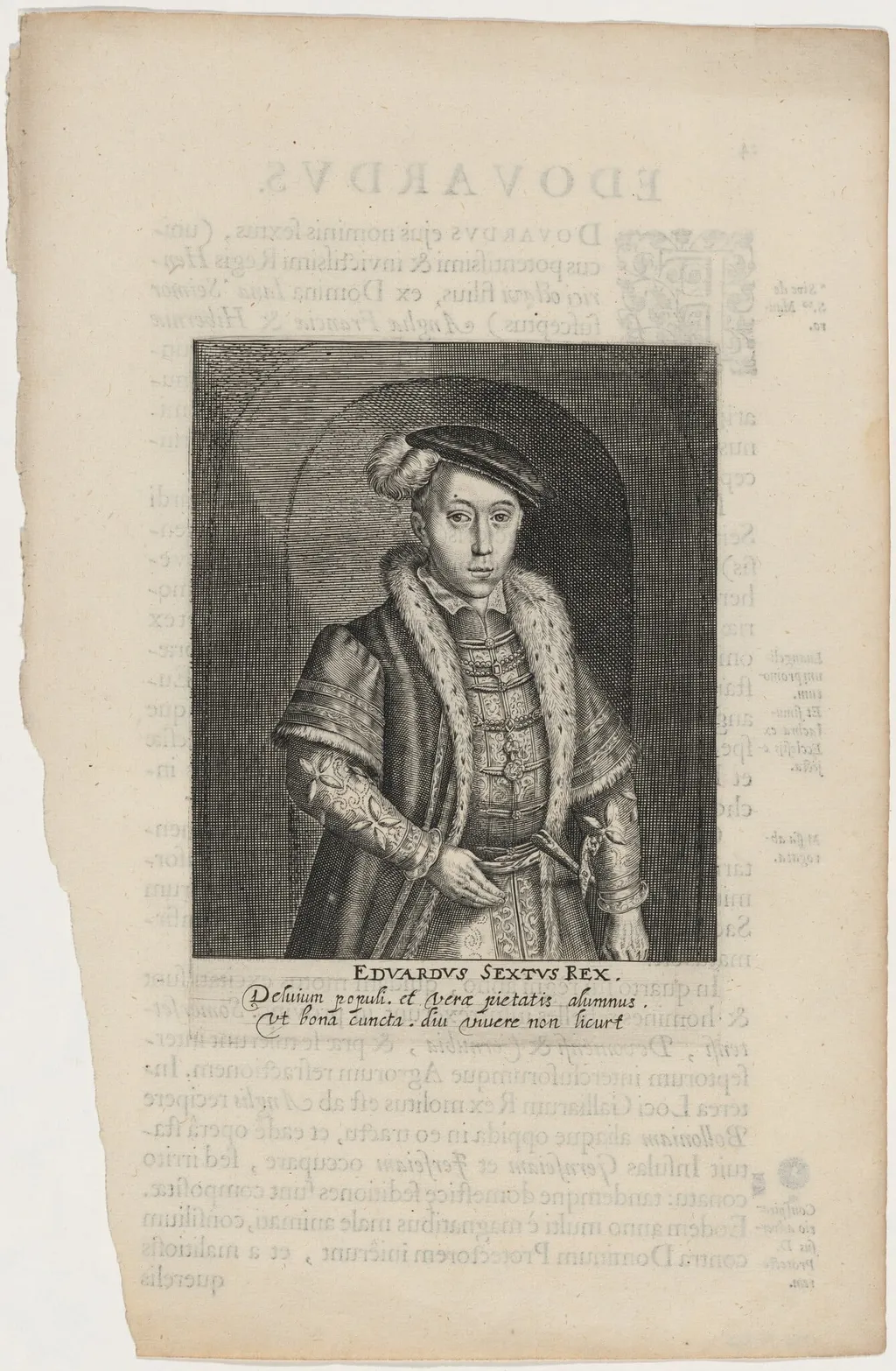
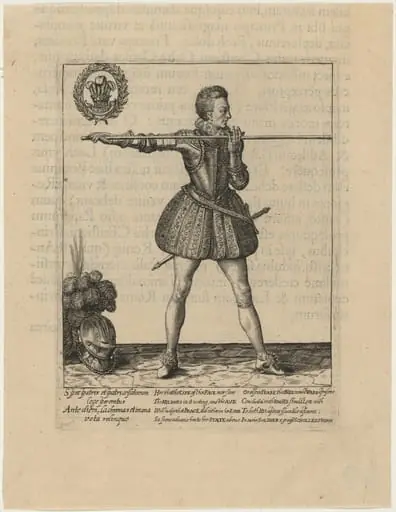
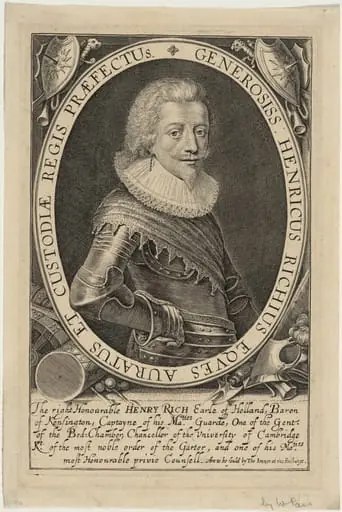
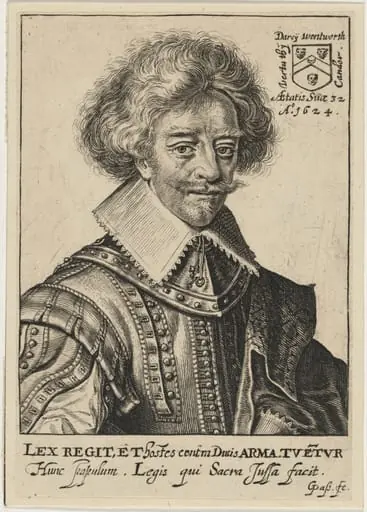
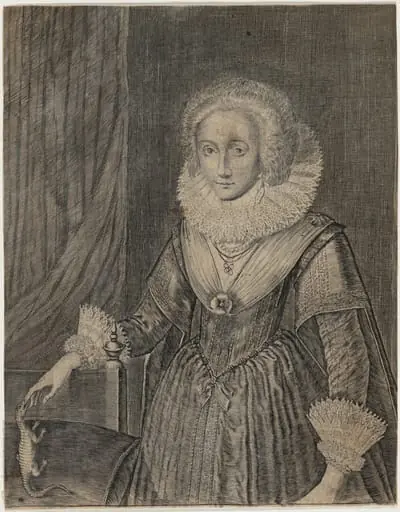
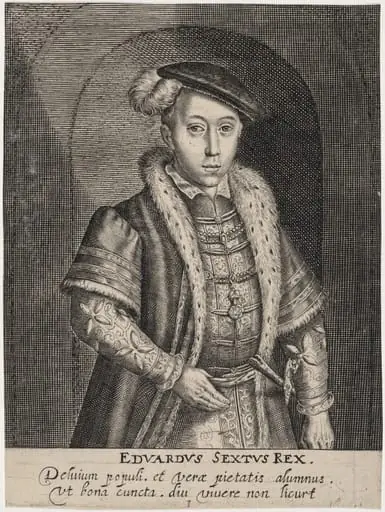
Edward VI is an ink print by the Baroque artist Willem de Passe. It dates from 1620 and is held in the collection of the National Gallery of Art.
About this work
Overview
The image was intended for dissemination, serving as a standardized visual representation of royal authority across Europe.
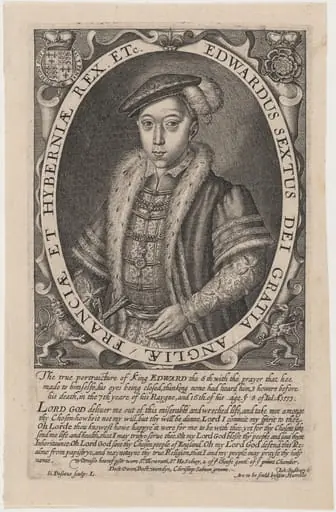
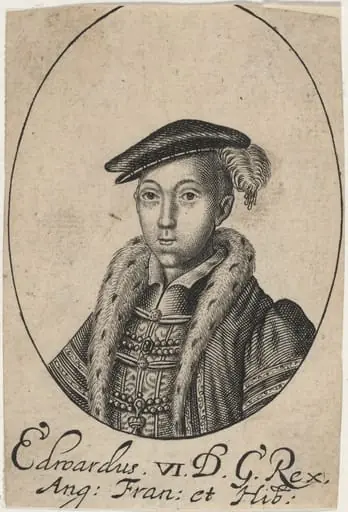
This black-and-white engraving, produced in 1620 by Willem de Passe, depicts Edward VI of England as a young monarch. Rendered in fine linear detail, the portrait follows the conventions of early 17th-century printmaking, where metal plates were incised to create repeated impressions. The image was intended for dissemination, serving as a standardized visual representation of royal authority across Europe.
Subject & Meaning
Edward VI is portrayed in formal regalia: a fur-trimmed coat, a jeweled chain, and a feathered hat, all symbols of royal status. His hands are folded solemnly before him, and his gaze is direct and unyielding, conveying dignity and restraint. The Latin inscription below identifies him as king, reinforcing his legitimacy and the permanence of his rule, despite his early death and brief reign.
Technique & Style
The portrait was executed using metal engraving, a technique involving precise incisions into a copper plate. Fine, controlled lines define the texture of fabric, the sheen of metal, and the contours of the face. The border of delicate parallel lines frames the image, a common decorative device in prints of the period. The monochrome palette emphasizes clarity and structure over color, typical of reproductive portraiture.
History & Provenance
Created in 1620, over forty years after Edward VI’s death, the engraving reflects a retrospective effort to solidify his image in the public consciousness. Willem de Passe, a Dutch engraver working in England, specialized in royal and noble portraits for export. This print likely circulated among European courts and collectors as part of a broader project to document monarchs through print.
Context
During the early 1600s, engraved portraits of deceased monarchs were commonly produced to affirm dynastic continuity and historical legitimacy. Edward VI, though a minor king with a short reign, remained a figure of Protestant reform. His image, carefully composed and widely distributed, served political and religious audiences seeking to anchor national identity in a stable royal lineage.
Legacy
The engraving contributed to the standardized visual memory of Edward VI, influencing later depictions in textbooks and historical records. Its formal composition and textual labeling became a template for royal portraiture in print. Though not original to his lifetime, it endured as one of the most recognizable images of the boy king in the centuries that followed.
Artist & collection