Artwork
John Colet, D.D.
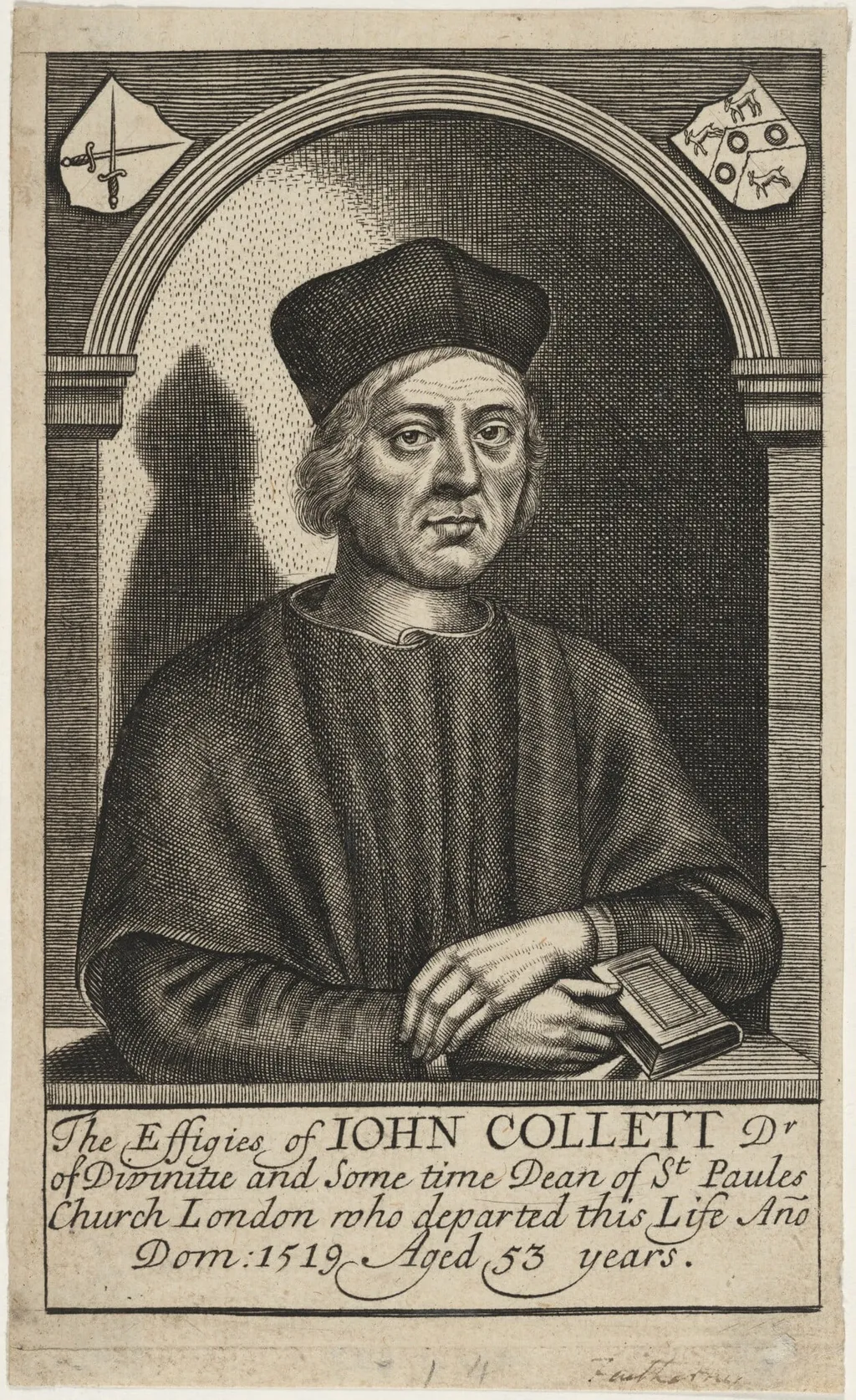
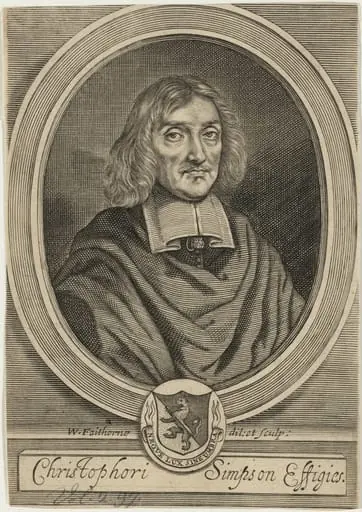
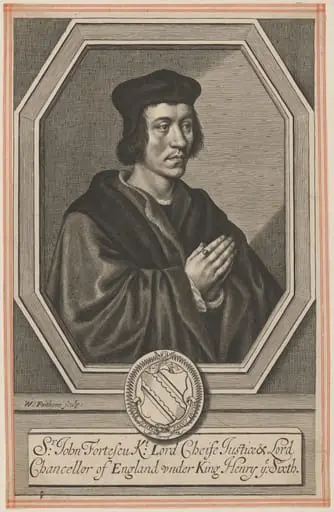
John Colet, D.D. is an ink print by the Baroque artist William Faithorne. It dates from 1684 and is held in the collection of the National Gallery of Art.
About this work
Look up engraving to see how artists like this carved detailed images into metal plates.
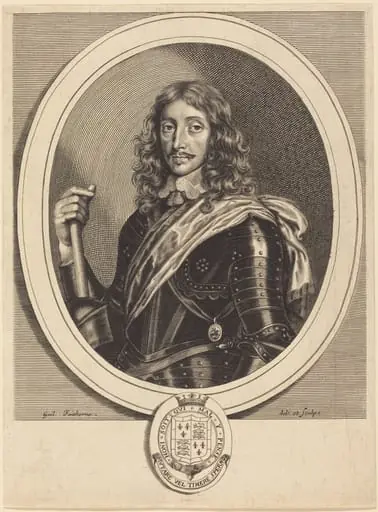
This is a black-and-white portrait of a serious-looking man in a dark robe and hat. He’s holding an open book in his left hand while his right hand rests on it. The background looks like a simple arched frame with two small crests at the top.
The text below says this is John Colet, a doctor of divinity who died in 1519. The artist’s name, Faithorne, is signed in the corner.
Want to know more? Look up engraving to see how artists like this carved detailed images into metal plates.
Overview
This 1684 engraving by William Faithorne depicts John Colet, a prominent English clergyman and scholar. Rendered in monochrome, the portrait presents Colet in formal ecclesiastical attire, seated with an open book in his hands. The composition is restrained, emphasizing intellectual presence over ornamentation. Faithorne’s signature appears in the lower corner, affirming his authorship of the print, which was made over a century after Colet’s death.
Subject & Meaning
John Colet, Doctor of Divinity and founder of St. Paul’s School, is portrayed as a man of learning and piety. His posture—hands resting on an open book—signals scholarly devotion and theological engagement. The absence of elaborate symbols or allegorical elements directs focus to his role as an educator and reformer within the pre-Reformation Church. The inscription confirms his identity and date of death, anchoring the image in historical memory.
Technique & Style
Faithorne employed fine-line engraving to render texture and form with precision. The dark robe and hat are defined through cross-hatching, while the book’s pages suggest detail through delicate parallel lines. The arched background and small crests at the top frame the figure without distraction, reflecting the conventions of post-Restoration portraiture. The print’s clarity and controlled tonality reveal Faithorne’s mastery of the burin on copper.
History & Provenance
Created in 1684, the engraving was produced long after Colet’s 1519 death, likely to commemorate his legacy during a period of renewed interest in Tudor-era religious figures. Faithorne, known for his portraits of clergy and intellectuals, may have based the image on earlier paintings or descriptions. The print was probably circulated among scholars and institutions connected to St. Paul’s School or the Church of England.
Context
In late 17th-century England, there was a growing effort to document historical religious figures through portraiture, especially those associated with humanist education. Colet, though a Catholic priest before the Reformation, was admired by Protestant reformers for his emphasis on scriptural study. This engraving reflects that posthumous reverence, aligning him with emerging ideals of clerical scholarship and moral authority.
Legacy
Faithorne’s engraving became one of the most widely reproduced images of John Colet, shaping his visual identity for centuries. It was used in biographies, school records, and ecclesiastical histories, reinforcing his status as a foundational figure in English educational reform. Though stylistically conventional, the print endures as a key reference for understanding how historical memory was visually constructed in early modern Britain.
Artist & collection
Artist
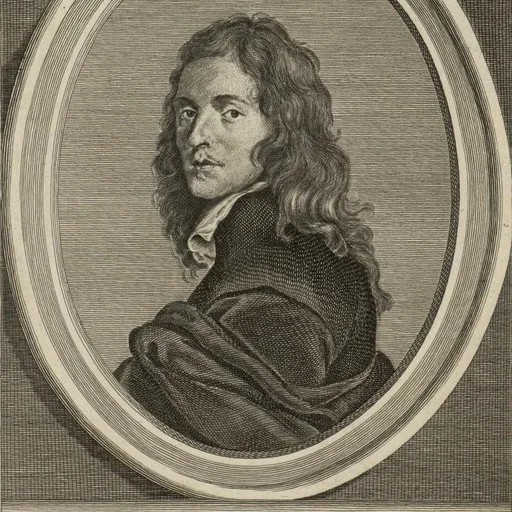
William Faithorne (1616–1691) was a British artist, born in Greater London.