Artwork
William Cecil, First Baron Burghley
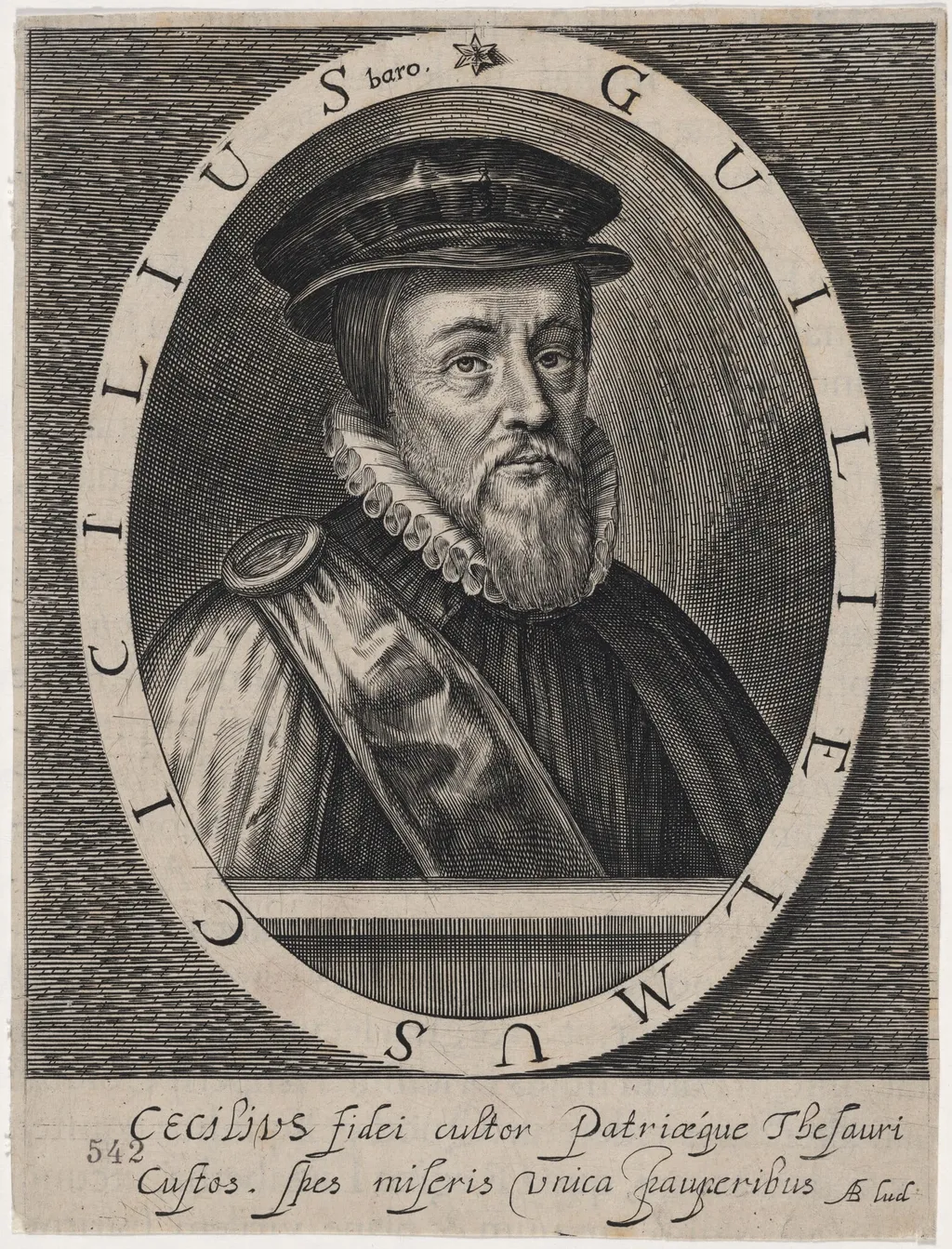
William Cecil, First Baron Burghley is an ink print by the Baroque artist Magdalena van de Passe. It dates from 1620 and is held in the collection of the National Gallery of Art.
About this work
Overview
The portrait is rendered in fine linear detail, confined within an oval frame that encloses both the image and an inscriptive border.
An engraving from 1620 by Magdalena van de Passe depicts William Cecil, First Baron Burghley, a prominent English statesman. The portrait is rendered in fine linear detail, confined within an oval frame that encloses both the image and an inscriptive border. The composition omits a background, focusing attention on the subject’s face and attire, typical of portrait prints of the period intended for dissemination among elite circles.
Subject & Meaning
William Cecil, a chief advisor to Queen Elizabeth I and later James I, is portrayed with the solemnity befitting his political stature. His long white beard and furrowed brow convey age and experience, while his dark robe and hat suggest dignity and authority. The inclusion of his full title in the border reinforces his institutional role, transforming the image into a formal emblem of state service rather than a personal likeness.
Technique & Style
Executed in intaglio engraving, the work relies on precise incised lines to build texture and tone. The artist renders facial wrinkles, fabric folds, and the border’s ornamental pattern with meticulous control, demonstrating the medium’s capacity for fine detail. The absence of tonal gradation is compensated by careful line density, a hallmark of Northern European printmaking traditions of the early 17th century.
History & Provenance
Created in 1620, the engraving emerged during a period when printed portraits of statesmen circulated widely among the educated elite. Magdalena van de Passe, part of a renowned family of engravers, produced this work likely for publication in a collection of notable figures. Its survival in institutional collections suggests it was valued as both a historical record and a specimen of skilled printmaking.
Context
In early 17th-century England, engraved portraits served as tools of political memory and social status. Cecil’s image, reproduced in print, extended his influence beyond court circles. The oval format and textual framing align with conventions used in commemorative prints across Europe, reflecting a shared visual language for honoring public figures through reproductive art.
Legacy
This engraving remains one of the most recognizable visual records of William Cecil, preserved in museum and library collections. While later portraits and paintings exist, this print’s clarity and early date give it particular historical weight. It exemplifies how printmaking enabled the standardization of elite imagery, shaping public perception of power in the early modern era.
Artist & collection

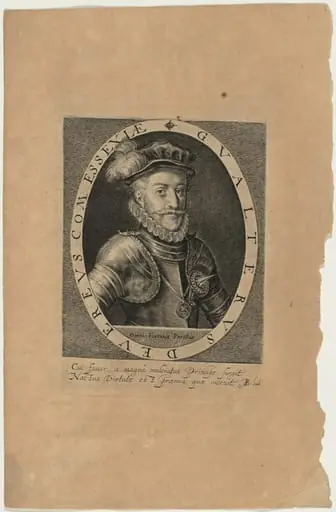 Walter Devereux, First Earl of Essex
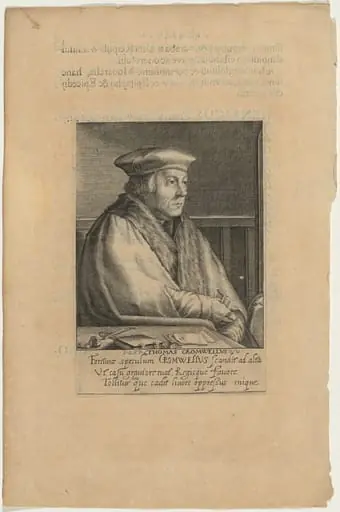 Thomas Cromwell, Earl of Essex
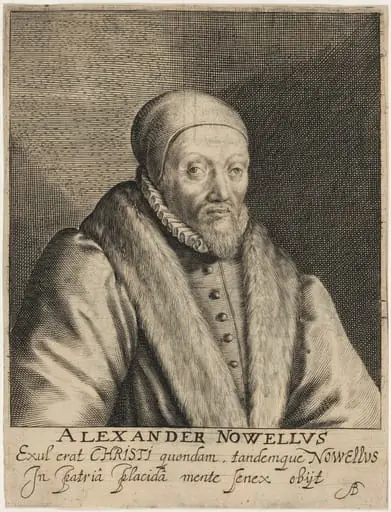 Alexander Nowell, Dean of Saint Paul's
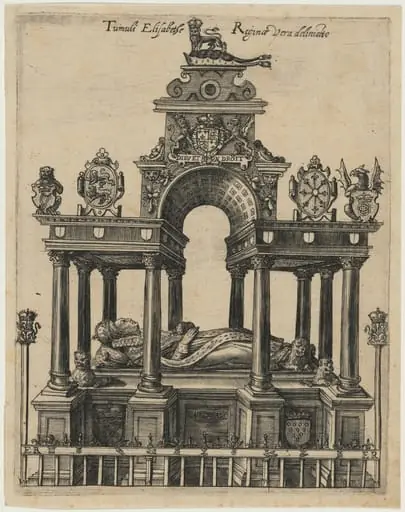 Elizabeth's Tomb
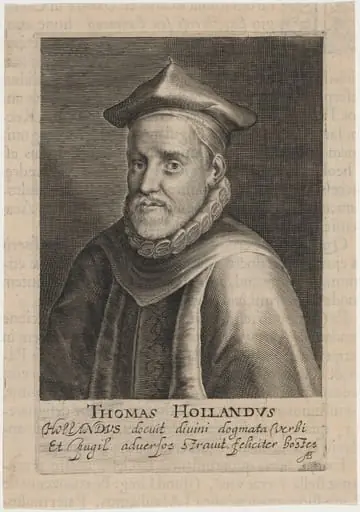 Thomas Holland, Regius Professor of Divinity at Oxford, and Rector of Exeter College
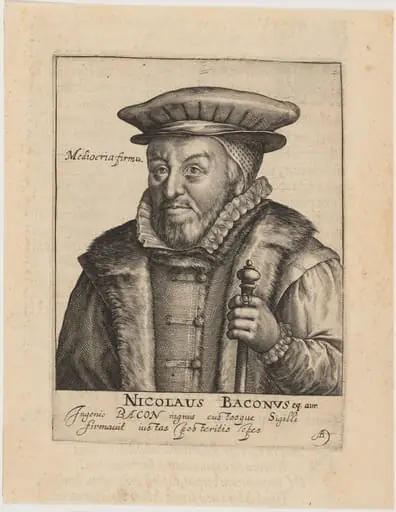 Sir Nicholas Bacon, Lord Keeper
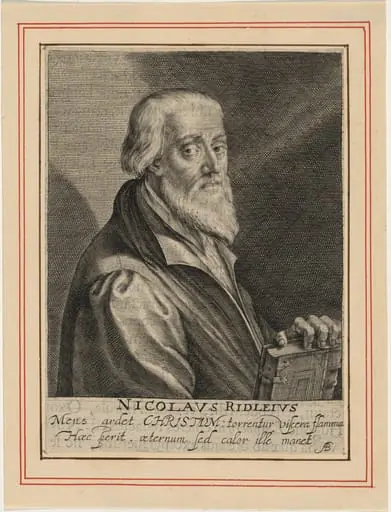 Nicholas Ridley, Bishop of London, Protestant Martyr
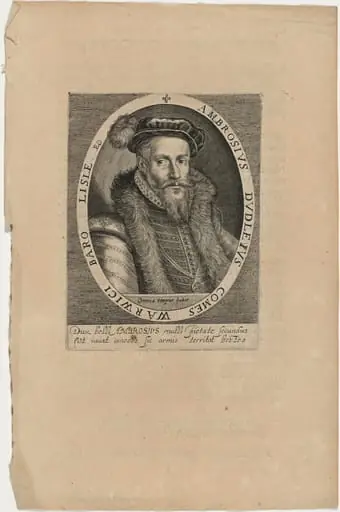 Ambrose Dudley, Earl of Warwick
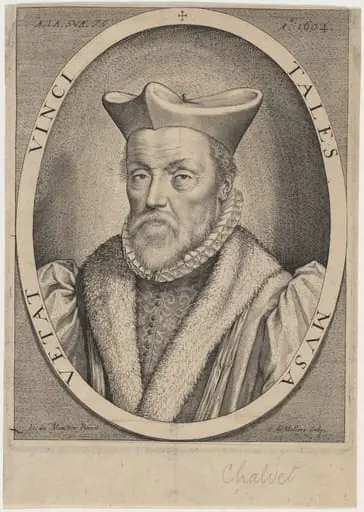 M. de Chalvel
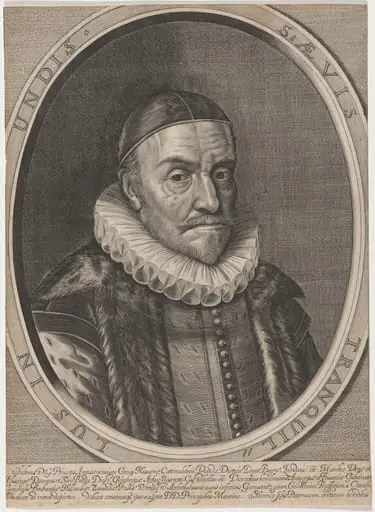 William, Prince of Orange
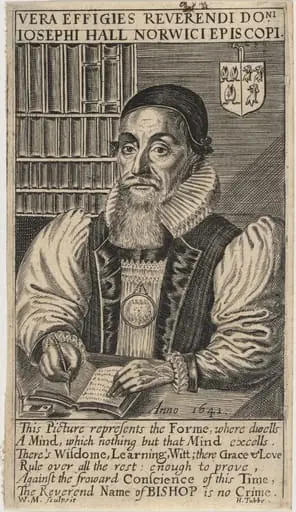 Joseph Hall, Bishop of Norwich
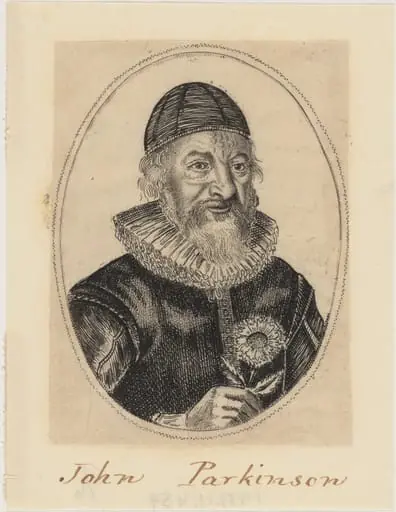 John Parkinson, Apothecary and Herbalist to James I
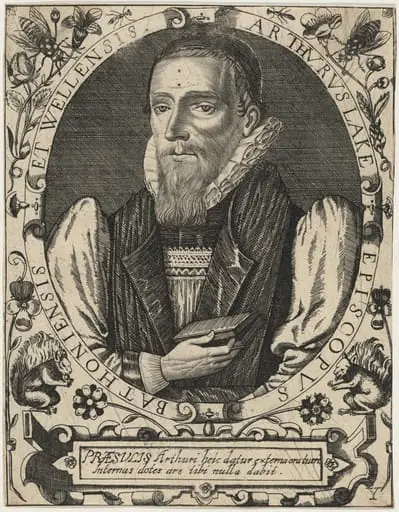 Arthur Lake, Bishop of Bath and Wells
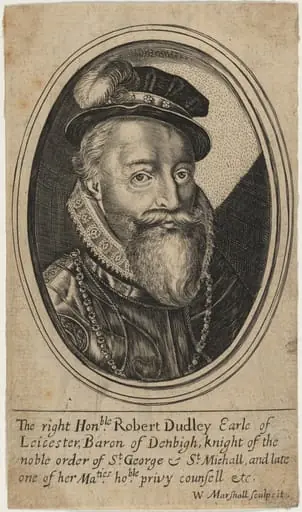 Robert Dudley, Earl of Leicester
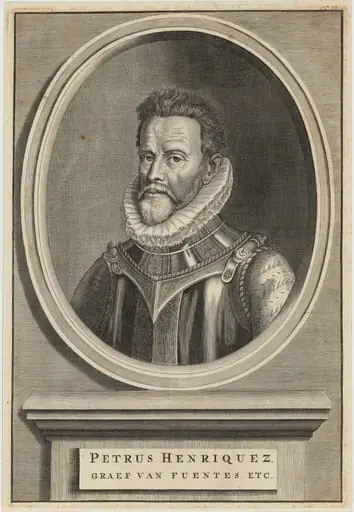 Petrus Henriquez
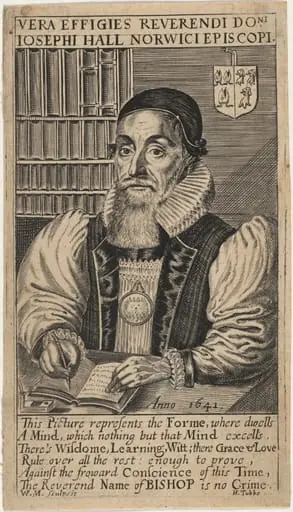 Joseph Hall, Bishop of Norwich
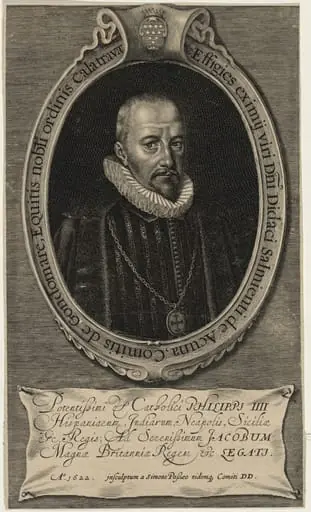 Diego Sarmiento de Acuna, Count of Gondomar
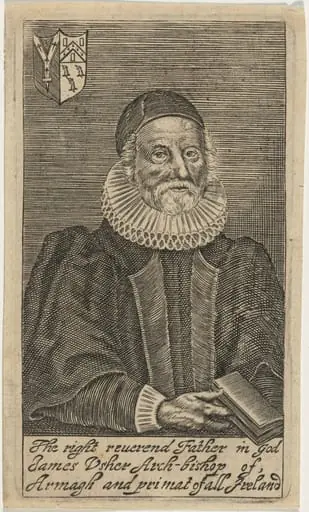 James Ussher, Archbishop of Armagh