Artwork
Mary, Princess of Orange
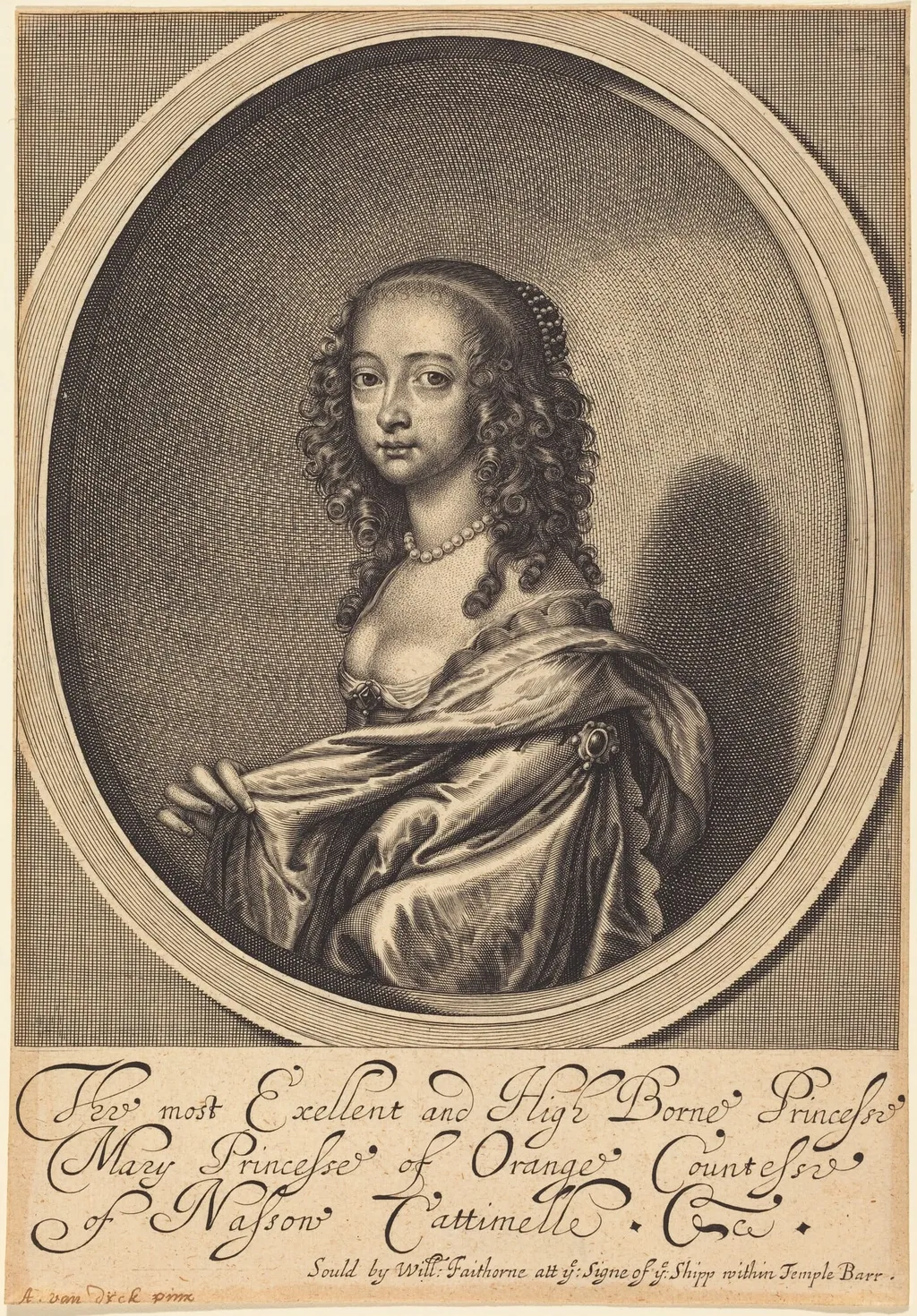
Mary, Princess of Orange is an ink print by the Baroque artist William Faithorne. It dates from 1654 and is held in the collection of the National Gallery of Art.
About this work
Overview
William Faithorne’s 1654 engraving presents Mary, Princess of Orange, rendered in a formal portrait style. The image is confined within a circular frame that isolates the figure against an unadorned backdrop, emphasizing her presence through line and shading rather than elaborate scenery.
Subject & Meaning
The portrait depicts the princess with tightly curled hair, a pearl necklace, and a satin gown, her gaze turned to the side and her hands delicately folded before her. The composed pose and modest expression convey the decorum expected of a noblewoman in the mid‑seventeenth century.
Technique & Style
Faithorne employed cross‑hatching to build tonal depth, creating a subtle sheen on the satin fabric and a textured pattern within the circular frame. The engraving’s restrained palette and emphasis on surface detail align it with the Baroque period’s interest in realism and dramatic contrast.
History & Provenance
Created in 1654, the print reflects Faithorne’s work as a leading English engraver of the era. While specific ownership records are scarce, the image has been reproduced in catalogues of Dutch and English portraiture, indicating its continued scholarly relevance.
Artist & collection
Artist
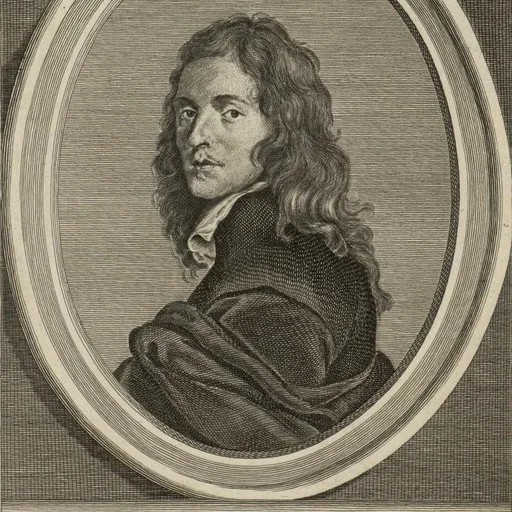
William Faithorne (1616–1691) was a British artist, born in Greater London.

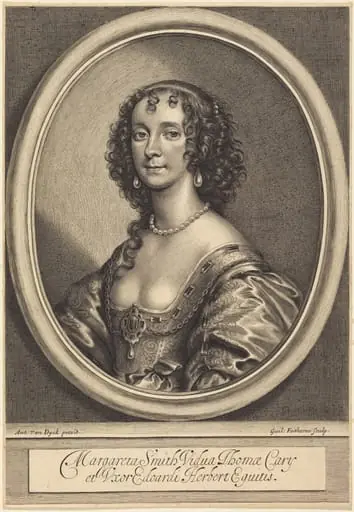 Margaret Smith
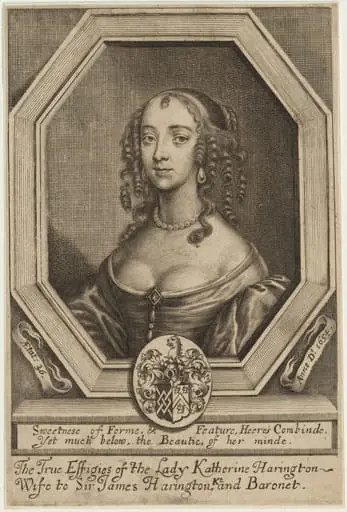 Lady Katherine Harrington
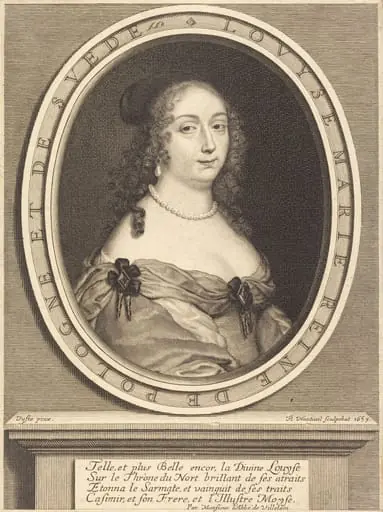 Louis-Marie, Queen of Poland
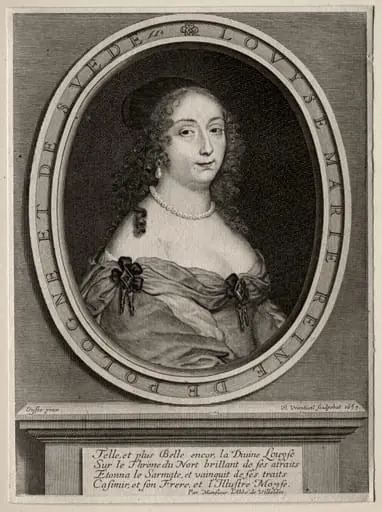 Marie Louise de Gonzague, Reine de Pologne
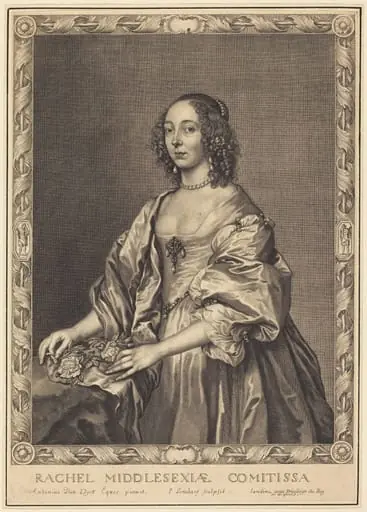 Rachel, Countess of Middlesex
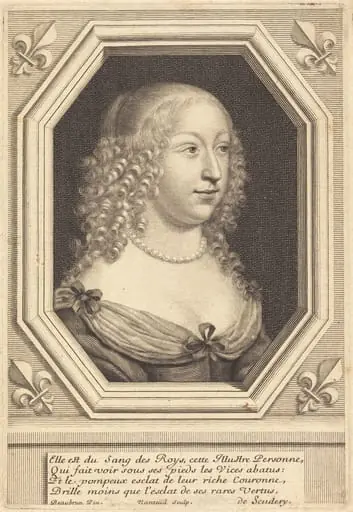 Marie d'Orléans-Longueville, Duchesse de Nemours
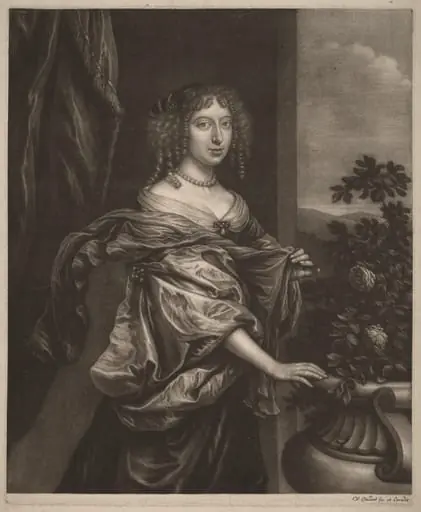 Portrait of a Lady beside a Rose Bush
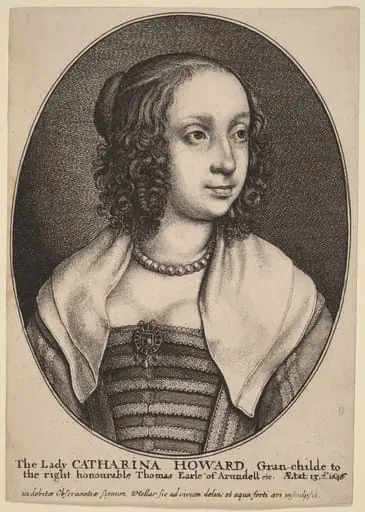 Lady Catherine Howard
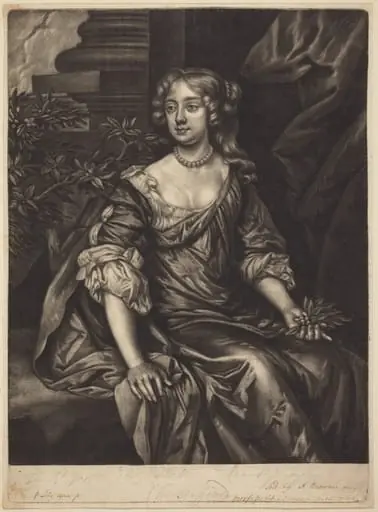 The Right Honorable Lady Elizabeth Butler, Countess of Chesterfield