Artwork
Head of a Boy
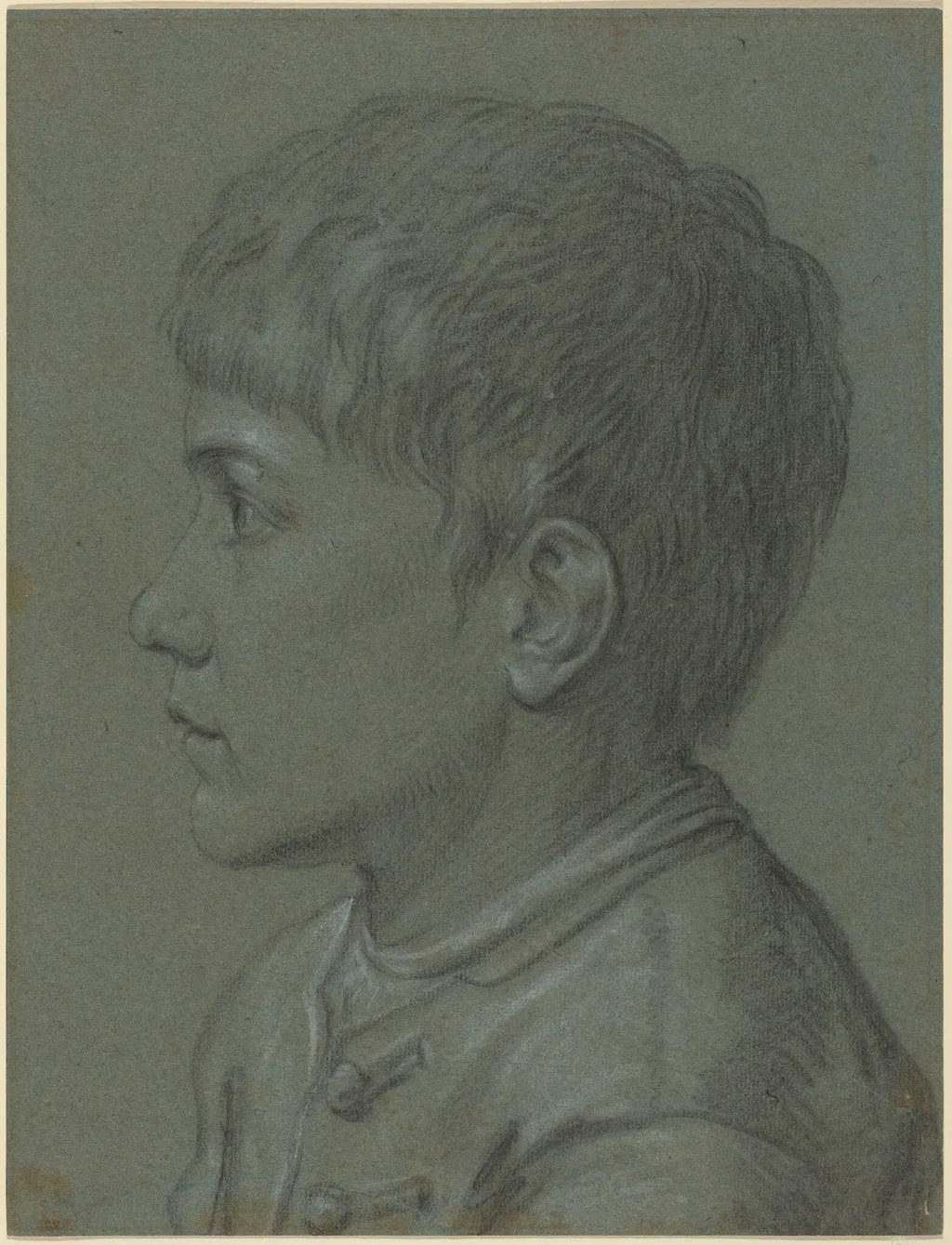
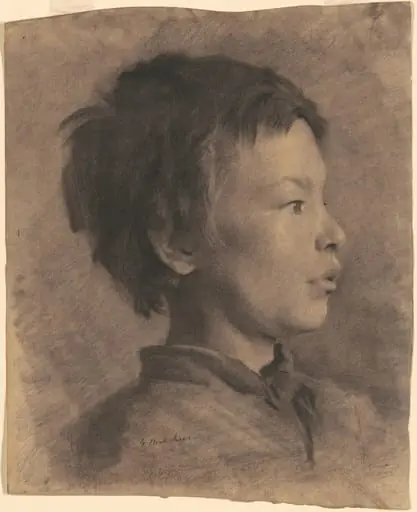
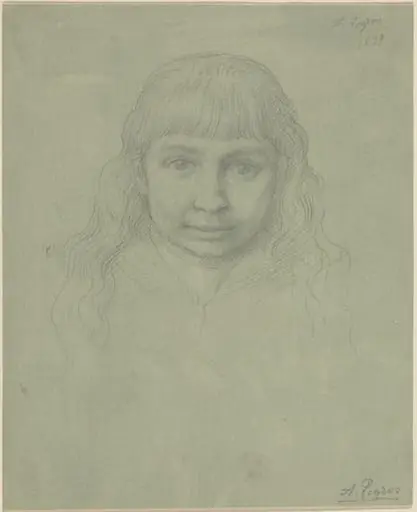
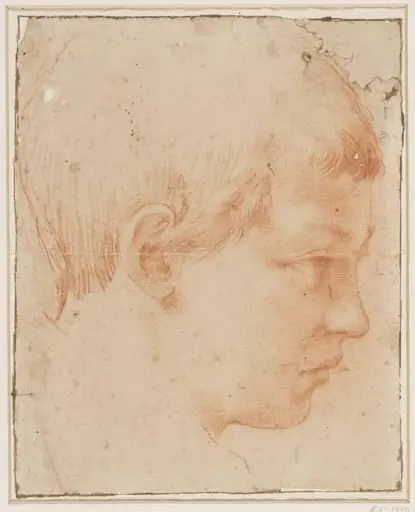
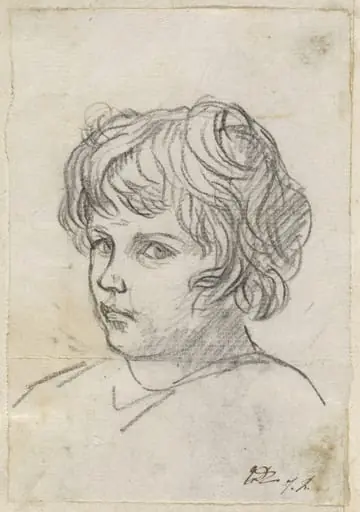
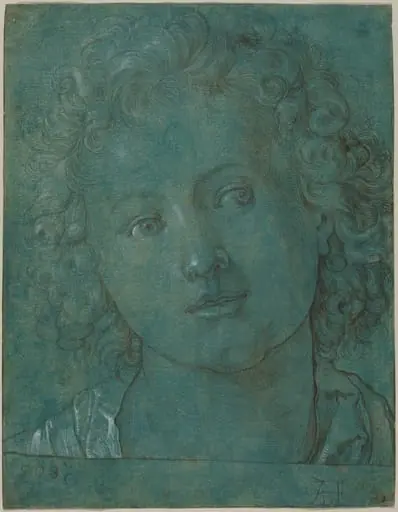
Head of a Boy is a chalk drawing by the Renaissance artist Paolo Farinati. It dates from 1565 and is held in the collection of the National Gallery of Art.
About this work
Overview
It belongs to a tradition of preparatory and independent figure studies common among Italian draftsmen of the late Renaissance.
This drawing by Paolo Farinati, dated around 1565, is executed in black and white chalk on blue paper. It belongs to a tradition of preparatory and independent figure studies common among Italian draftsmen of the late Renaissance. The choice of colored paper and contrasting chalks reflects a refined approach to tonal modeling, characteristic of northern Italian artistic practice during this period.
Subject & Meaning
The portrait depicts a young boy, rendered with quiet intensity and subtle individuality. There is no narrative context or symbolic attribute, suggesting the work functions primarily as a study of form and expression. The focus on a non-idealized youth aligns with Mannerist interests in psychological nuance and personal presence over classical harmony.
Technique & Style
Farinati employs fine lines and graded chalk tones to model the boy’s features, creating volume through light and shadow without heavy outlines. The blue paper serves as a mid-tone base, allowing white chalk to highlight and black chalk to deepen shadows. This method demonstrates a controlled use of chiaroscuro, emphasizing texture and spatial depth with minimal means.
History & Provenance
Farinati, active in Verona, Mantua, and Venice, produced numerous drawings alongside his painted commissions. This work likely originated as a study for a larger composition or as an independent exercise in observation. Its survival suggests it was valued by contemporaries or later collectors for its technical precision and expressive clarity.
Context
In mid-16th century northern Italy, drawing was increasingly recognized as a distinct art form. Artists like Farinati engaged with Mannerist ideals that prioritized elegance, complexity, and emotional subtlety over High Renaissance balance. The use of colored paper and chalk was a practical and aesthetic choice among Venetian and Veronese draftsmen seeking to explore light and form.
Legacy
Farinati’s drawings, including this one, contributed to the development of Italian draftsmanship in the late Renaissance. They illustrate how artists moved beyond mere preparation toward independent studies of character and light. His approach influenced later generations in northern Italy, where drawing remained central to artistic training and expression.
Artist & collection
Artist
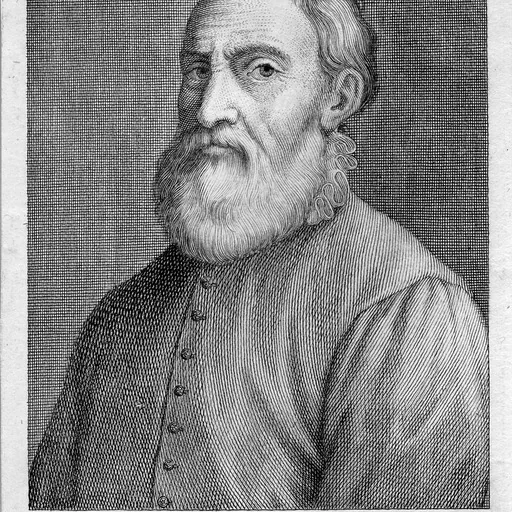
Paolo Farinati (also known as Farinato or Farinato degli Uberti; c. 1524 – c. 1606) was an Italian painter of the Mannerist style, active mainly in his native Verona, but also in Mantua and Venice. He may have ancestors…