Artwork
Japanese Temple Graveyard, Shuntoji, Nagasaki
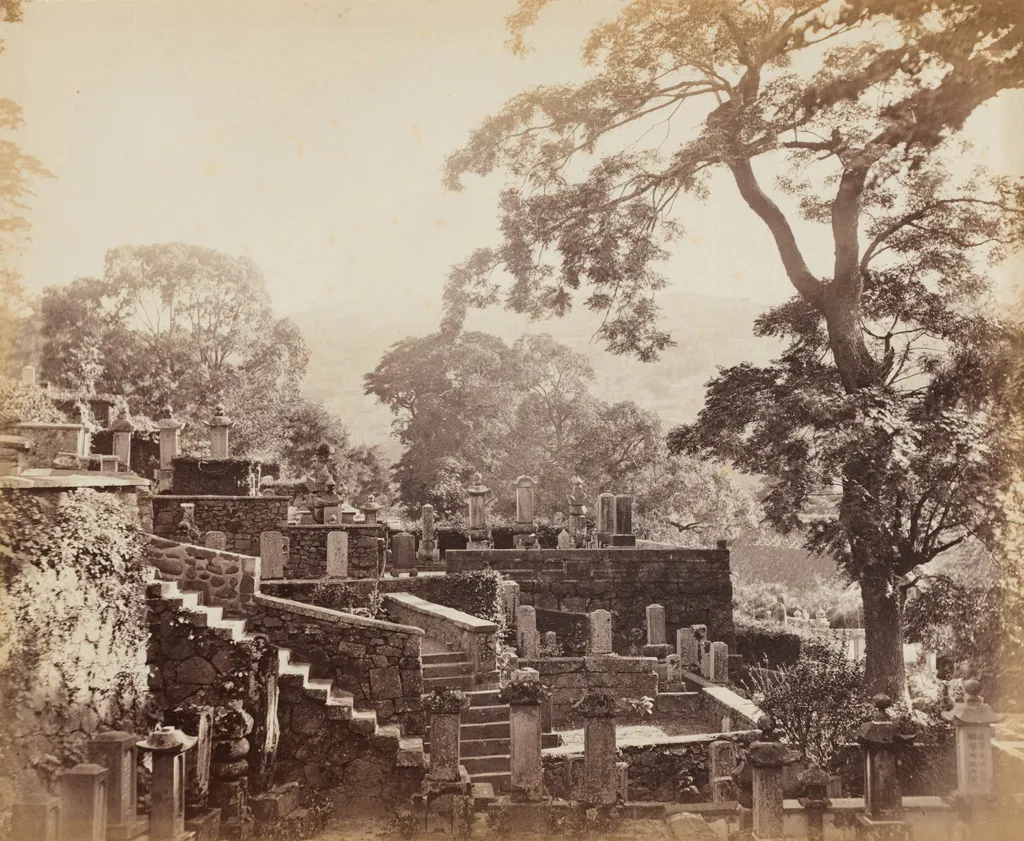
Japanese Temple Graveyard, Shuntoji, Nagasaki is a photography by the Impressionist artist Felice A. Beato. It dates from 1867 and is held in the collection of the Cleveland Museum of Art.
About this work
This image depicts a serene Japanese temple graveyard, with a staircase leading up to a stone wall and a tree in the foreground.
This image depicts a serene Japanese temple graveyard, with a staircase leading up to a stone wall and a tree in the foreground. The scene is set against a backdrop of trees and a distant mountain range.
The artist's use of light and shadow creates a sense of depth and atmosphere, drawing the viewer's eye through the composition. The image is rendered in a muted color palette, with earthy tones dominating the scene.
The artist's attention to detail and use of chiaroscuro technique create a sense of realism, inviting the viewer to step into the tranquil world of the graveyard. Look up the artist: Felice A. Beato (British, 1830–1906).
Overview
Japanese Temple Graveyard, Shuntoji, Nagasaki is a photograph by Felice Beato, created around 1867. It is part of the collection at The Cleveland Museum of Art.
Subject & Meaning
The photograph depicts a serene graveyard at a Japanese temple, featuring a staircase, stone wall, and foreground tree, set against trees and a distant mountain range. The tranquil scene invites contemplation.
Technique & Style
Beato's use of light and shadow creates depth and atmosphere, guiding the viewer's eye through the composition. A muted color palette with dominant earthy tones adds to the serene ambiance. Chiaroscuro technique enhances the sense of realism.
History & Provenance
Felice Beato, a British photographer active from the mid-19th century, took the photograph circa 1867. Beato was known for his work in documenting landscapes and scenes in Asia during this period.
Artist & collection
Artist
Felice A. Beato and Felice Antonio Beato are collective signatures used by the brothers Felice Beato and Antonio Beato, who were both pioneering photographers in the 19th century. They were noted for their depictions of…

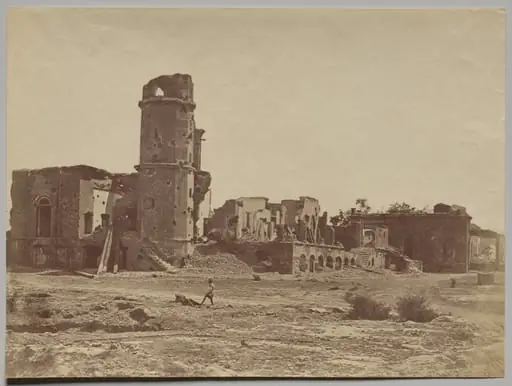 The Residency, Taken from the Redan Battery
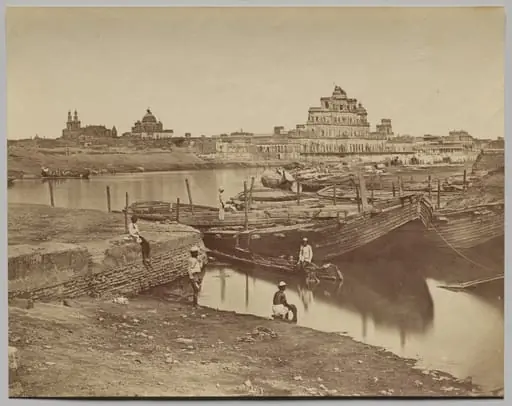 Bridge of Boats over the Gumti River near the Chattar Manzil and Fusseed Bakah or Old Palace
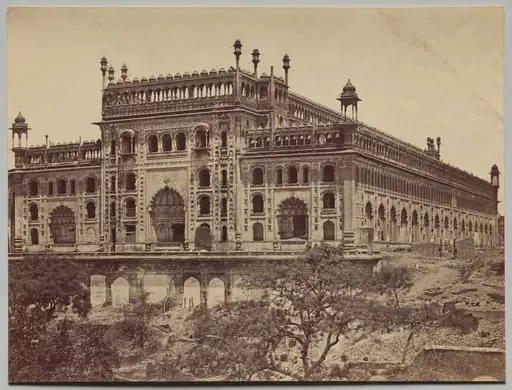 Exterior of Asaf-ud-Daula's Imambara, or Tomb
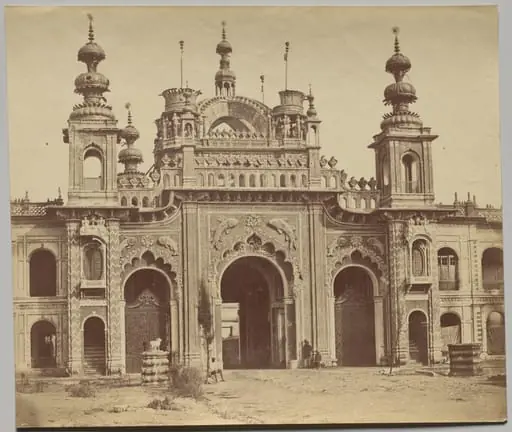 The Great Gateway of the Kasierbagh
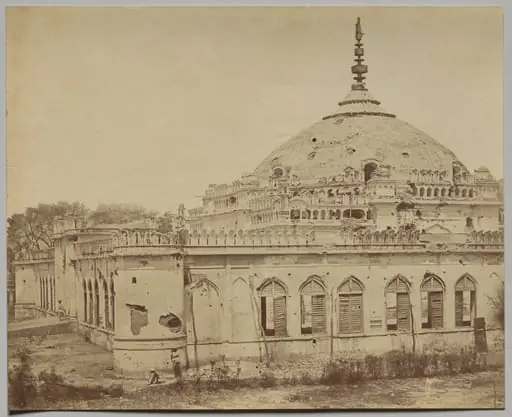 Shah Najaf
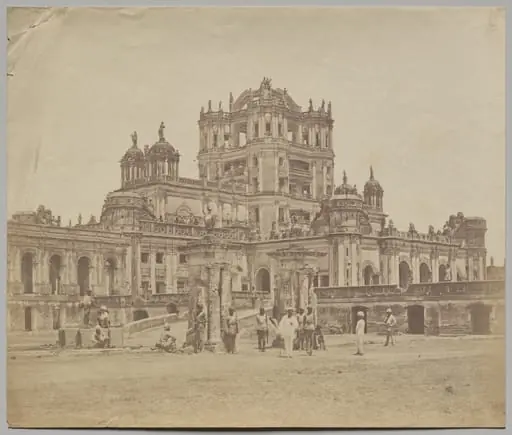 The Martinière College
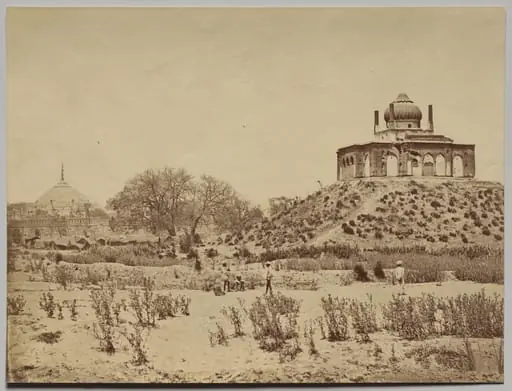 The Kudmsee Russol
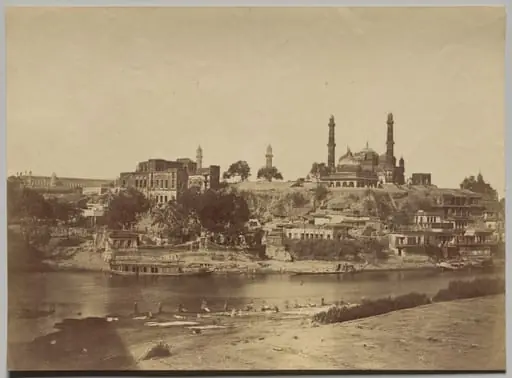 The Muchee Bhawan Fort and the Gomti River Taken from the Stone Bridge
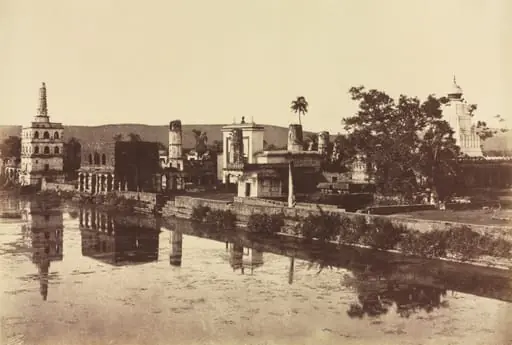 Tank and Temples at Bunshunkuree
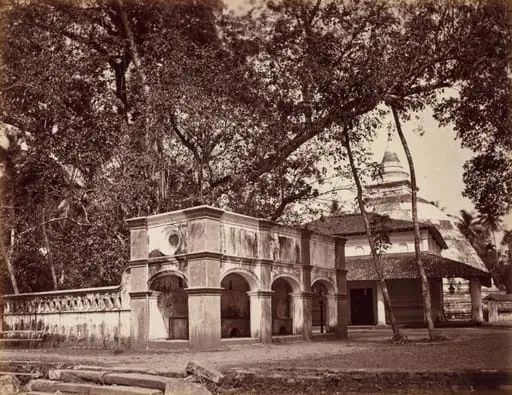 Buddhist Temple, Kalani
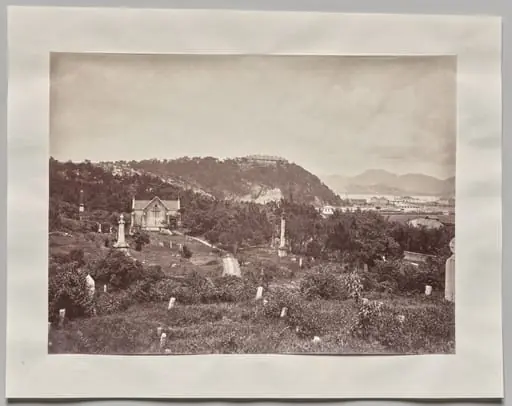 Untitled (Happy Valley Cemetery, Hong Kong)
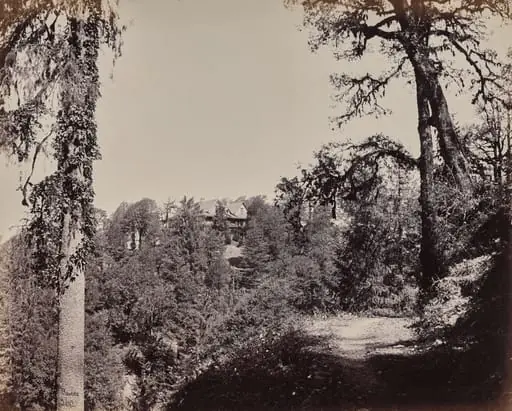 Shimla. Sir Hugh Rose's Bungalow at Mahasso
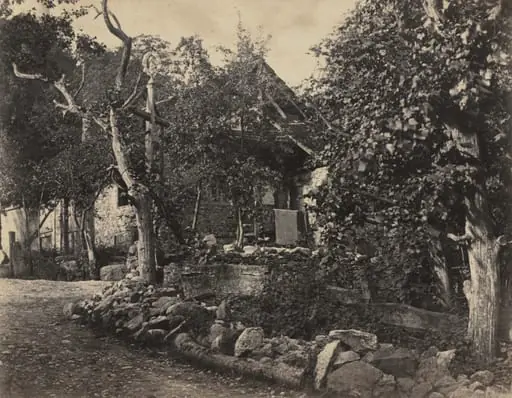 Rural Scene with Stone Building and Cross
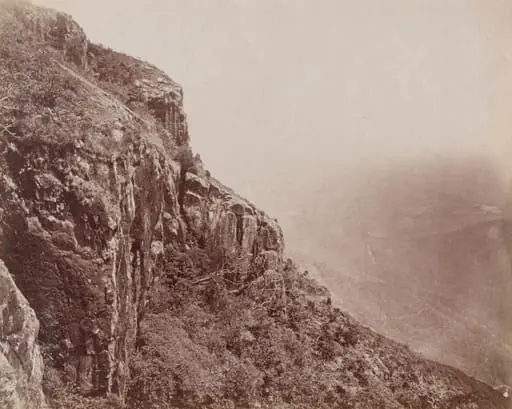 Cliffside, India
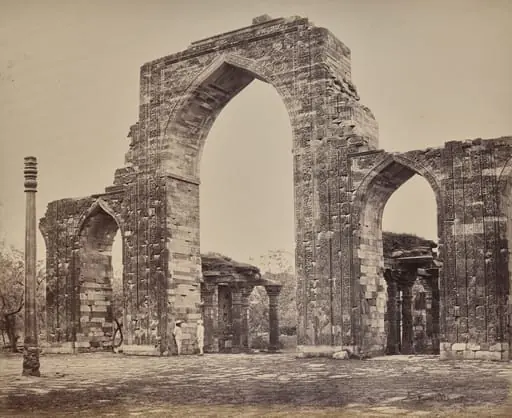 Delhi. Great Arch and Iron Pillar Near the Kootub Minar, Ruin of Old Delhi
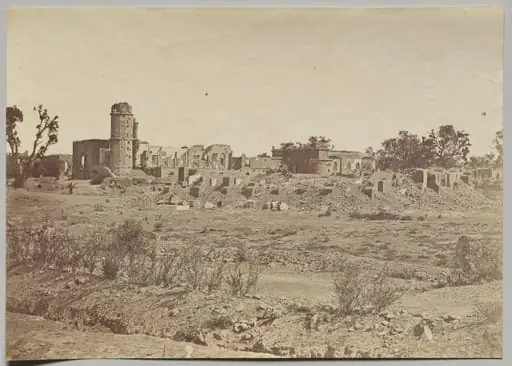 The Churchyard and Residency in the Distance
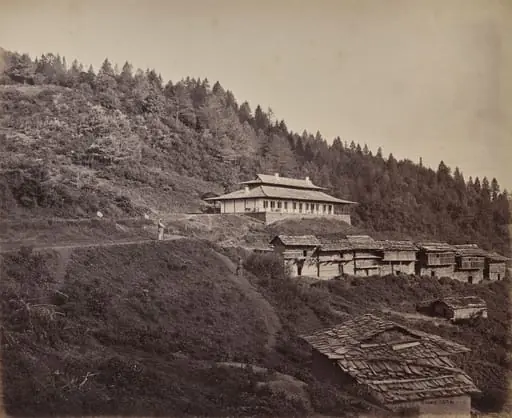 The Upper Himmalayahs. Village of Harkundu with Traveller's Bungalow in Rest-House
 Untitled (verso, bottom)
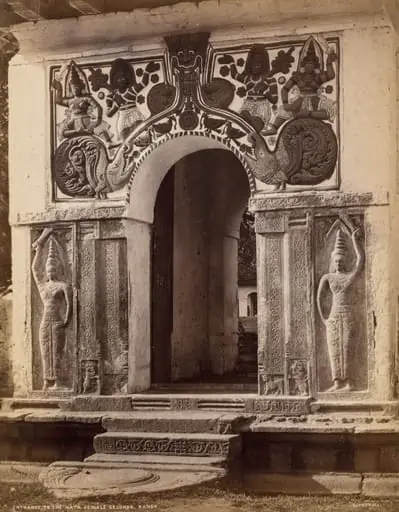 Entrance to the Nata Dewale Grounds, Kandy
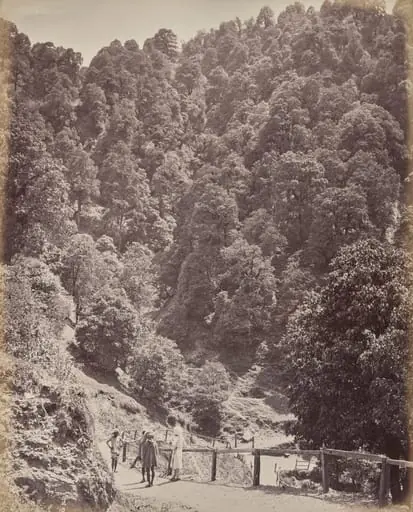 Shimla. View North of Mount Jakko