Artwork
Lucknow. The Great Emambara and Mosque
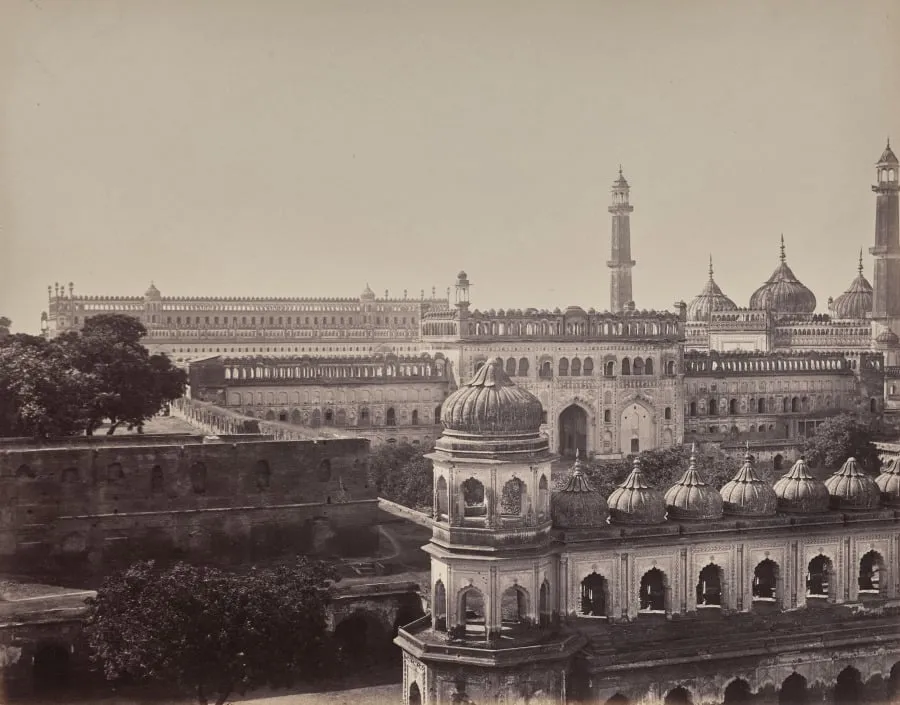
Lucknow. The Great Emambara and Mosque is a photography by the Impressionist artist Samuel Bourne. It dates from 1866 and is held in the collection of the Cleveland Museum of Art. This mid‑nineteenth‑century photograph captures a prominent white mosque and an adjoining arched structure in Lucknow, India.
About this work
If you like old photos of faraway places, look up *Samuel Bourne (British, 1834–1912)*.
You see a tall white mosque and a long arched building in Lucknow, India. The sky is bright, and people in loose clothes walk in front.
This photo was taken in the 1860s, before the buildings were fixed up. It’s one of the few pictures we have of what the place really looked like back then. The photographer traveled all over India to take these shots.
If you like old photos of faraway places, look up *Samuel Bourne (British, 1834–1912)*.
Overview
This mid‑nineteenth‑century photograph captures a prominent white mosque and an adjoining arched structure in Lucknow, India. The composition includes a bright sky and figures in loose garments moving across the foreground, offering a glimpse of everyday activity around the monuments. The image is part of a larger series documenting sites across the Indian subcontinent during the 1860s.
Subject & Meaning
The picture focuses on the Great Emambara and its neighboring mosque, two key elements of Lucknow’s religious and civic landscape. By presenting the buildings in their unaltered state, the photograph records their original scale, materiality, and spatial relationship, providing visual evidence of how the complex functioned within the city’s urban fabric at that time.
Technique & Style
Taken with a large‑format wet‑collodion camera, the image displays the high level of detail typical of mid‑Victorian photographic practice. The stark contrast between the white façade and the bright sky, combined with the shallow depth of field that keeps the architecture sharply rendered while the pedestrians appear softer, reflects the photographer’s emphasis on architectural clarity.
History & Provenance
The photograph was produced during a series of expeditions across India in the 1860s, undertaken by British photographer Samuel Bourne. His collection of fifty images, ranging from Himalayan hill towns to major urban centers such as Lahore, Delhi, Agra, Varanasi, and Calcutta, serves as an important documentary record of monuments before later twentieth‑century restorations.
Artist & collection

Artist
Samuel Bourne was a British photographer known for his prolific seven years' work in India, from 1863 to 1870.

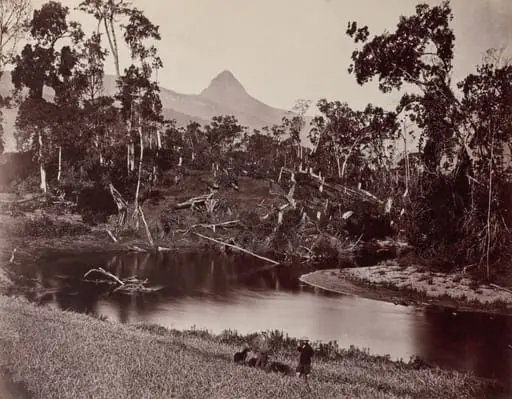 Ceylon Views to Adam's Tooth
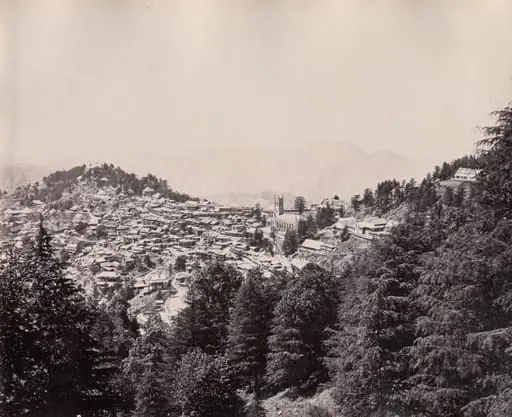 Shimla
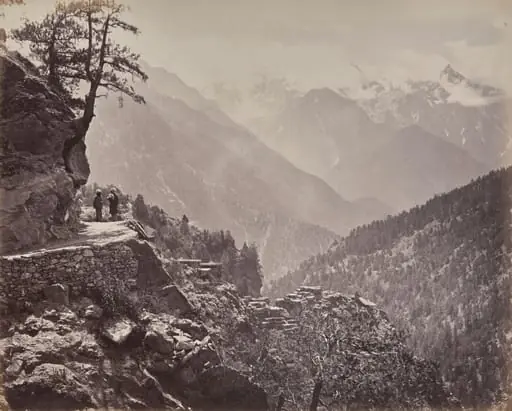 The Upper Himmalayahs. View on the New Road between India and China. Mt. Pangi with the Snowy Peaks of China in the Distance
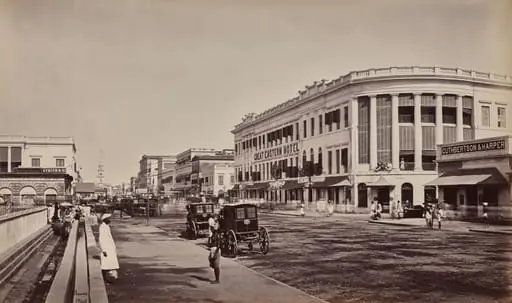 Calcutta. Old Court House Street
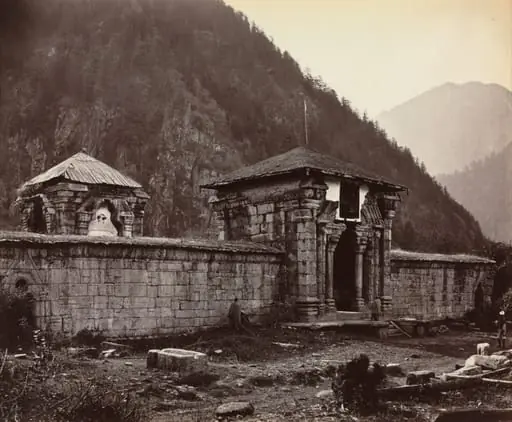 Temple at Naveshera, Kashmir, India
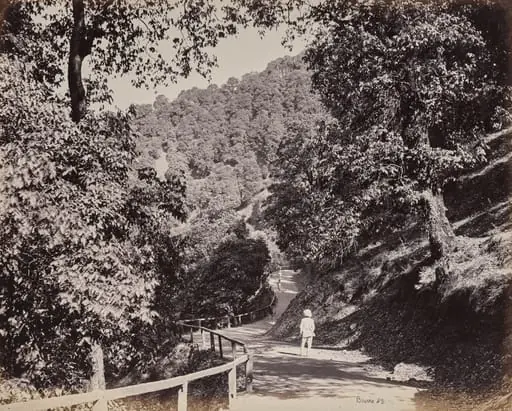 Shimla. The Mall near Rabq Lodge
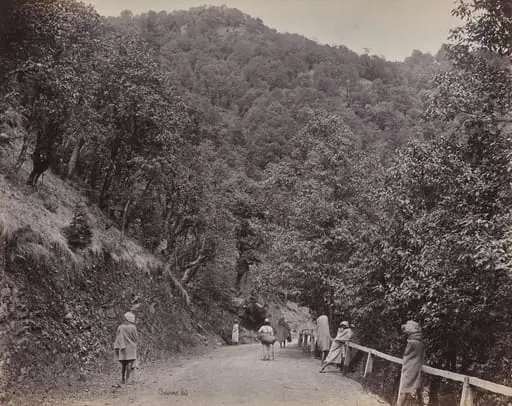 Shimla. The Mall or Principal
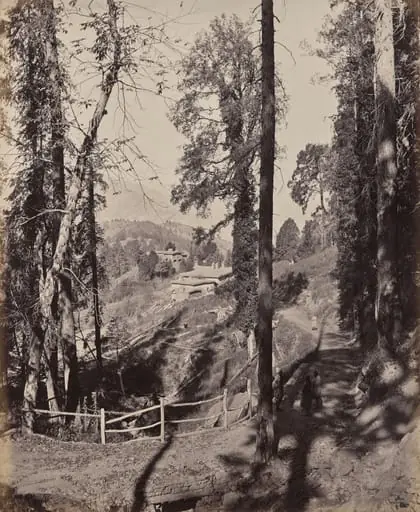 Murree. A Hill Station in the Himmalayahs, View Through the Forest
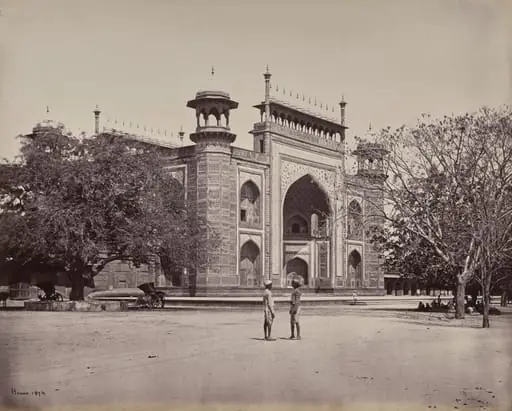 Agra. The Gateway of the Gardens Surrounding the Taj
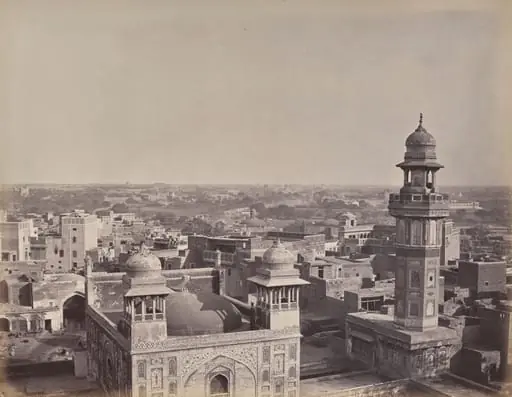 The City of Lahore. Another View Taken from Huzeer Khan's House
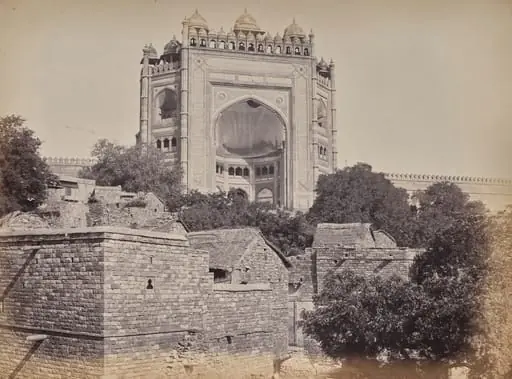 Futheypoor Sikre Guard Gate of the Fort
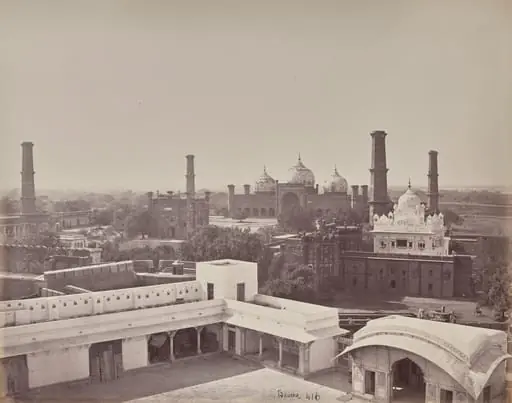 View of the City of Lahore Taken from the Roof of the Palace in the Fort
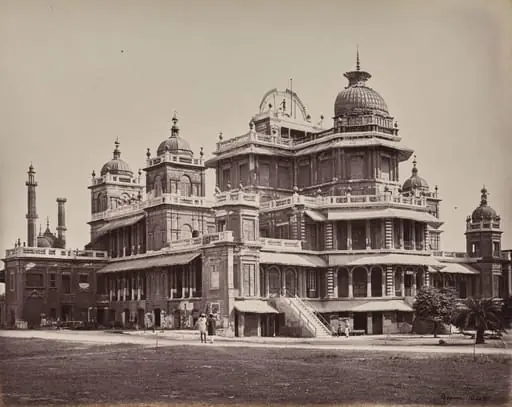 Lucknow. The Kaiser Pass and Southeast View
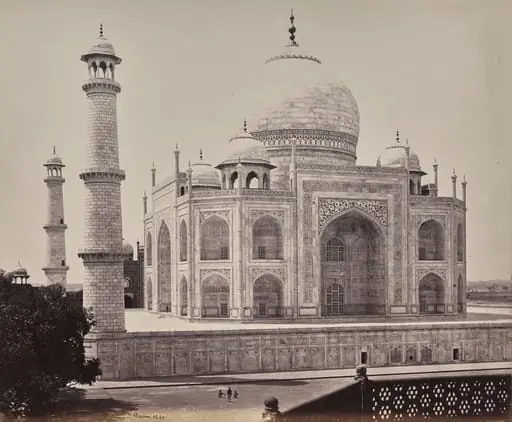 Agra. View of the Taj from a Corner in the Quadrangle
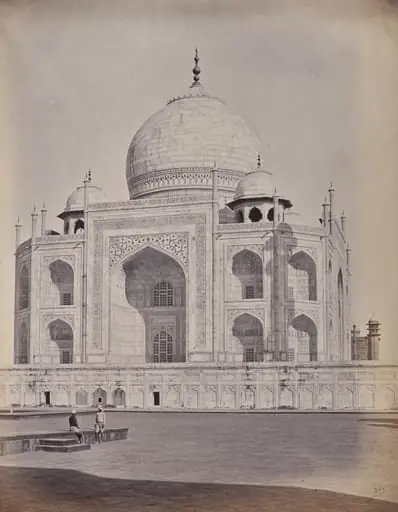 Agra. The Taj, the Central of Principal City
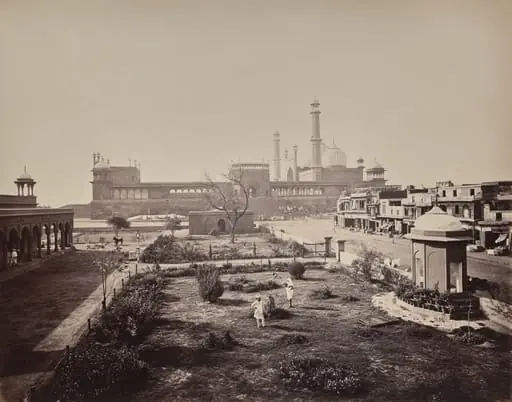 Delhi. View of North Side of the Jamma Musjid in Principal Mabonedau Place of Worship
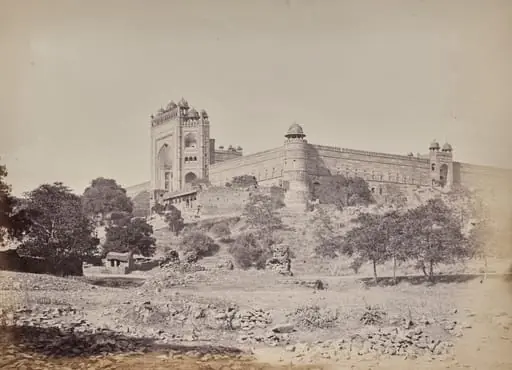 Fort of Futheypoor Sikre near Agra. The Residence of the Emperor Akbar
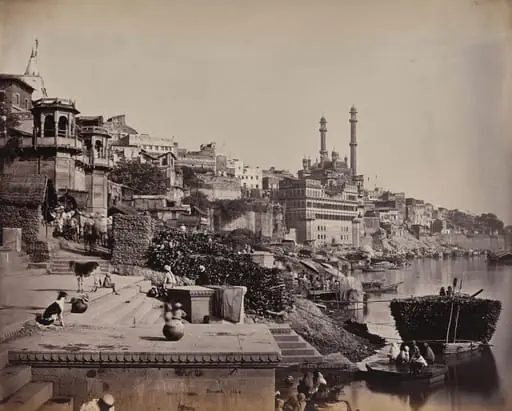 The City of Benares, on the Ganges, View of the Great Mosque of A (?) and Adjoining Landing Places