Artwork
The Martinière School
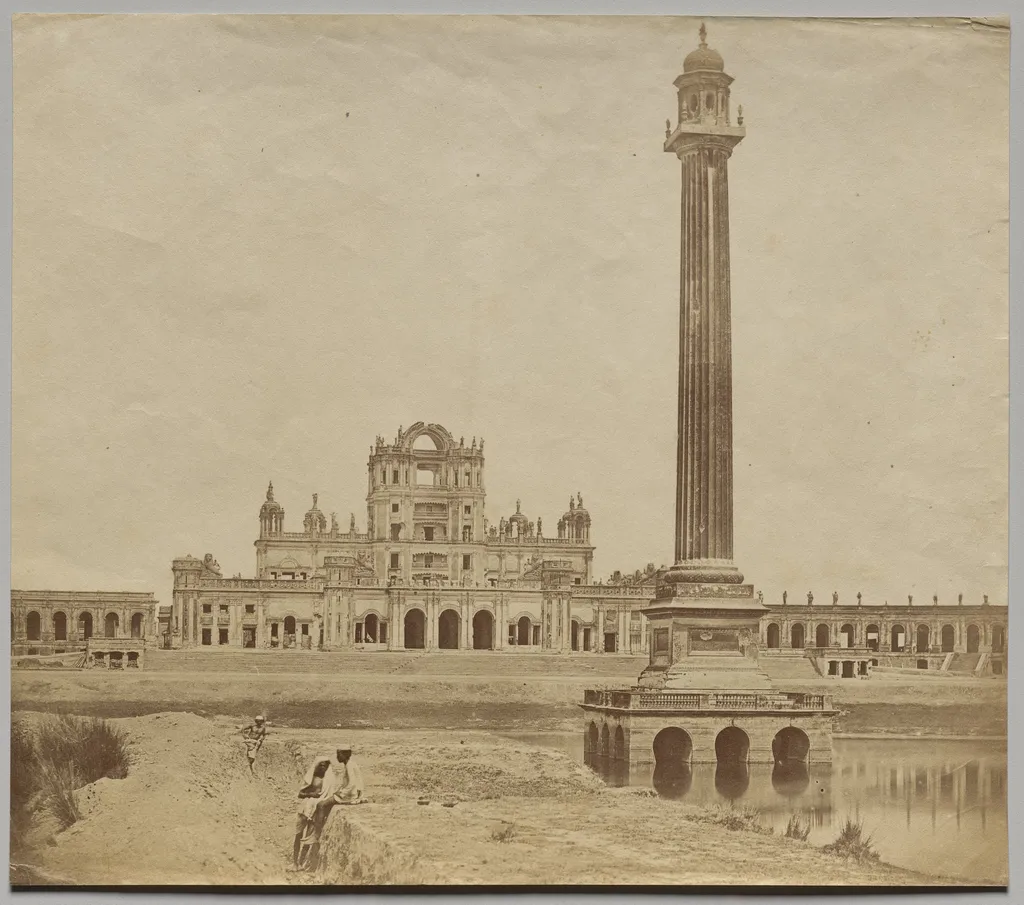
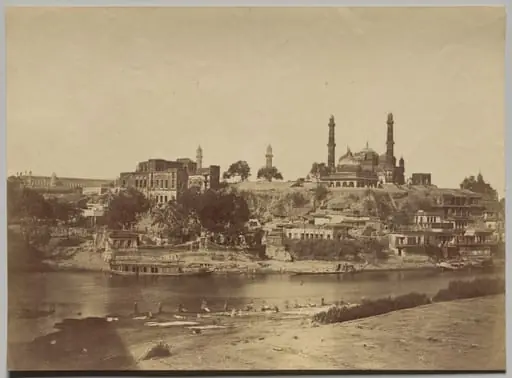
The Martinière School is a photography by the Impressionist artist Felice A. Beato. It dates from 1858 and is held in the collection of the Cleveland Museum of Art. Taken in 1858 by Felice A.
About this work
Overview
The image presents the building’s formal architecture with clarity and precision, reflecting the early photographic practice’s emphasis on documentation.
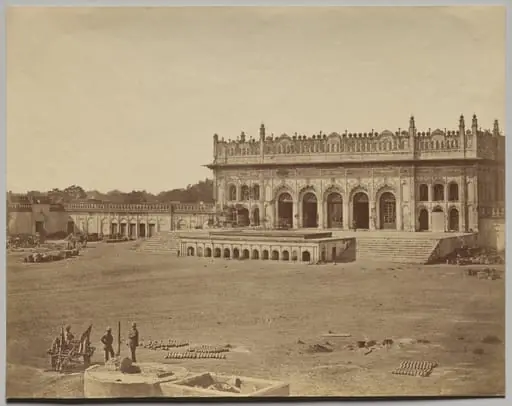
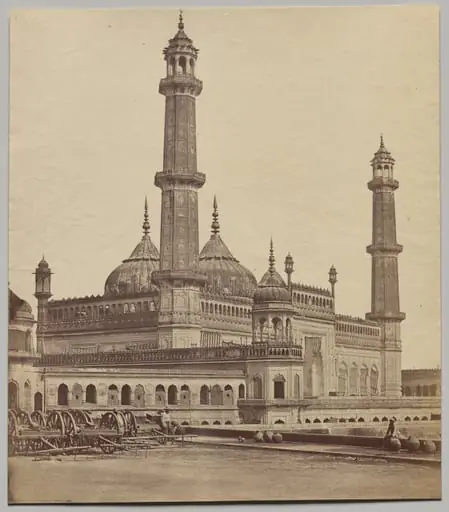
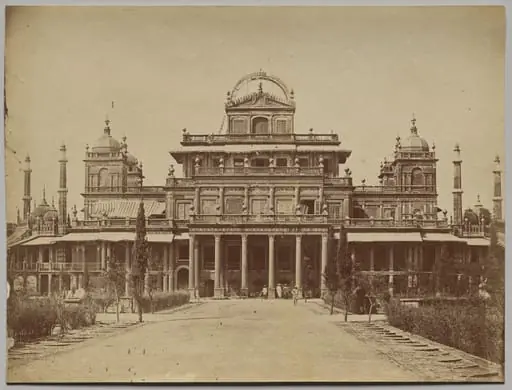
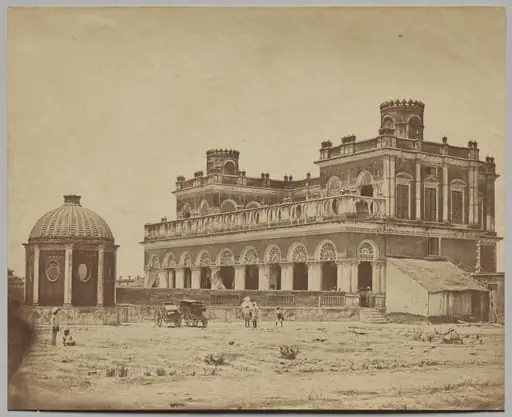
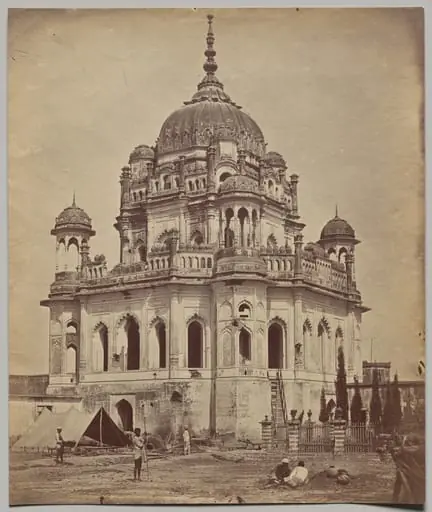
Taken in 1858 by Felice A. Beato, this photograph captures the Martinière School in Calcutta, a colonial-era educational institution. The image presents the building’s formal architecture with clarity and precision, reflecting the early photographic practice’s emphasis on documentation. Its composition centers on the structure’s symmetrical design, emphasizing order and permanence. The photograph is part of the Cleveland Museum of Art’s collection, preserved as a record of 19th-century Indian architecture under British influence.
Subject & Meaning
The Martinière School was established to educate the children of European and Anglo-Indian families during British rule. The photograph’s focus on its grand, axial layout underscores the institution’s role as a symbol of colonial authority and cultural transmission. The empty courtyard and scattered figures suggest a quiet, controlled environment, reinforcing the building’s function as a place of discipline and institutional order rather than lively activity.
Technique & Style
Beato employed the wet collodion process, which allowed for fine detail and tonal range in the image. The careful manipulation of natural light highlights the building’s stonework and the dome of its central tower, creating a sense of volume and texture. Shadows fall deliberately to guide the viewer’s gaze toward the structure’s axis, a compositional choice that aligns with documentary aims rather than artistic embellishment.
History & Provenance
The photograph was made during Beato’s travels through India following the 1857 Rebellion, a period when he documented both ruins and newly established colonial institutions. The Martinière School, founded in the early 19th century, remained a prominent educational site. The image entered the Cleveland Museum of Art’s collection through later acquisitions, likely as part of a broader effort to preserve early South Asian photographic records.
Context
In mid-19th century Calcutta, European-style architecture was deliberately deployed to assert cultural dominance. The Martinière School’s design echoed European academies, signaling the British commitment to transplanting their educational models. Beato’s photograph, made during a time of political upheaval, quietly reinforces the stability and continuity of colonial institutions through its composed, uncluttered framing.
Legacy
This image stands as a historical artifact of colonial education in India, offering insight into how architecture was used to project institutional authority. Beato’s work contributed to the visual record of British India, influencing later ethnographic and architectural documentation. Today, it serves as a reference for scholars studying the intersection of photography, empire, and education in the 19th century.
Artist & collection
Artist
Felice A. Beato and Felice Antonio Beato are collective signatures used by the brothers Felice Beato and Antonio Beato, who were both pioneering photographers in the 19th century. They were noted for their depictions of…

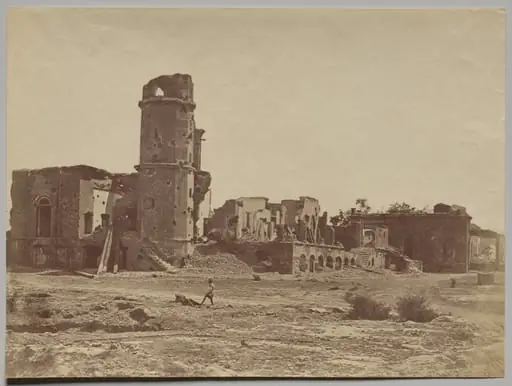 The Residency, Taken from the Redan Battery
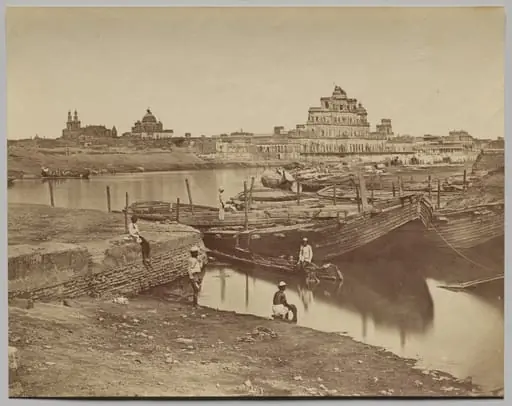 Bridge of Boats over the Gumti River near the Chattar Manzil and Fusseed Bakah or Old Palace
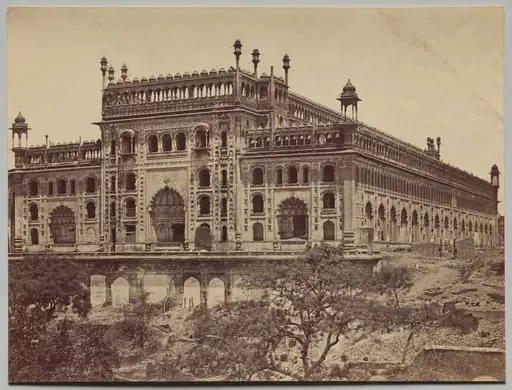 Exterior of Asaf-ud-Daula's Imambara, or Tomb
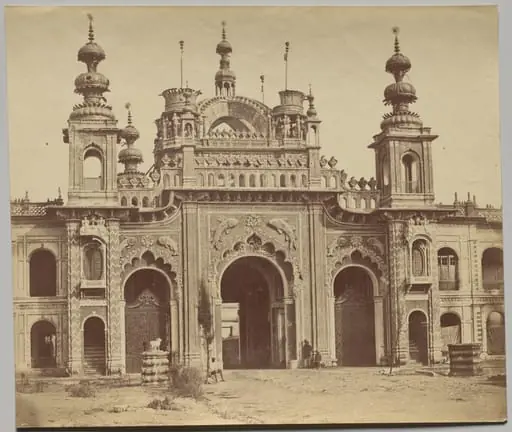 The Great Gateway of the Kasierbagh
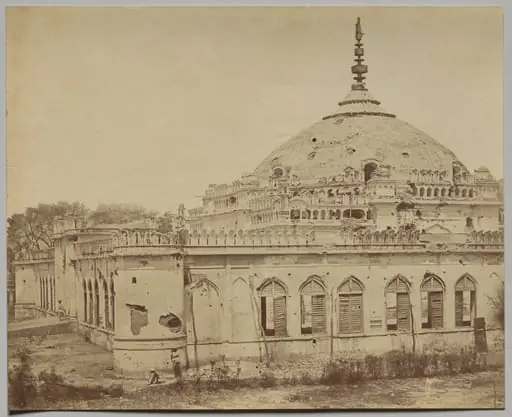 Shah Najaf
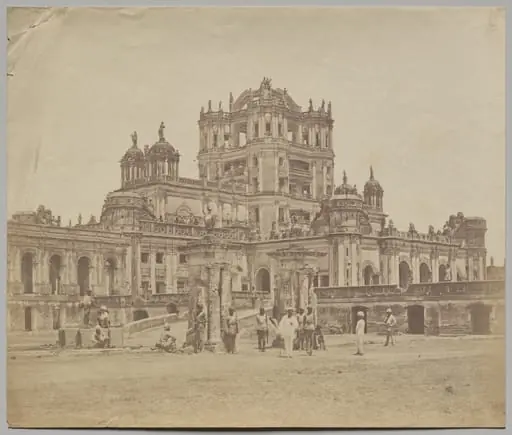 The Martinière College
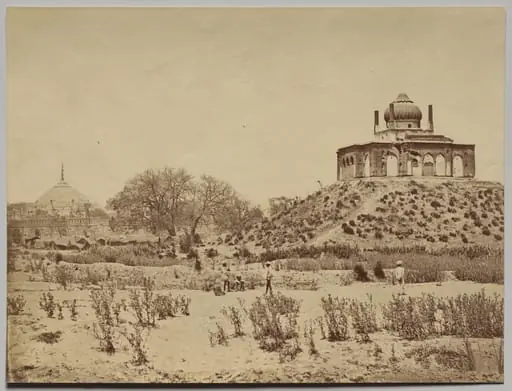 The Kudmsee Russol
 The Muchee Bhawan Fort and the Gomti River Taken from the Stone Bridge