Artwork
Tuesday. Bergveste Salzburg from the Midday Side
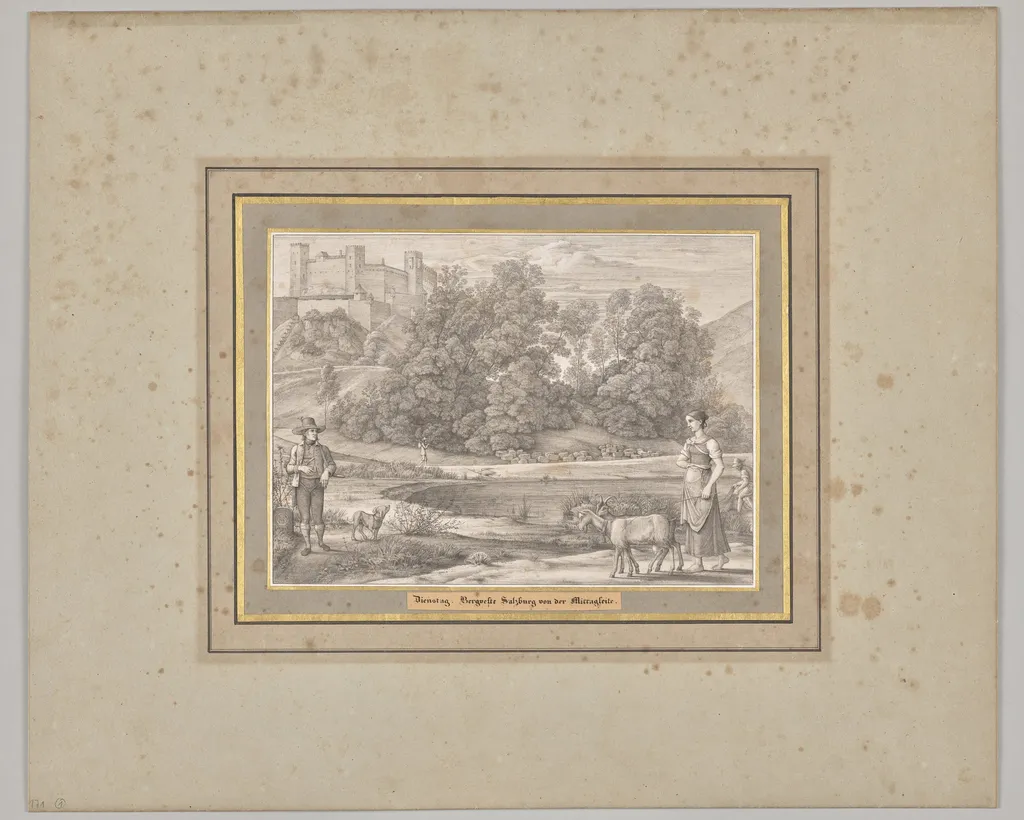
Tuesday. Bergveste Salzburg from the Midday Side is a print by the Romanticist artist Ferdinand Olivier. It dates from 1820 and is held in the collection of the Cleveland Museum of Art.
About this work
Overview
Ferdinand Olivier’s 1820 print titled “Tuesday. Bergveste Salzburg from the Midday Side” depicts a tranquil Alpine landscape. The composition centers on a narrow path flanked by a man and a woman, with a goat and a dog nearby, while a distant castle rises above the hills. The work is part of the collection of the Cleveland Museum of Art.
Subject & Meaning
The scene presents a quiet moment in a rural setting, emphasizing the relationship between humans, animals, and the surrounding environment. The figures, positioned on either side of the path, suggest a shared journey, while the distant fortress serves as a visual anchor that frames the everyday activity within a broader, historic landscape.
Technique & Style
Olivier employs a careful modulation of light and shadow to convey depth, allowing the foreground figures to emerge against a luminous sky. The detailed rendering of foliage, stonework, and animal fur reflects the Romantic interest in natural observation, while the print’s tonal range creates an atmospheric sense of midday illumination.
History & Provenance
Created in 1820, the print entered the Cleveland Museum of Art’s holdings through acquisition in the early twentieth century. Its presence in the museum’s collection illustrates the institution’s commitment to representing early nineteenth‑century European printmaking and the work of lesser‑known Romantic artists such as Olivier.
Artist & collection

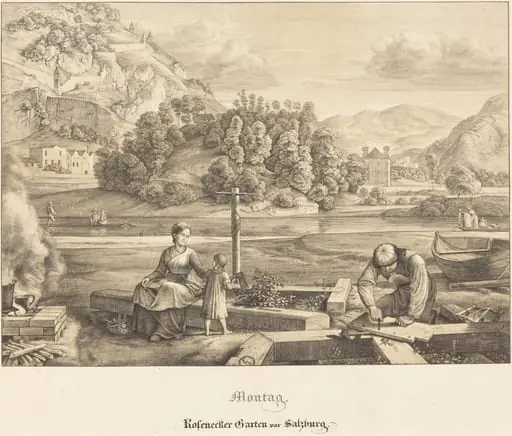 Montag - Rosenecker Garten vor Salzburg (Monday - Rosenecker Garden near Salzburg)
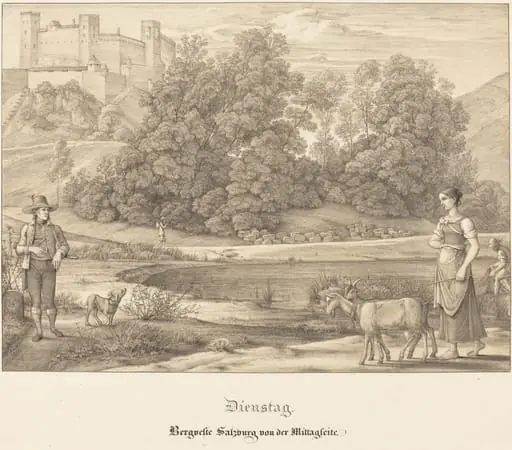 Dienstag - Bergveste Salzburg vor der Mittagseit (Tuesday - The Castle of Salzburg from the Noontime Side)
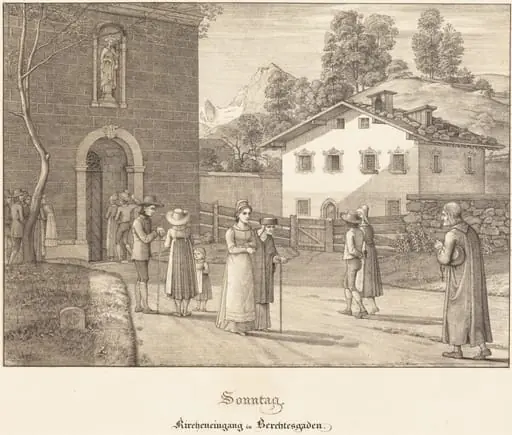 Sonntag - Kircheneingang in Berchtesgaden (Sunday - Going to Church near Berchtesgaden)
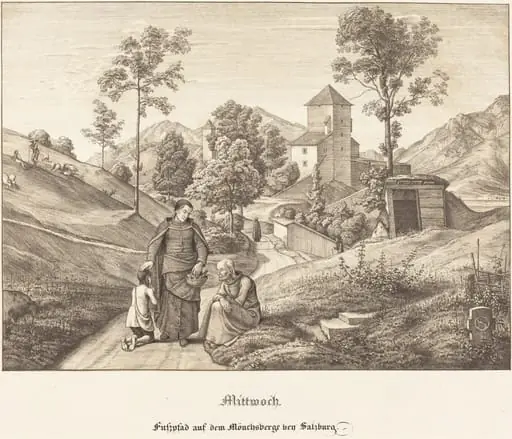 Mittwoch - Fusspfad auf dem Mönchsberge bey Salzburg (Wednesday - Footpath on the Mönchsberge near Salzburg)
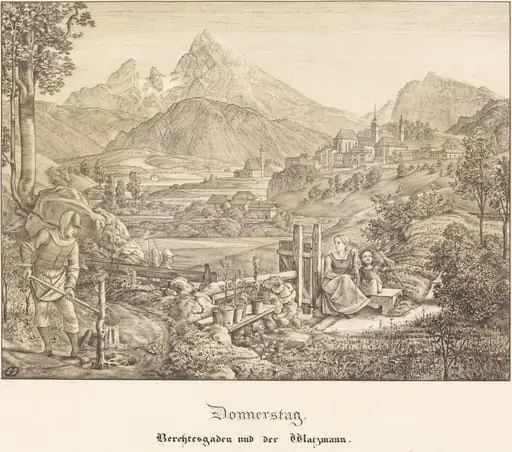 Donnerstag - Berchtesgaden und der Watzmann (Thursday - Berchtesgaden and the Watzmann Mountain)
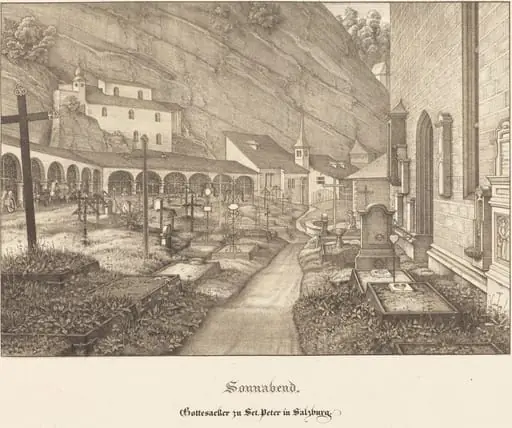 Sonnabend - Gottesacker zu St. Peter in Salzburg (Saturday - Graveyard of St. Peter's in Salzburg)
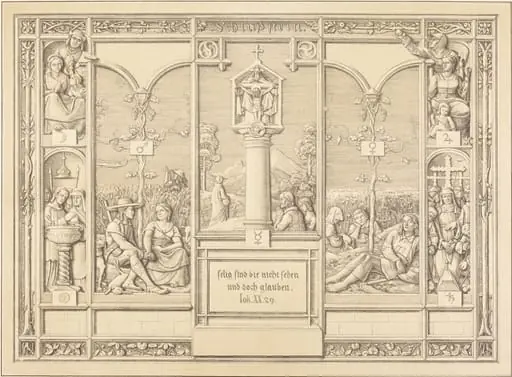 Tailpiece: Selig sind die nicht sehen und doch glauben (Blessed are those who do not
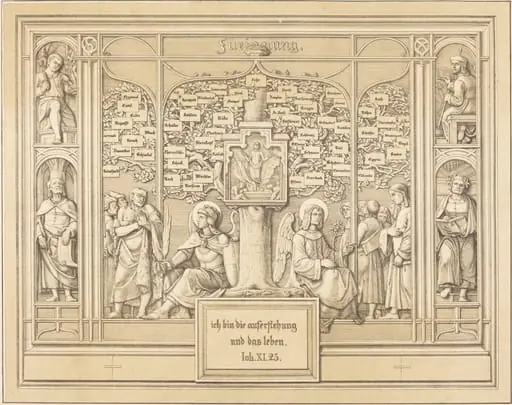 Dedication: Ich bin die Auferstehung und das Leben (I am the resurrection and the life)
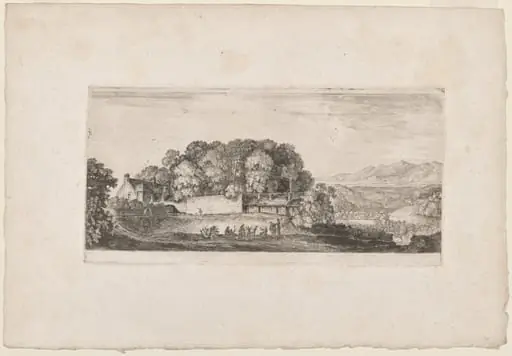 Hill-head, near Lasswade
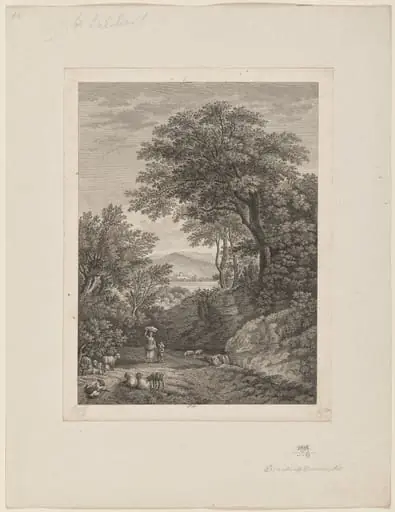 Landscape with Shepherds
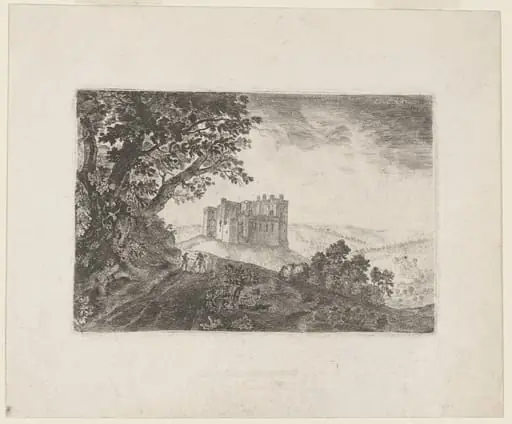 Crichton Castle from the Northeast
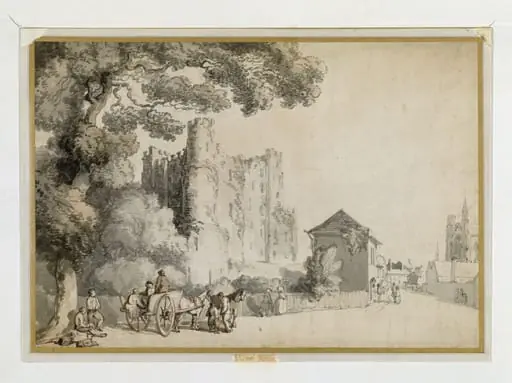 Boley Hill and Castle, Rochester, with the "Justice Tree"
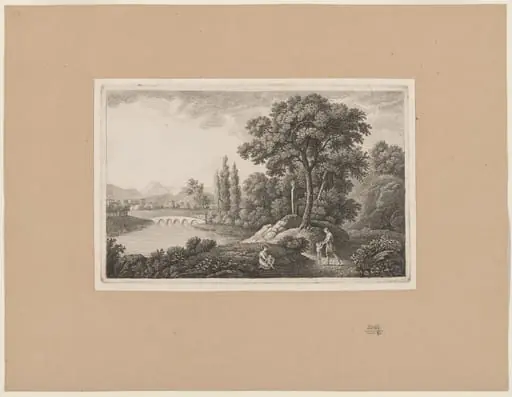 Classical Landscape with a Family by a River
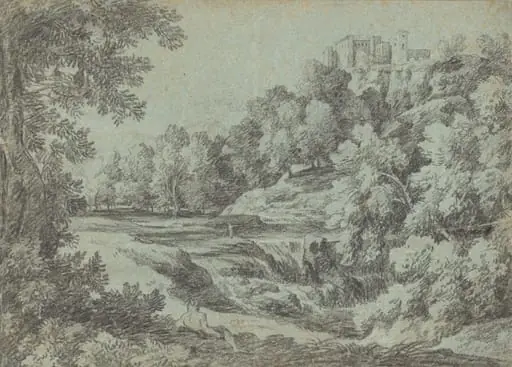 Italian Landscape with Fortifications and a Waterfall
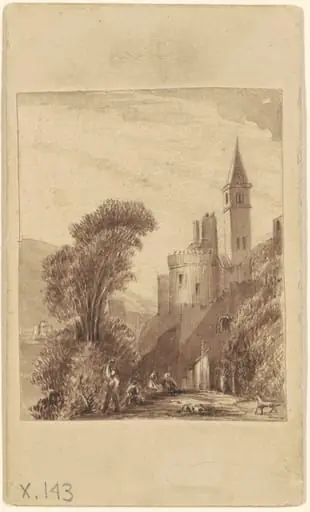 Castle and Figures
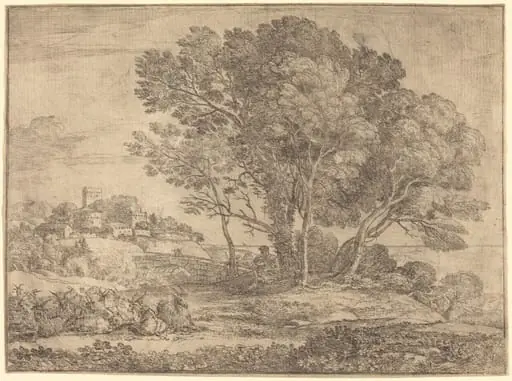 The Goatherd (Le chevrier)
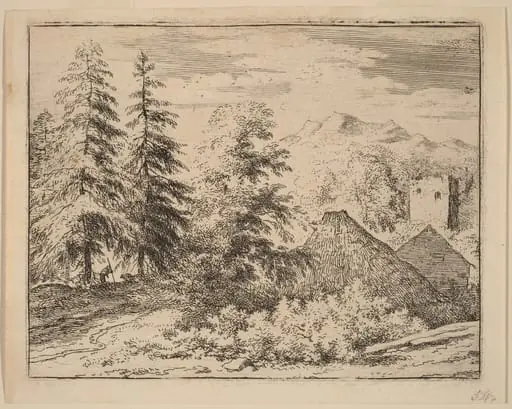 Man between Two Fir Trees
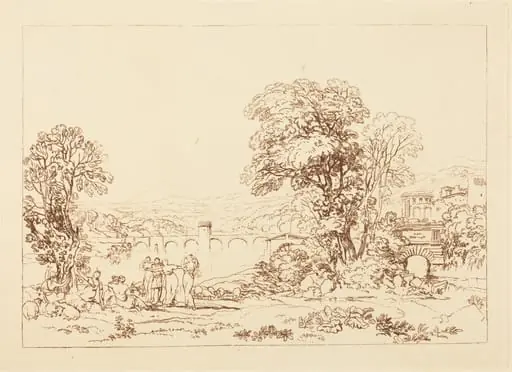 Apuleia in Search of Apuleius
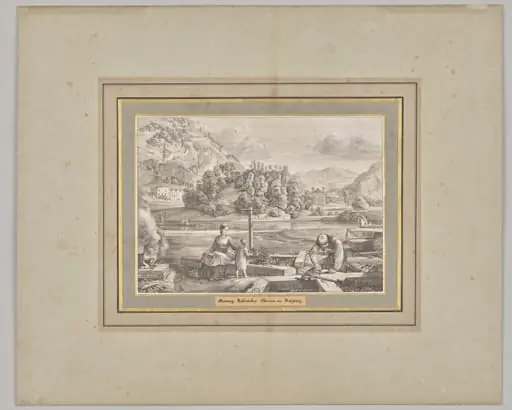 Monday. Rosenecker Garden in Front of Salzburg
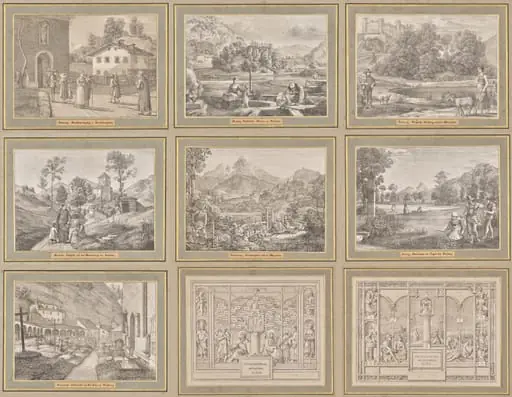 Seven Areas from Salzburg and Berchtesgaden. Arranged according to the seven days of the week, connected by two allegorical sheets