Artwork
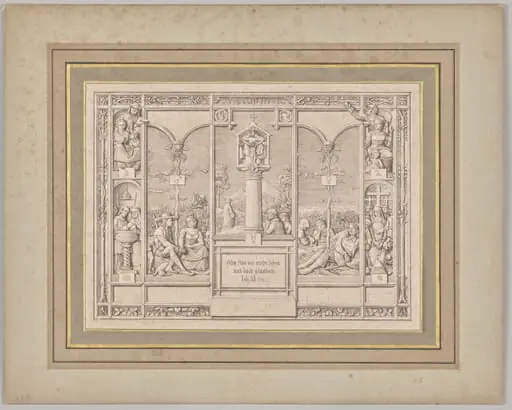
Tailpiece: Selig sind die nicht sehen und doch glauben (Blessed are those who do not
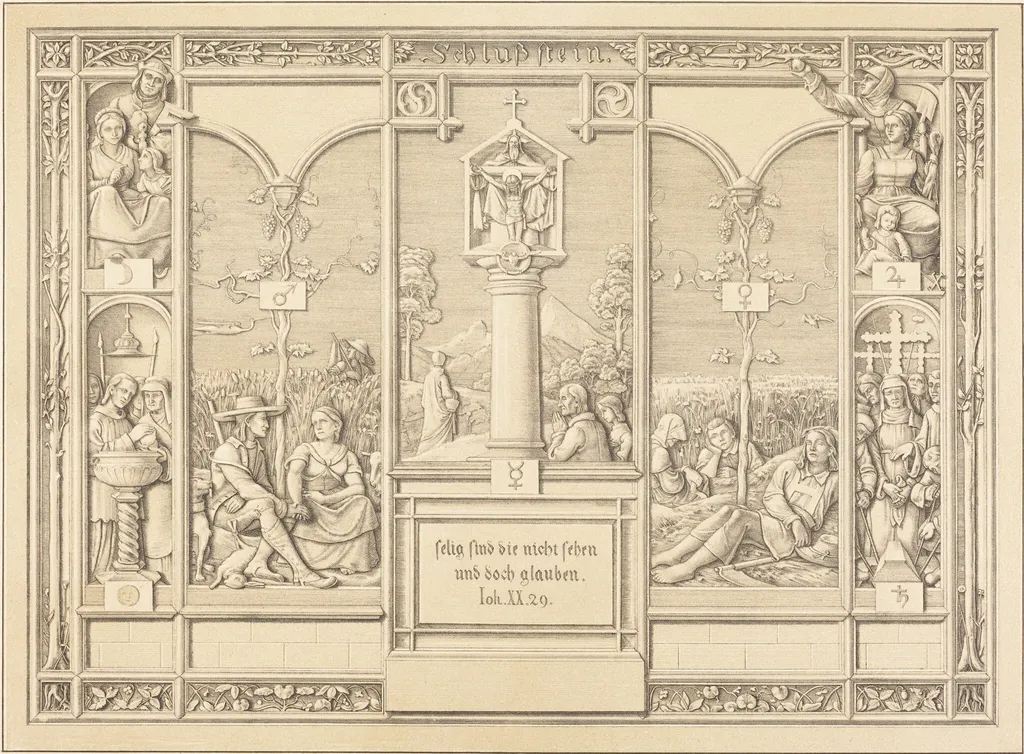
Tailpiece: Selig sind die nicht sehen und doch glauben (Blessed are those who do not is an ink print by the Romanticist artist Ferdinand Olivier. It dates from 1823 and is held in the collection of the National Gallery of Art.
About this work
Overview
Ferdinand Olivier's 1823 lithograph, "Selig sind die nicht sehen und doch glauben" (Blessed are those who do not see and yet believe), is a print divided into three vertical panels, each conveying a distinct scene related to faith and devotion.
Subject & Meaning
The composition as a whole visually interprets the biblical quote at the bottom, emphasizing the theme of faith beyond sight.
The left panel depicts a serene couple in a field, holding hands, symbolizing personal, quiet faith. The central panel shows a cross with a figure, surrounded by praying figures, representing communal worship and sacrifice. The right panel illustrates a group resting under trees, possibly indicating rest through faith. The composition as a whole visually interprets the biblical quote at the bottom, emphasizing the theme of faith beyond sight.
Technique & Style
Executed in lithography, the print features soft, quickly drawn lines, suggesting a spontaneous or expressive approach to the medium. The overall aesthetic is characterized by simplicity and directness, focusing attention on the narrative and thematic elements.
History & Provenance
Created in 1823, specific details about the print's provenance (ownership history) and any notable exhibitions or collections it belongs to are not provided in the available information.
Context
The work reflects early 19th-century European religious themes in art, with lithography being a relatively new medium at the time, allowing for wider dissemination of images. The biblical quote in German underscores the piece's cultural and linguistic context.
Legacy
The lasting impact or influence of "Selig sind die nicht sehen und doch glauben" on subsequent art or religious iconography is not detailed in the provided information, highlighting a gap in the available historical or critical analysis of the work.
Artist & collection

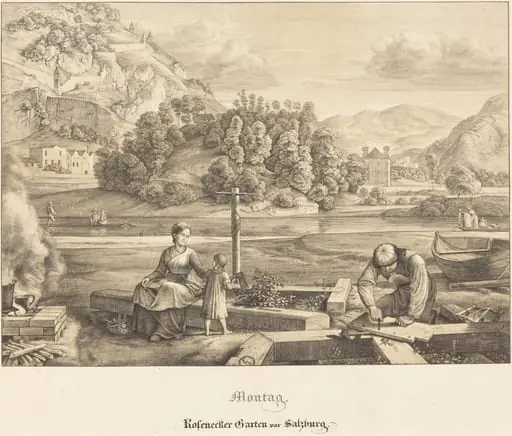 Montag - Rosenecker Garten vor Salzburg (Monday - Rosenecker Garden near Salzburg)
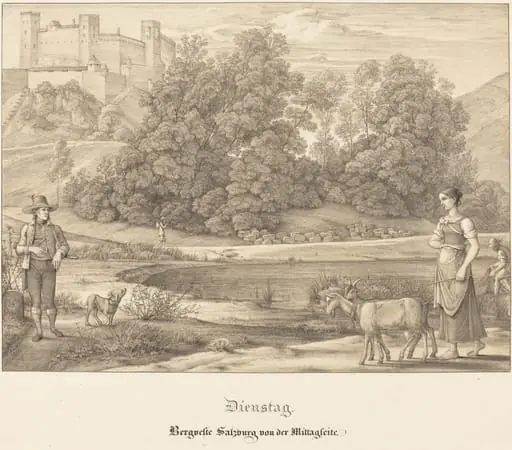 Dienstag - Bergveste Salzburg vor der Mittagseit (Tuesday - The Castle of Salzburg from the Noontime Side)
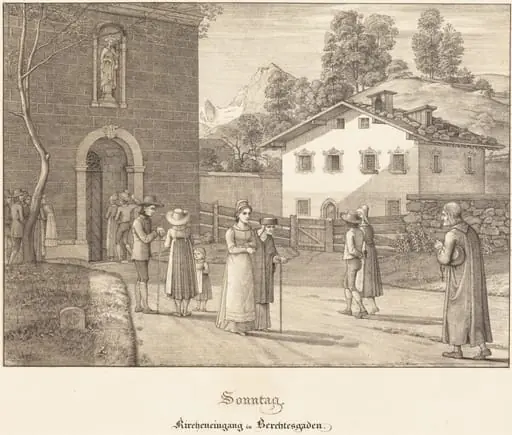 Sonntag - Kircheneingang in Berchtesgaden (Sunday - Going to Church near Berchtesgaden)
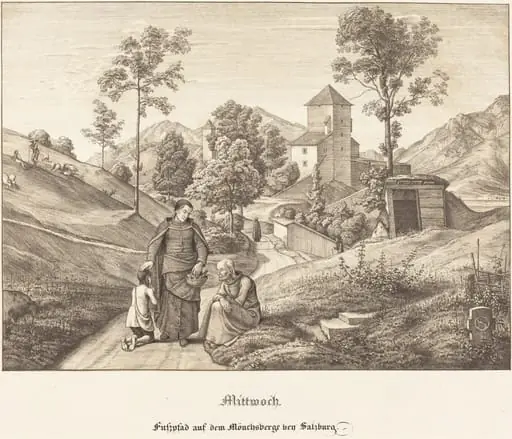 Mittwoch - Fusspfad auf dem Mönchsberge bey Salzburg (Wednesday - Footpath on the Mönchsberge near Salzburg)
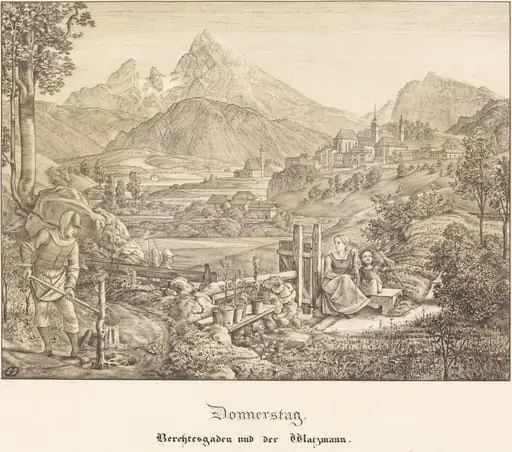 Donnerstag - Berchtesgaden und der Watzmann (Thursday - Berchtesgaden and the Watzmann Mountain)
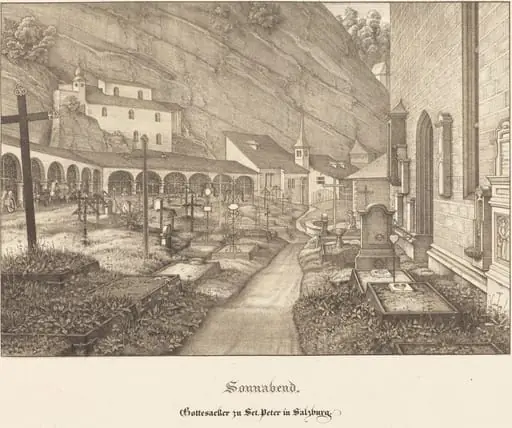 Sonnabend - Gottesacker zu St. Peter in Salzburg (Saturday - Graveyard of St. Peter's in Salzburg)
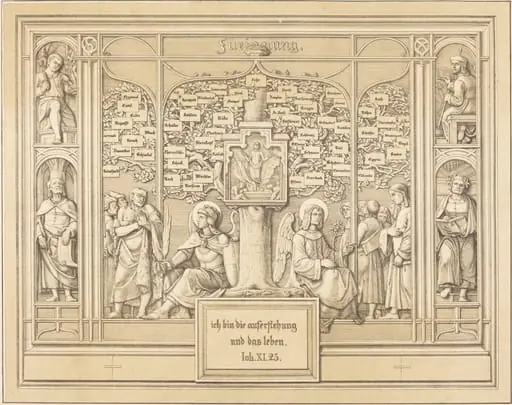 Dedication: Ich bin die Auferstehung und das Leben (I am the resurrection and the life)
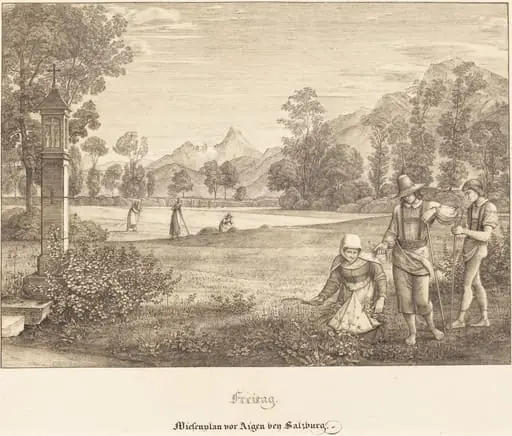 Freitag - Wiesenplan vor Aigen bey Salzburg (Meadow before Aigen near Salzburg)
 Capstone. John XX, 29
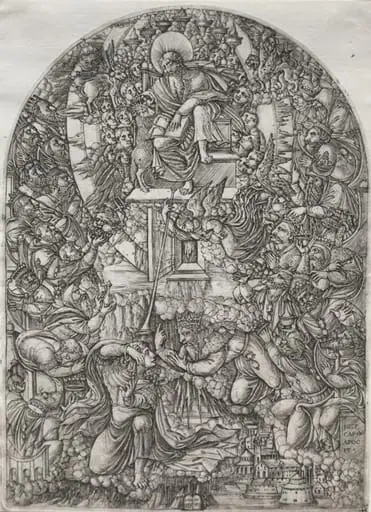 The Apocalpse: St. John Summoned to Heaven
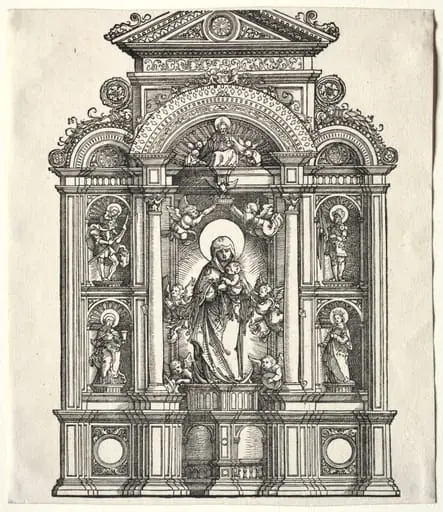 Great Altar with the Virgin, in a border with SS. Christopher, George, Barbara, Catherine
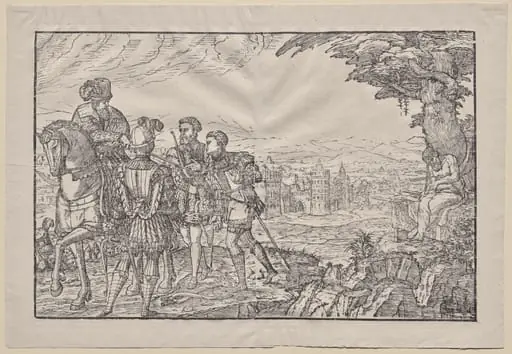 Le pere mort et ses trois fils
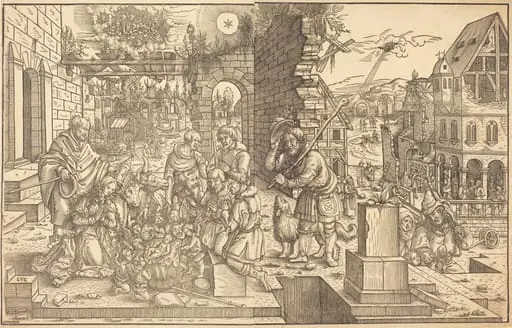 The Adoration of the Shepherds
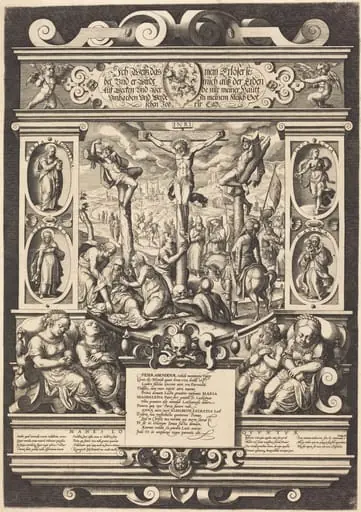 Funeral Monument to the Daughters of Feuerabend
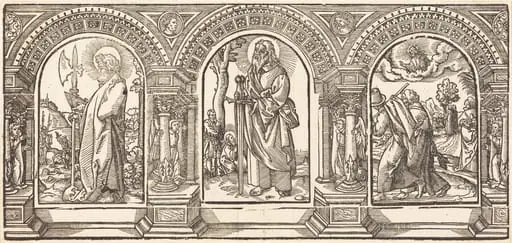 Christ and His Disciples V
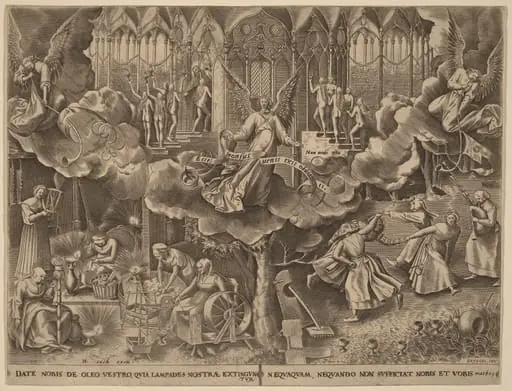 The Parable of the Wise and Foolish Virgins
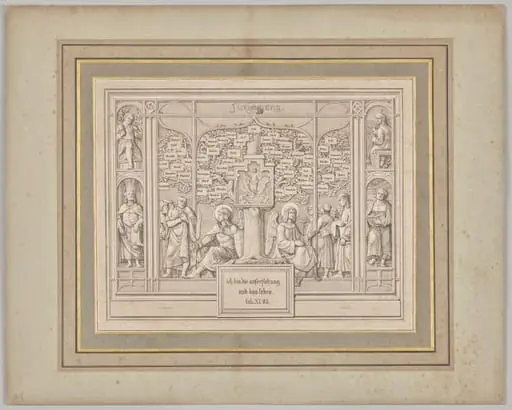 Dedication. John XI, 25
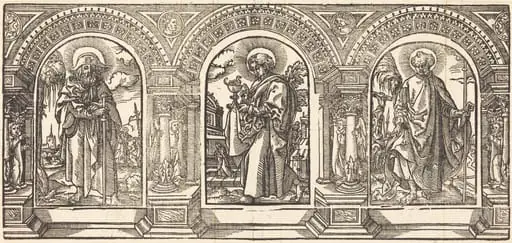 Christ and His Disciples III
 Ornament with Flower and Eight Wild Folk