Artwork
Donnerstag - Berchtesgaden und der Watzmann (Thursday - Berchtesgaden and the Watzmann Mountain)
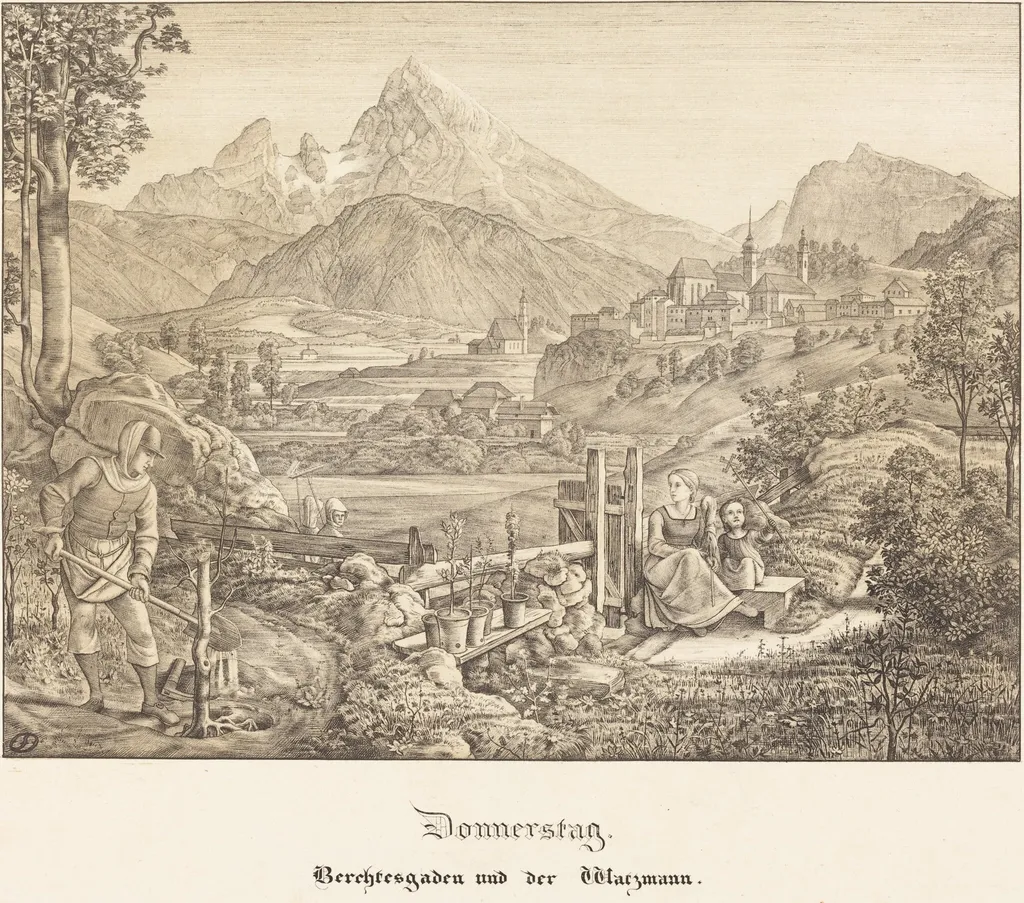
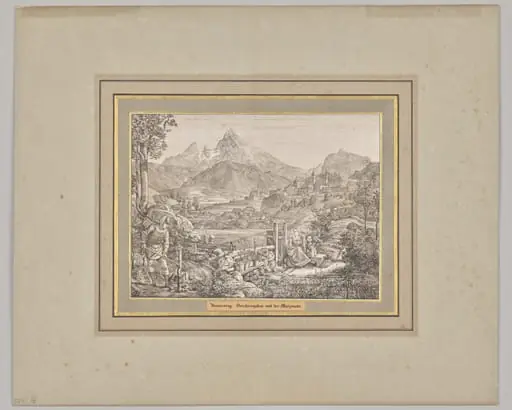
Donnerstag - Berchtesgaden und der Watzmann (Thursday - Berchtesgaden and the Watzmann Mountain) is an ink print by the Romanticist artist Ferdinand Olivier. It dates from 1823 and is held in the collection of the National Gallery of Art.
About this work
Overview
Its intimate scale and informal composition suggest a personal record of place, typical of early 19th-century travel sketches adapted for print.
Created in 1823, this lithograph by Ferdinand Olivier captures a quiet moment in the Bavarian village of Berchtesgaden, framed by the imposing Watzmann mountain. Executed in a loose, linear style, the work reflects the artist’s engagement with topographical observation rather than grand narrative. Its intimate scale and informal composition suggest a personal record of place, typical of early 19th-century travel sketches adapted for print.
Subject & Meaning
The scene depicts a tranquil rural moment: a man leans on a fence with a staff, while a woman and child rest nearby among farming implements and sheep. A fortified structure perches on a slope behind them, hinting at local authority or religious presence. The title anchors the image in a specific day—Thursday—implying routine, not ceremony. The quietude suggests an appreciation for daily life amid natural grandeur, without overt symbolism.
Technique & Style
Olivier employed lithography to achieve a fluid, sketch-like quality, using fine, irregular lines to suggest texture and depth. The brushwork appears spontaneous, with minimal shading and no polished finish, evoking the immediacy of a field drawing. The contrast between the soft, detailed foreground and the stark, angular mountain backdrop emphasizes spatial depth while preserving the medium’s inherent graphic simplicity.
History & Provenance
Produced during Olivier’s travels in southern Germany, this print belongs to a series documenting Alpine landscapes and villages. Lithography allowed for wider distribution than painted works, making such images accessible to a growing middle-class audience interested in regional scenery. The print’s survival in institutional collections indicates its early recognition as a representative example of Romantic-era topographical printmaking.
Context
In the 1820s, lithography emerged as a key medium for documenting landscapes, especially in regions like the Alps, where tourism and national identity were intertwining. Artists like Olivier responded to a cultural shift favoring authentic, unidealized views of nature and rural life. Berchtesgaden, near the Austrian border, was a destination for travelers seeking both spiritual solace and geological wonder.
Legacy
Olivier’s work contributed to a broader European trend of using print to preserve regional character. While not widely known today, this lithograph exemplifies how early lithographic techniques enabled artists to bridge personal observation with public dissemination. Its restrained aesthetic influenced later generations of topographical illustrators who valued precision over ornamentation.
Artist & collection
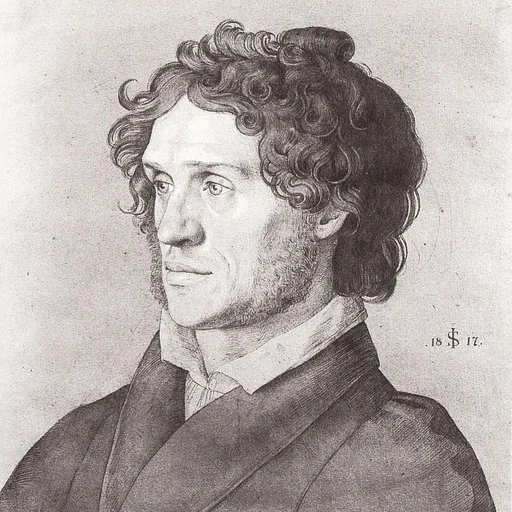

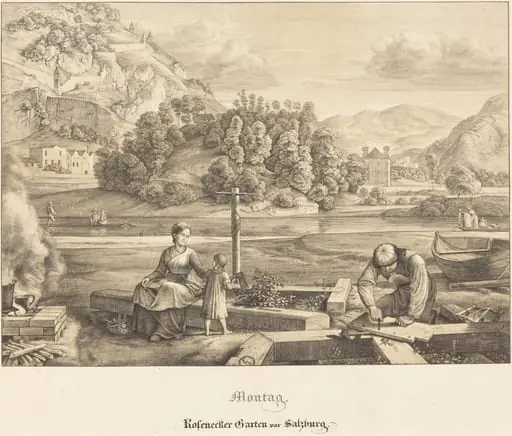 Montag - Rosenecker Garten vor Salzburg (Monday - Rosenecker Garden near Salzburg)
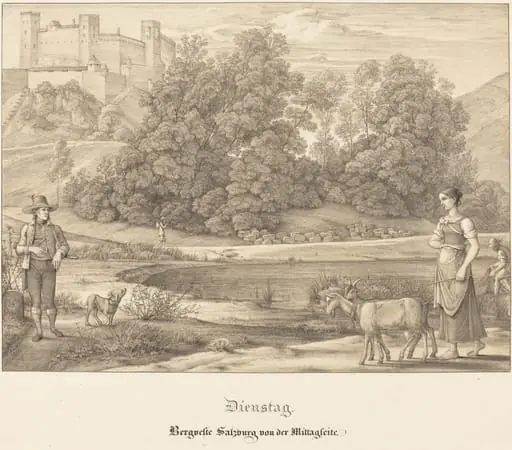 Dienstag - Bergveste Salzburg vor der Mittagseit (Tuesday - The Castle of Salzburg from the Noontime Side)
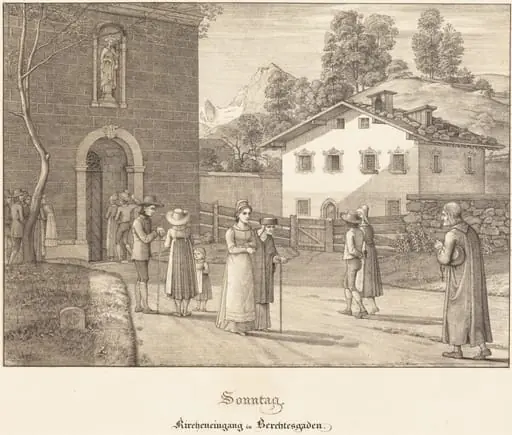 Sonntag - Kircheneingang in Berchtesgaden (Sunday - Going to Church near Berchtesgaden)
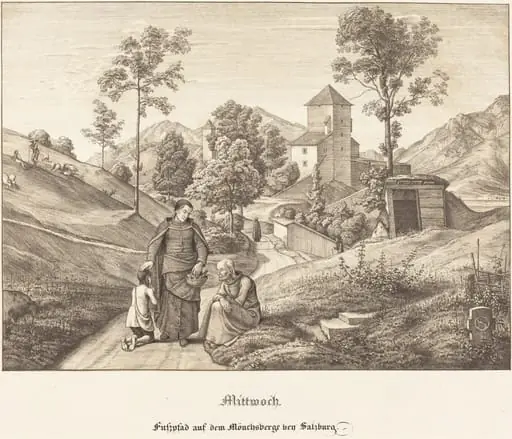 Mittwoch - Fusspfad auf dem Mönchsberge bey Salzburg (Wednesday - Footpath on the Mönchsberge near Salzburg)
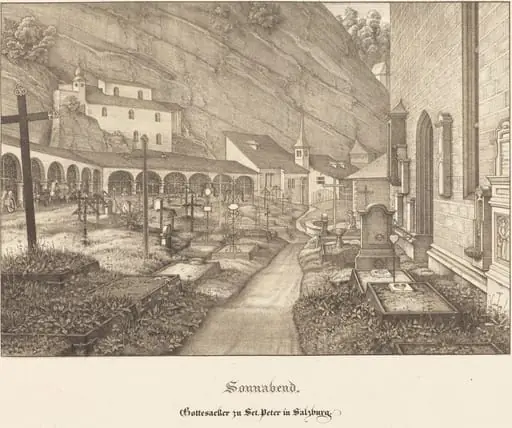 Sonnabend - Gottesacker zu St. Peter in Salzburg (Saturday - Graveyard of St. Peter's in Salzburg)
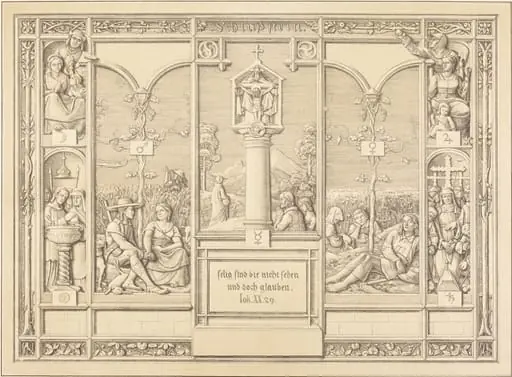 Tailpiece: Selig sind die nicht sehen und doch glauben (Blessed are those who do not
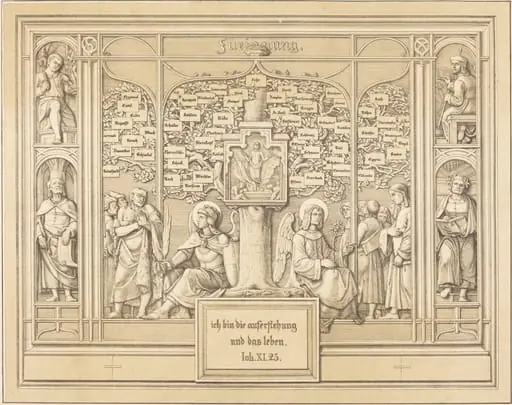 Dedication: Ich bin die Auferstehung und das Leben (I am the resurrection and the life)
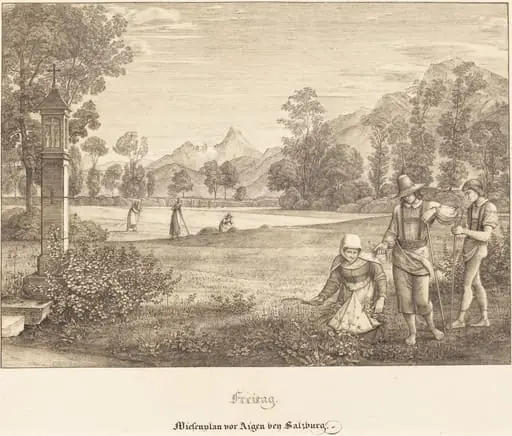 Freitag - Wiesenplan vor Aigen bey Salzburg (Meadow before Aigen near Salzburg)
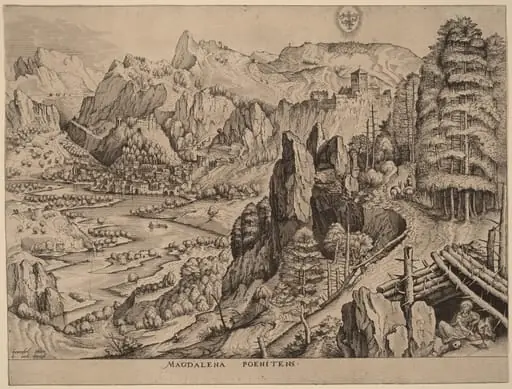 Magdalena Poenitens (The Penitent Magdalene)
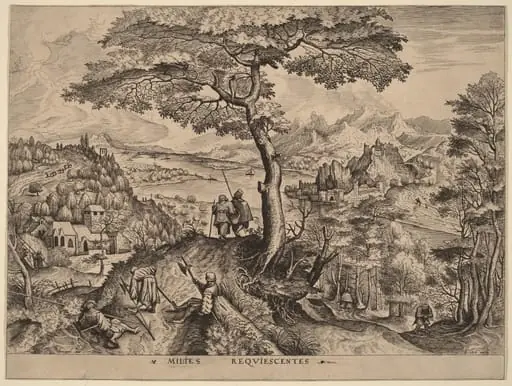 Milites Requiescentes (Soldiers at Rest)
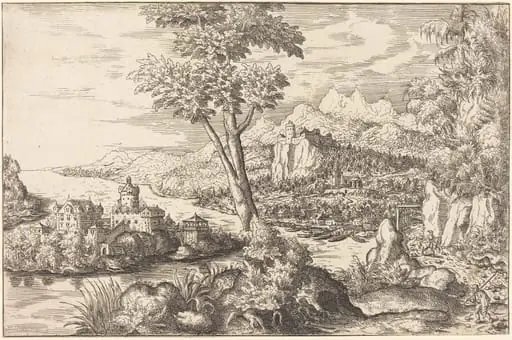 Landscape with Three Men
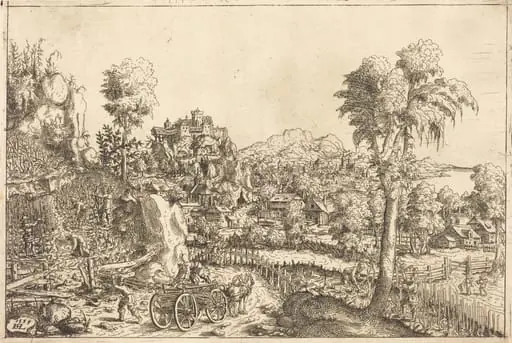 Landscape with a Vineyard
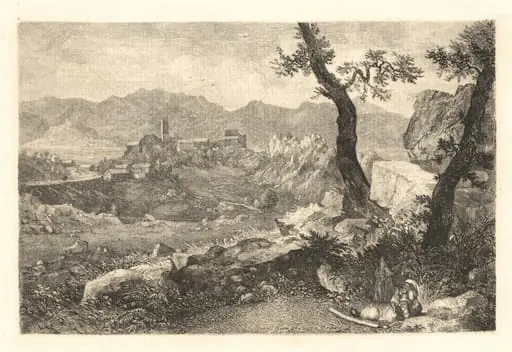 A View near Rome
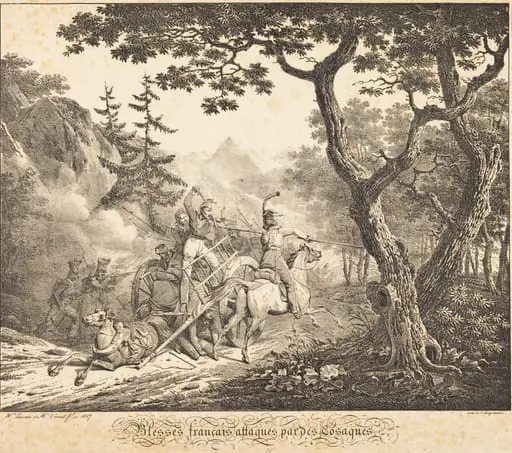 Wounded French Attacked by a Cosack
 View Near Rome
 The Path by the Kochelsee
 Das Tännengebirge bei Salzburg (The Tännengebirge near Salzburg)
 Thursday. Berchtesgaden and the Watzmann