Artwork
The Count of Habsburg
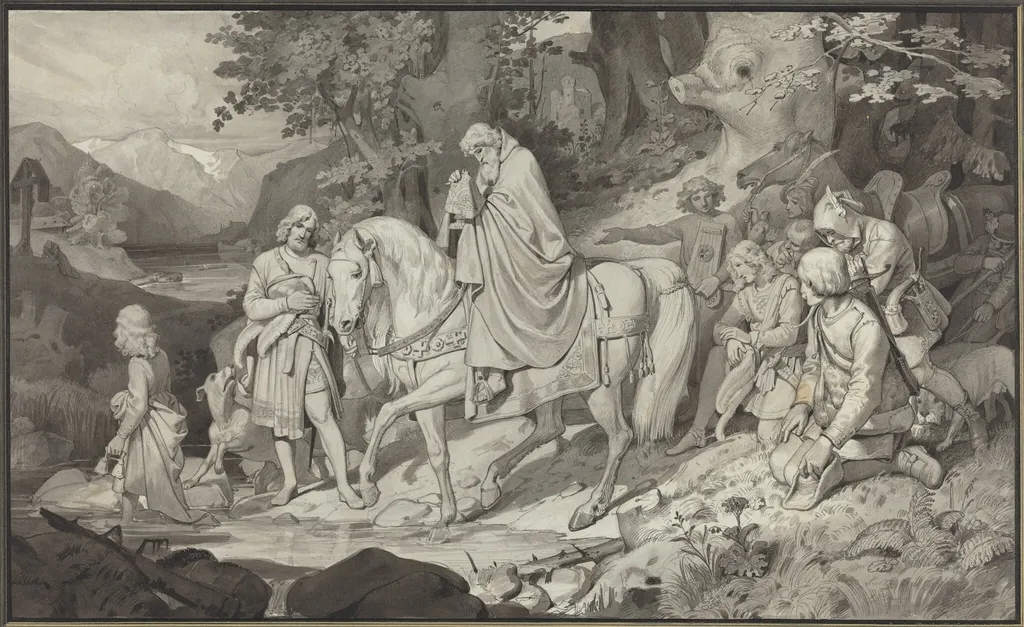
The Count of Habsburg is a graphite drawing by the Romanticist artist Philipp von Foltz. It dates from 1837 and is held in the collection of the National Gallery of Art.
About this work
Overview
Created in 1837 by German painter Philipp von Foltz, the drawing titled *The Count of Habsburg* is a portrait executed on wove paper mounted to an older support. The work combines brown‑gray ink, a gray wash, and graphite, yielding a restrained monochrome surface that emphasizes line and tone over colour.
Subject & Meaning
The image presents a male figure identified as a Count of the Habsburg lineage, rendered with a solemn expression and attire suggestive of an earlier aristocratic fashion. The dignified pose and austere facial features convey the gravitas traditionally associated with noble portraiture, inviting contemplation of status and identity within the Habsburg family.
Technique & Style
Foltz employed a limited toolkit—graphite pencil, brown‑gray ink, and a gray wash—to construct the likeness through careful line work and cross‑hatching. The drawing relies on simple, controlled strokes and subtle shading to model form, demonstrating how economical materials can achieve a nuanced representation of texture and volume.
History & Provenance
The drawing was produced in the early nineteenth century, a period when historic portraiture often served scholarly or commemorative purposes. Though specific ownership records are scarce, the work’s mounting on an older support suggests it may have been incorporated into a collection or archival setting shortly after its creation.
Artist & collection


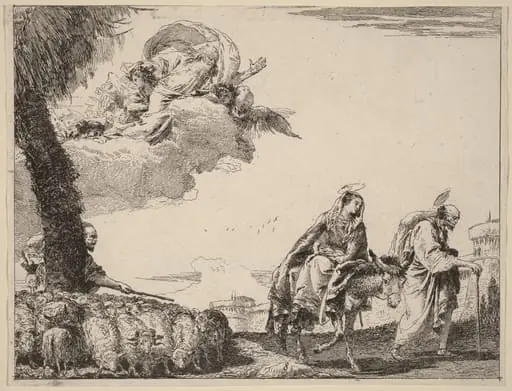 The Flight with the Holy Family at the Right
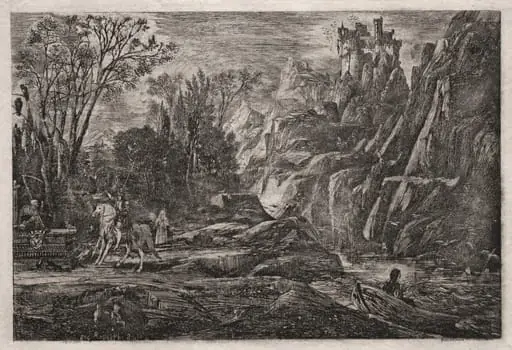 The Knight and Death
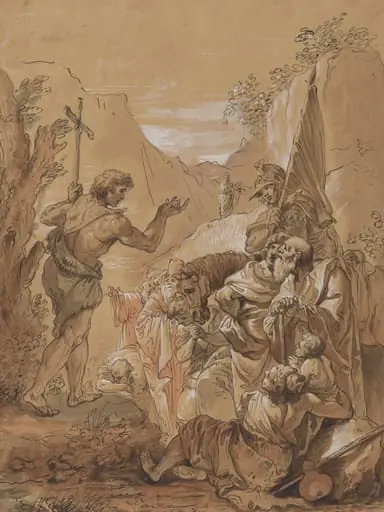 Preaching of John the Baptist in the Wilderness
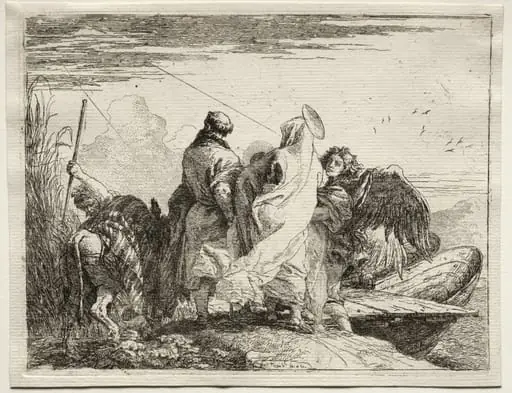 Flight into Egypt: The Holy Family Leaving the Shore
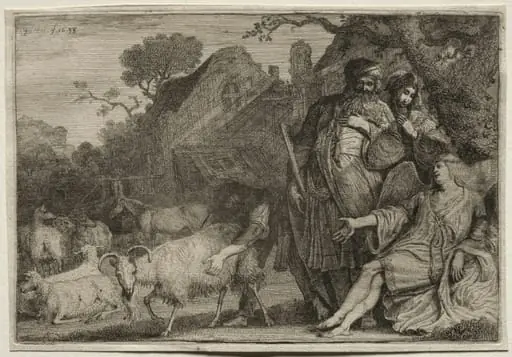 An Angel Foretells the Birth of Abraham's Son
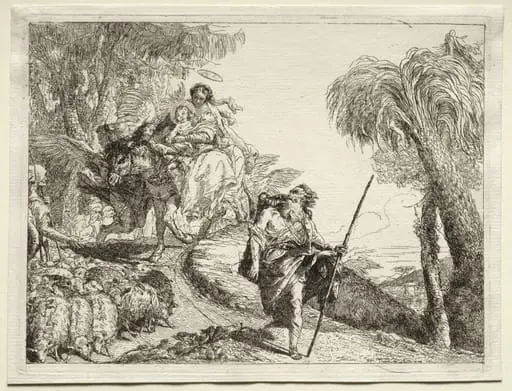 Flight into Egypt: The Holy Family and the Flock of Sheep
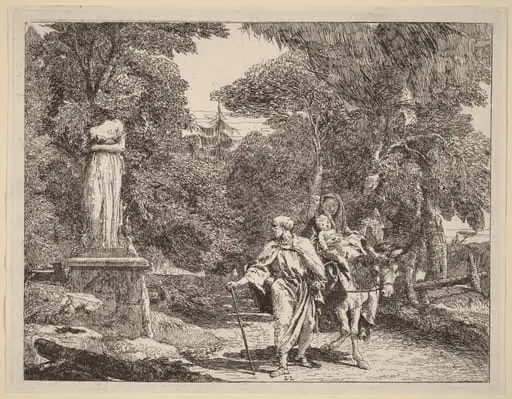 The Episode of the Falling Idol
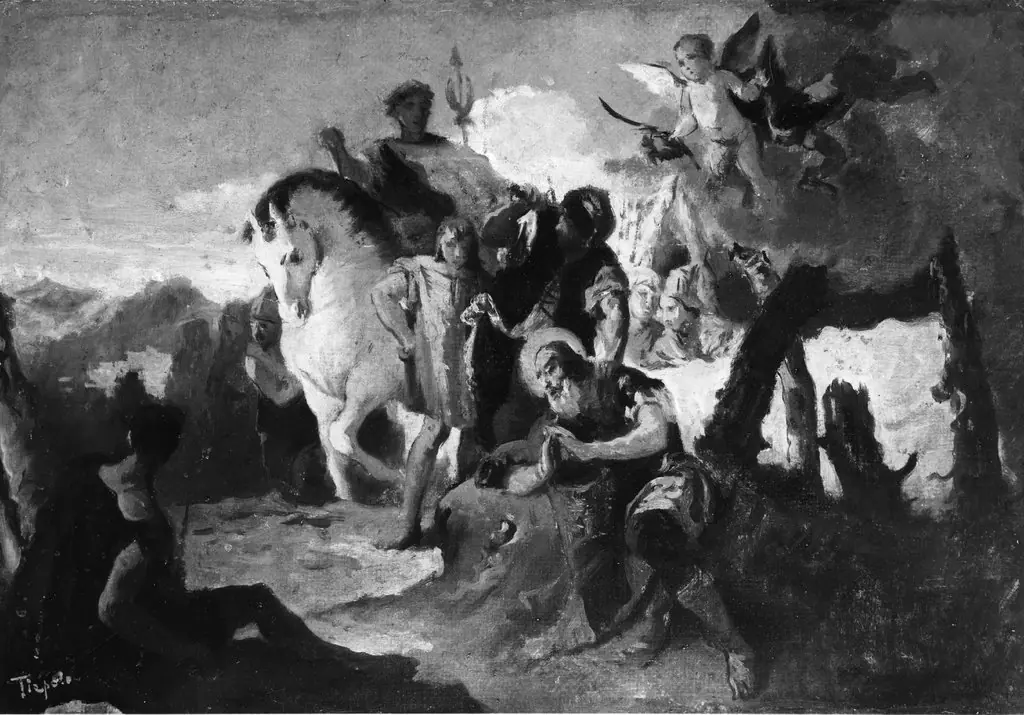 Beheading of a Martyr
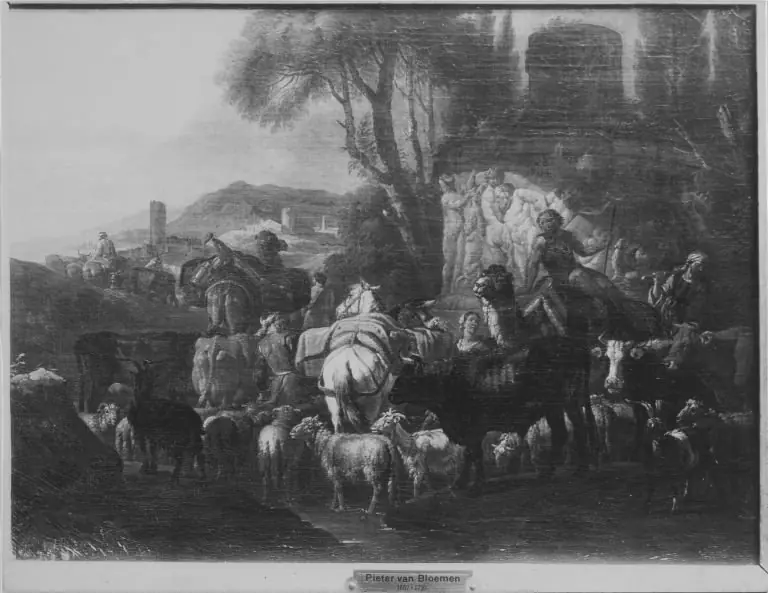 Die Karawane
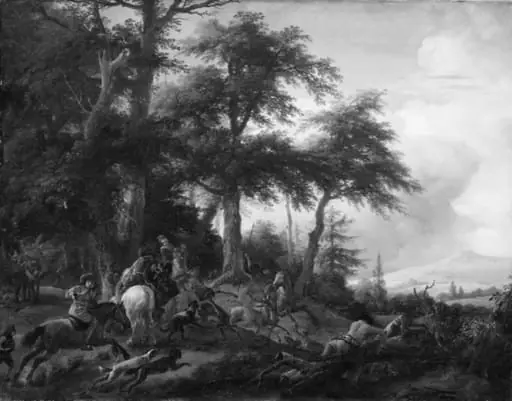 Hunting to Hounds
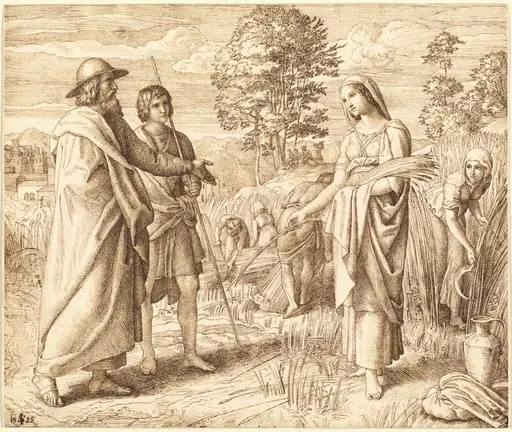 Ruth and Boas
 Italienische Landschaft mit Vieh