Artwork
L'Amateur de jardin (The Gardening Enthusiast)
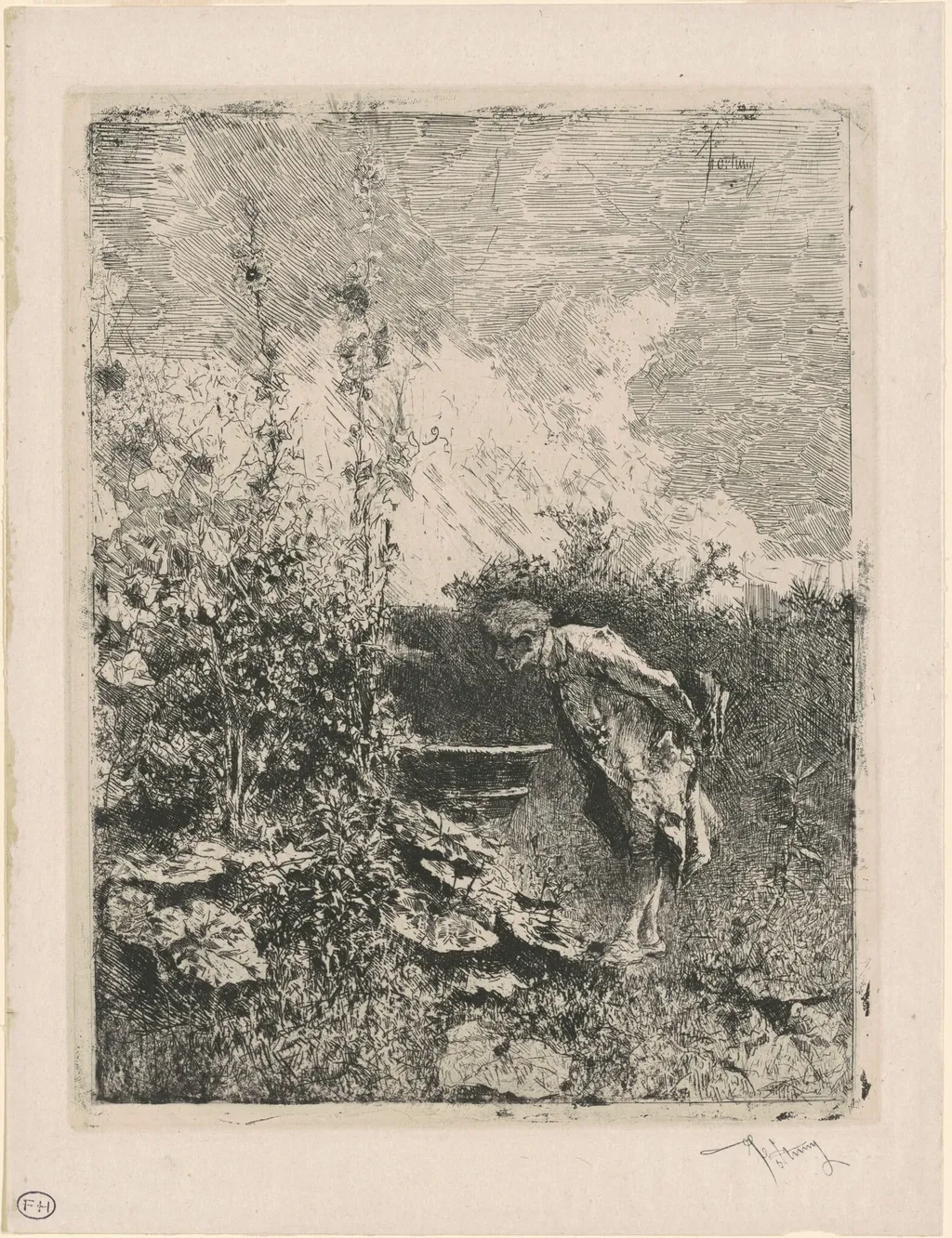
L'Amateur de jardin (The Gardening Enthusiast) is an ink print by the Impressionist artist Mariano Fortuny Marsal. It dates from 1878 and is held in the collection of the National Gallery of Art. Created in 1878 by Mariano Fortuny, this etching captures a solitary figure engaged in garden work.
About this work
Overview
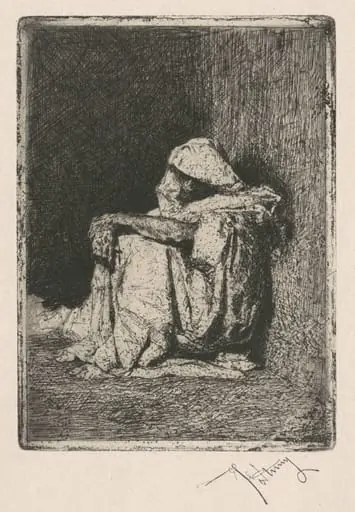
Created in 1878 by Mariano Fortuny, this etching captures a solitary figure engaged in garden work. Executed on laid paper, the print reflects Fortuny’s interest in intimate, everyday scenes. The composition emphasizes motion and texture over detail, using the etching process to convey a sense of immediacy and informal observation rather than polished finish.
Subject & Meaning
The figure, bent low among foliage, suggests quiet labor rather than leisure. The absence of facial detail universalizes the subject, inviting focus on posture and environment. The garden setting, rendered with loose strokes, implies a personal, private ritual—perhaps a reflection on the quiet dedication found in tending nature, without overt symbolism or narrative.
Technique & Style
Fortuny employed drypoint and etching to build tonal depth through layered, irregular lines. Ink accumulates in recessed grooves, producing rich blacks and soft grays that suggest shadow and volume. The scratchy, uneven contours mimic the texture of foliage and rough surfaces, avoiding smooth modeling in favor of a tactile, almost spontaneous quality.
History & Provenance
Made during Fortuny’s later years in Rome, the print belongs to a series of intimate studies he produced after shifting from large-scale historical painting. Few impressions were made, and most survive in private collections or institutional print rooms. Its modest scale and medium reflect a personal, experimental phase in his career.
Context
In late 19th-century Europe, artists increasingly turned to domestic and natural subjects as alternatives to academic grandeur. Fortuny’s etching aligns with this trend, echoing the sketch-like immediacy favored by contemporaries in Spain and France. It reveals a quiet engagement with the everyday, influenced by emerging interest in printmaking as a vehicle for personal expression.
Legacy
Though not widely exhibited in his lifetime, this work contributes to Fortuny’s reputation as a versatile draftsman who embraced printmaking’s spontaneity. Its unpolished aesthetic influenced later Spanish artists exploring intimate, non-heroic themes. Today, it stands as a quiet example of how etching could convey presence and atmosphere with minimal means.
Artist & collection


![Maréchal ferrant au Maroc [Shoeing a Mule in Morocco], by Mariano Fortuny Marsal](https://artifactworldgallery.com/img/mariano-fortuny-marsal--marechal-ferrant-au-maroc-shoeing-a-mule-in-morocco--600c14ddda78f6f4-w320.webp)
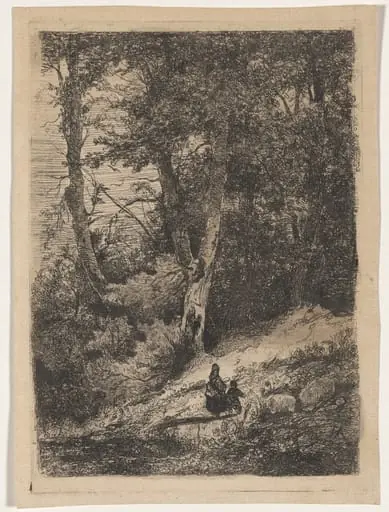 The Inner Forest (Intérieur du bois)
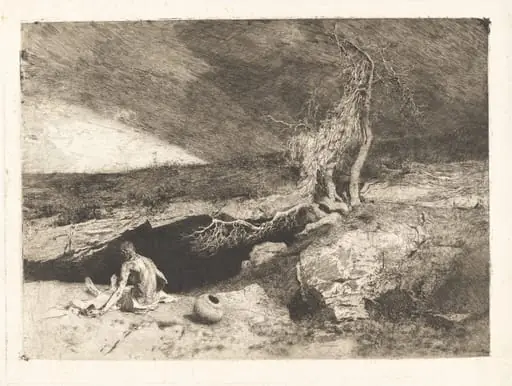 The Anchorite
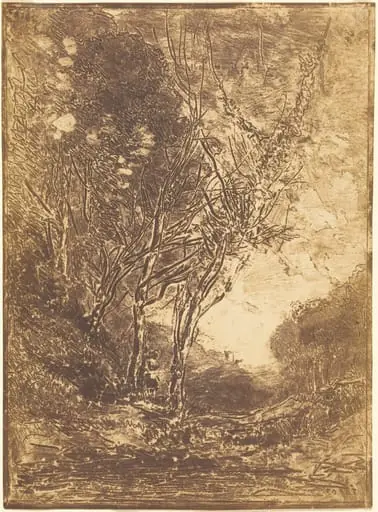 Ambush (L'Embuscade)
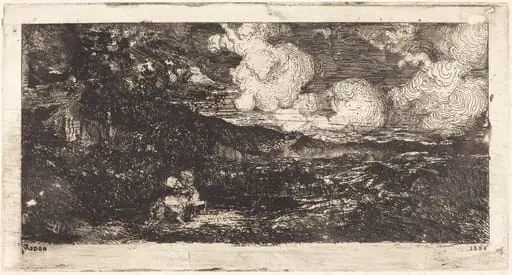 Cavalier Galopant (Galloping Horseman)
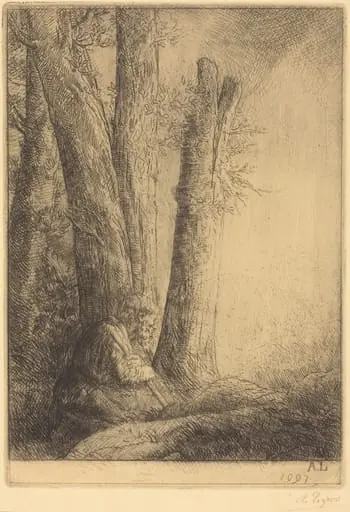 Study for the Prodigal Son (Etude pour L'enfant prodigue)
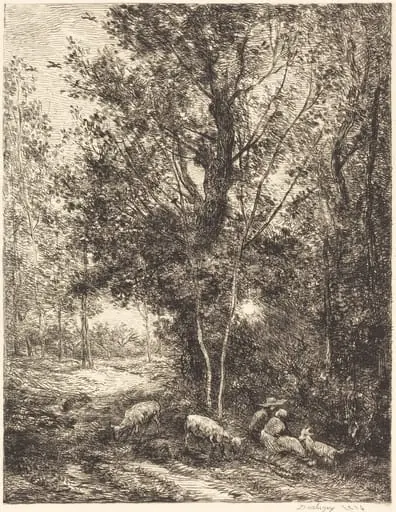 Shepherd and Shepherdess (Le Berger et la bergere)
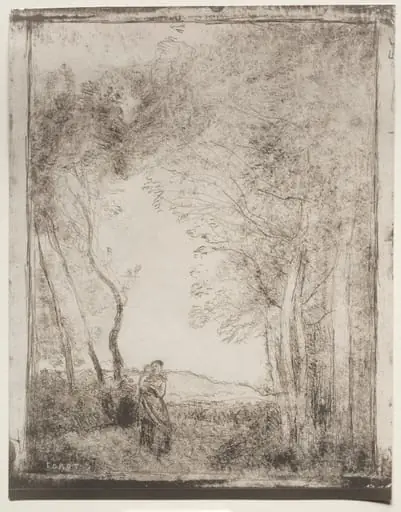 A Young Mother at the Entrance of a Wood
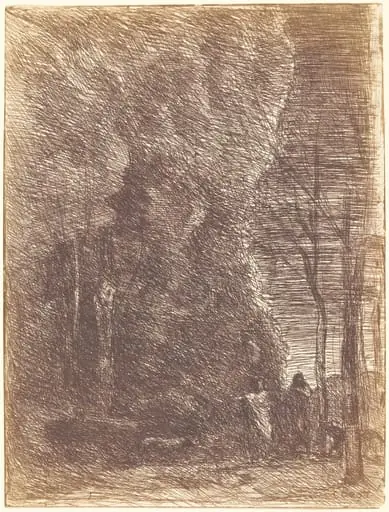 Dante and Virgil (Dante et Virgile)
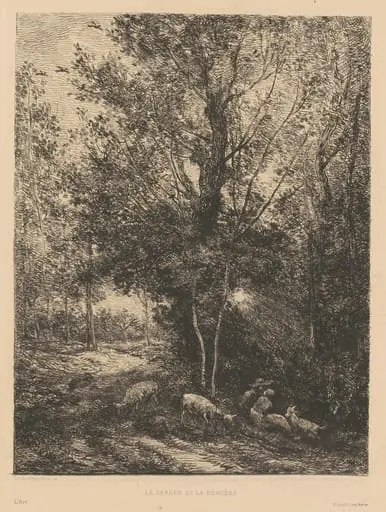 Le Berger et La Bergre
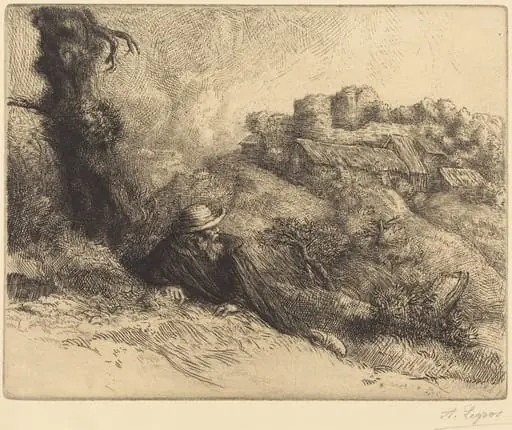 View of a Chateau (Chateau des Revenants)
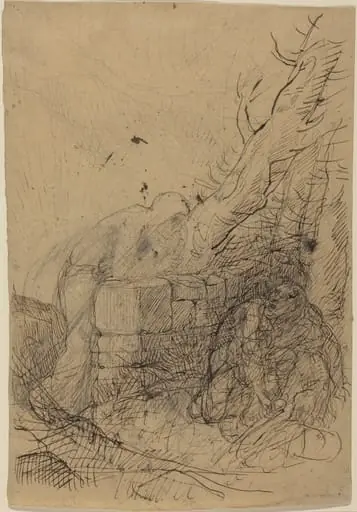 Death and the Woodcutter
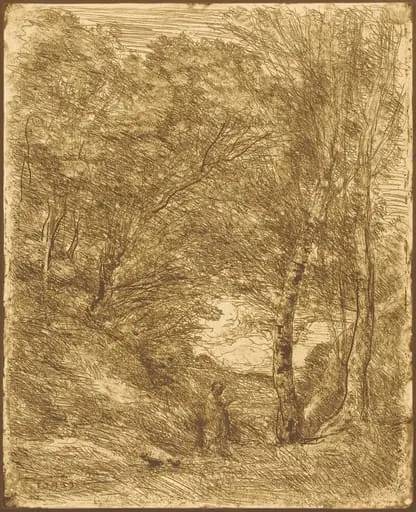 The Gardens of Horace (Les Jardins d'Horace)