Artwork
Campo San Zanipolo Decorated for the Visit of Pius VI
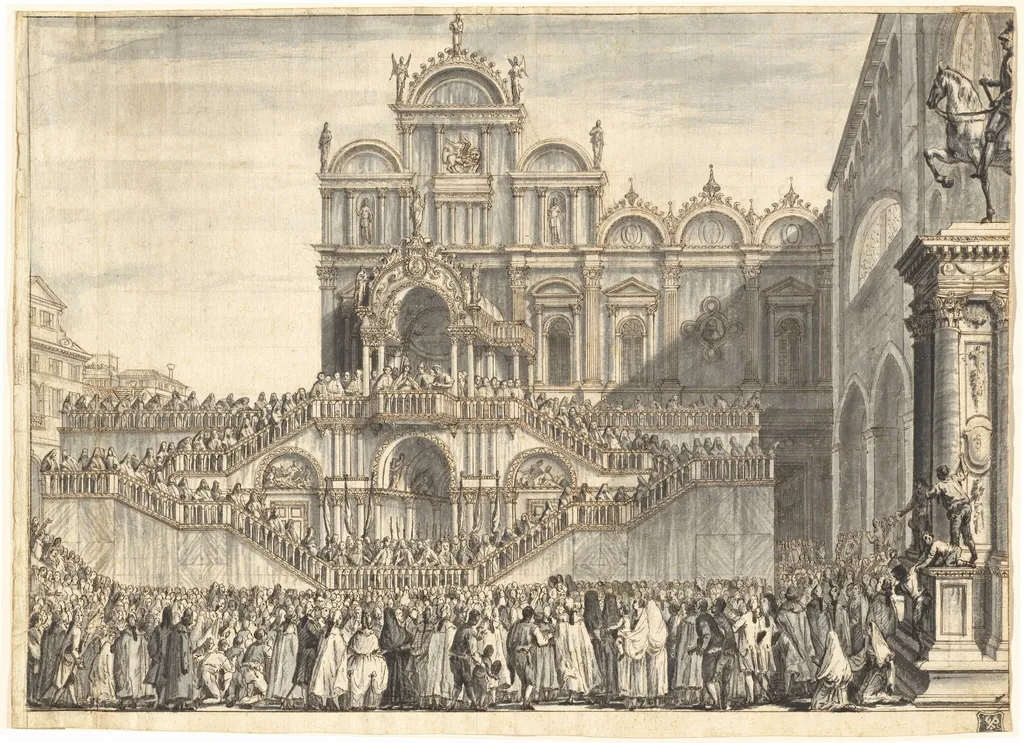
Campo San Zanipolo Decorated for the Visit of Pius VI is a graphite drawing by the Romanticist artist Domenico Fossati. It dates from 1782 and is held in the collection of the National Gallery of Art.
About this work
The painting is titled Campo San Zanipolo Decorated for the Visit of Pius VI.
It was created in 1782 by Fossati, Domenico.
The artist used a specific medium, pen and dark brown inks with gray wash over graphite on laid paper, which was a common technique during that time.
To learn more about this style, look up the movement: Romanticism.
Overview
Domenico Fossati’s 1782 drawing records the decoration of Campo San Zanipolo for the papal visit of Pius VI. Executed on laid paper, the work combines pen work, dark brown ink and a gray wash applied over an initial graphite sketch, reflecting the drawing practices of late‑18th‑century Italy.
Subject & Meaning
The image captures the temporary ornamental arrangements erected in the Campo San Zanipolo, a historic cemetery in Venice, to honor the arrival of Pope Pius VI. By documenting these festive embellishments, the drawing serves both as a visual report of a specific civic event and as a testament to the city’s capacity for ceremonial display.
Technique & Style
Fossati employs a layered approach: a graphite underdrawing establishes the composition, followed by precise pen lines rendered in dark brown ink, and finally a subtle gray wash that unifies the scene and suggests atmospheric depth. This method aligns with the period’s emphasis on detailed, observational drawing, preceding the more expressive tendencies of Romanticism.
History & Provenance
Created in 1782, the drawing was likely produced for an official or private patron interested in preserving the visual record of the papal visit. Its subsequent ownership trail is not extensively documented, but the work remains attributed to Fossati and is catalogued among his Venetian topographical studies.
Artist & collection


 The "Giovedì Grasso" Festival before the Ducal Palace in Venice
 Altar for Corpus Christi Day
 Funeral of Prince Francesco de Medici
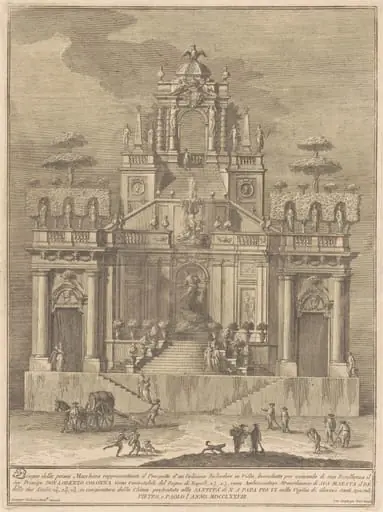 The Prima Macchina for the Chinea of 1778: A Countryside Belevedere with Hercules and Antaeus
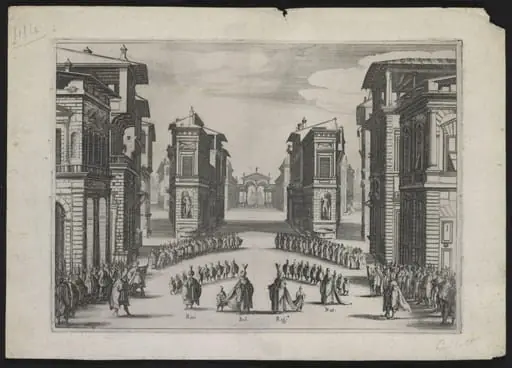
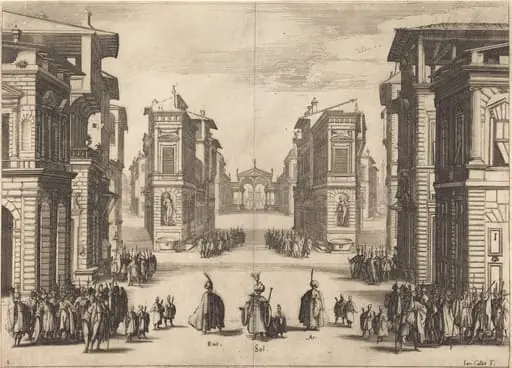 Il Solimano, Act I
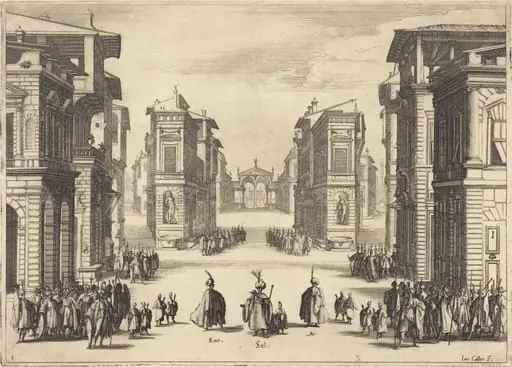 Il Solimano, Act I
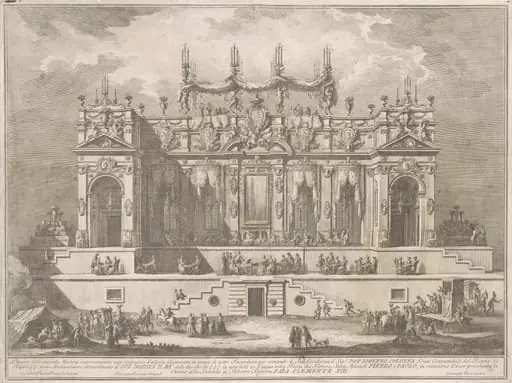 The Seconda Macchina for the Chinea of 1764: A Magnificent Gallery Illuminated at Night
 H Beard Print Collection
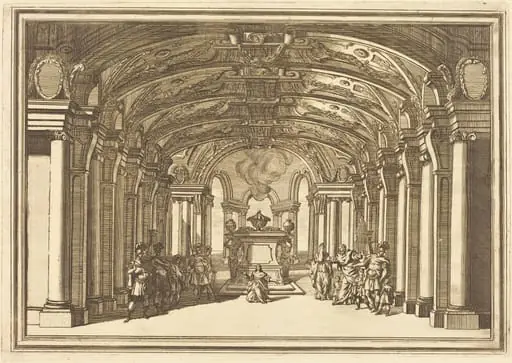 Il Greco in Troia: Plate 8
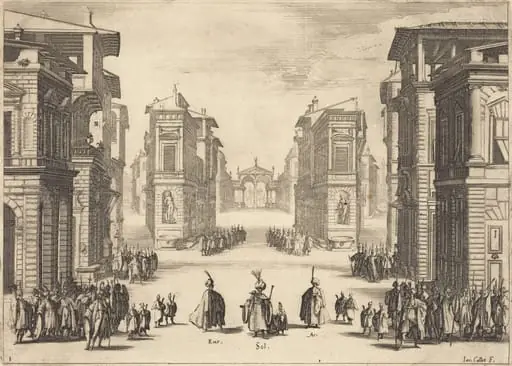 Il Solimano, Act I
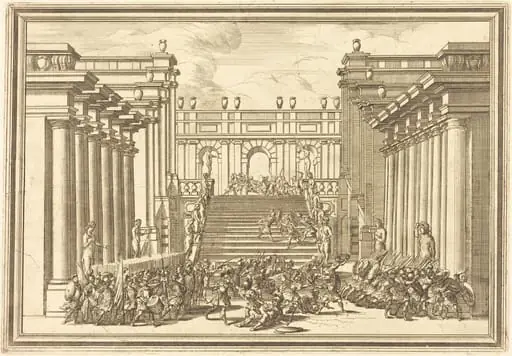 Il Greco in Troia: Plate 3
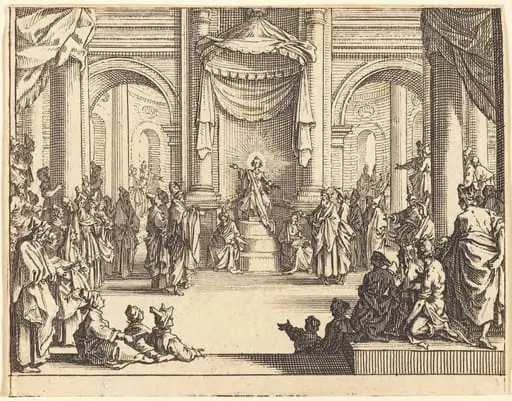 Christ Disputing with the Doctors