Artwork
Baccante
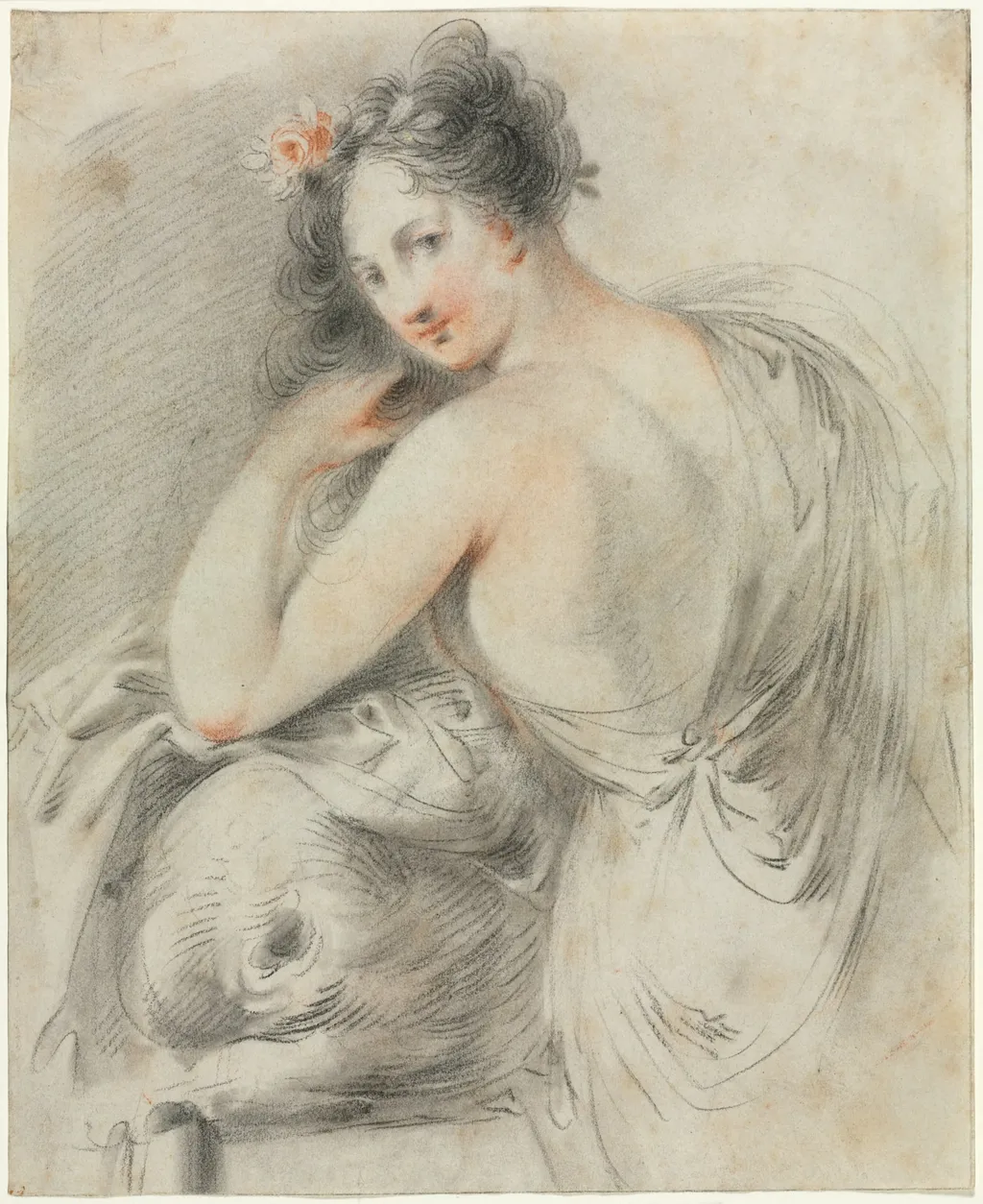
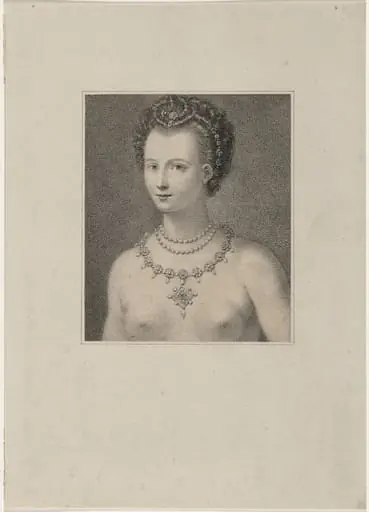
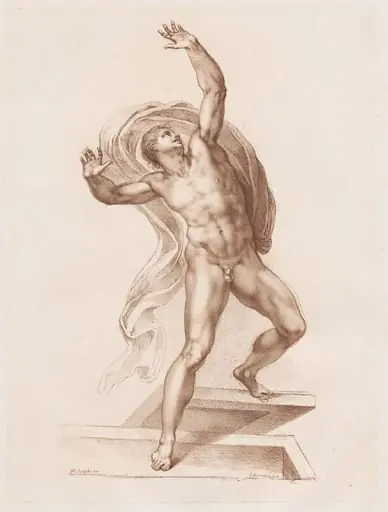
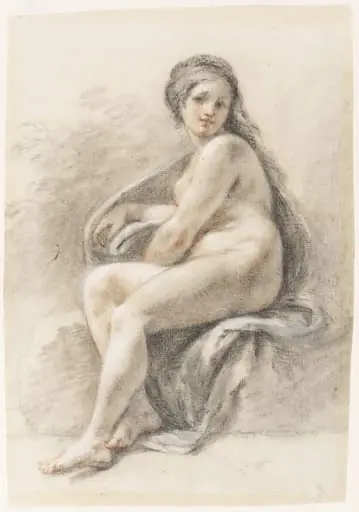
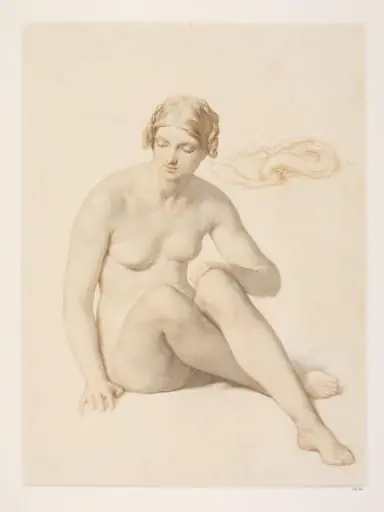
Baccante is a drawing by the Baroque artist Francesco Bartolozzi. It dates from 1778 and is held in the collection of the Cleveland Museum of Art.
About this work
Overview
Created in 1778 by Francesco Bartolozzi, this drawing is part of the Cleveland Museum of Art’s collection.
Created in 1778 by Francesco Bartolozzi, this drawing is part of the Cleveland Museum of Art’s collection. Executed in a fluid, spontaneous manner, it captures a female figure in a moment of quiet repose. The work’s minimal background and emphasis on form suggest it was made as a study rather than a finished piece, reflecting the artist’s interest in capturing movement and expression through rapid, expressive lines.
Subject & Meaning
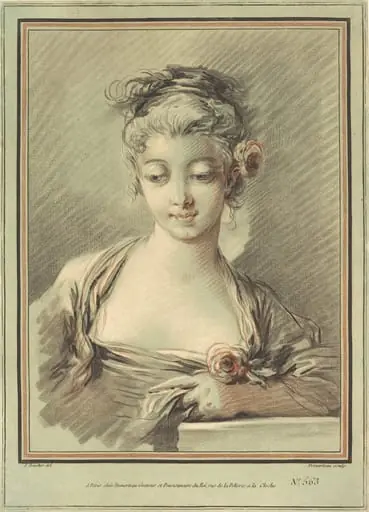
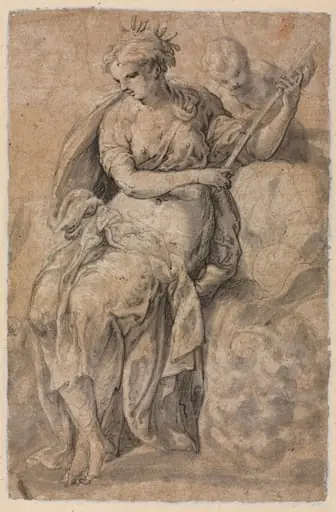
The figure, likely intended as a baccante—a follower of Dionysus—is depicted with a relaxed posture and a single red flower behind her ear, suggesting a connection to ritual or festivity. Her draped, translucent garment and unguarded stance evoke a sense of informal grace, possibly referencing classical mythological themes. The absence of narrative elements directs focus to her presence, inviting interpretation through gesture and detail rather than story.
Technique & Style
Bartolozzi employed loose, agile lines and subtle tonal gradations to model the figure’s form. The shading is soft and atmospheric, avoiding harsh contours, while the sketchy quality implies immediacy. The use of negative space and the omission of background details heighten the figure’s presence, aligning with 18th-century drawing practices that valued spontaneity and observational truth over polished finish.
History & Provenance
The drawing entered the Cleveland Museum of Art’s collection through documented acquisition, though its earlier ownership history remains largely unrecorded. As a work by Bartolozzi, a prominent engraver known for translating paintings into prints, this sketch offers insight into his preparatory process. Its survival as a standalone drawing is uncommon, as many of his studies were absorbed into larger print projects.
Context
In late 18th-century Europe, drawings like this were often made as studies for engravings or as independent explorations of the human form. Bartolozzi, working in London and influenced by Italian Renaissance ideals, frequently turned to mythological subjects. This piece reflects a broader trend among artists to privilege naturalism and emotional nuance over idealized grandeur, even in informal sketches.
Legacy
Though not widely exhibited, this drawing contributes to understanding Bartolozzi’s approach to figure study and his engagement with classical themes outside his commercial printmaking. It exemplifies how skilled draftsmen used quick renderings to refine composition and expression, preserving a tactile, intimate dimension of artistic practice often lost in finished works.
Artist & collection
Artist
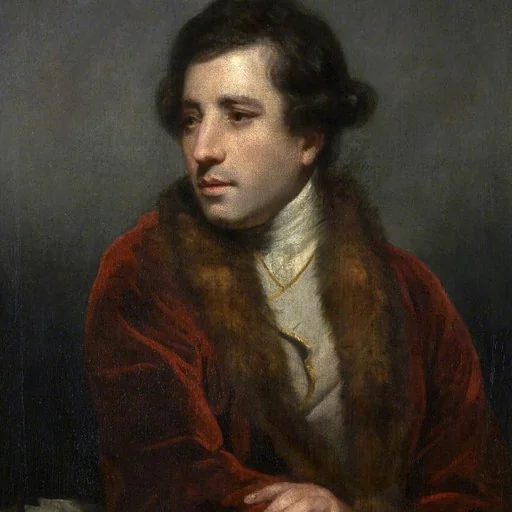
Francesco Bartolozzi (21 September 1727 – 7 March 1815) was an Italian engraver, whose most productive period was spent in London. He is noted for popularizing the "crayon" method of engraving.