Artwork
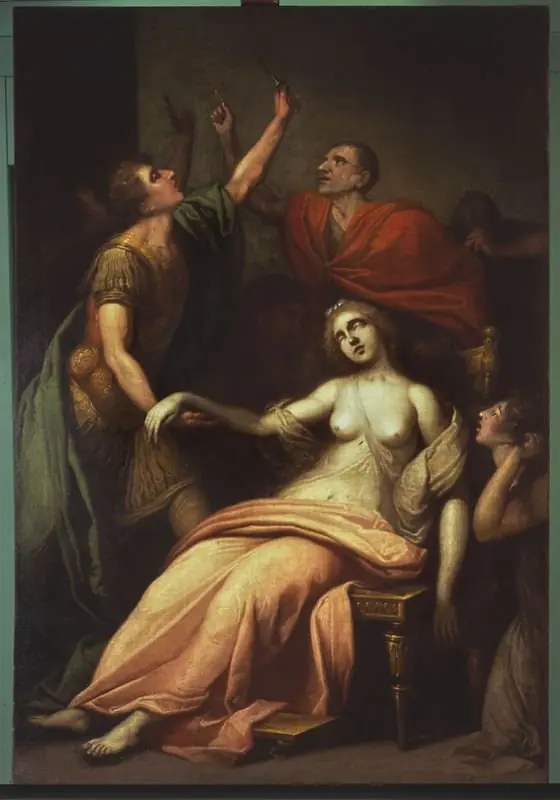
The death of Lucretia
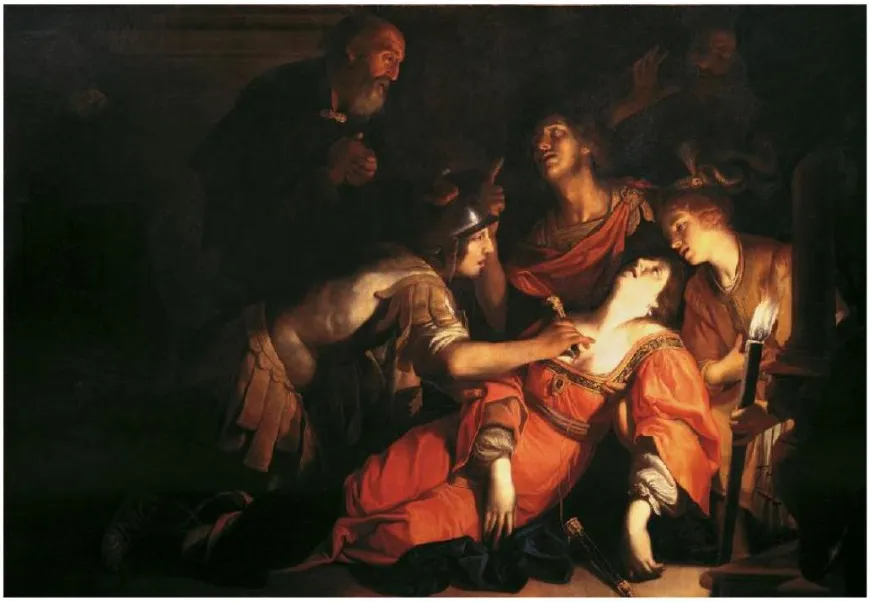
The death of Lucretia is an oil painting by the Baroque artist Francesco Rustici. It dates from 1624 and is held in the collection of the Uffizi Gallery.
About this work
Overview
The painting is now held in the Uffizi Gallery, where it represents a lesser-known but compelling example of Caravaggesque influence outside the capital.
Francesco Rustici, known as Il Rustichino, completed *The Death of Lucretia* in 1624 using oil on canvas. A Sienese artist active in the early 17th century, he worked within the early Baroque tradition, blending local Tuscan sensibilities with the dramatic lighting innovations emerging from Rome. The painting is now held in the Uffizi Gallery, where it represents a lesser-known but compelling example of Caravaggesque influence outside the capital.
Subject & Meaning
The scene illustrates the suicide of Lucretia, a Roman noblewoman who took her life after being violated by Sextus Tarquinius. Her act became a symbol of virtue and resistance to tyranny, often invoked in Renaissance and Baroque art to evoke moral gravity. Rustici captures the moment immediately after her death, emphasizing stillness and sorrow rather than violence, aligning with contemporary ideals of dignified tragedy.
Technique & Style
Rustici employs chiaroscuro to heighten emotional tension, directing candlelight across Lucretia’s face and the surrounding figures. The illumination isolates her form against deep shadows, drawing attention to her pale skin and the red fabric of her robe. Brushwork is restrained yet precise, with careful attention to the texture of fabric and the flickering quality of flame, reflecting Caravaggio’s influence without overt theatricality.
History & Provenance
Commissioned during Rustici’s active years in Siena, the painting likely originated from a private or ecclesiastical patronage network connected to the Medici court. It entered the Uffizi collection in the 19th century, having passed through Tuscan collections with little documented interruption. Its survival and preservation reflect its status as a serious, if modest, work within the broader context of Baroque devotional and historical painting.
Context
In early 17th-century Tuscany, religious and classical narratives remained central to artistic patronage. While Roman Caravaggisti pushed toward greater naturalism and emotional intensity, regional artists like Rustici adapted these elements with quieter restraint. His use of nocturnal lighting and intimate scale aligns with devotional imagery favored in Sienese circles, where contemplative drama outweighed public spectacle.
Legacy
Though Rustici’s oeuvre is not widely studied today, *The Death of Lucretia* endures as a quiet testament to the diffusion of Caravaggio’s style beyond Rome. It illustrates how regional painters absorbed and moderated dramatic lighting for local tastes, contributing to a broader, decentralized Baroque aesthetic. The work remains a reference point for understanding the regional diversity within Italian Baroque painting.
Artist & collection
Artist
Francesco Rustici, called Il Rustichino (Siena, 1592 – Siena, 1626) was an Italian painter active in Siena.

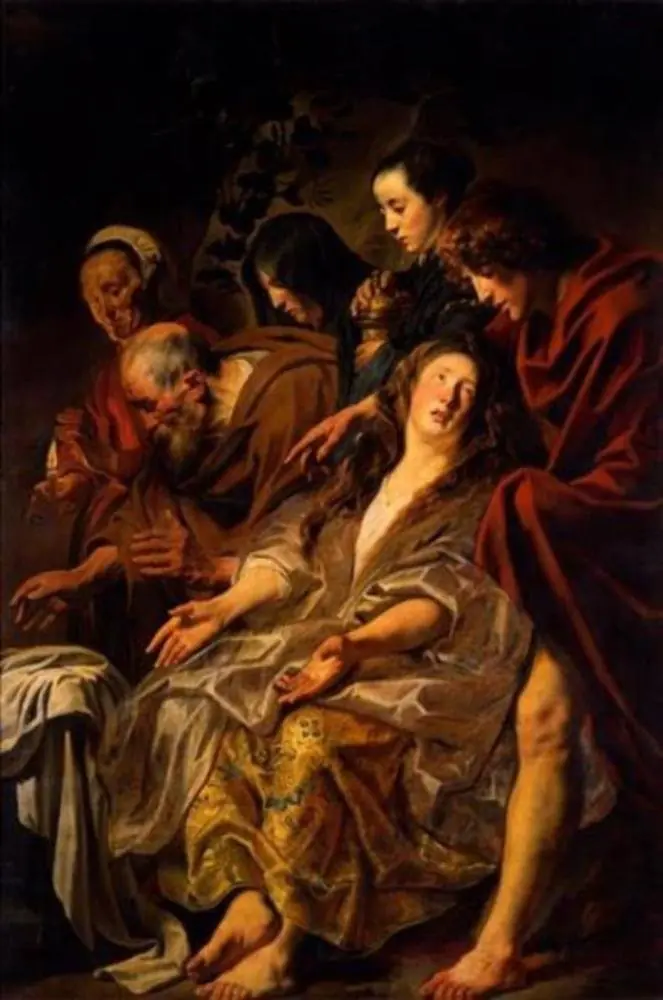 Die Angehörigen Christi am Grabe
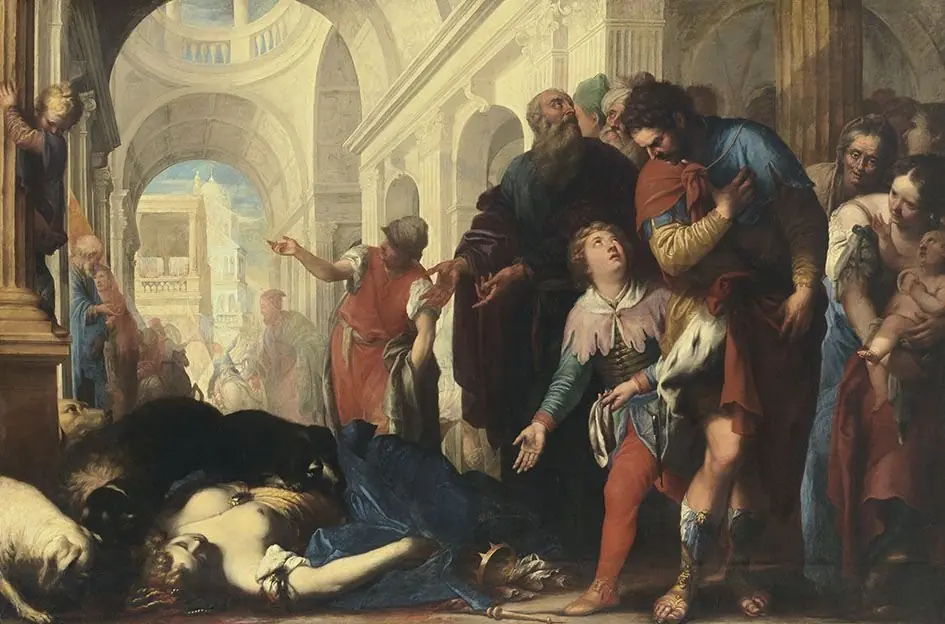 Königin Jezabel wird den Hunden vorgeworfen
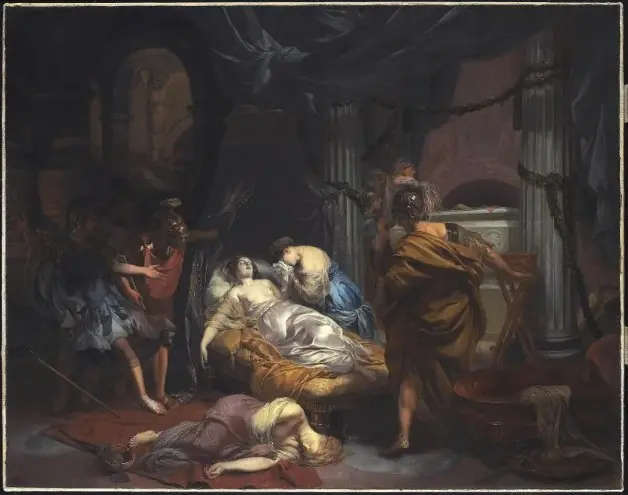 The Death of Cleopatra
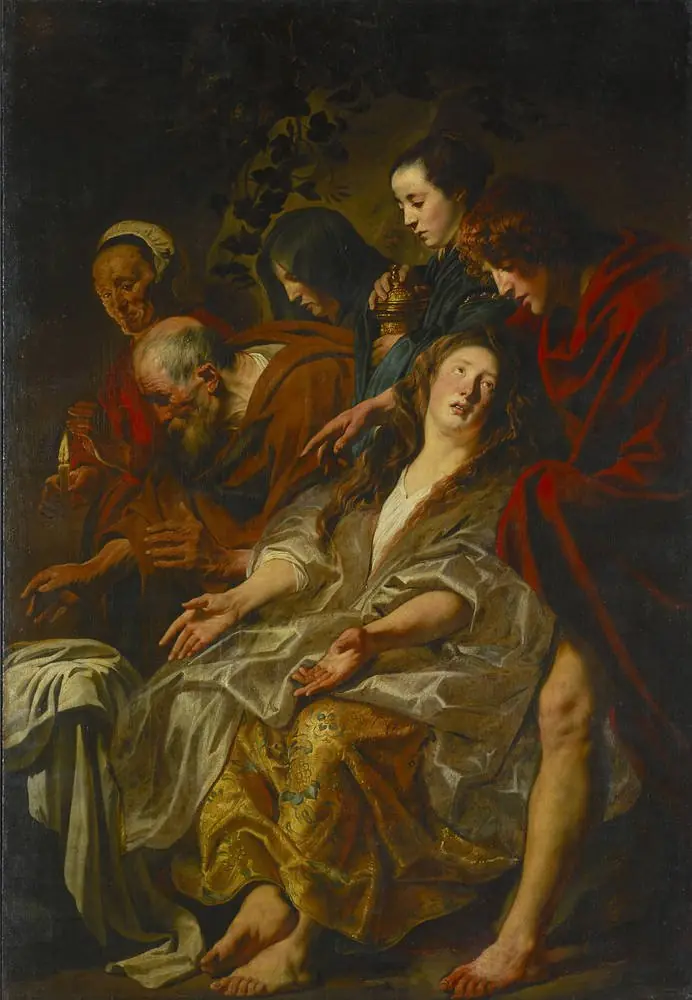 The relatives of Christ at the tomb
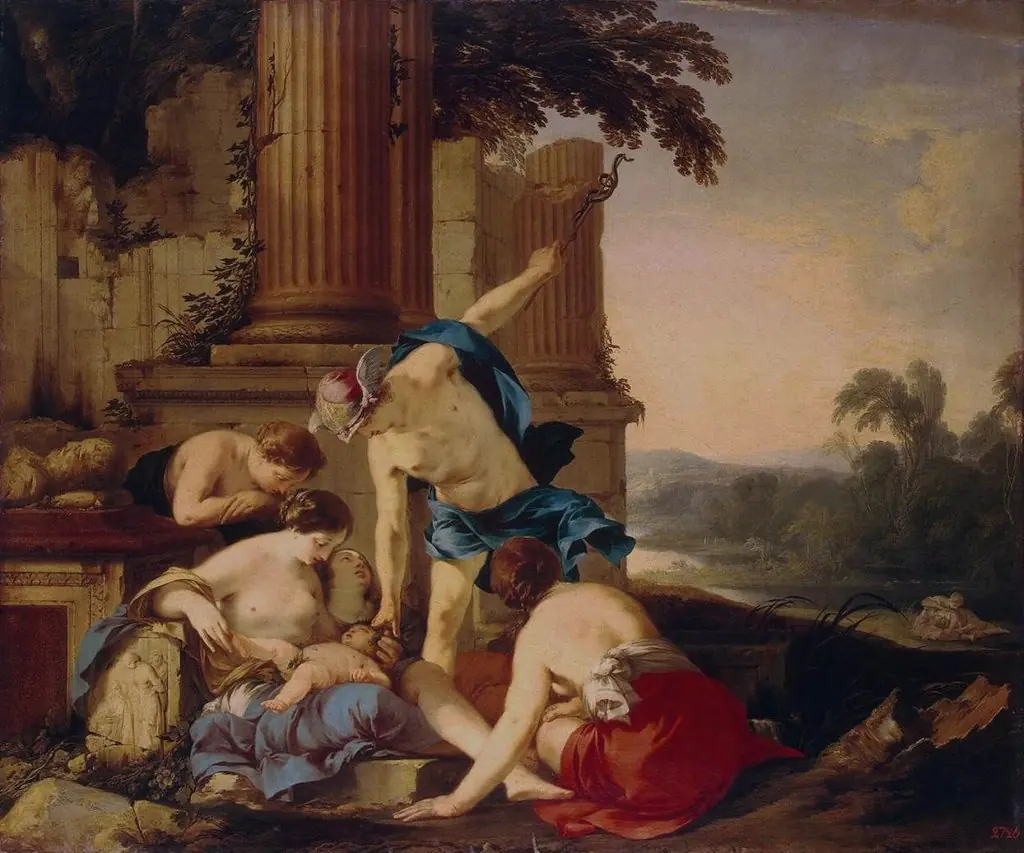 Mercury Takes Bacchus to be Brought up by Nymphs
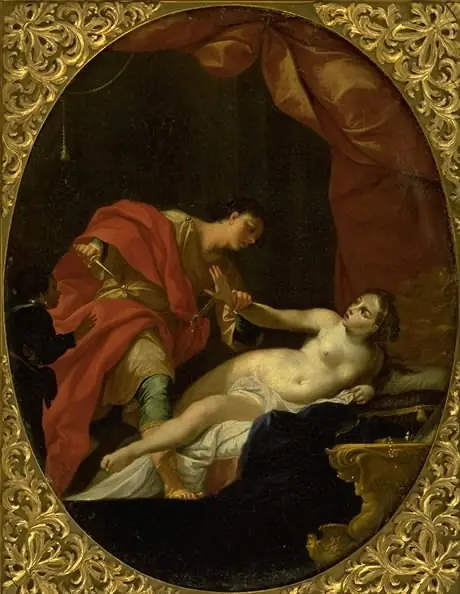 Tarquin Threatening Lucretia
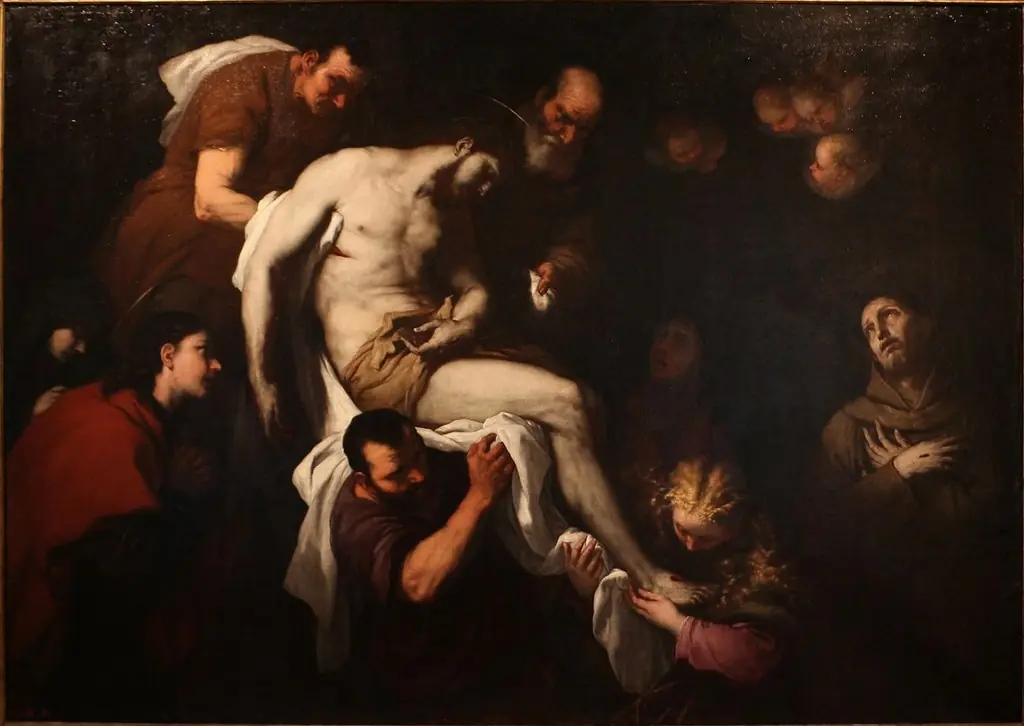 Vision of Saint Francis
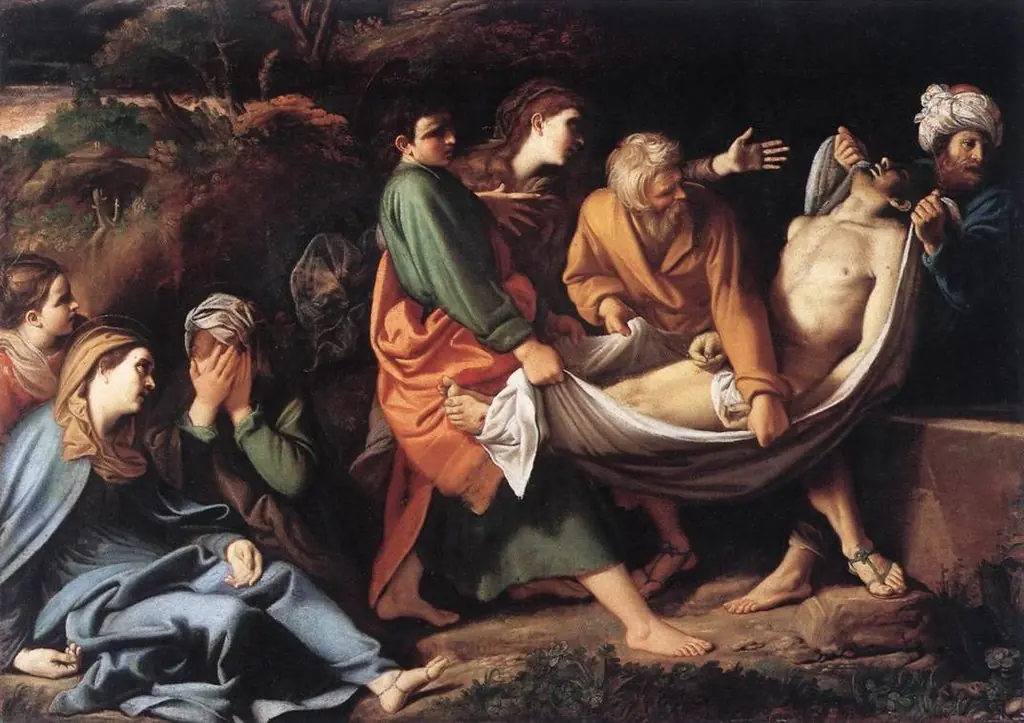 The Entombment of Christ
 Isaac Blessing Jacob
 Herodias with the Head of Saint John the Baptist
 Death of Lucretia