Artwork
Virgin
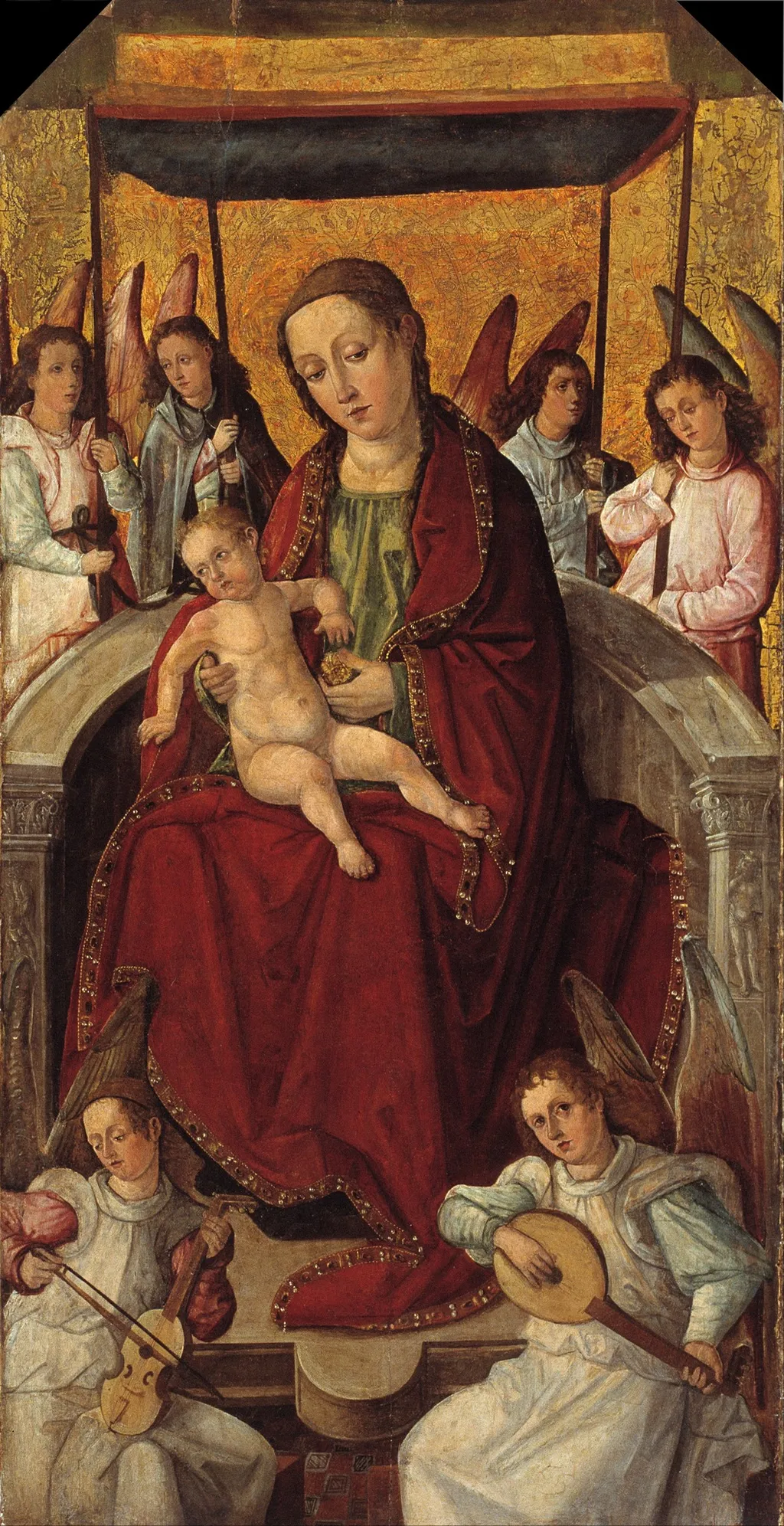
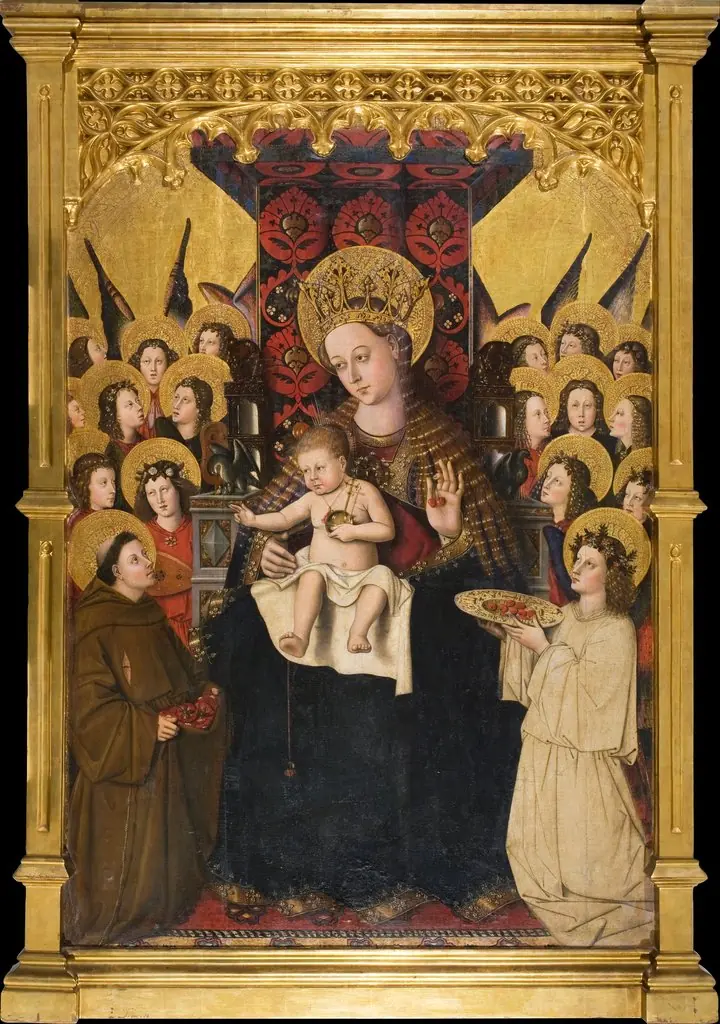
Virgin is an unspecified painting by the Early Renaissance artist Francisco de Osona. It dates from 1500 and is held in the collection of the Museu Nacional d'Art de Catalunya.
About this work
Overview
The painting remains in the collection of the Museu Nacional d'Art de Catalunya, where it represents a transitional moment in Valencian religious art.
Painted in 1500 by Francisco de Osona, this devotional image of the Virgin and Child originates from Valencia during the early Spanish Renaissance. Osona, trained in his father Rodrigo’s workshop, integrated emerging Italian compositional ideas into his work, distinguishing his style from more traditional local approaches. The painting remains in the collection of the Museu Nacional d'Art de Catalunya, where it represents a transitional moment in Valencian religious art.
Subject & Meaning
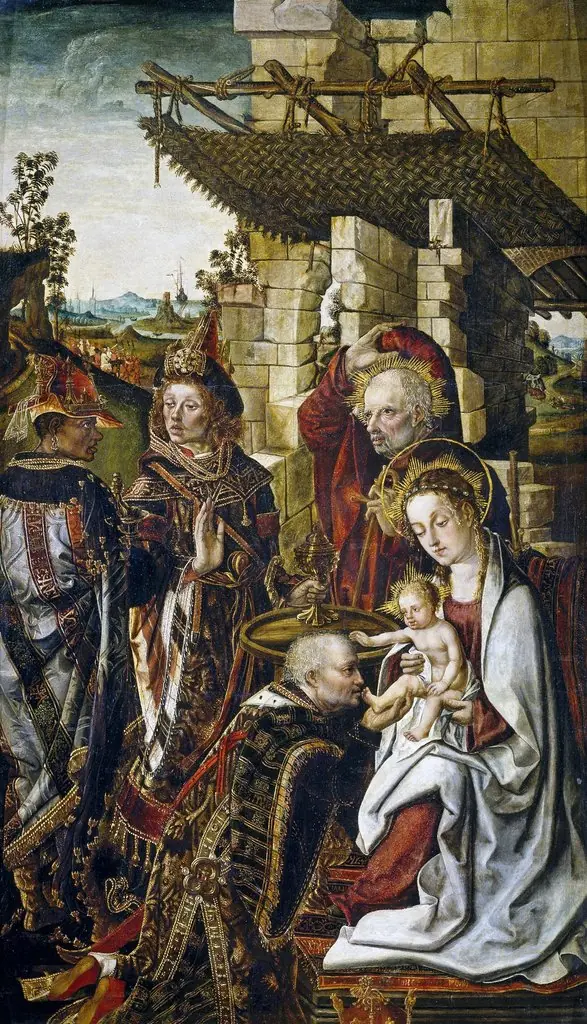
The Virgin Mary is depicted seated on a stone bench, gently holding the infant Jesus, who is wrapped in a red cloth. Her calm demeanor and direct gaze invite quiet contemplation, reflecting the devotional ideals of the period. The presence of angels in the background, some with musical instruments, suggests celestial harmony and the divine nature of the scene, reinforcing the sacred intimacy between mother and child.
Technique & Style
Osona employs delicate brushwork to render the textures of fabric and skin, with particular attention to the gold detailing on the Virgin’s red robe. The use of layered pigments creates depth in the garments, while the soft modeling of the figures shows influence from Italian Renaissance naturalism. The background is rendered with subtle spatial suggestion, though the composition remains largely frontal, preserving its liturgical function.
History & Provenance
The painting was produced in Francisco de Osona’s family workshop in Valencia, where he collaborated with his father, Rodrigo. It entered the Museu Nacional d'Art de Catalunya’s collection through documented acquisitions in the 19th or early 20th century, likely from a Spanish ecclesiastical source. Its survival in good condition reflects its continued veneration and careful preservation over centuries.
Context
In early 16th-century Valencia, artists were increasingly exposed to Italian models through prints and travelers. Osona’s work reflects this shift, blending local Gothic traditions with the softer forms and emotional restraint of Italian Renaissance painting. This synthesis was characteristic of regional workshops adapting new ideas without fully abandoning established devotional conventions.
Legacy
Though Francisco de Osona is not among the most widely recognized figures of Spanish Renaissance art, his work provides insight into how provincial workshops absorbed and adapted Italian innovations. This painting stands as a quiet example of the gradual transformation in religious imagery during a period of artistic exchange, influencing later Valencian painters who sought to reconcile tradition with novelty.
Artist & collection
Artist
Francisco de Osona, also Francisco de Osona the Younger, (c.1465–c.1514) was a Spanish Renaissance painter.

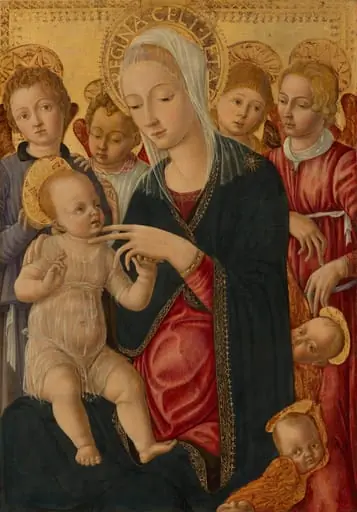 Madonna and Child with Angels and Cherubim
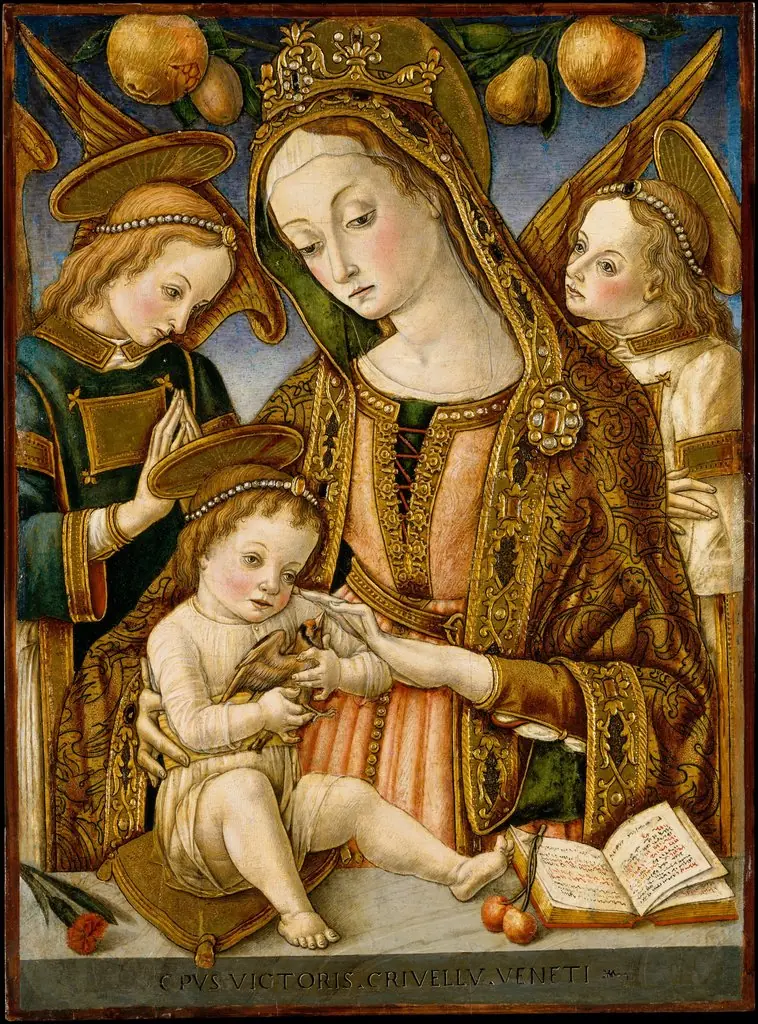 Madonna and Child with Two Angels
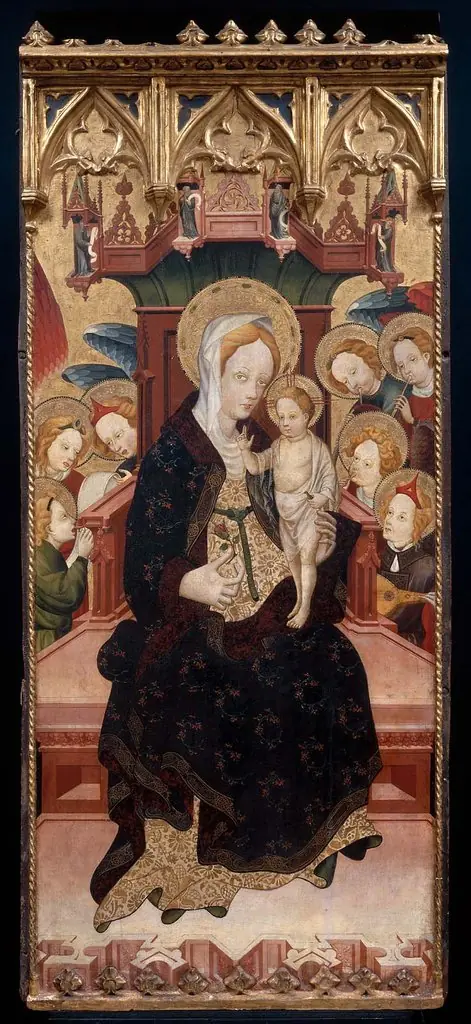 Virgin and Child Enthroned
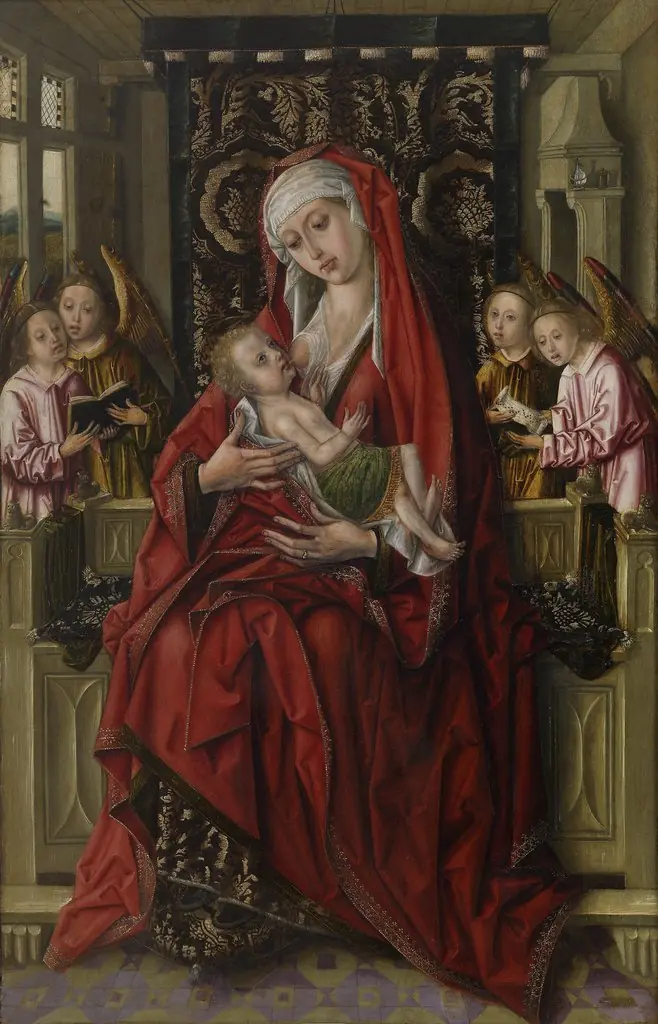 The Virgin Nursing the Child
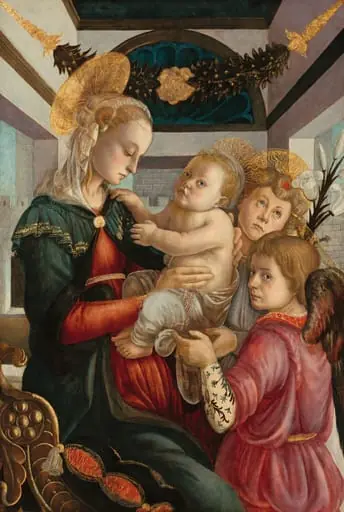 Madonna and Child with Angels
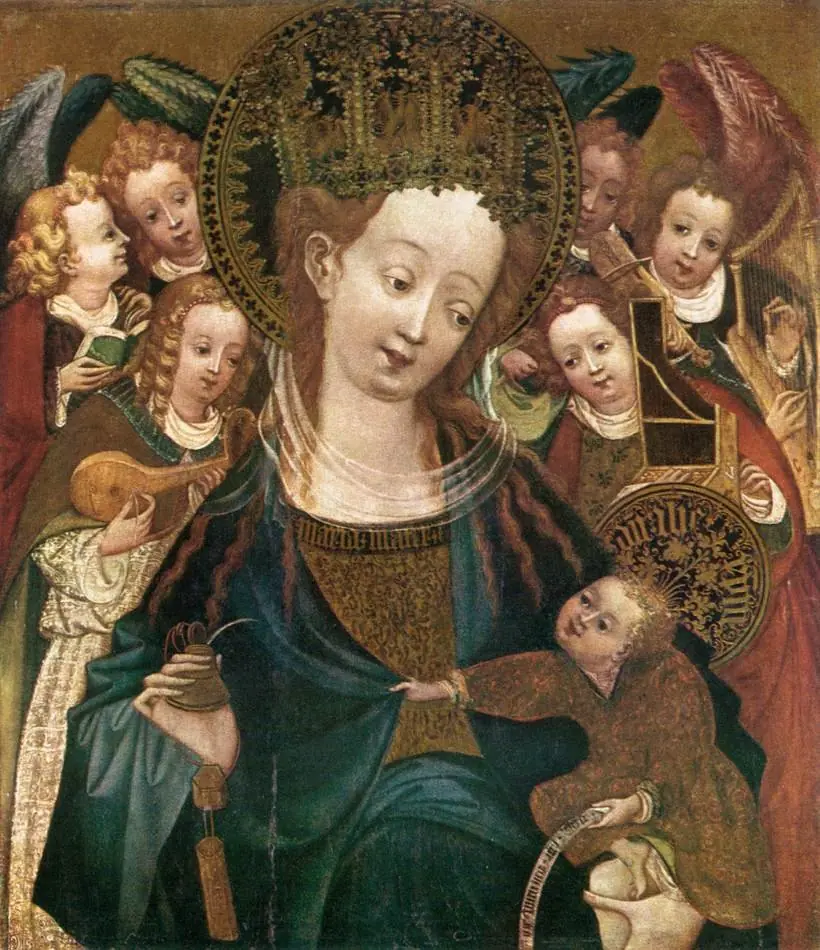 Madonna and Child with Six Angels
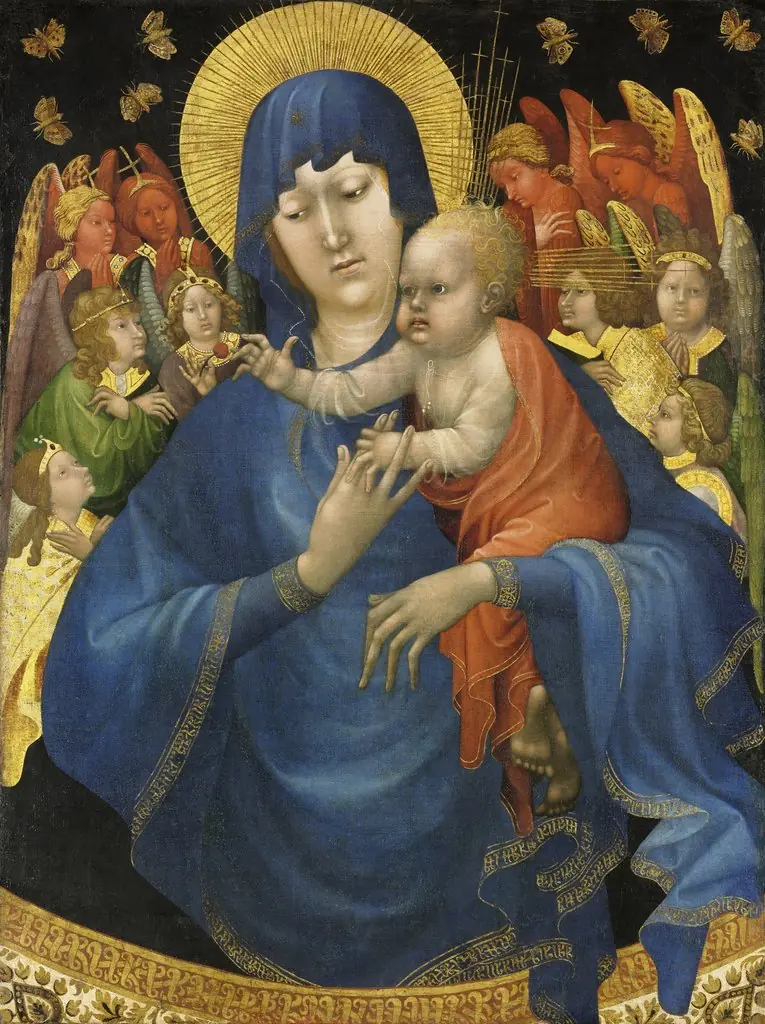 Virgin and Child with Butterflies
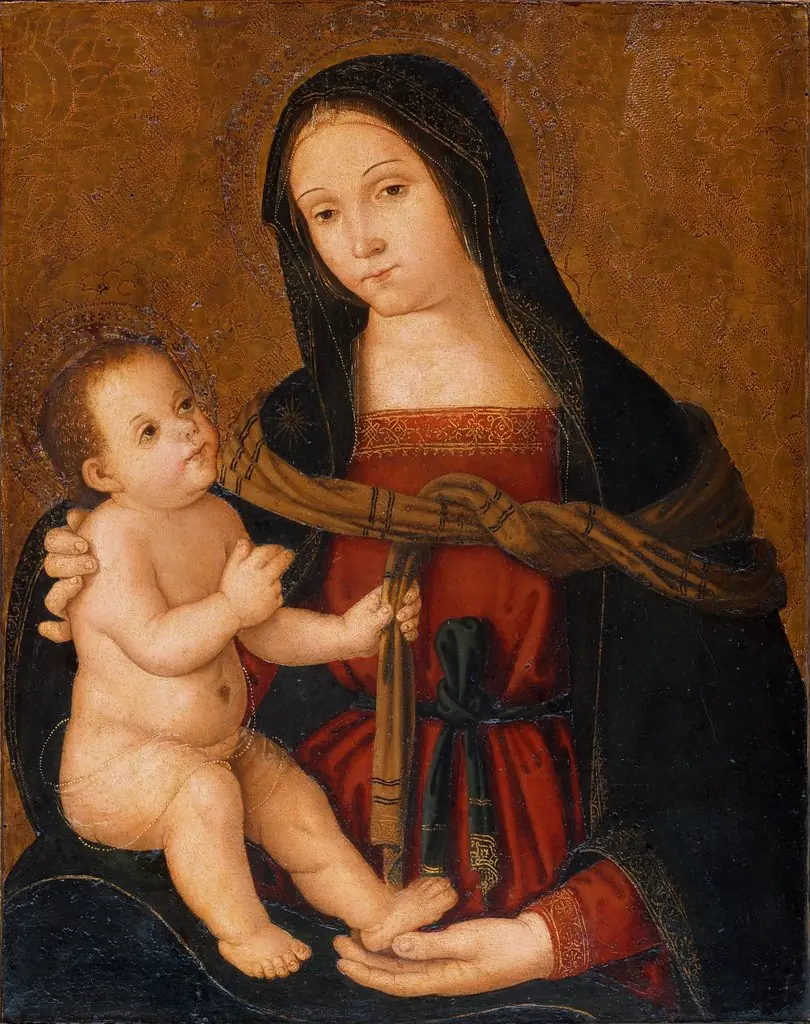 Madonna and Child
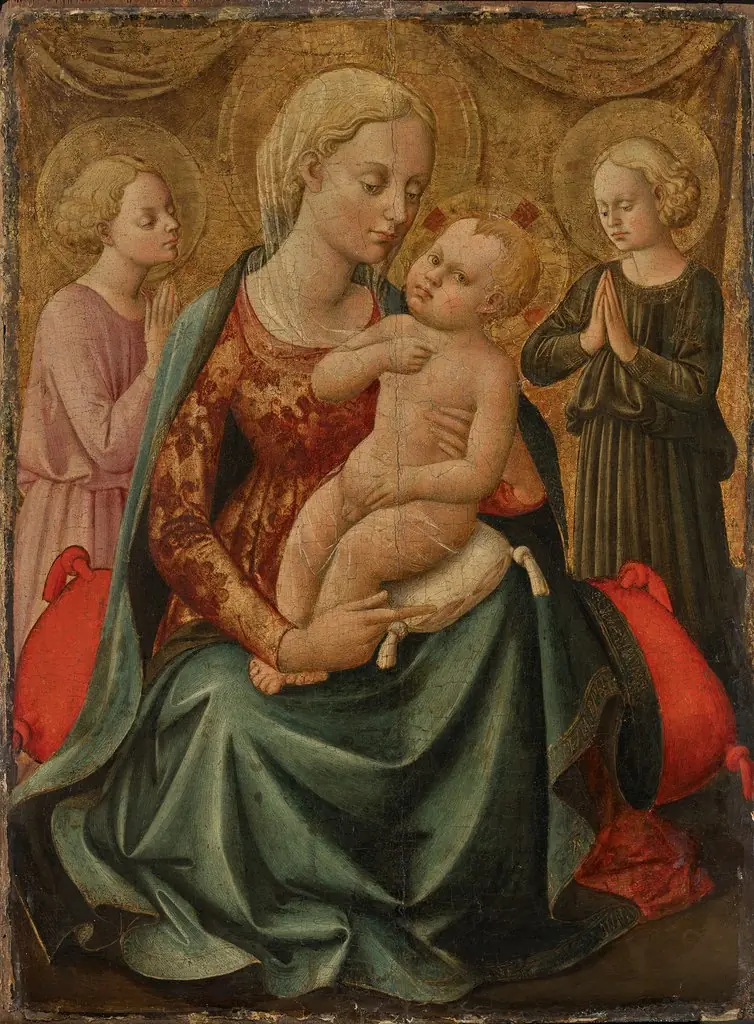 Madonna and Child
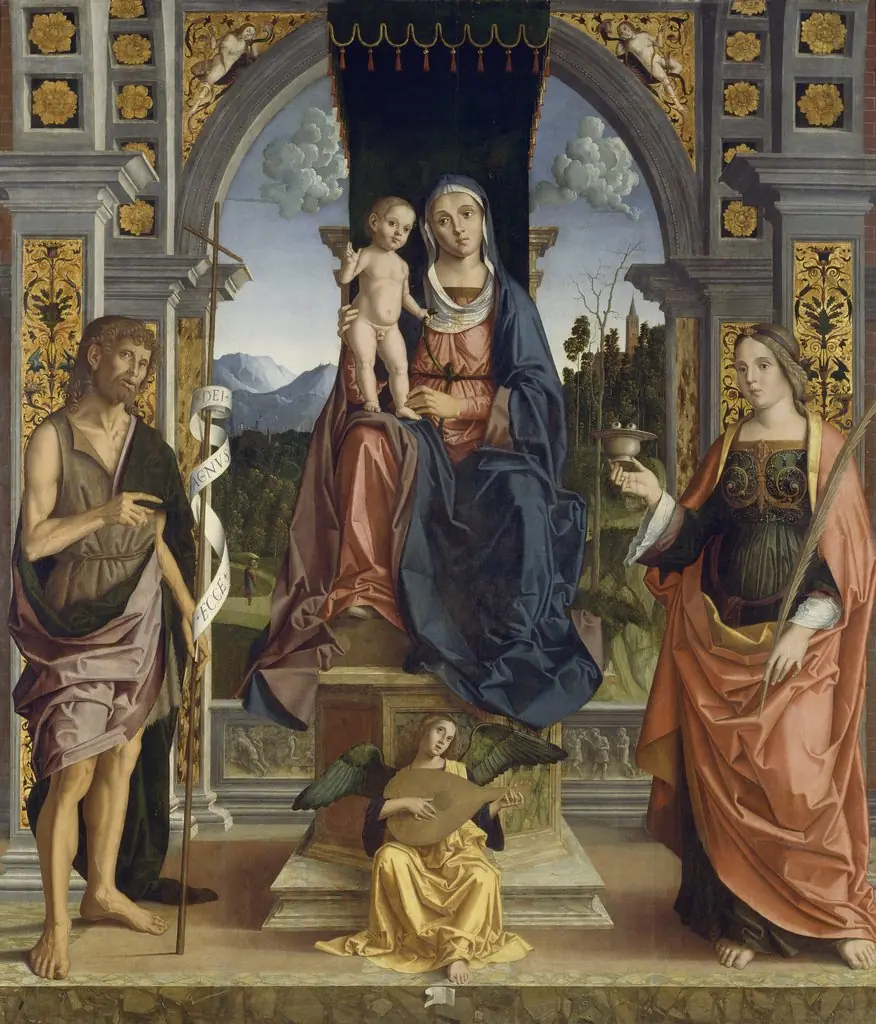 The Virgin and Child Enthroned, with Saints John the Baptist and Lucy
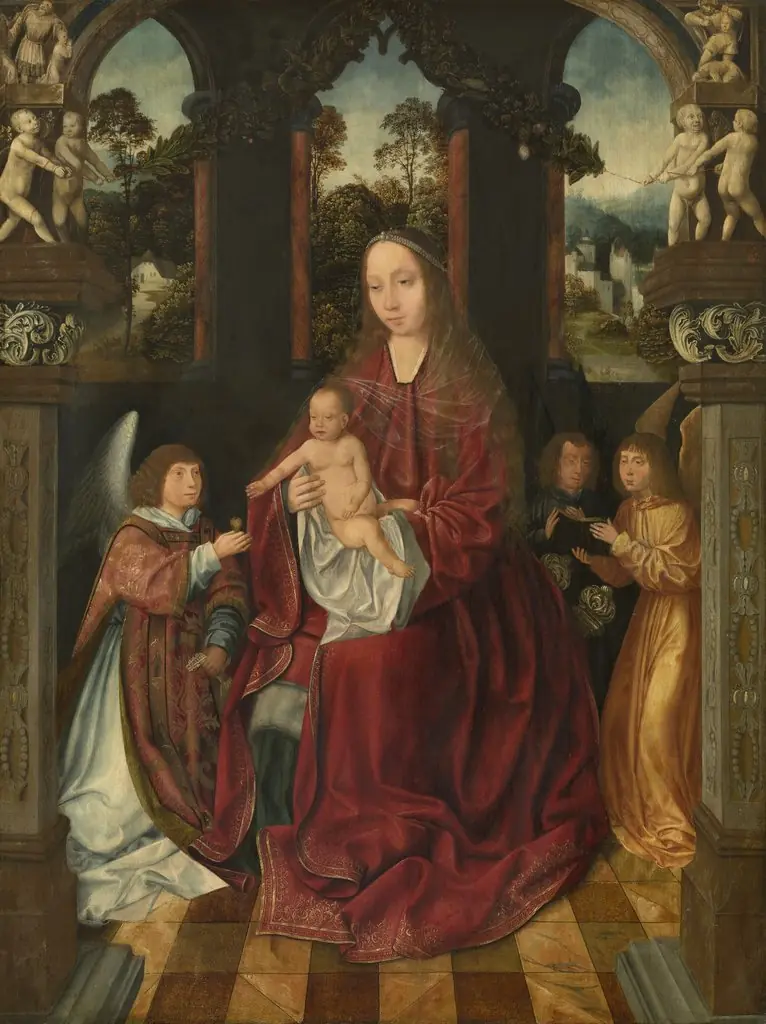 Madonna with Angels
 Virgin of the Porziuncola