Artwork
Cabeza de santo degollado
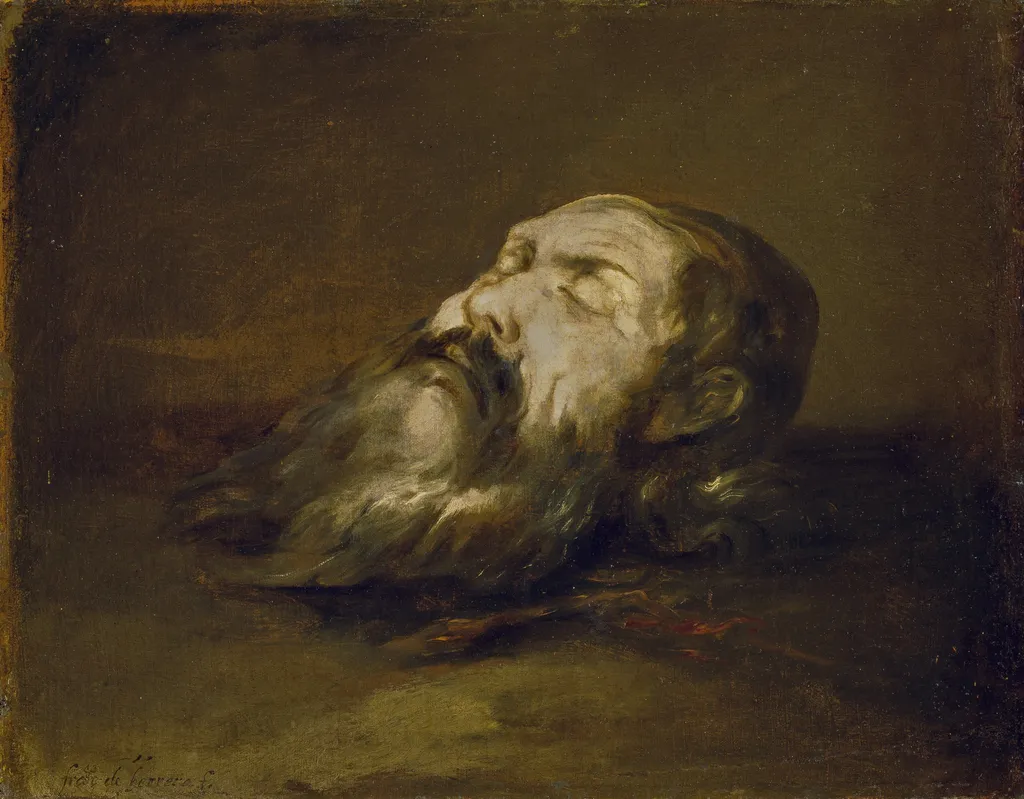
Cabeza de santo degollado is an oil painting by the Early Baroque Italian artist Francisco Herrera the Elder. It dates from 1601 and is held in the collection of the Museo del Prado.
About this work
Overview
Painted in 1601 by Francisco Herrera the Elder, *Cabeza de santo degollado* is an oil-on-canvas work depicting a severed saint’s head.
Painted in 1601 by Francisco Herrera the Elder, *Cabeza de santo degollado* is an oil-on-canvas work depicting a severed saint’s head. Herrera, a foundational figure in the Seville school of painting, produced this piece during the early Baroque era. The painting is part of the permanent collection at the Museo del Prado in Madrid, where it stands as an early example of his intense, naturalistic approach to religious subjects.
Subject & Meaning
The subject is a decapitated saint, shown lifeless and turned to the left, lying on its back. While the saint’s identity is not specified, the imagery aligns with Counter-Reformation themes of martyrdom and sacrifice. The absence of a body emphasizes the moment of violent loss, inviting contemplation on faith, suffering, and the physicality of death within a devotional context.
Technique & Style
Herrera employed chiaroscuro to model the head with dramatic lighting, enhancing the volume of the face and the texture of skin and hair. The dark, unmodulated background isolates the head, heightening its emotional weight. Rendered with precise observation, the face shows signs of rigor mortis and subtle bruising, reflecting a commitment to anatomical realism uncommon in Spanish painting of the period.
History & Provenance
Created in Seville around 1601, the painting entered the Spanish royal collection before being transferred to the Museo del Prado. Its early date places it among Herrera’s formative works, made before his son, Francisco Herrera the Younger, gained prominence. The work’s survival and preservation suggest it was valued within courtly or ecclesiastical circles soon after its completion.
Context
In early 17th-century Spain, religious imagery emphasizing martyrdom and bodily sacrifice gained renewed attention under the influence of the Counter-Reformation. Herrera’s unflinching realism diverged from idealized traditions, aligning more closely with emerging naturalist trends in Italy and the Netherlands. This painting reflects a shift toward emotionally direct, visually arresting sacred art in Spanish culture.
Legacy
Herrera’s stark, unidealized depiction influenced later Spanish painters, including Velázquez, who absorbed his emphasis on direct observation. *Cabeza de santo degollado* remains a rare early example of psychological intensity in Spanish religious painting, demonstrating how local artists adapted broader European stylistic developments into a uniquely sober and visceral visual language.
Own this work as a print
Artist & collection
Artist
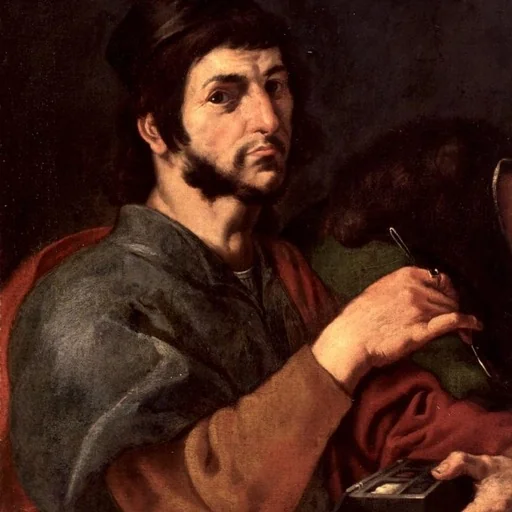
Francisco Herrera (1576–1656) was a Spanish painter, born in Seville. He was the founder of the Seville school. He is known as El viejo, "the elder," to distinguish him from his son Francisco Herrera the Younger, also a noted painter.

 Head of Saint John the Baptist
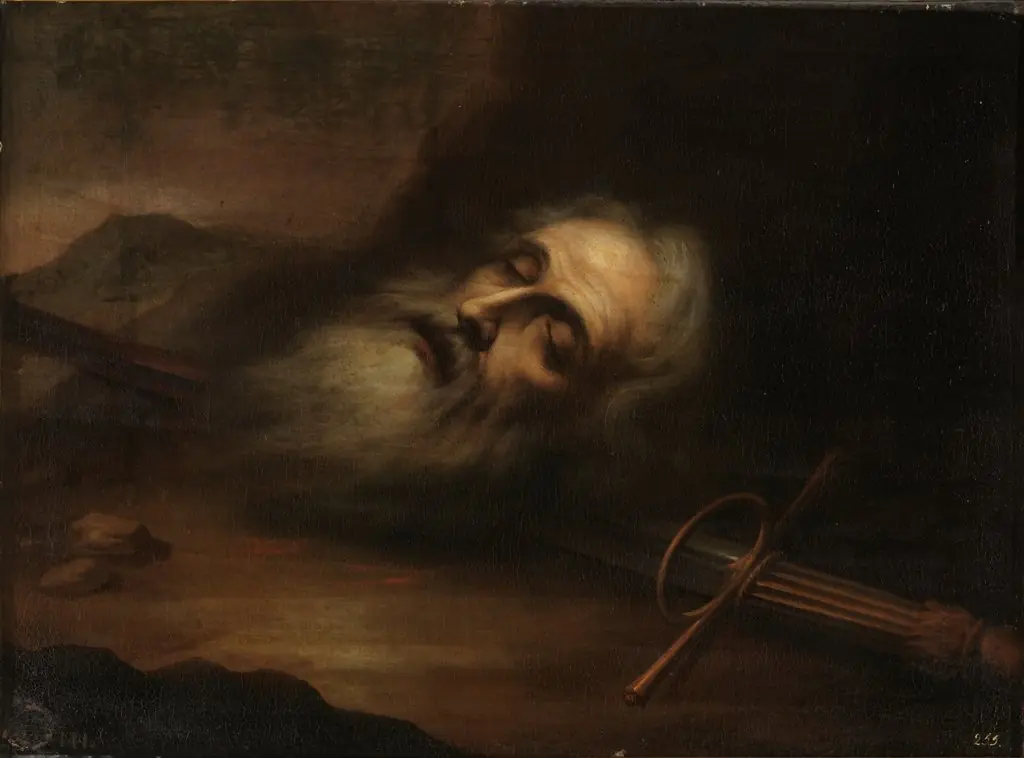 Cabeza de San Pablo
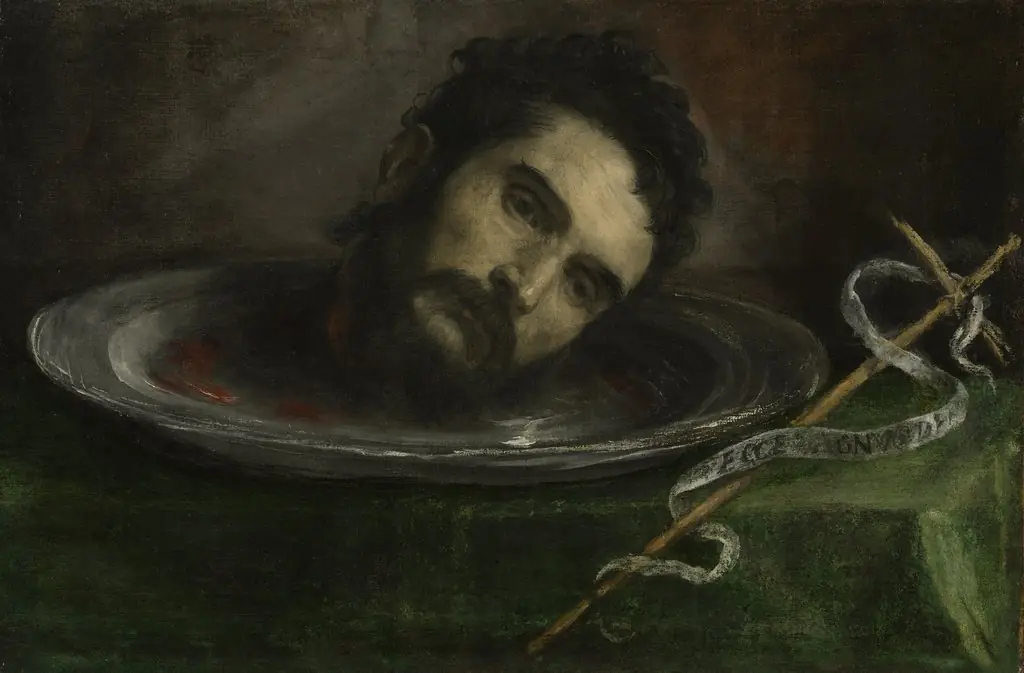
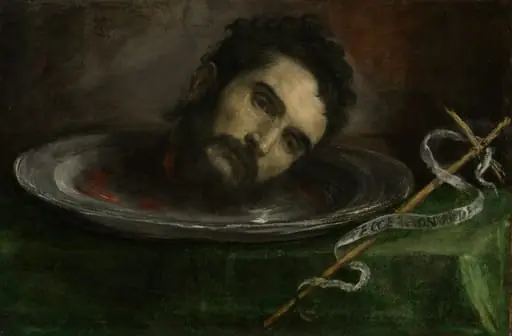 Head of Saint John the Baptist
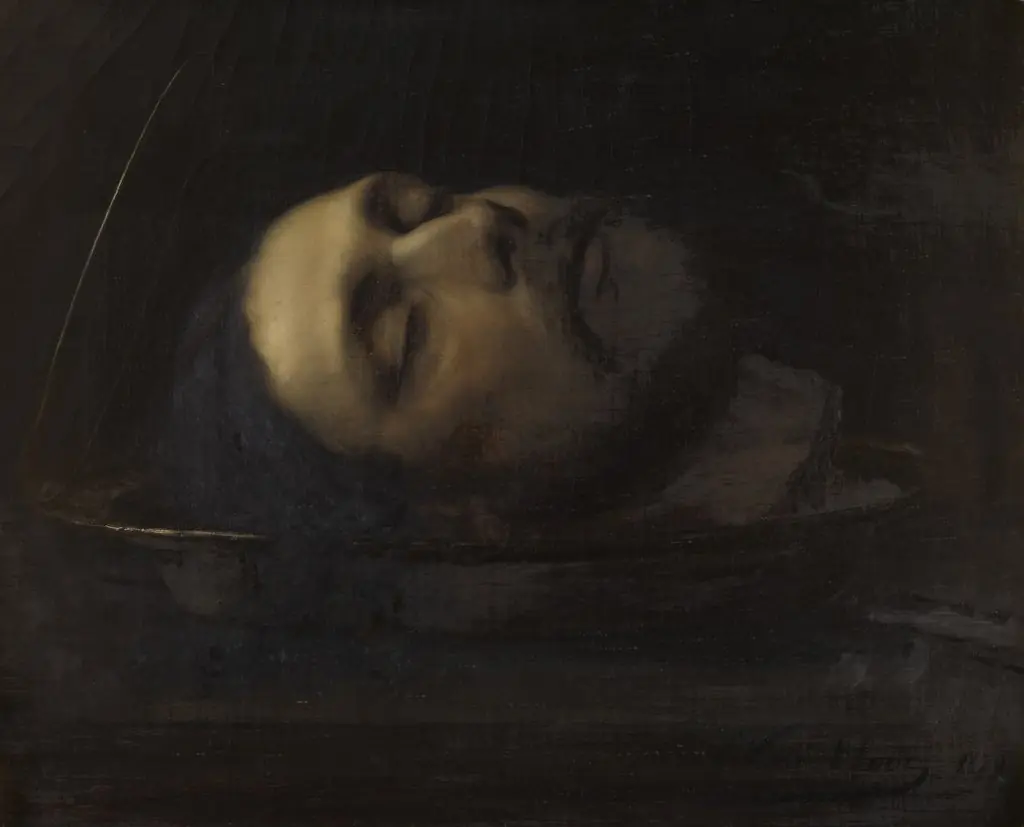 The Head of Saint John the Baptist
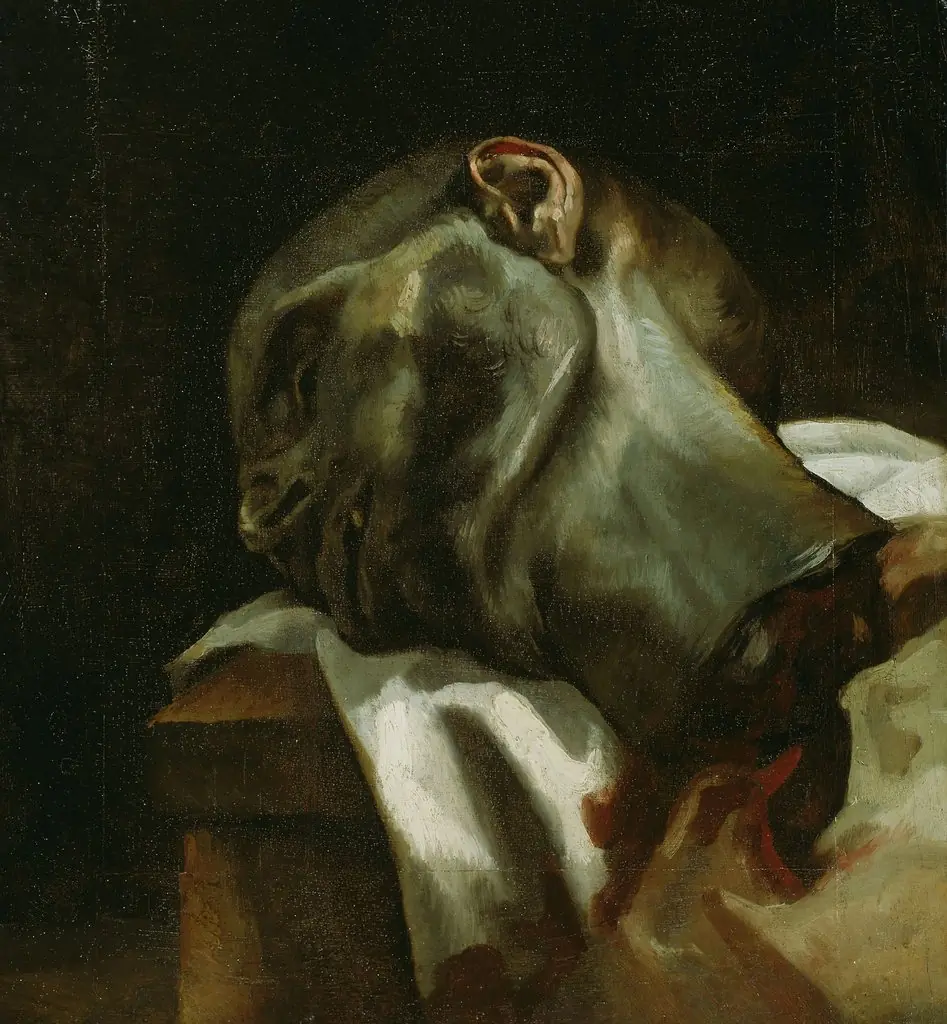 Head of a Guillotined Man
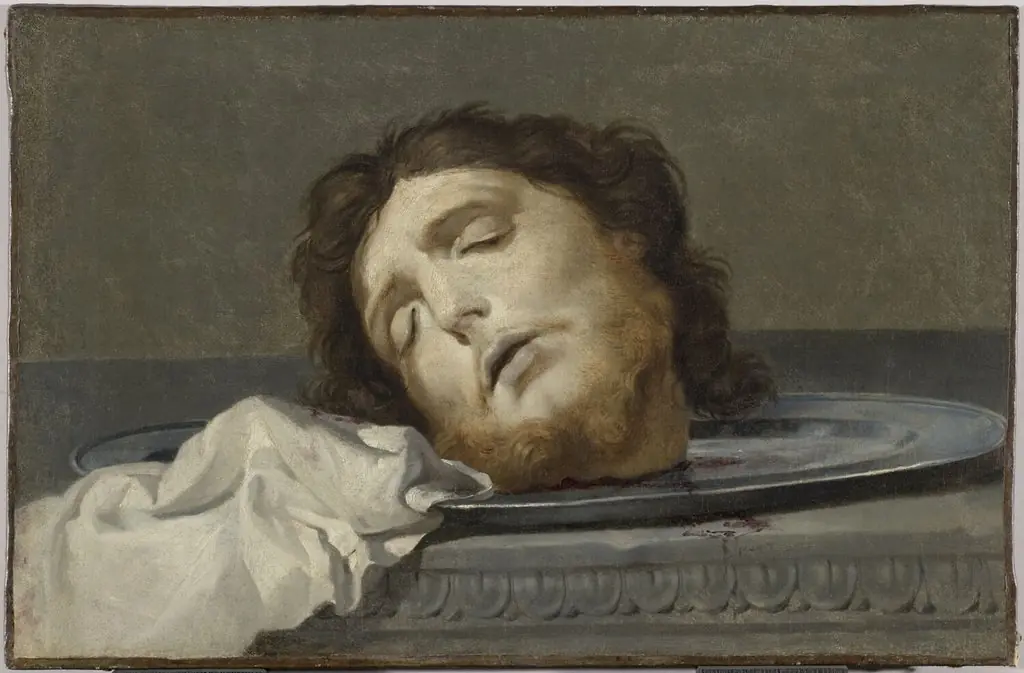 Le Chef de saint Jean-Baptiste
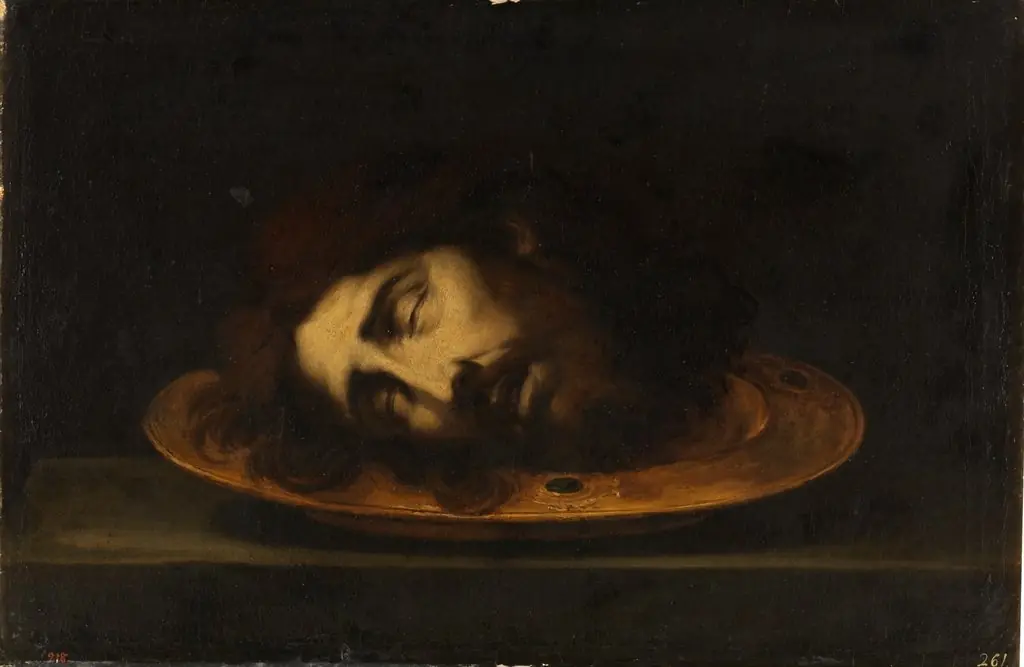 The Head of Saint John the Baptist
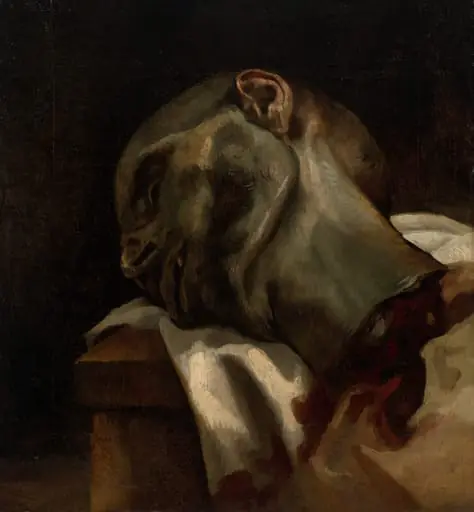 Head of a Guillotined Man
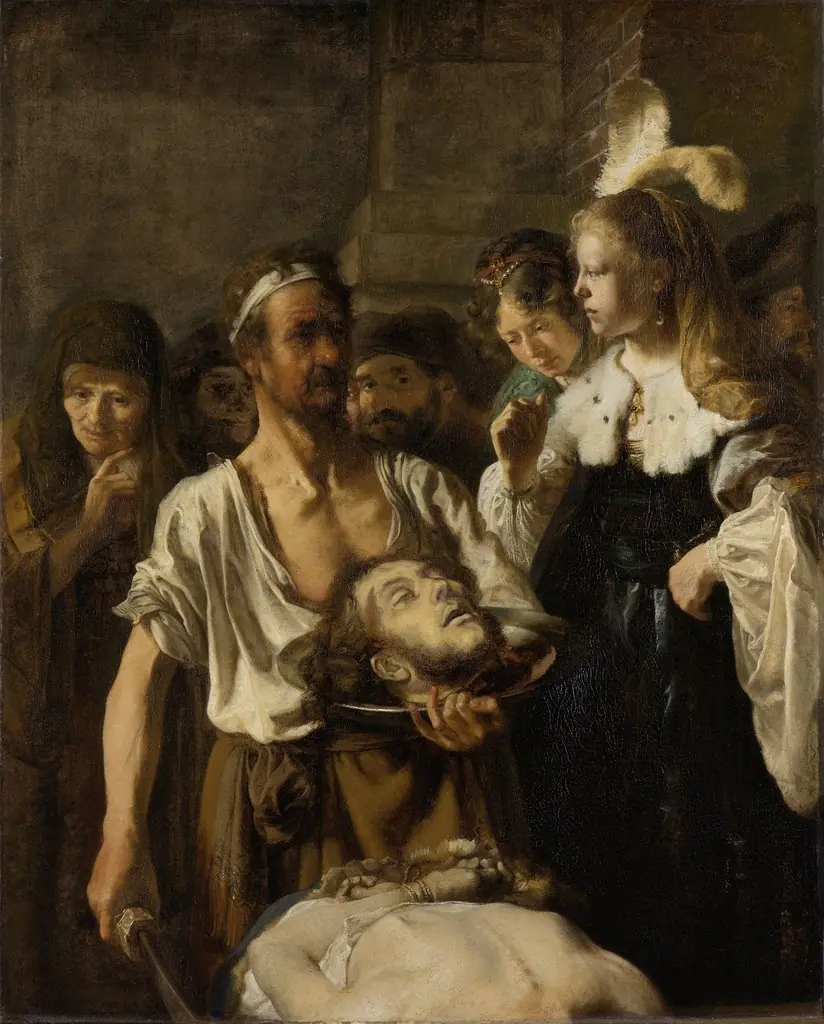 The beheading of John the Baptist
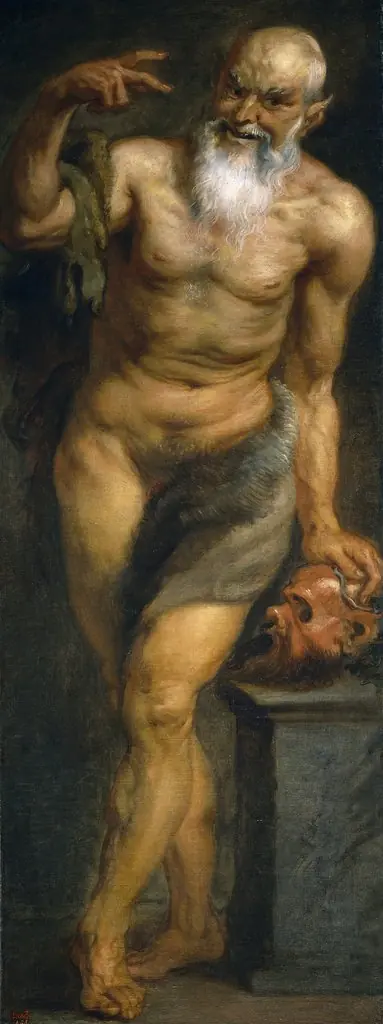 Satyr
Satyr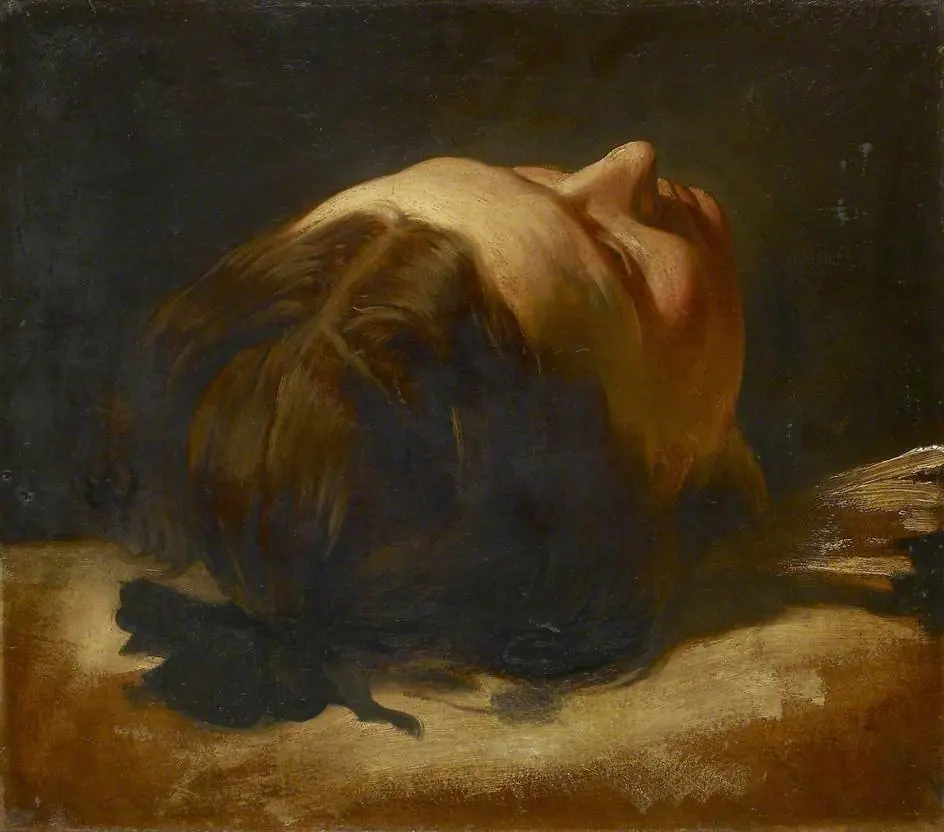 Study for 'The Execution of Mary, Queen of Scots'
 The Blind Sculptor