Artwork
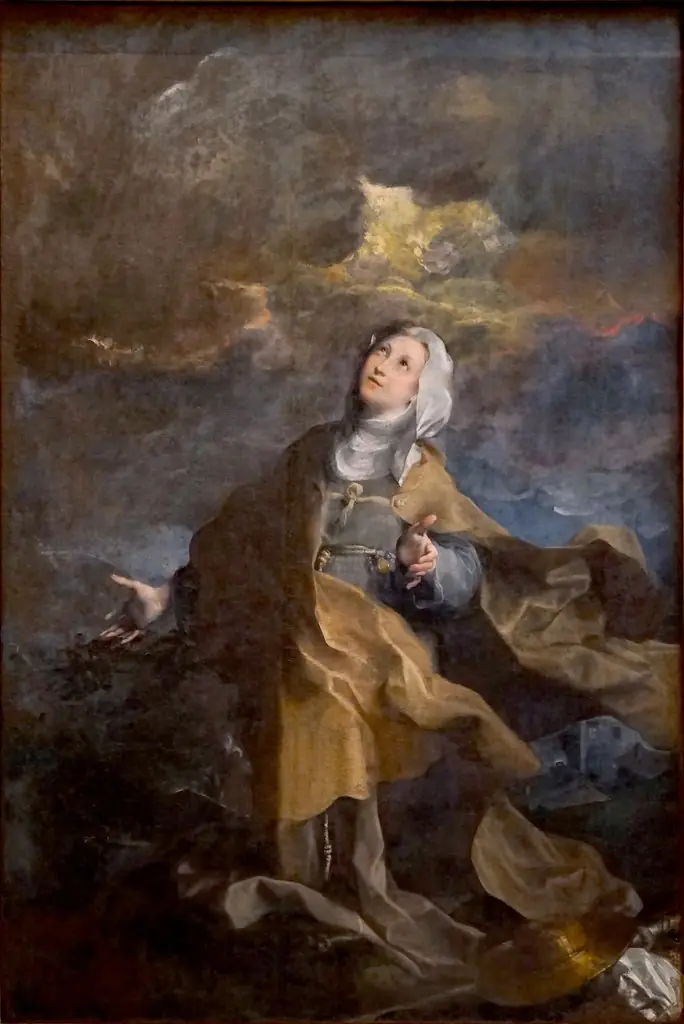
Santa Águeda (?)
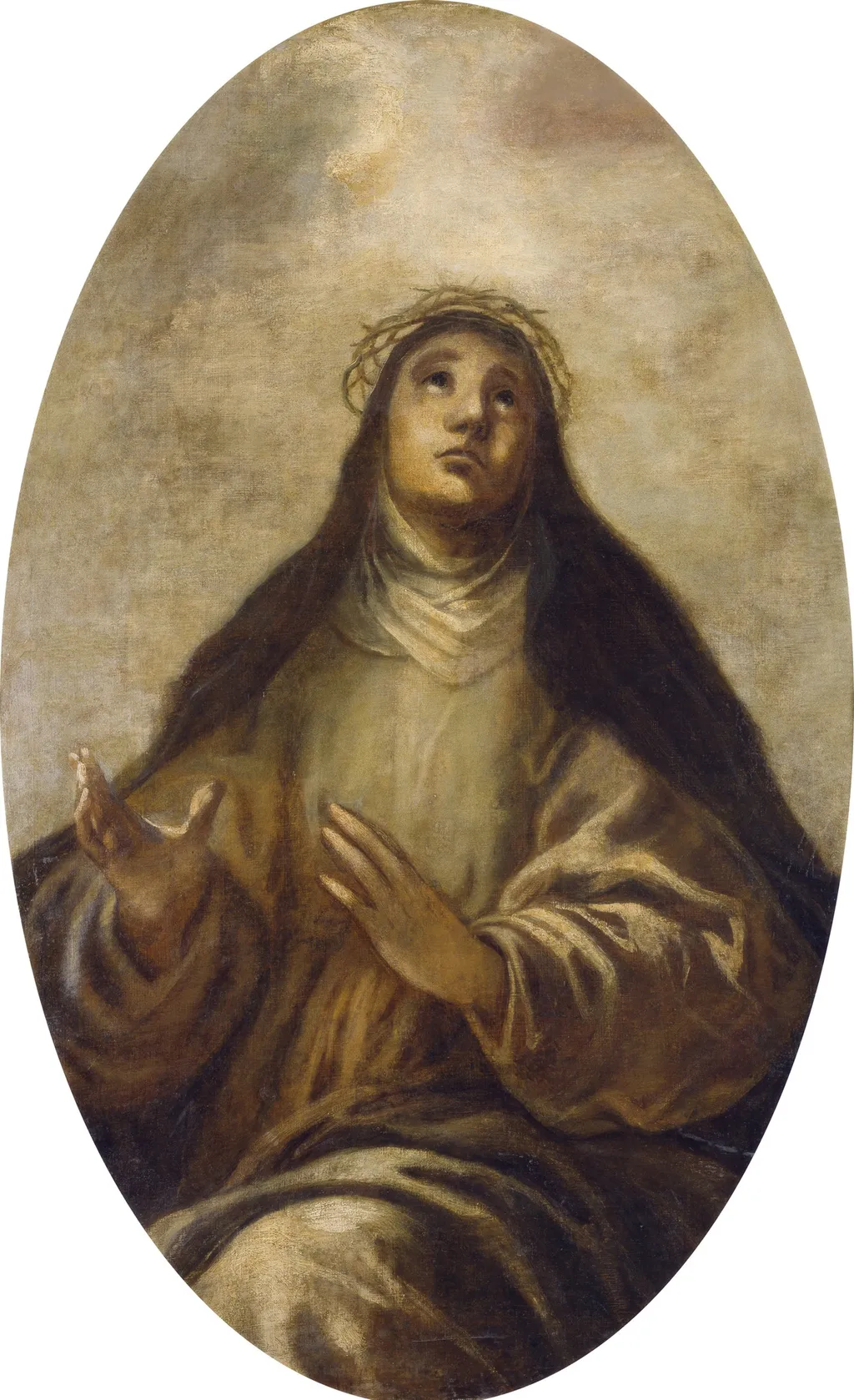
Santa Águeda (?) is an oil painting by the Early Baroque Italian artist Francisco Herrera the Younger. It dates from 1601 and is held in the collection of the Museo del Prado.
About this work
Overview
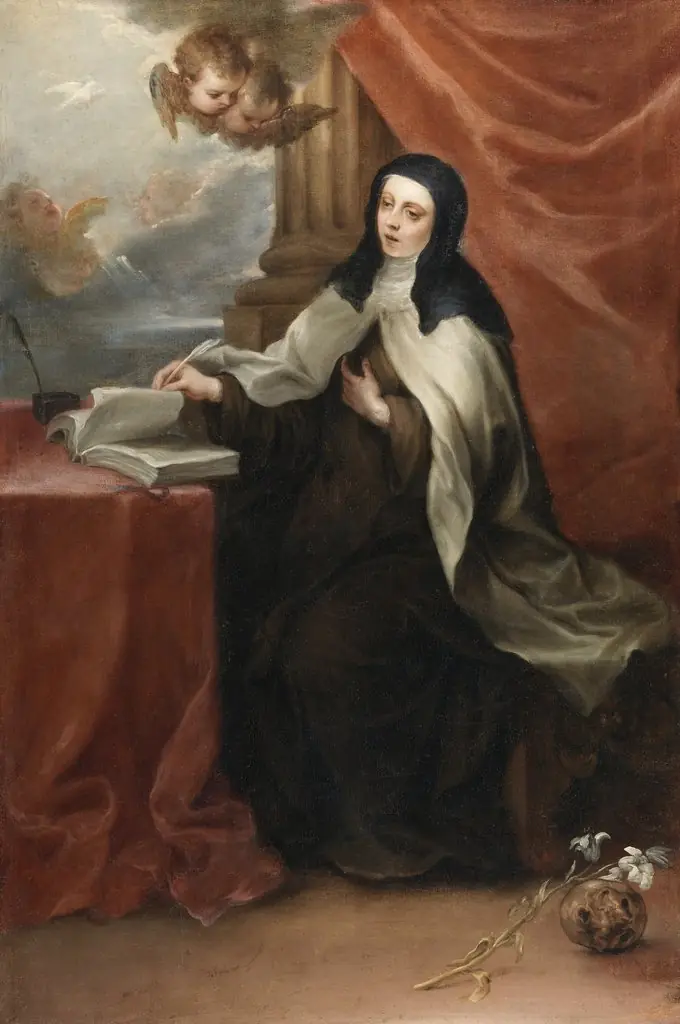
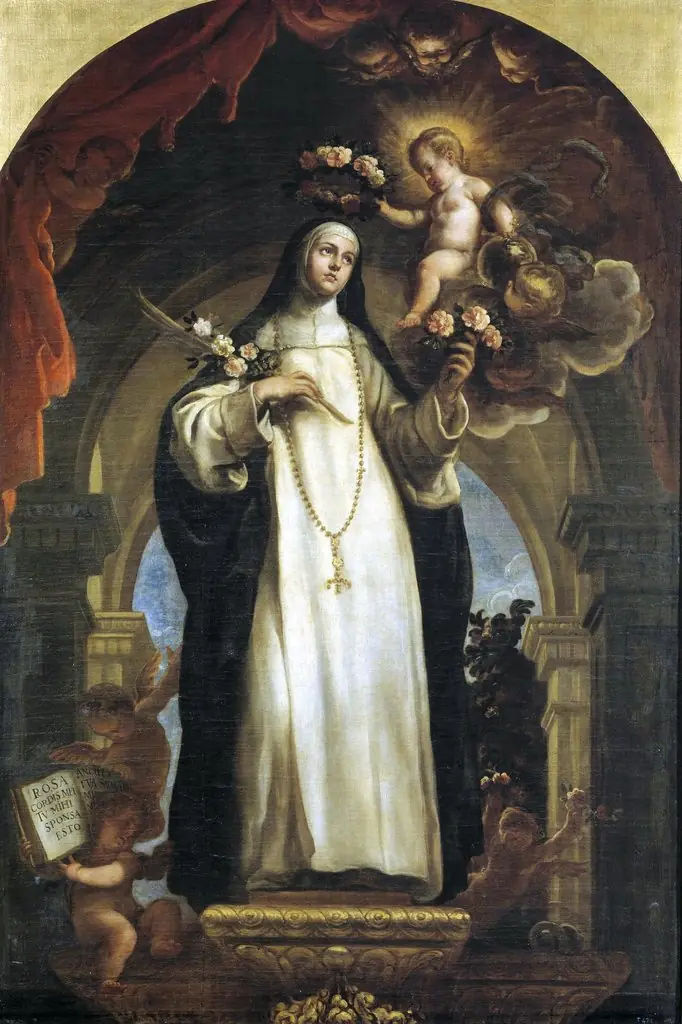
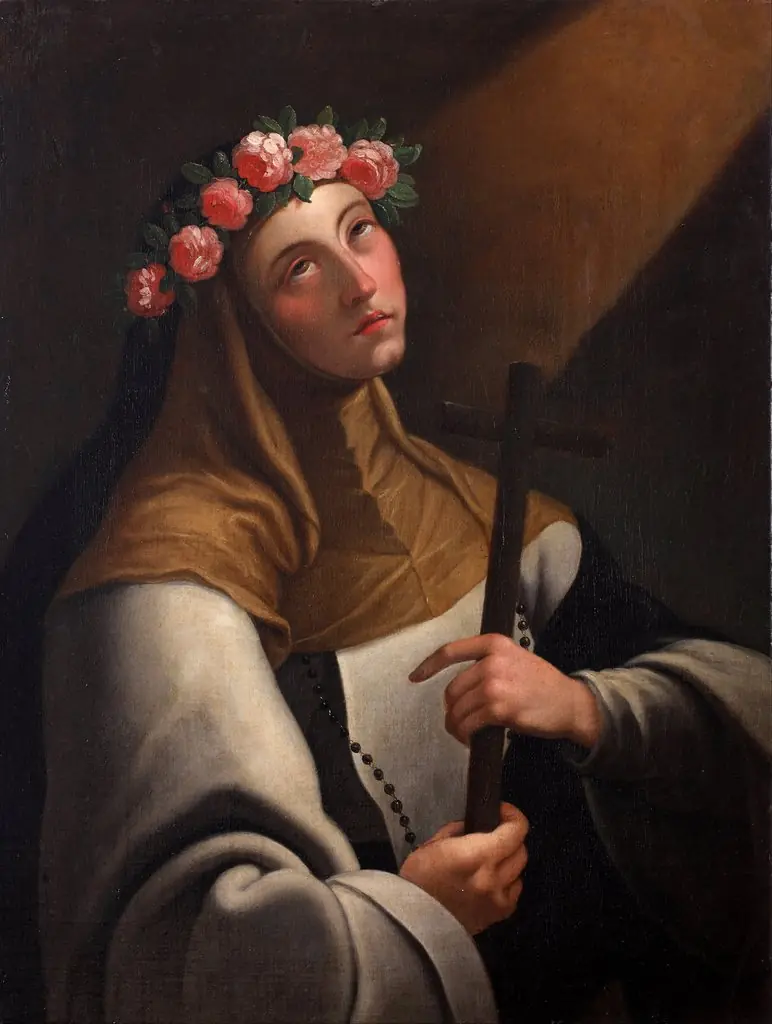
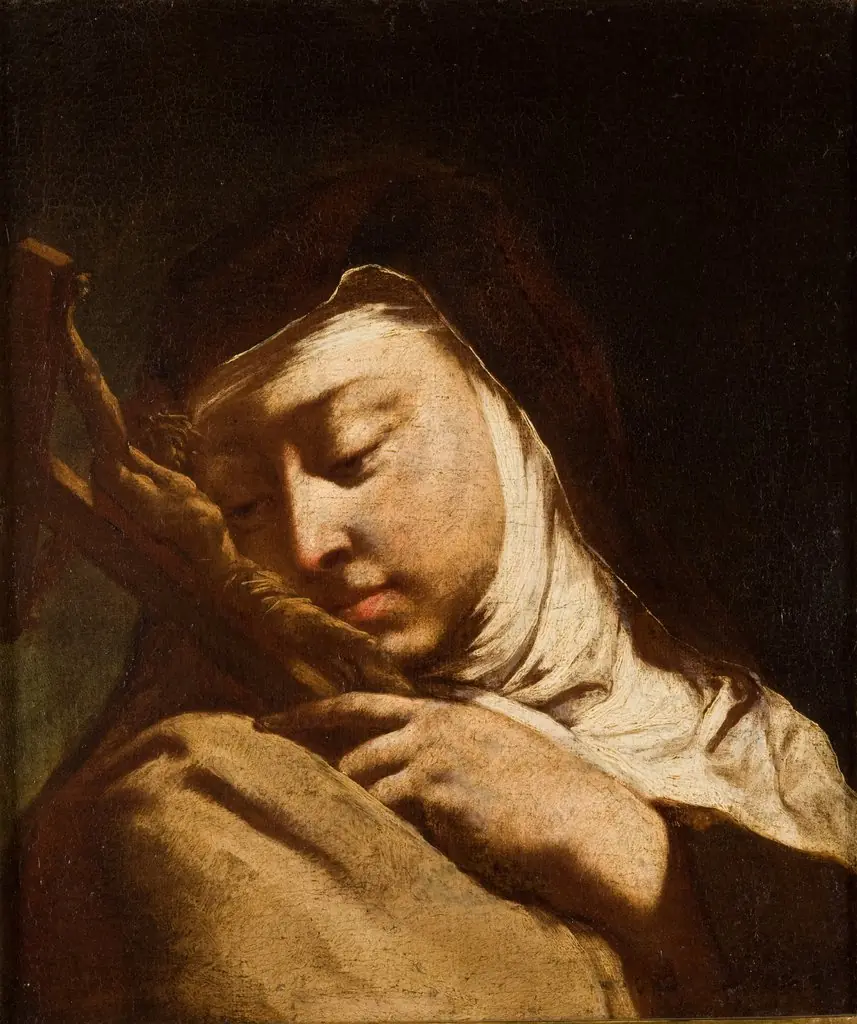
Created in 1601, this oil on canvas is attributed to the Spanish Baroque painter Francisco Herrera the Younger. The work, titled Santa Águeda, is part of the collection of the Museo del Prado in Madrid. It presents a solitary female figure rendered against a subdued backdrop, inviting close inspection of the artist’s handling of light and form.
Subject & Meaning
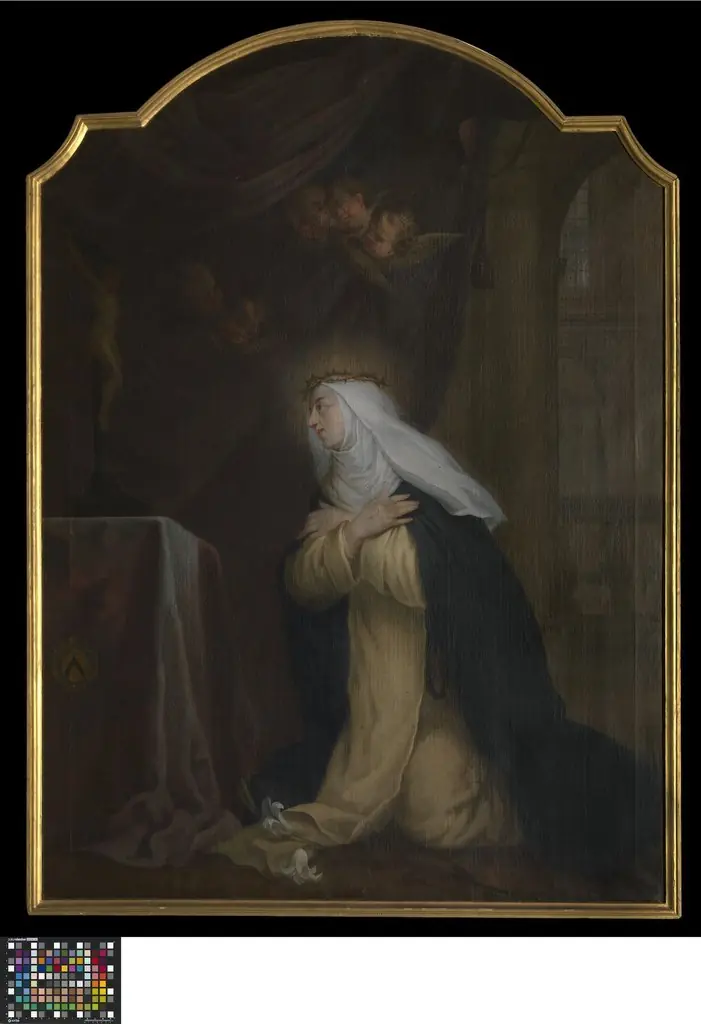
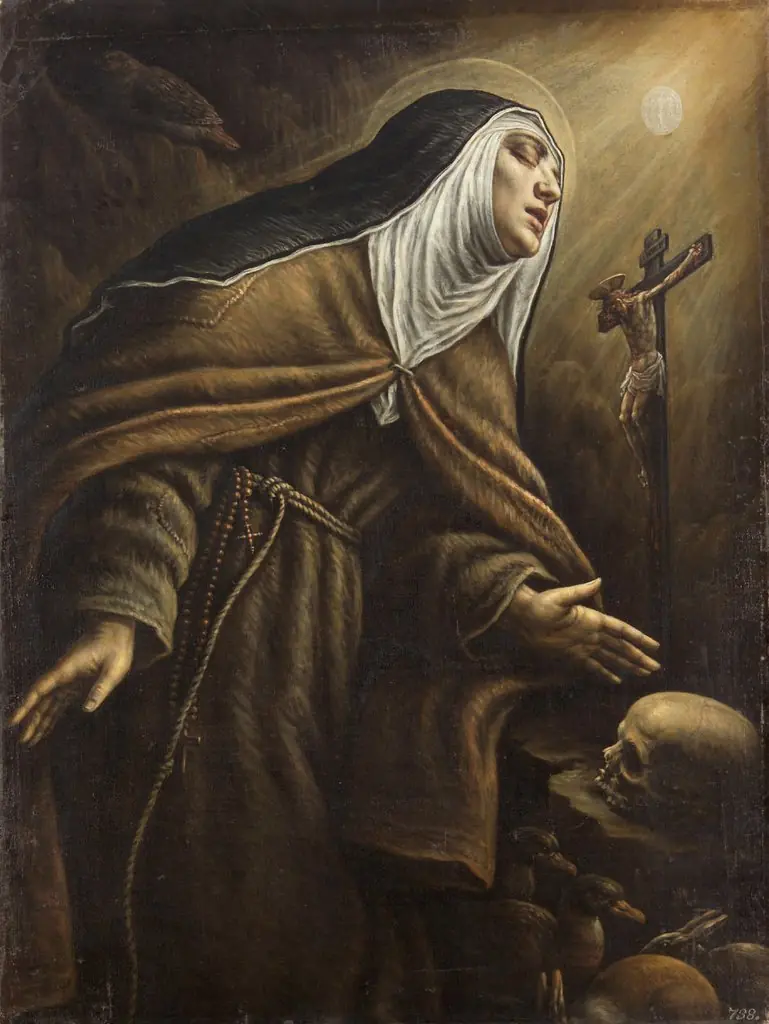
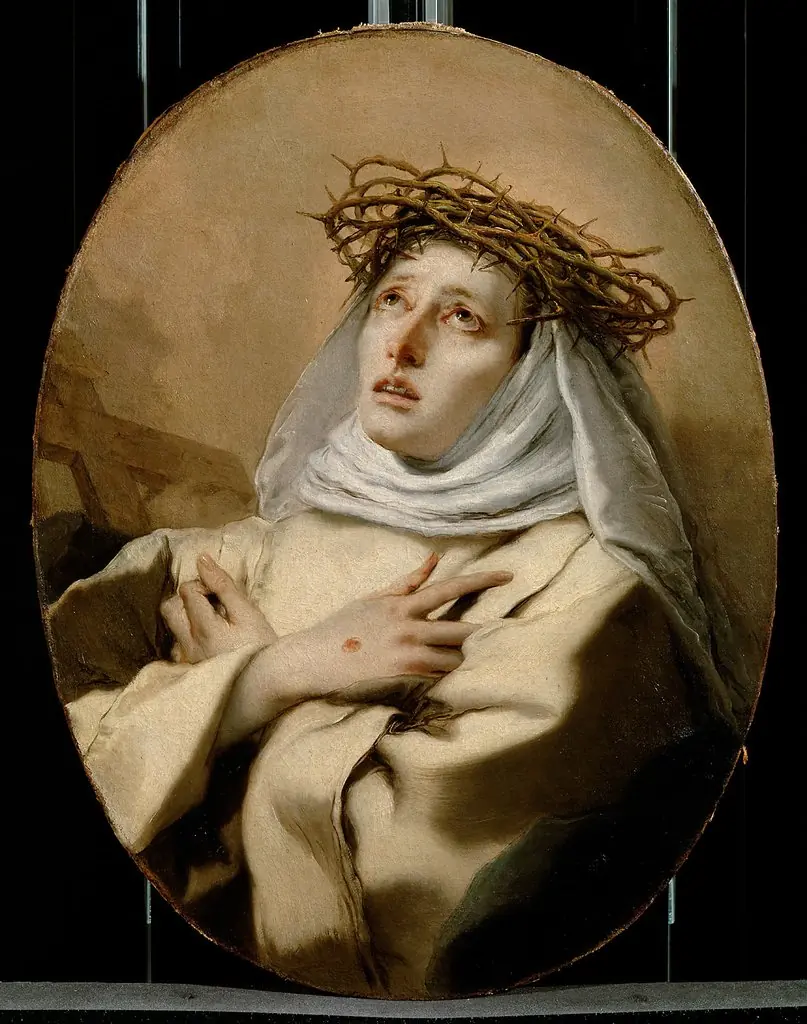
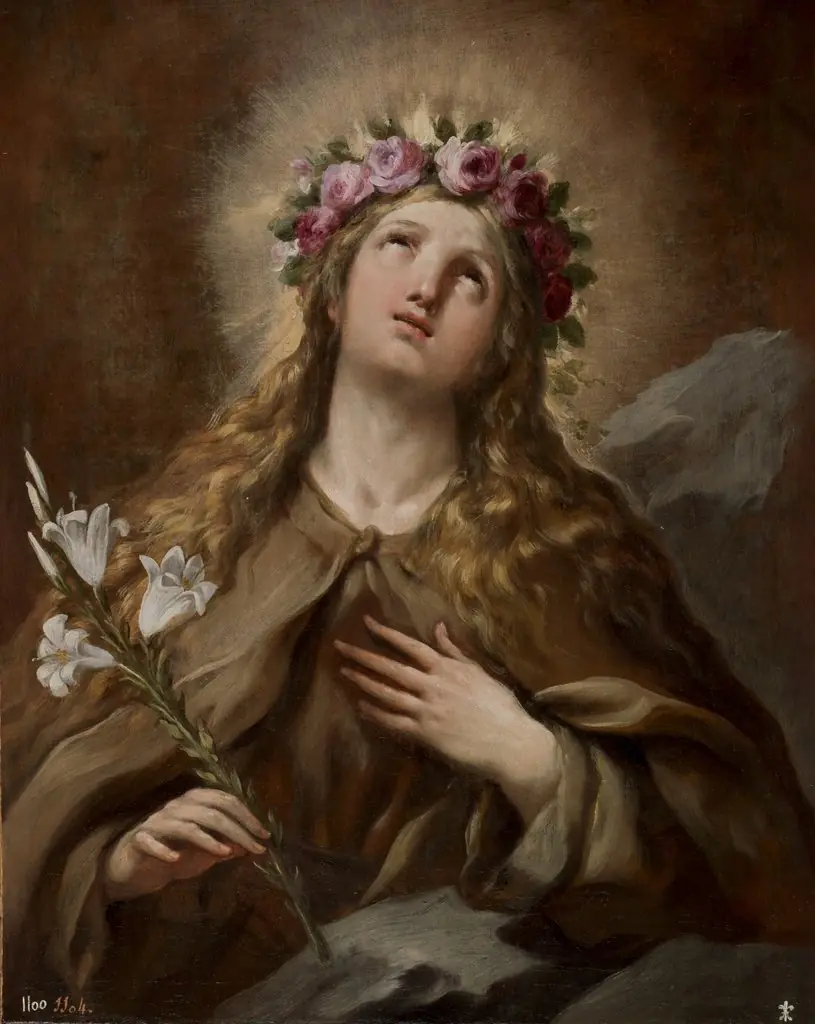
The central figure is a woman with dark, flowing hair, clothed in a modest robe and a white veil that covers her head. She holds her hands together before her chest, a gesture that suggests prayer or meditation, while a crown of thorns rests upon her brow, alluding to the martyrdom of Saint Agatha.
Technique & Style
Herrera employs a restrained palette of muted tones, allowing the figure to emerge from the background without distraction. The oil medium is applied with smooth, blended brushwork that softens the contours of the face and drapery, creating a quiet, contemplative atmosphere characteristic of early 17th‑century Spanish religious painting.
History & Provenance
The painting entered the Museo del Prado’s holdings as part of the museum’s early acquisitions of Spanish Baroque art. Its attribution to Herrera the Younger has been accepted by scholars based on stylistic analysis and archival references linking the work to the artist’s output around the turn of the 17th century.
Context
In the early 1600s, Spanish painters frequently depicted saints in moments of introspection, reflecting Counter‑Reformation ideals that emphasized personal piety. Herrera’s depiction of Saint Agatha aligns with this trend, presenting the martyr not in dramatic action but in a serene, reverent pose that underscores inner devotion.
Artist & collection
Artist
Francisco Herrera the Younger filled Spanish church walls with oil paintings of saints and holy visions.