Artwork
The Upper Himmalayahs. The Dodee Tal in Lake
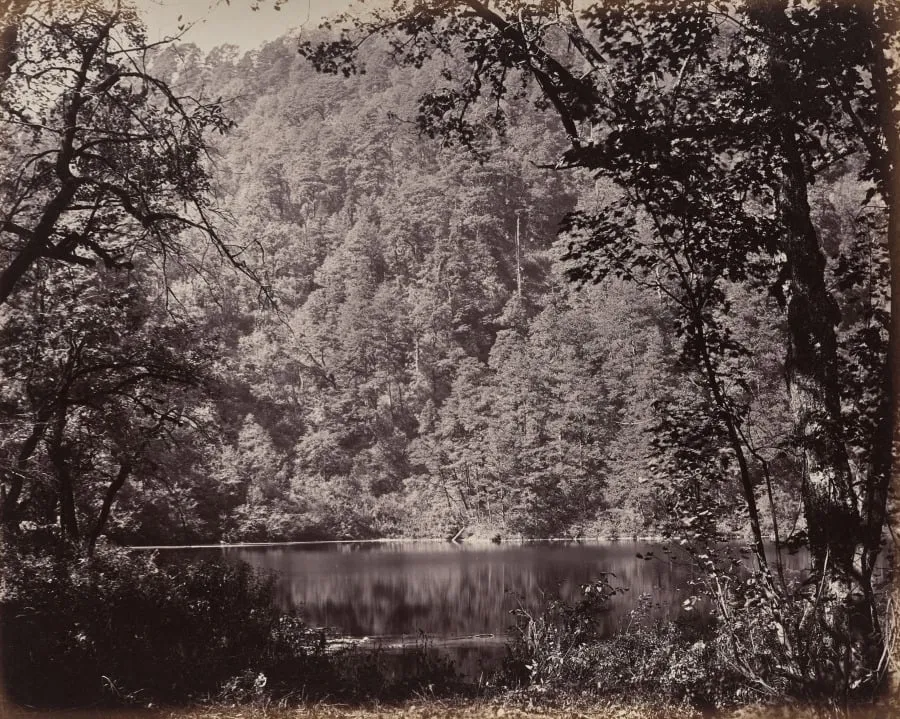
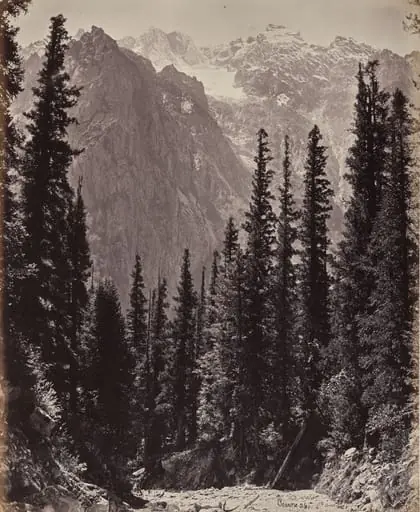
The Upper Himmalayahs. The Dodee Tal in Lake is a photography by the Impressionist artist Samuel Bourne. It dates from 1866 and is held in the collection of the Cleveland Museum of Art. This photograph, part of a 1860s album of fifty images, captures the Dodee Tal lake nestled in the upper Himalayas.
About this work
Overview
Taken by a British photographer who transported bulky equipment along rugged mountain paths, it forms part of a broader visual survey of northern India.
This photograph, part of a 1860s album of fifty images, captures the Dodee Tal lake nestled in the upper Himalayas. Taken by a British photographer who transported bulky equipment along rugged mountain paths, it forms part of a broader visual survey of northern India. The series documents both natural landscapes and architectural sites, reflecting a systematic effort to record the subcontinent’s geography during British colonial presence.
Subject & Meaning
The image centers on Dodee Tal, a serene alpine lake framed by dense, towering mountains. Human figures on the shore are rendered minuscule, emphasizing the vastness and isolation of the terrain. Rather than portraying the lake as a destination, the photograph treats it as a silent, unaltered natural feature—offering a quiet counterpoint to the more frequently documented urban and imperial sites in the album.
Technique & Style
The photograph employs the wet-plate collodion process, requiring long exposures and careful handling of fragile glass plates in remote conditions. The composition is balanced and deliberate, with sharp detail in the water’s surface and the layered ridges of the mountains. The tonal range captures subtle shifts in light and shadow, characteristic of mid-19th-century landscape photography aimed at documentary precision.
History & Provenance
Created in the 1860s, the photograph was likely produced by a British photographer working on a commissioned survey. The album’s journey from Himalayan trails to major Indian cities suggests a structured expedition, possibly linked to colonial administrative or ethnographic interests. The original plates or prints may have been distributed among British institutions or private collectors, though the current whereabouts of this specific image remain unverified.
Context
During the 1860s, British photographers increasingly documented India’s landscapes and monuments as part of imperial record-keeping. While cities like Agra and Delhi were frequently photographed for their historical monuments, remote mountain lakes like Dodee Tal were less common subjects. This image reflects a growing interest in the natural sublime, aligning with European aesthetic traditions even as it served colonial documentation goals.
Legacy
Dodee Tal remains physically unchanged, allowing modern viewers to compare the 1860s photograph with contemporary imagery. The image endures not as a celebrated work but as a quiet artifact of early photographic exploration in the Himalayas. It contributes to a broader archive of colonial-era visual records, offering insight into how distant landscapes were perceived and preserved through the lens of foreign observers.
Artist & collection

Artist
Samuel Bourne was a British photographer known for his prolific seven years' work in India, from 1863 to 1870.

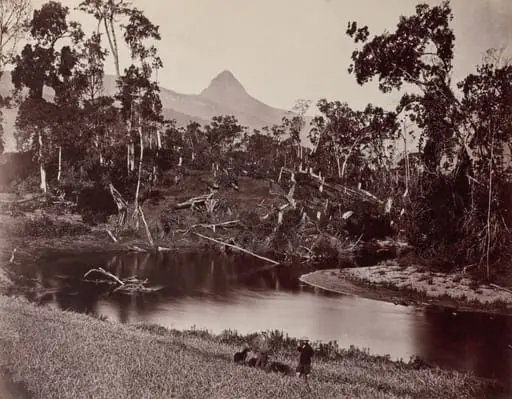 Ceylon Views to Adam's Tooth
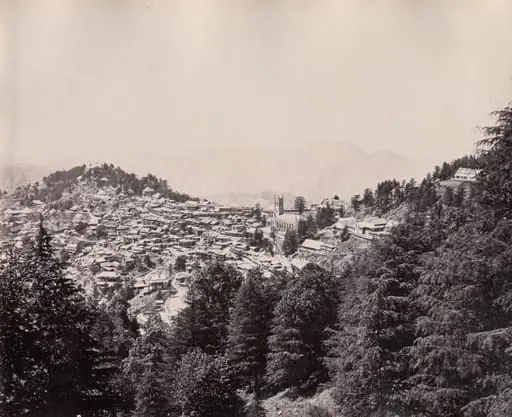 Shimla
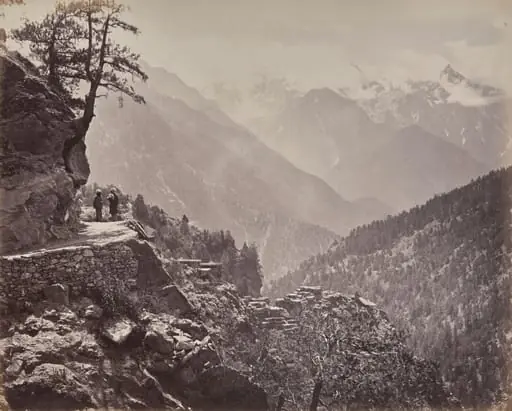 The Upper Himmalayahs. View on the New Road between India and China. Mt. Pangi with the Snowy Peaks of China in the Distance
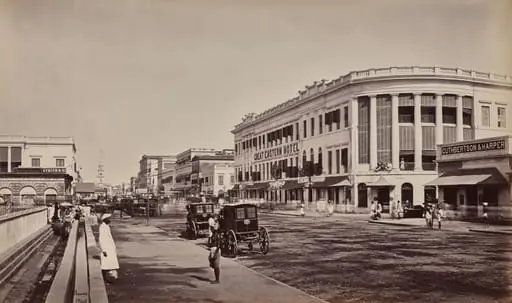 Calcutta. Old Court House Street
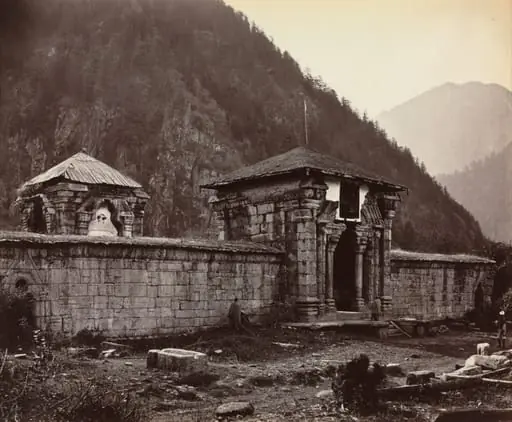 Temple at Naveshera, Kashmir, India
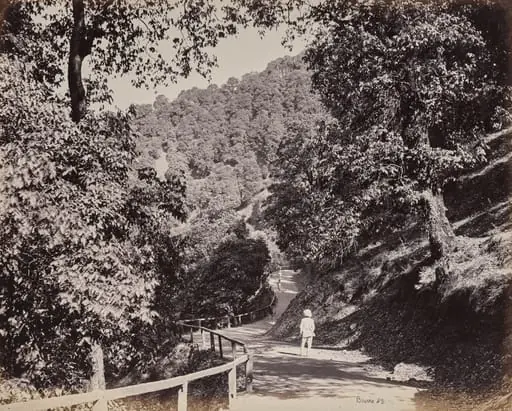 Shimla. The Mall near Rabq Lodge
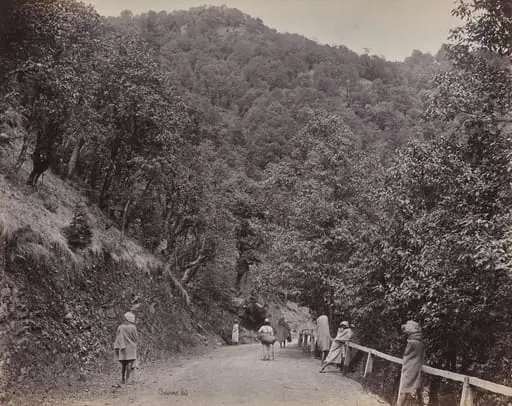 Shimla. The Mall or Principal
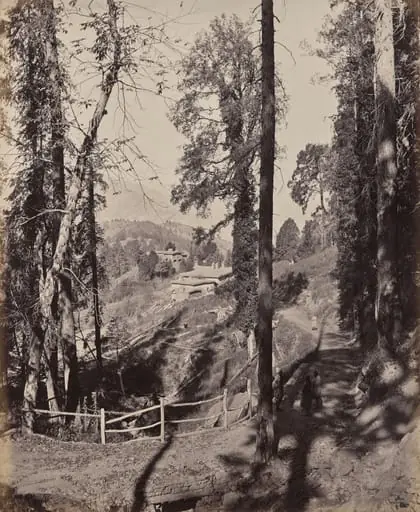 Murree. A Hill Station in the Himmalayahs, View Through the Forest
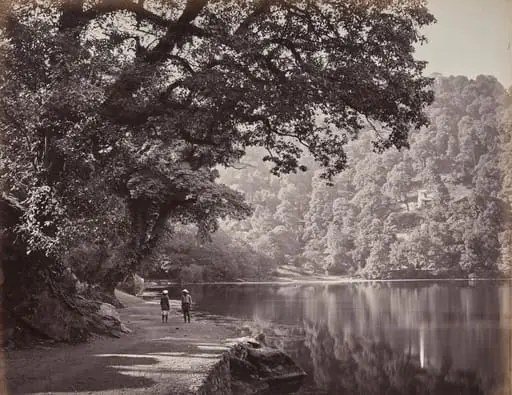 Hyree Lake. South End of the Lake
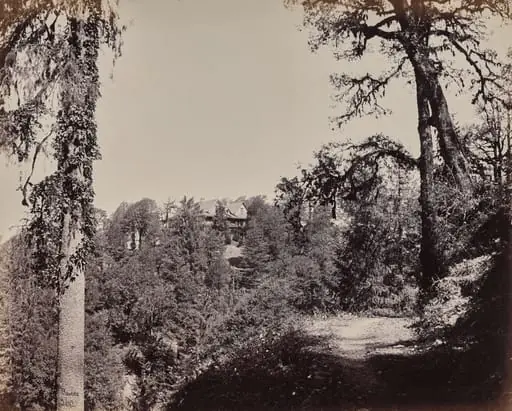 Shimla. Sir Hugh Rose's Bungalow at Mahasso
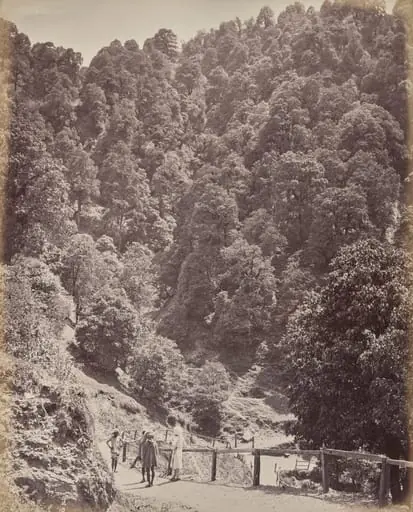 Shimla. View North of Mount Jakko
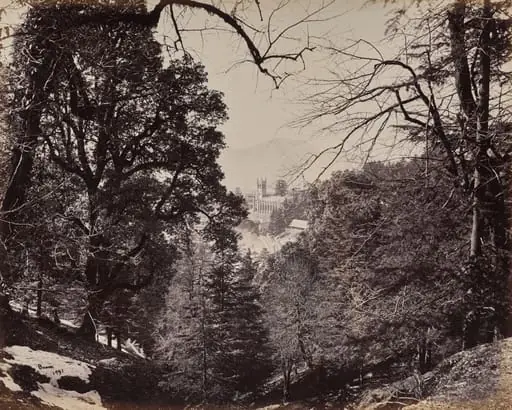 Shimla. The Church Through the Trees, from Jakko
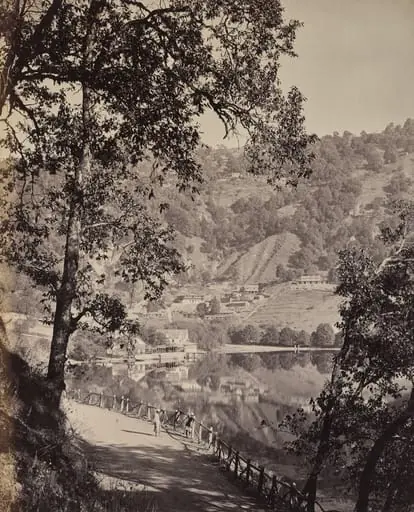 Hyree Lake. Hill Station in the Himmalayahs. View of the Taj Lake with Assembly Rooms, Lhutse
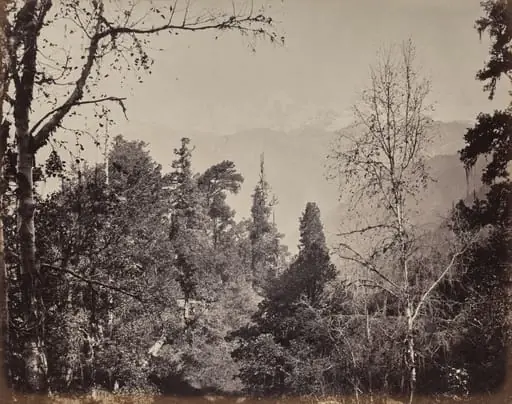 The Upper Himmalayahs. View of the Mountain of Bunderpoonch with the Jumnootri Peak, 20,458 above the Level of the Sea
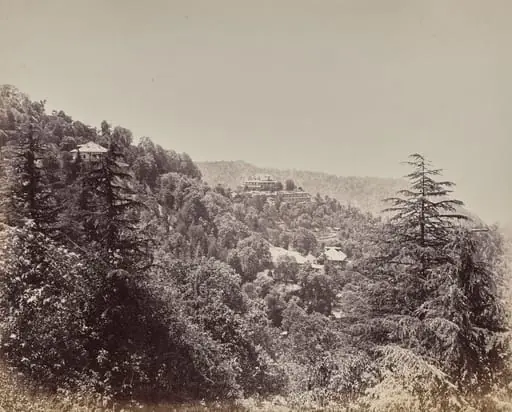 Shimla. The Yarrows and Neighboring Hills
 The Upper Himmalayahs. View in the Manga Valley