Artwork
Ecce Homo
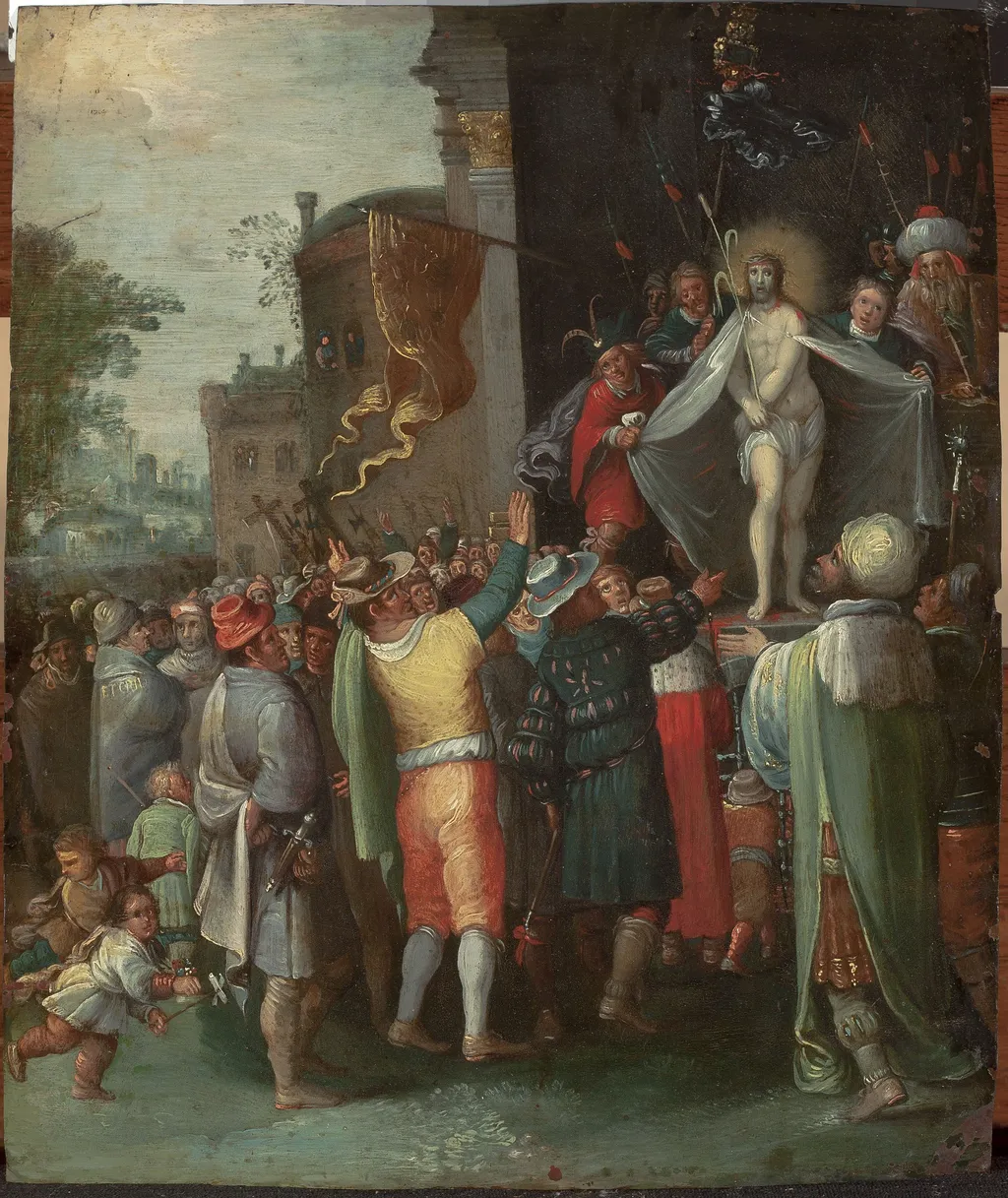
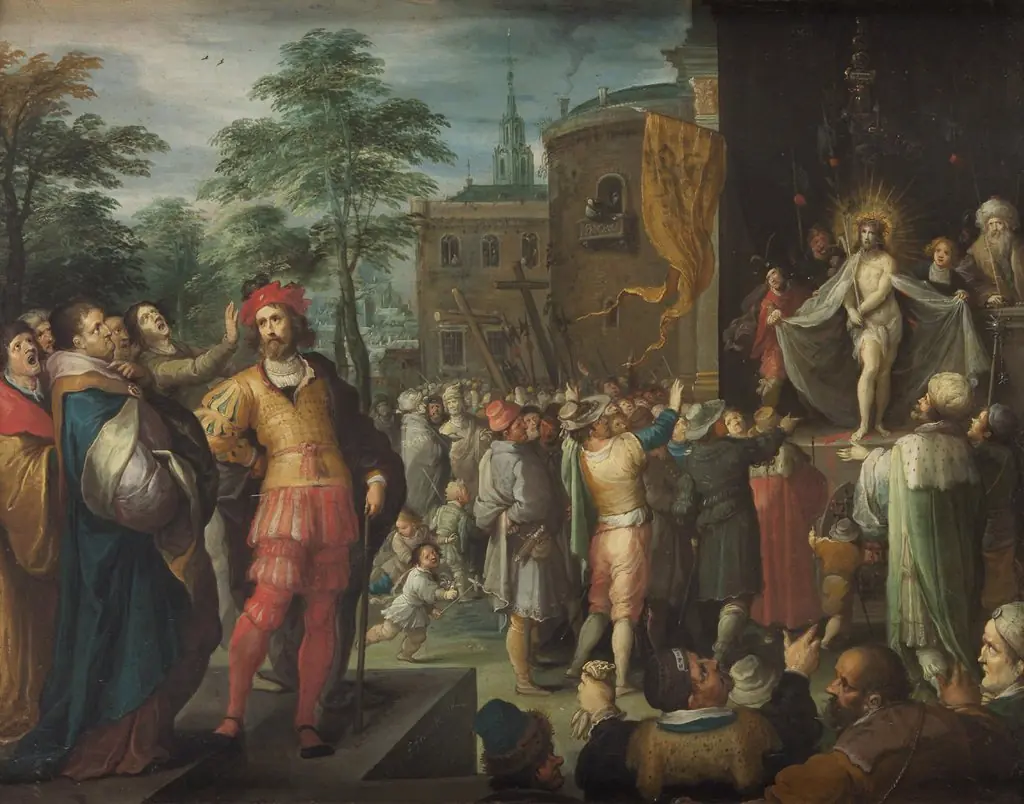
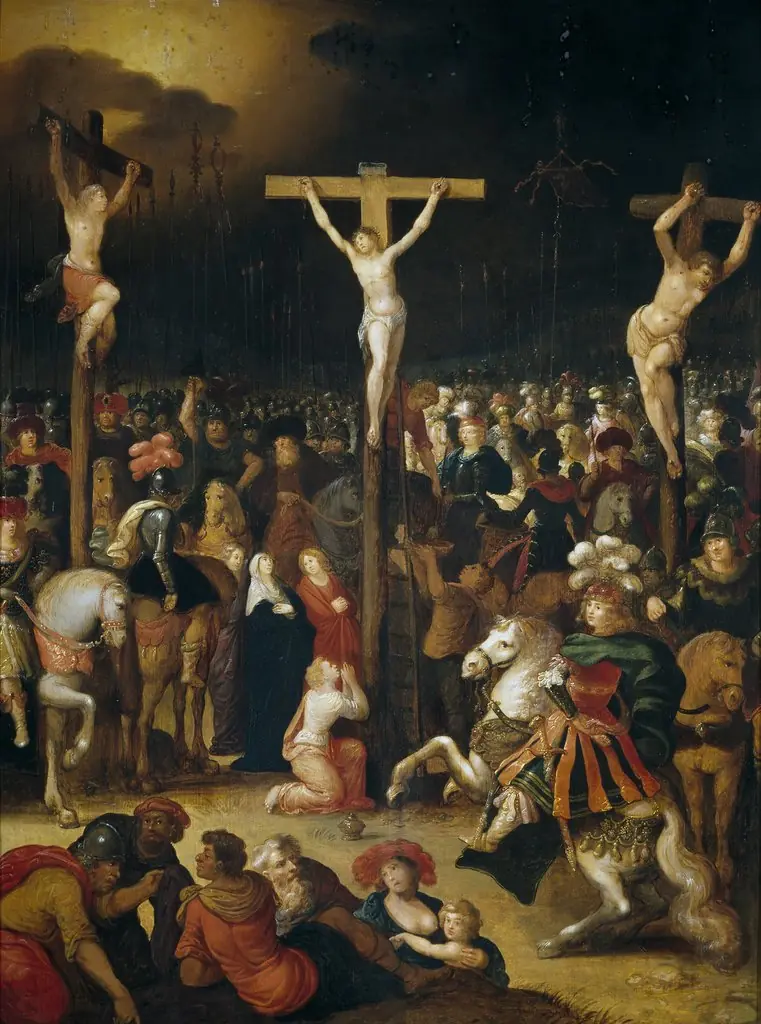
Ecce Homo is an unspecified painting by the Flemish Baroque painting artist Frans Francken the Younger. It dates from 1621 and is held in the collection of the National Museum in Warsaw.
About this work
Overview
Frans Francken the Younger, a leading Flemish Baroque painter active in the early 17th century, executed the work titled *Ecce Homo* around 1621. The oil painting portrays the biblical moment when Christ is presented to the public, and it is now part of the National Museum’s collection in Warsaw.
Subject & Meaning
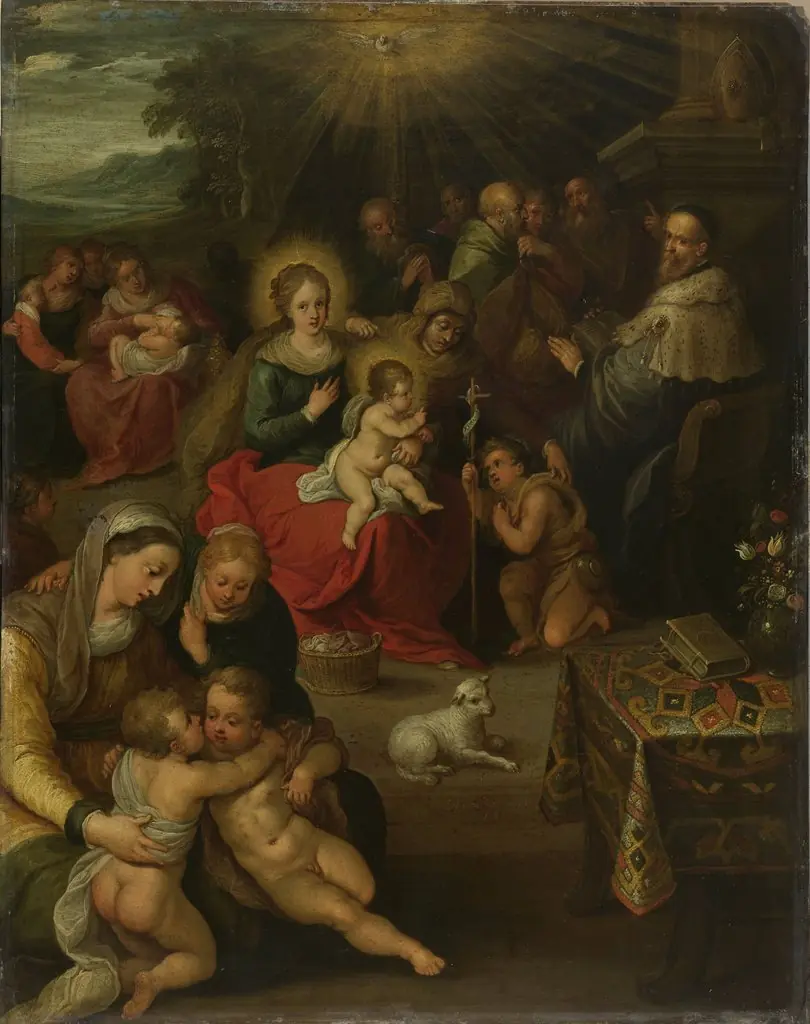
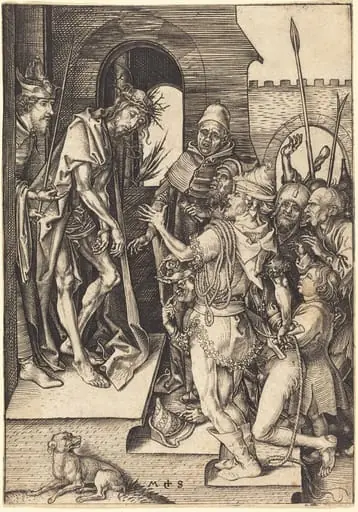
The central figure is Christ, identifiable by his halo and the white mantle draped over his shoulders, holding a staff. He stands amid a heterogeneous crowd of men, women, and children whose varied dress and gestures convey a mixture of curiosity, reverence, and apprehension toward the scene.
Technique & Style
Francken employs chiaroscuro to model forms and create spatial depth, allowing the illuminated figures to emerge from a darker background. The composition balances a detailed foreground crowd with a loosely rendered landscape of buildings and trees, characteristic of Flemish Baroque realism.
History & Provenance
Created during Francken’s mature period, the painting reflects his frequent collaborations with specialists in landscape and still life, which enrich the background elements. After changing hands over the centuries, it entered the National Museum in Warsaw, where it remains on display.
Context
*Ecce Homo* belongs to a broader tradition of Counter‑Reformation art that emphasized vivid, emotionally charged depictions of Christ’s passion. Francken’s treatment aligns with contemporary Flemish devotional works that sought to engage viewers through dramatic lighting and narrative clarity.
Own this work as a print
Artist & collection
Artist
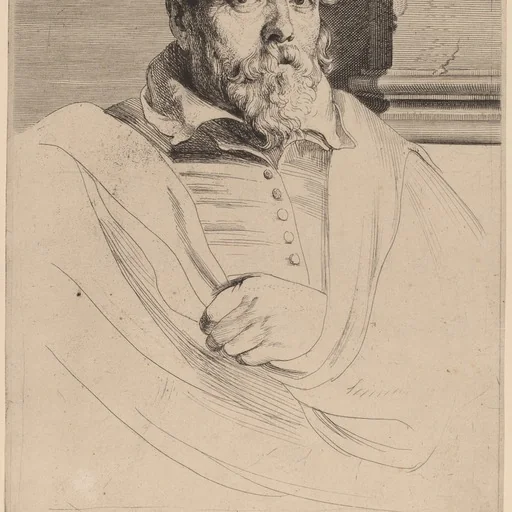
Frans Francken the Younger (1581, Antwerp – 6 May 1642, Antwerp) was a Flemish painter and the best-known and most prolific member of the large Francken family of artists.