Artwork
St. Paul the Apostle
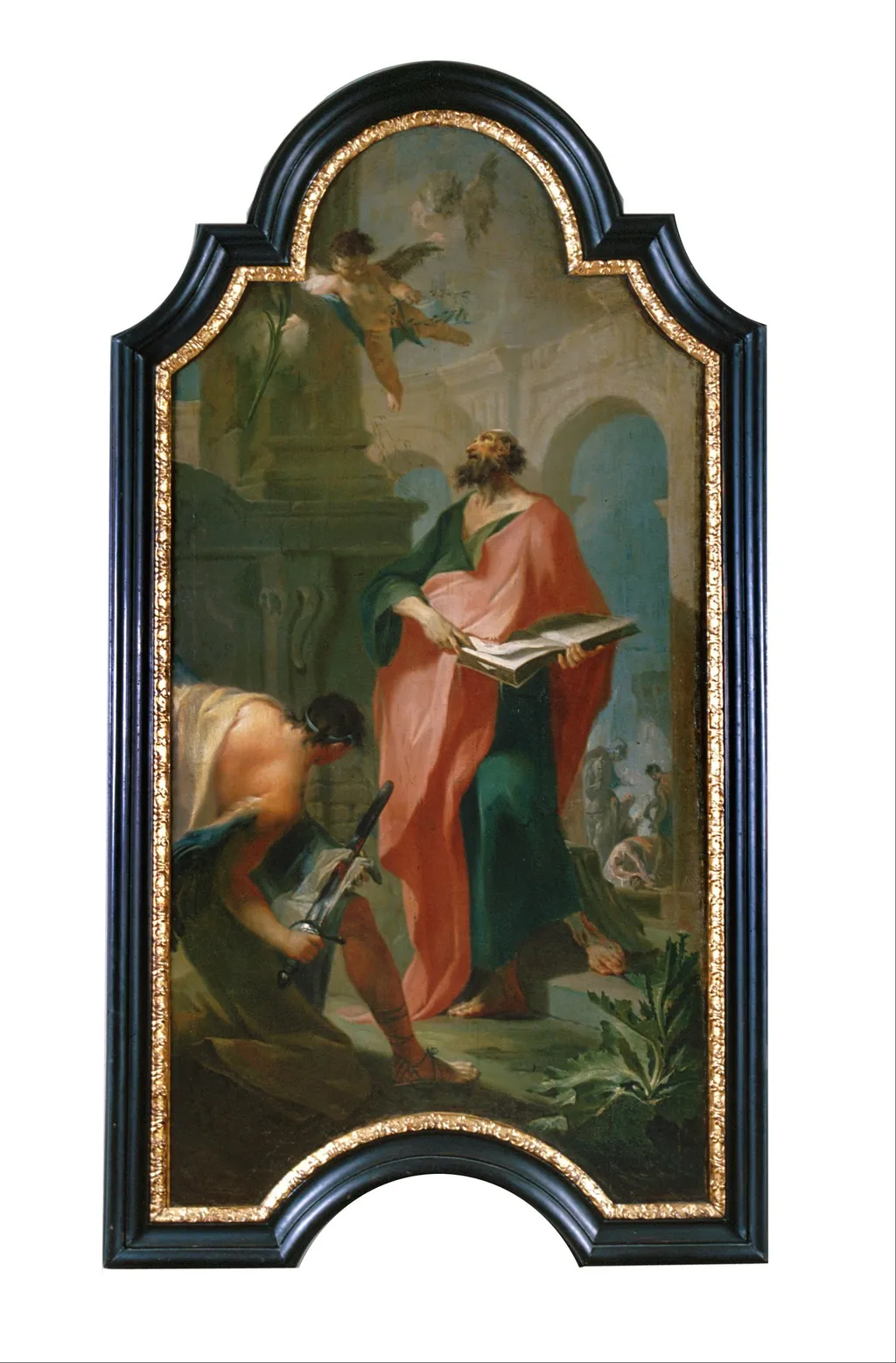
St. Paul the Apostle is an unspecified painting by the Rococo painting artist Franz Anton Maulbertsch. It dates from 1759 and is held in the collection of the Hungarian National Gallery. St.
About this work
Overview
St. Paul the Apostle is a 1759 painting by Franz Anton Maulbertsch, an Austrian artist associated with the Rococo movement. The work is characterized by its religious subject matter and grand, ornate setting.
Subject & Meaning
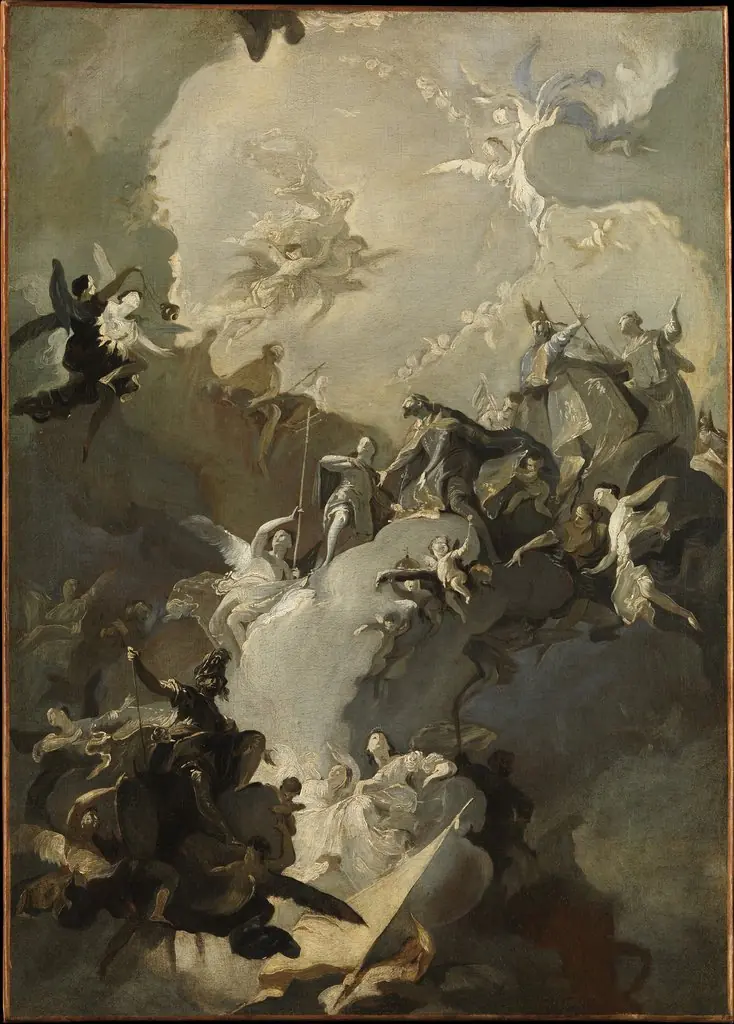
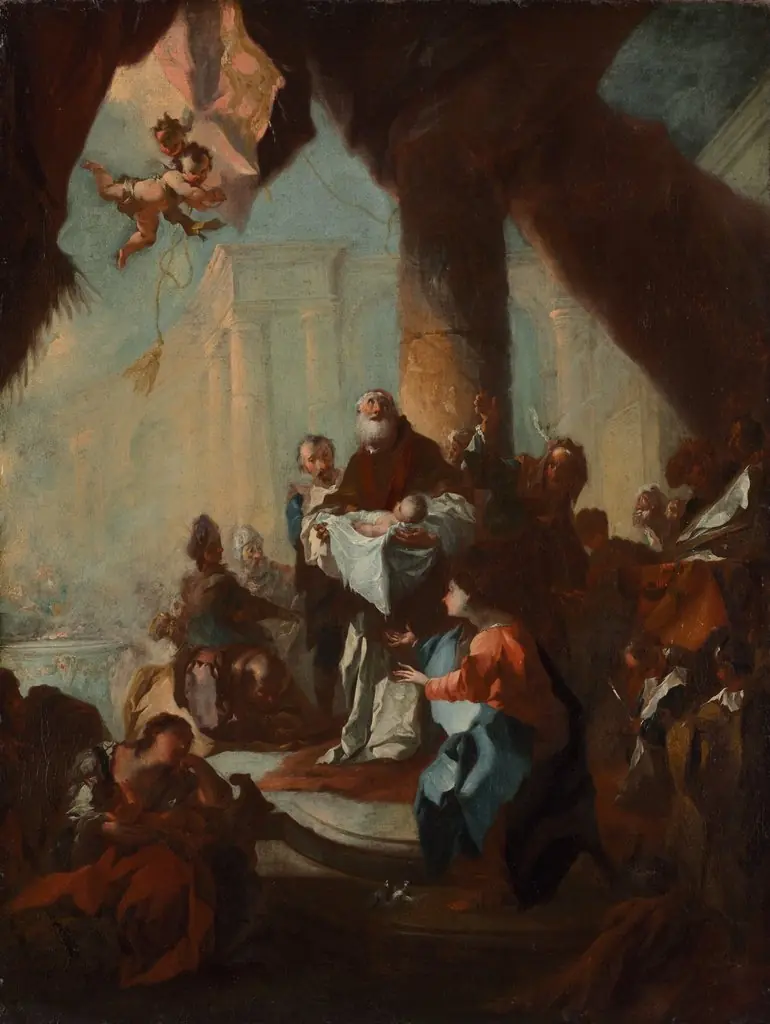
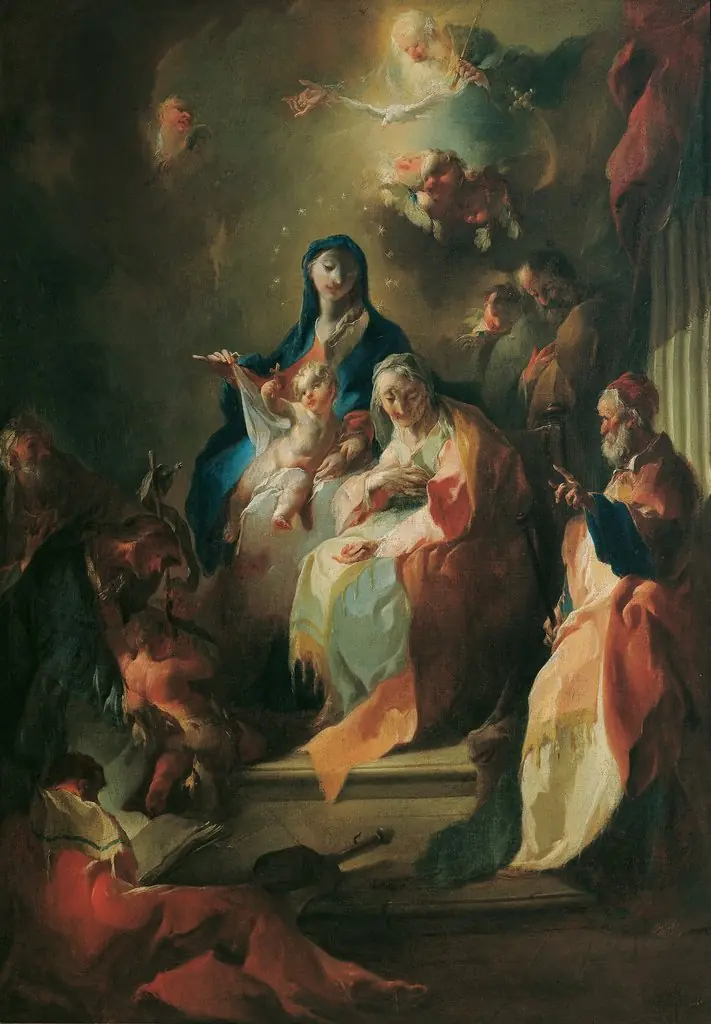
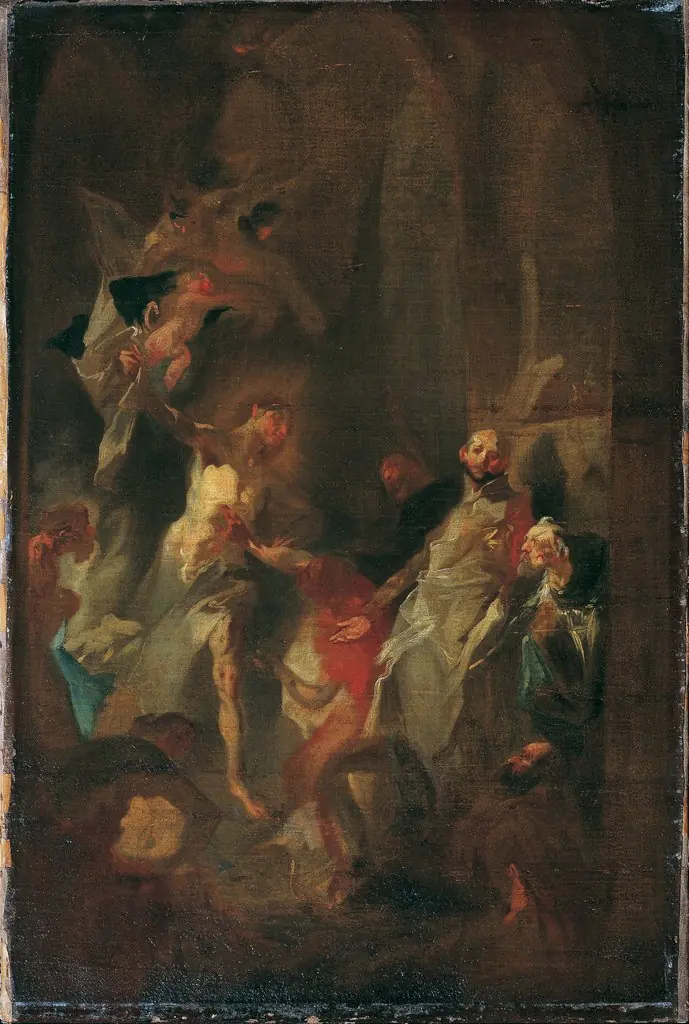
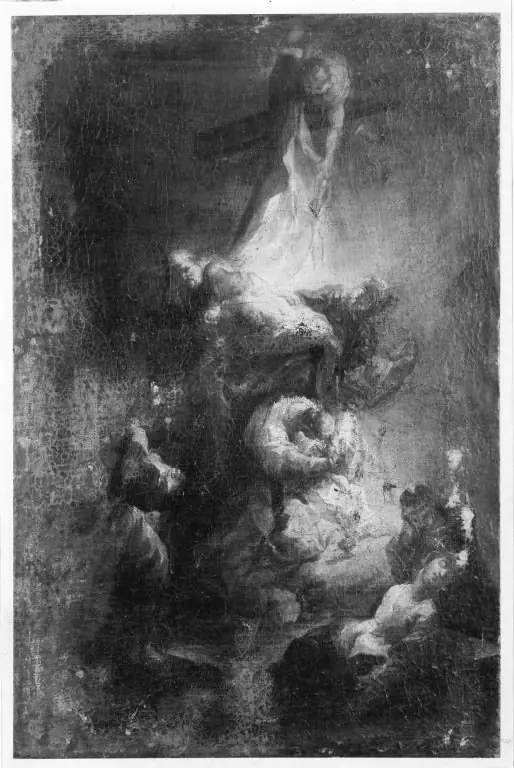
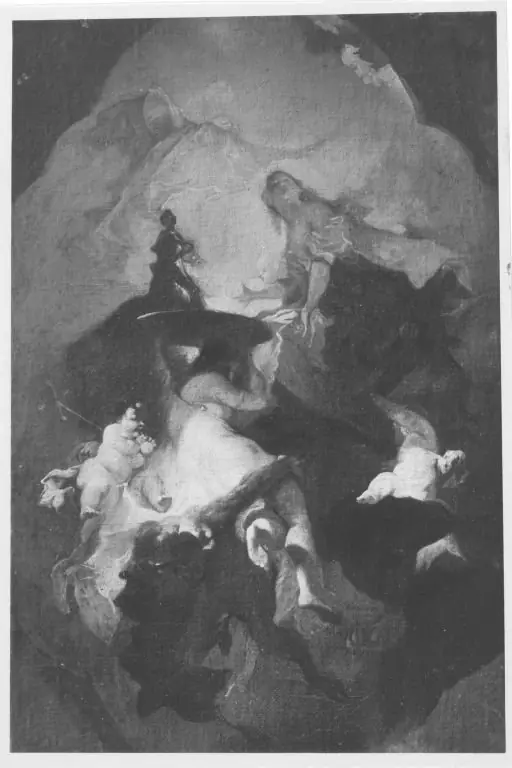
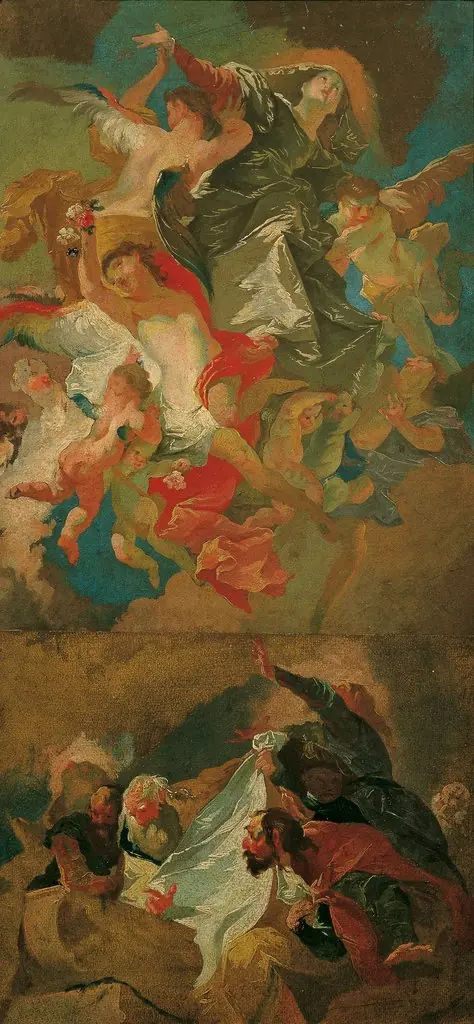
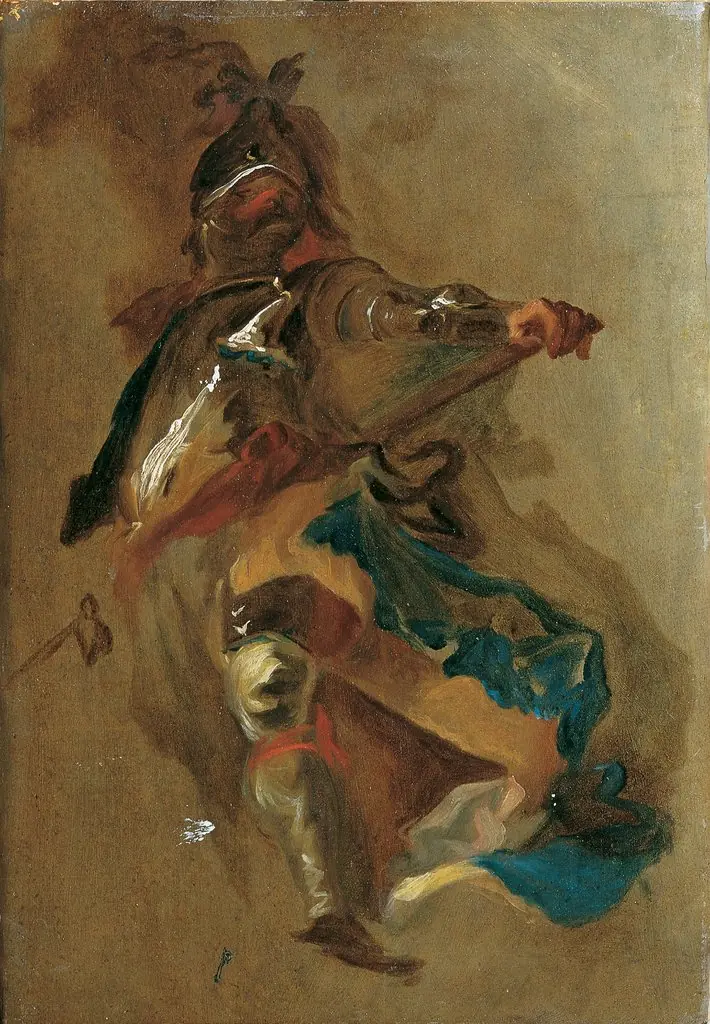
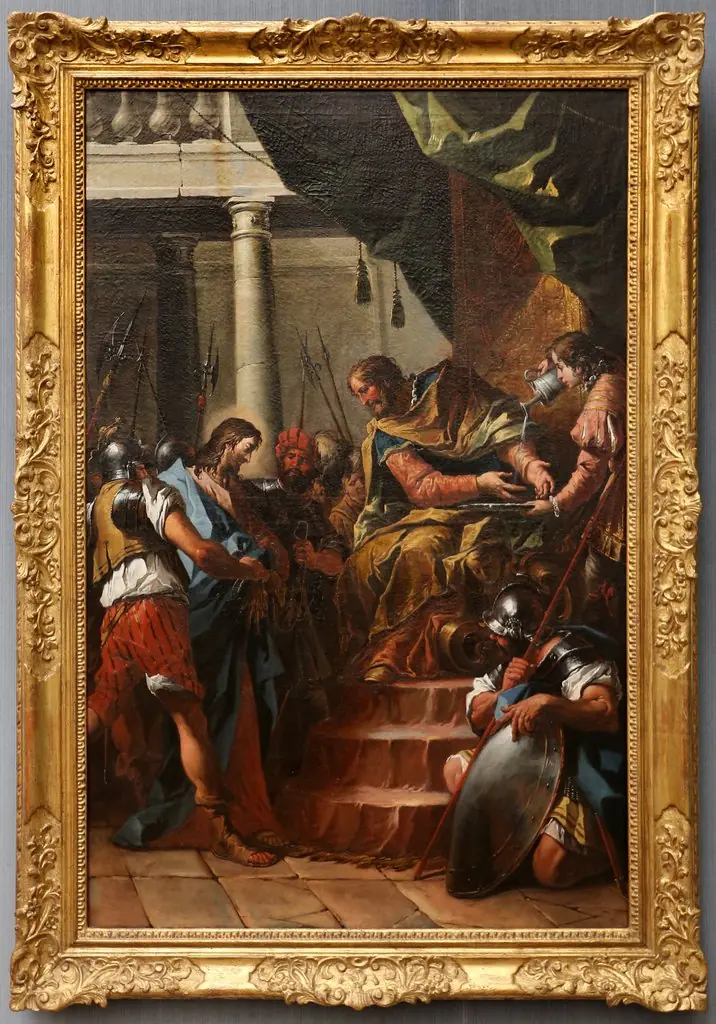
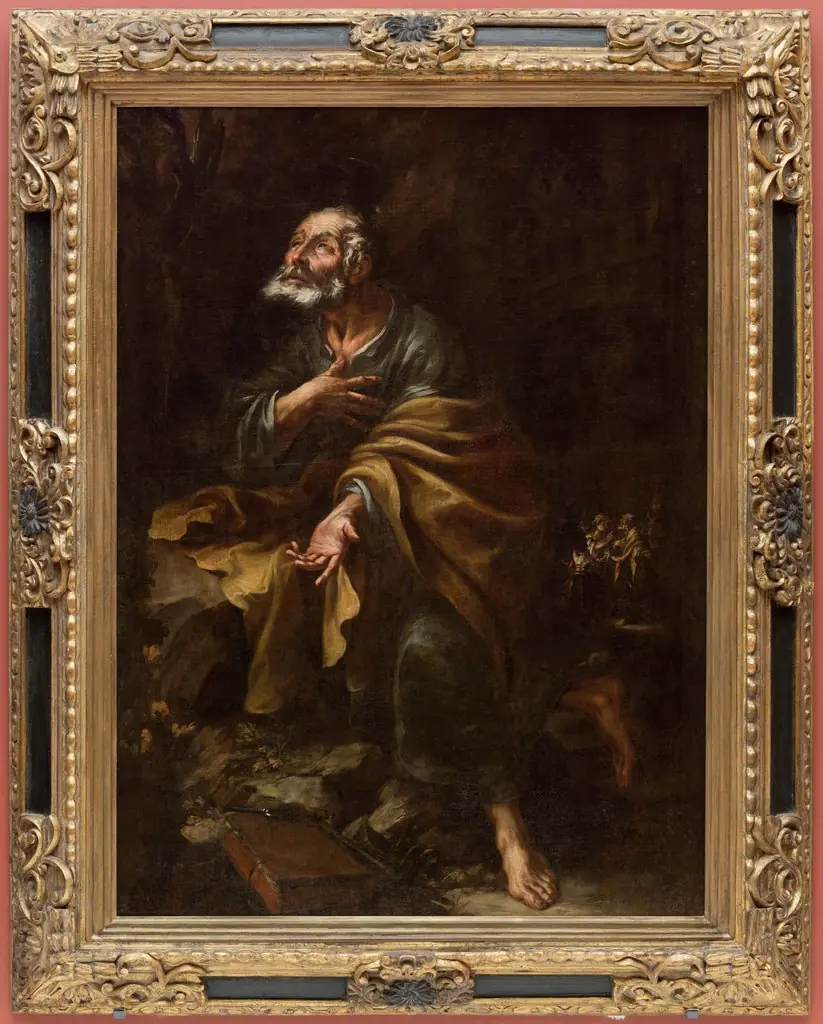
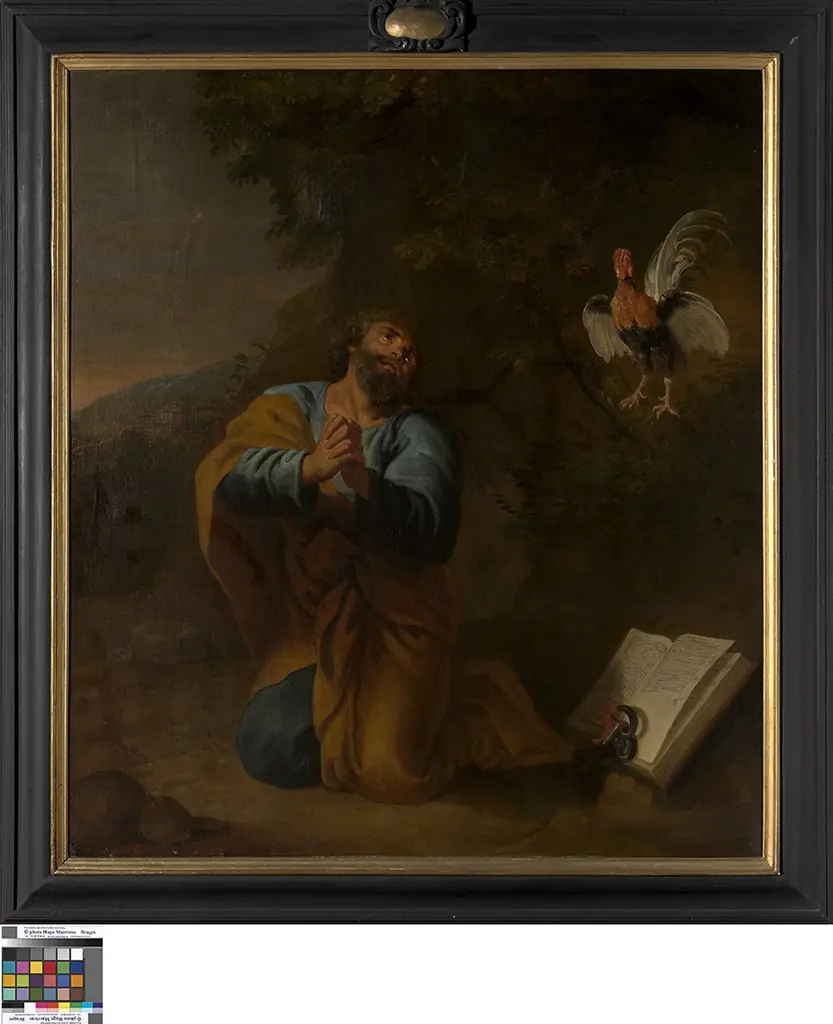
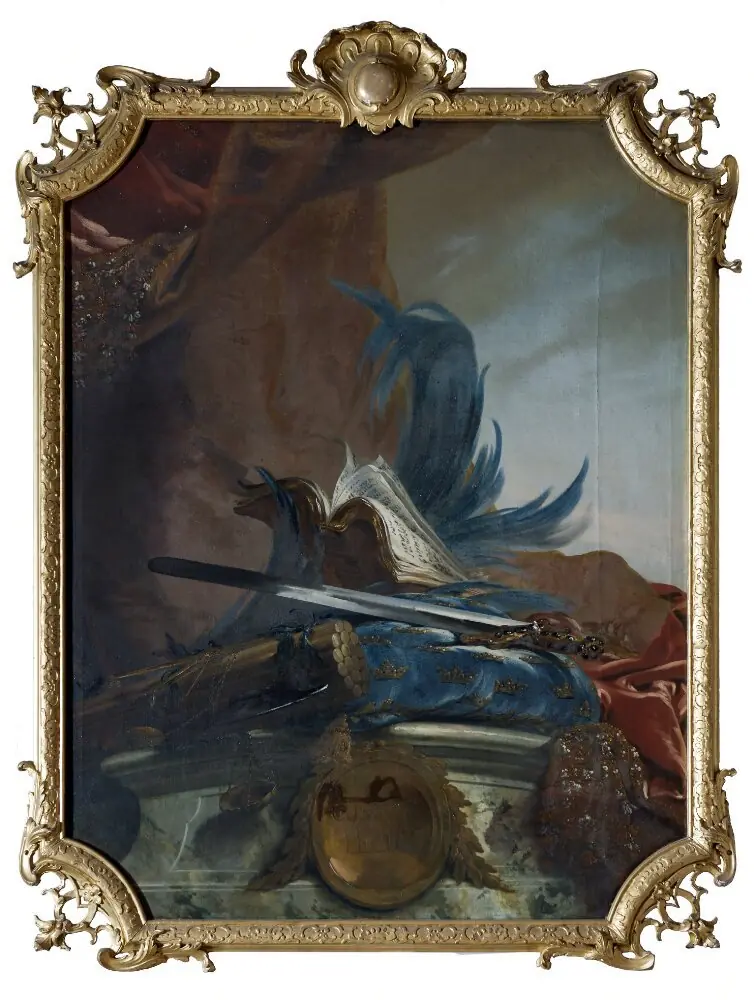
The painting depicts St. Paul standing authoritatively in a majestic, arched environment, dressed in a green robe and red cloak, holding a book symbolic of his teachings. A secondary figure, armed with a sword and shield, sits to his left, while a cherub hovers above, underscoring the scene's religious and heroic themes.
Technique & Style
Maulbertsch employed rich colors and dramatic lighting, notably chiaroscuro, to create depth and emotional resonance. The style reflects influences from Venetian painters (Piazzetta, Pittoni) and the decorative flair of Sebastiano Ricci, blending to form a distinctive Rococo aesthetic.
History & Provenance
Created in 1759, the painting is now part of the collection at the Hungarian National Gallery.
Artist & collection
Artist
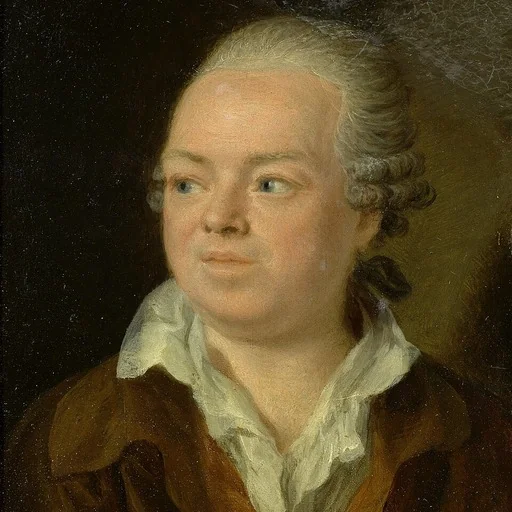
Franz Anton Maulbertsch (7 June 1724 – 8 August 1796) was an Austrian painter and engraver, one of the most renowned exponents of Rococo painting in the German and Hungarian regions.