Artwork
São Francisco recebe os Estigmas
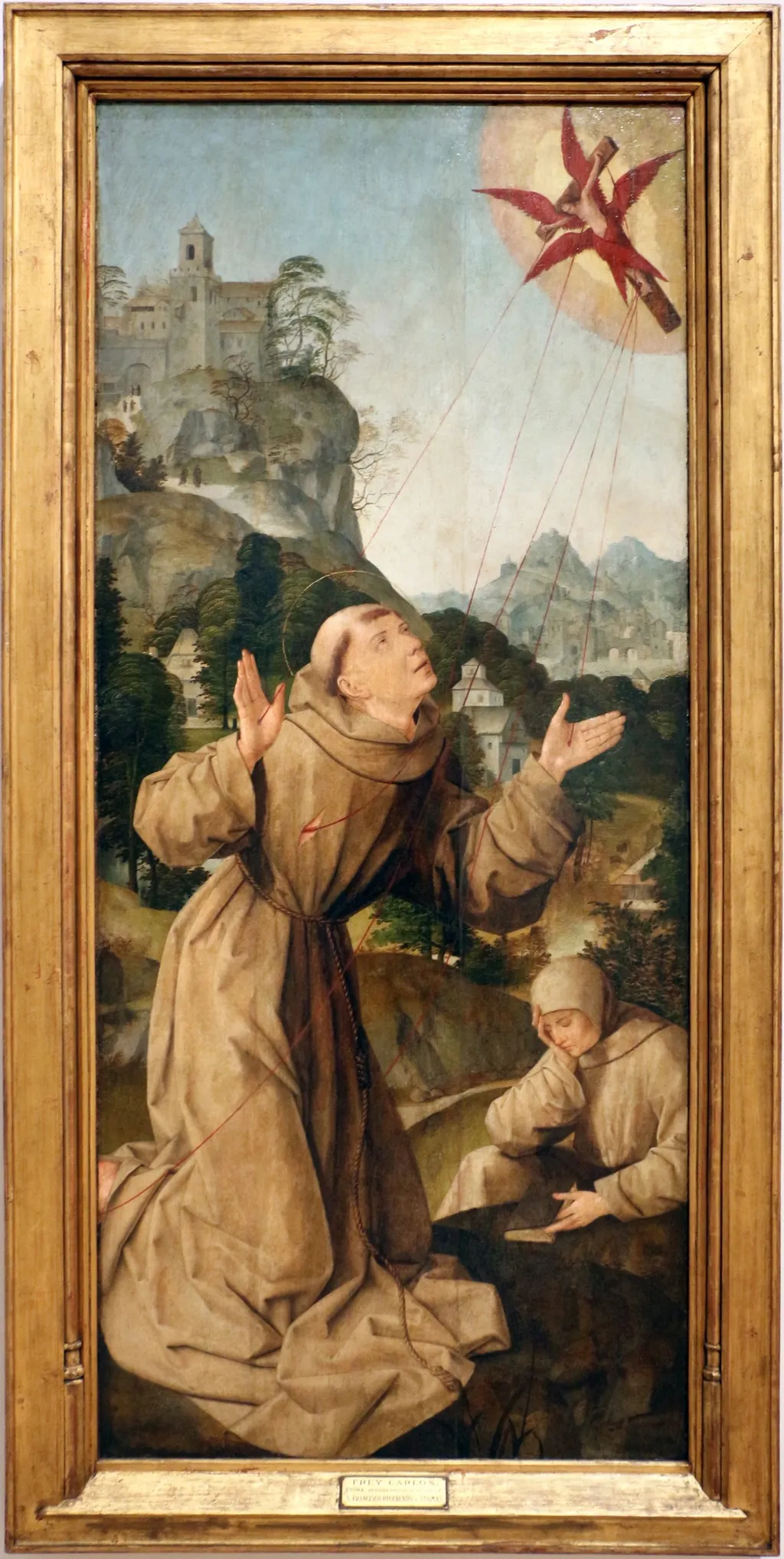
São Francisco recebe os Estigmas is an unspecified painting by the Northern Renaissance artist Frei Carlos. It dates from 1520 and is held in the collection of the National Museum of Ancient Art.
About this work
Overview
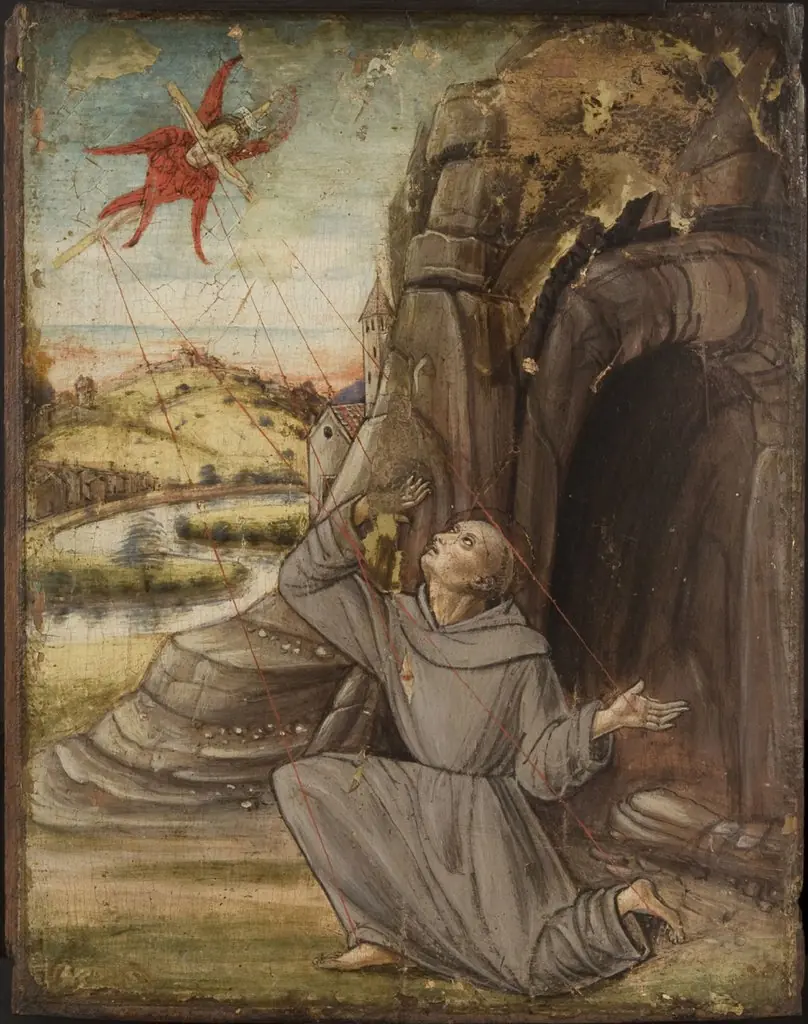
Painted in 1520 by Frei Carlos, this work portrays Saint Francis of Assisi receiving the stigmata—the wounds of Christ’s crucifixion.
Painted in 1520 by Frei Carlos, this work portrays Saint Francis of Assisi receiving the stigmata—the wounds of Christ’s crucifixion. Executed in oil on panel, it is part of the collection at the National Museum of Ancient Art in Lisbon. The composition centers on the saint in a moment of divine encounter, framed by a quiet natural landscape and subtle symbolic elements that guide the viewer’s attention toward the spiritual event.
Subject & Meaning
The painting illustrates the moment Saint Francis is granted the stigmata, a mystical experience described in hagiographic tradition. Above him, a radiant red form resembling a star contains a dove, symbolizing the Holy Spirit, with lines connecting it to his hands, feet, and side. A second figure, likely Brother Leo, observes from below, reinforcing the narrative’s intimacy and the saint’s isolation in divine grace.
Technique & Style
Frei Carlos employs chiaroscuro to model the saint’s form, lending volume and a quiet luminosity to his figure against the muted landscape. The palette is restrained, dominated by earth tones and soft blues, with the red celestial symbol standing out as a focal point. Brushwork is deliberate but not overly detailed, favoring emotional resonance over ornamental precision, typical of early 16th-century Portuguese devotional art.
History & Provenance
The painting has remained in Portugal since its creation, likely commissioned for a Franciscan monastery. It entered the National Museum of Ancient Art’s collection in the 19th century as part of a broader effort to preserve religious artworks following the dissolution of monastic orders. Its survival through centuries of political and religious change underscores its enduring significance in Portuguese ecclesiastical heritage.
Context
Created during the early years of the Portuguese Renaissance, the painting reflects a blend of Northern European devotional traditions and local artistic sensibilities. While Italian influences were spreading, Portuguese artists like Frei Carlos maintained a more restrained, contemplative style suited to monastic spirituality. The emphasis on inner experience over theatricality aligns with Franciscan ideals of humility and direct communion with the divine.
Legacy
As one of the few surviving works attributed to Frei Carlos, this painting offers insight into the devotional practices of Portuguese Franciscans in the early 1500s. It remains a key example of how religious narratives were visualized in a context distant from Italian Renaissance centers, preserving a uniquely Iberian approach to sacred imagery that prioritized quiet reverence over grandeur.
Artist & collection

 Saint Francis of Assisi Receiving the Stigmata
 São Bernardino de Siena e Santo António
 Saint Francis Receiving the Stigmata
 Stigmata of St. Francis
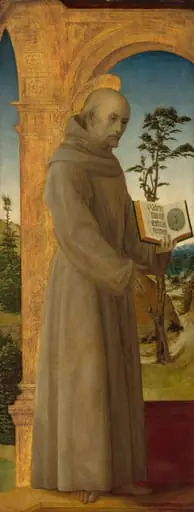 Saint Bernardino of Siena
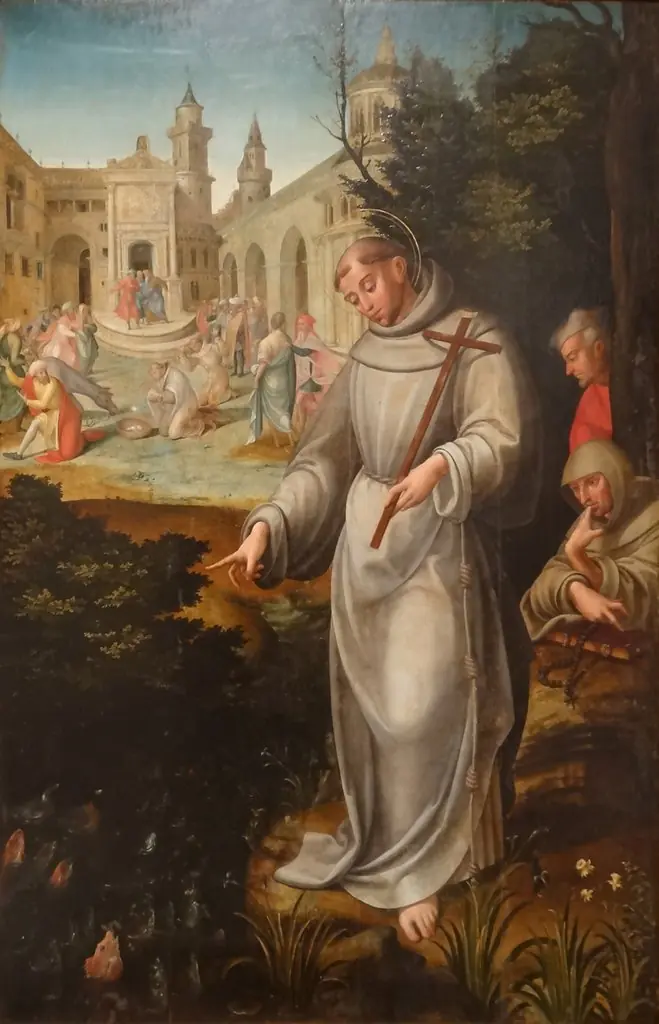 Saint Anthony preaching to the fishes
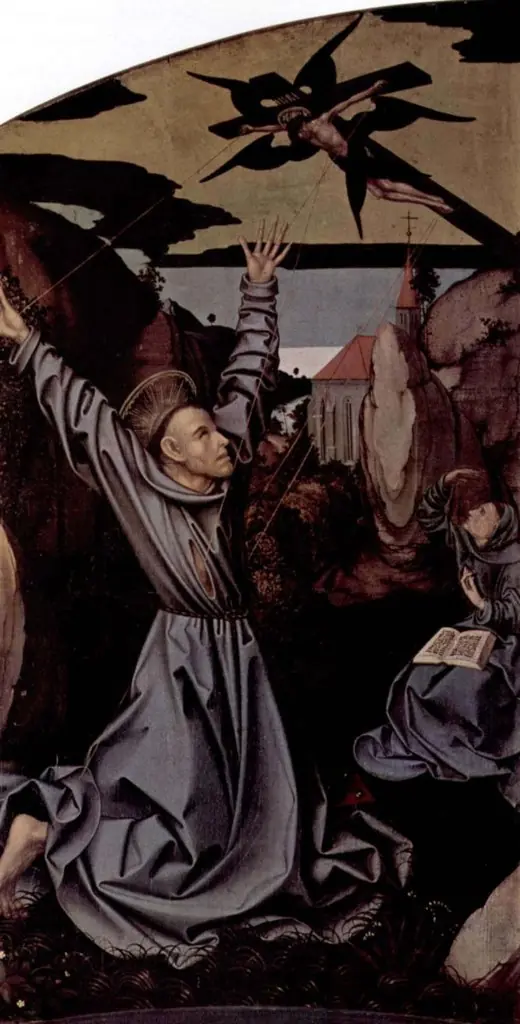 Teile eines Altares: Stigmatisation des hl. Franziskus
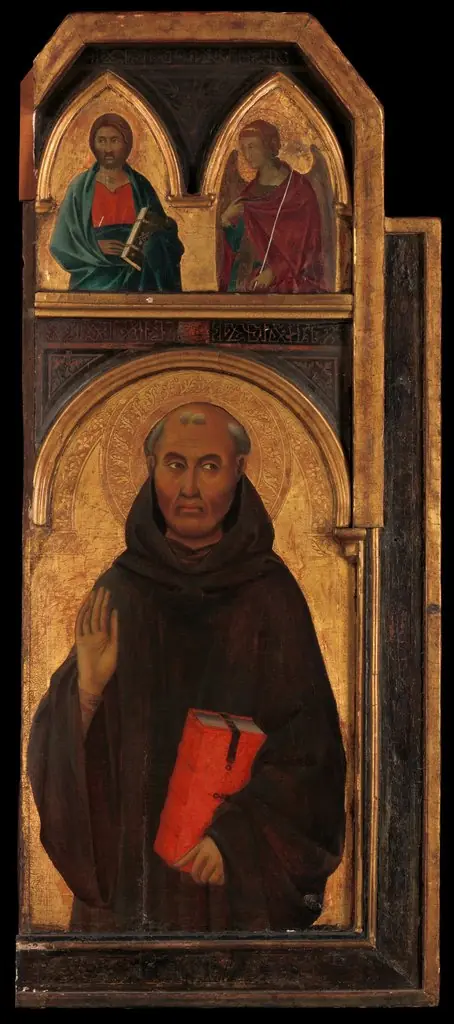 Saint Benedict
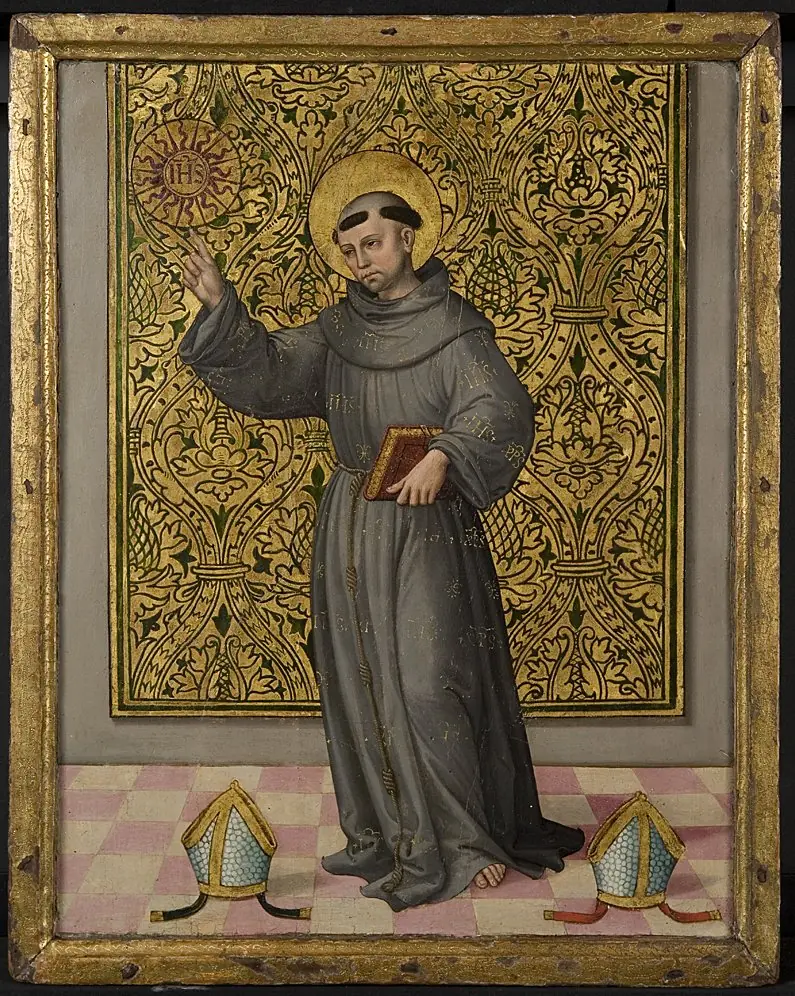 Saint Bernardino of Siena
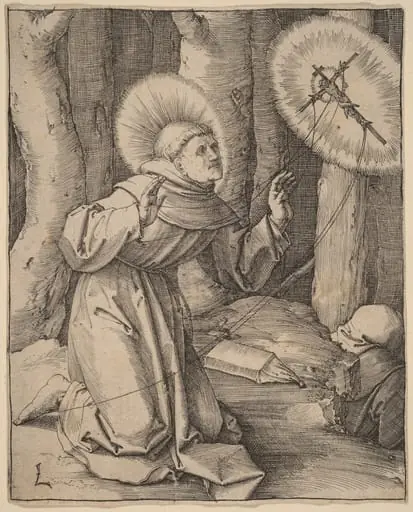 Saint Francis of Assisi Receiving the Stigmata
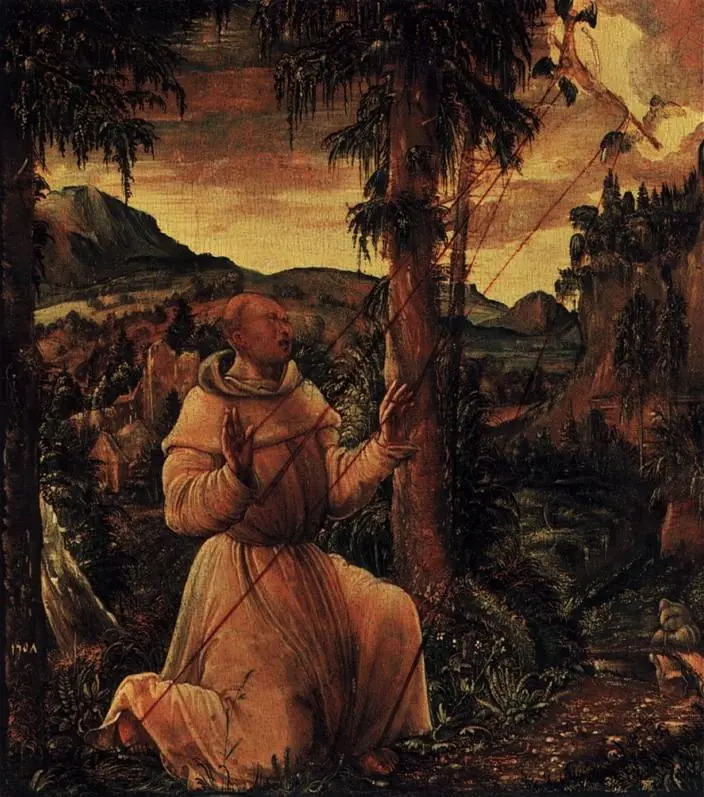 Stigmatization of Saint Francis