Artwork
Sts. Theonestus and Albanus; or St. Pancrace
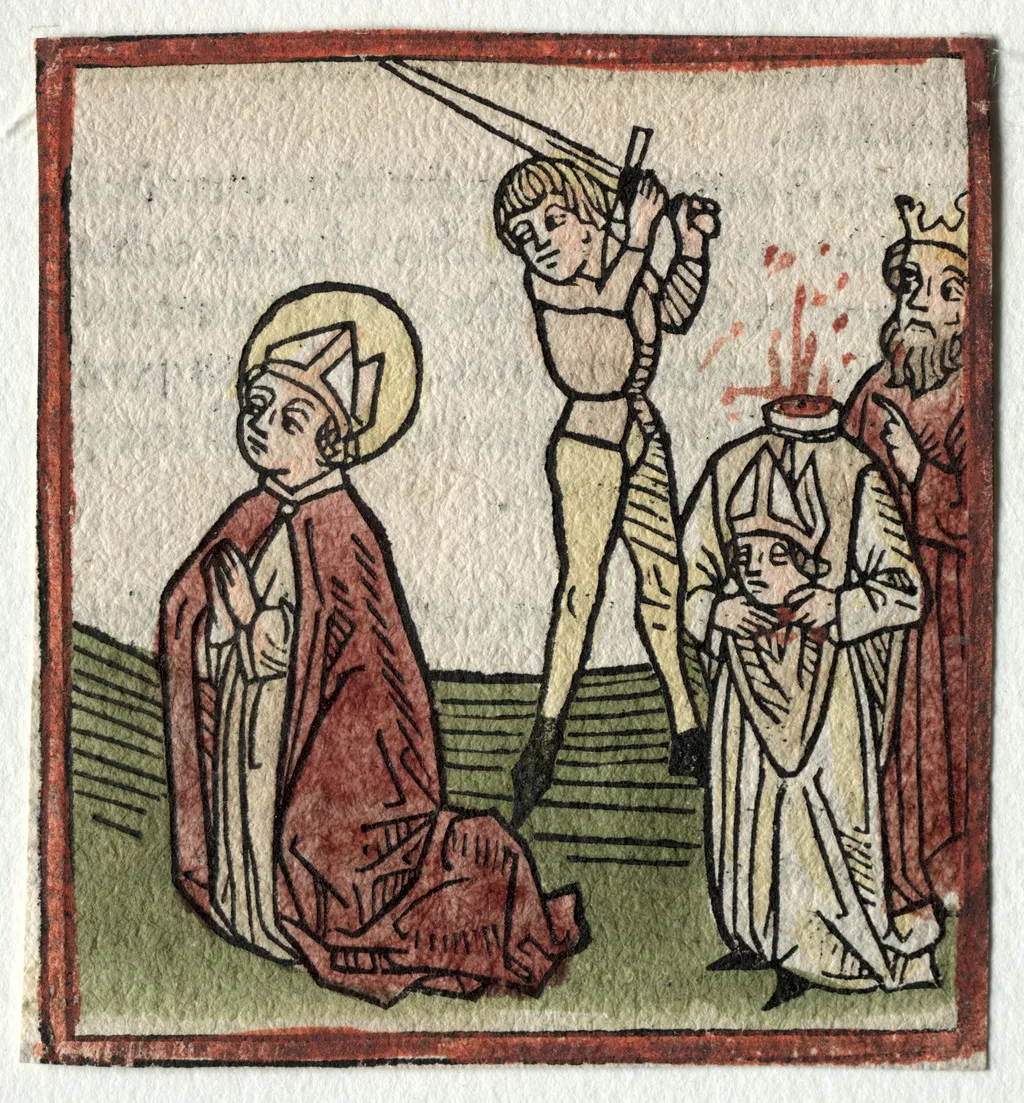
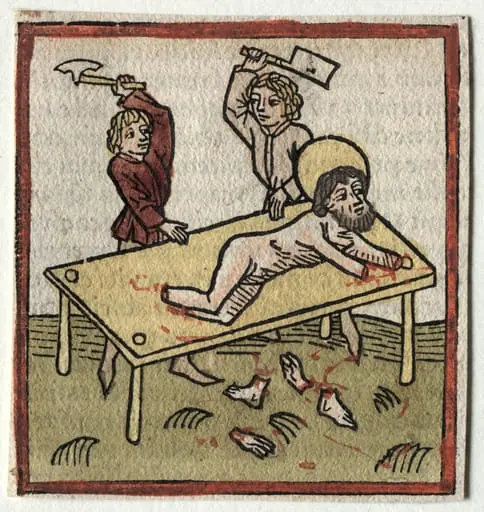
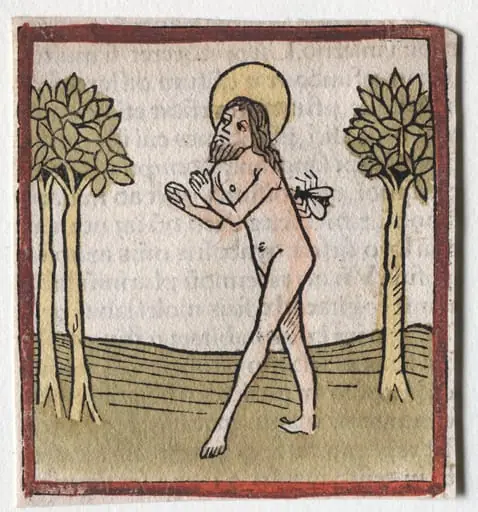
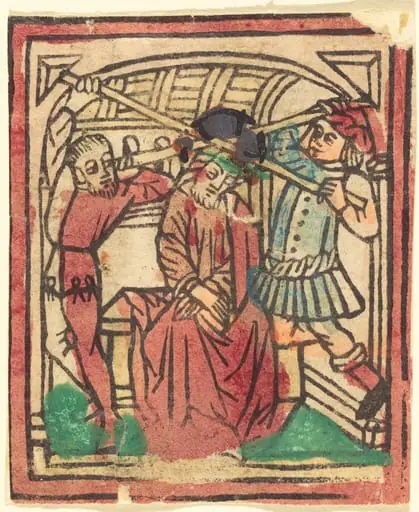
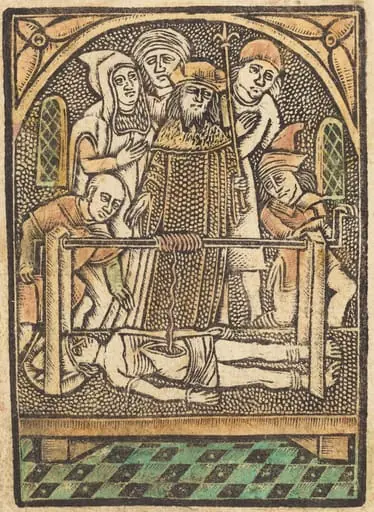
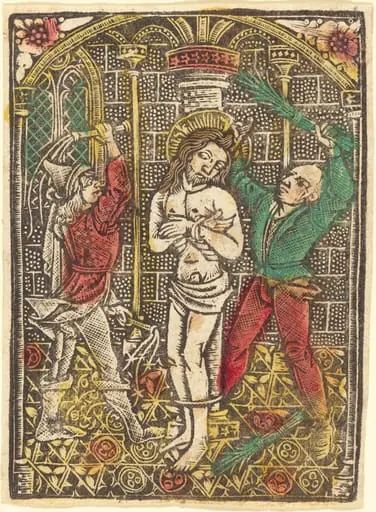
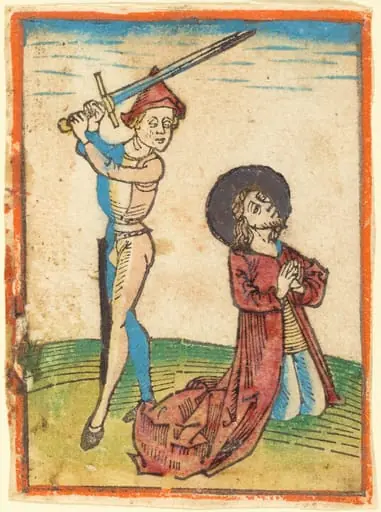
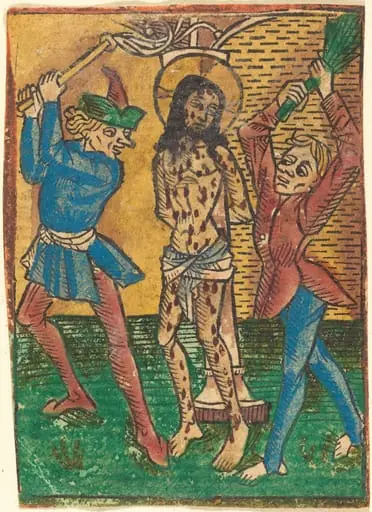
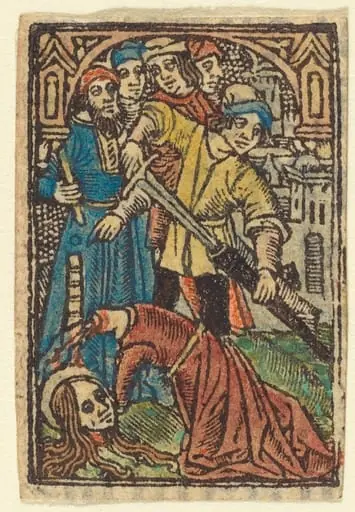
Sts. Theonestus and Albanus; or St. Pancrace is a print by Günther Zainer. It dates from 1528 and is held in the collection of the Cleveland Museum of Art. Created around 1528, this woodcut print depicts two martyr saints—identified as Theonestus and Albanus, or alternatively as Saint Pancras.
About this work
This painting shows two saints, Theonestus and Albanus, or possibly St. Pancrace.
The artist, Günther Zainer, was a German painter, and this work gives us a glimpse into his style. He likely painted this during a time when religious art was very popular in Germany.
Check out the work of artist: Günther Zainer (German, d. 1478) for more like this.
Overview
Created around 1528, this woodcut print depicts two martyr saints—identified as Theonestus and Albanus, or alternatively as Saint Pancras. The work is part of the collection of the Cleveland Museum of Art, where it is displayed as an example of early sixteenth‑century German devotional imagery.
Subject & Meaning
The figures are presented in a traditional hagiographic pose, each holding attributes that signal their martyrdom and sanctity. The ambiguous identification reflects the fluid transmission of saints’ cults in the period, allowing viewers to recognize either Theonestus and Albanus or the youthful Saint Pancras, both associated with steadfast faith in the face of persecution.
Technique & Style
Executed in woodcut, the image shows Zainer’s characteristic crisp line work and careful attention to facial expression. The contrast between dark outlines and the lighter background creates a clear visual hierarchy, while the ornamental details on the saints’ garments reveal the influence of late Gothic decorative motifs prevalent in German printmaking.
History & Provenance
The print was produced by Günther Zainer, a prominent Augsburg printer active in the mid‑15th century, whose workshop continued to issue religious prints after his death. The piece entered the Cleveland Museum of Art’s collection through a mid‑20th‑century acquisition, though earlier ownership records remain sparse.
Context
During the early Reformation era, devotional prints like this served both private contemplation and public instruction. Zainer’s output catered to a growing market for affordable religious images, enabling laypeople to access visual representations of saints without commissioning costly paintings.
Artist & collection

Artist
Günther Zainer was the first printer in Augsburg, where he worked from 1468 until his death; he produced about 80 books including two German editions of the Bible and the first printed calendar.