Artwork
In the Forest of Fontainebleau
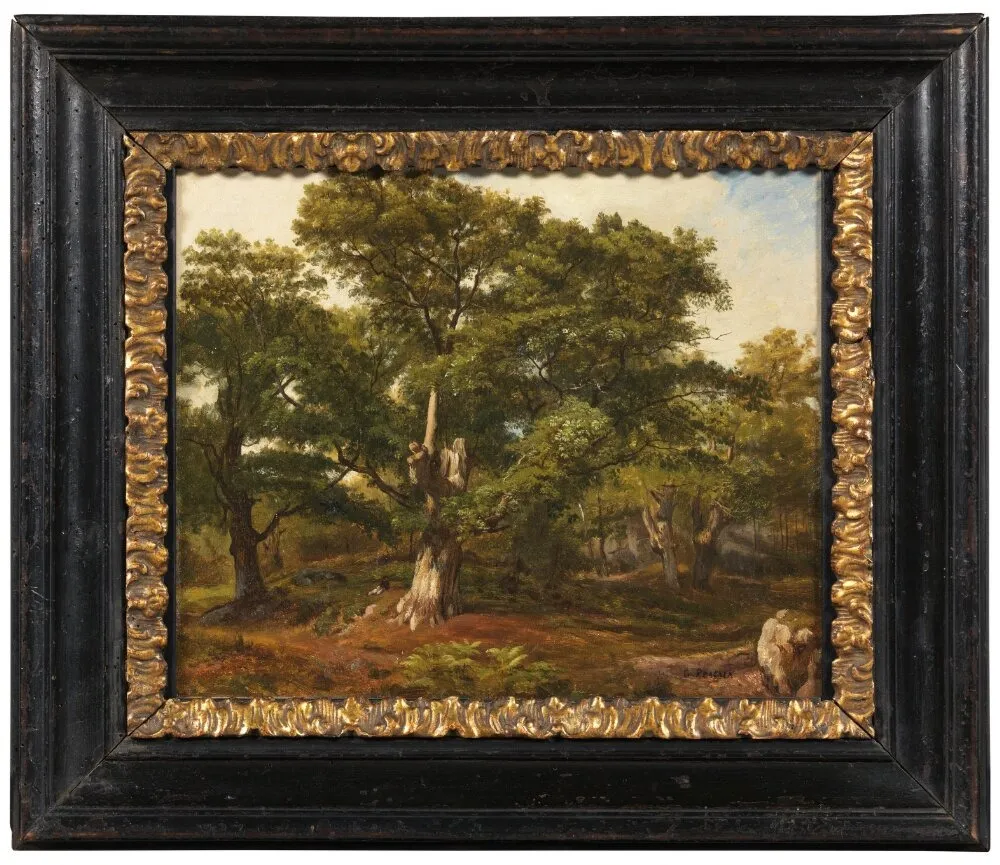
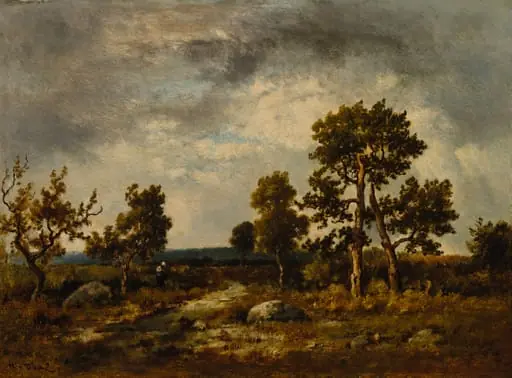
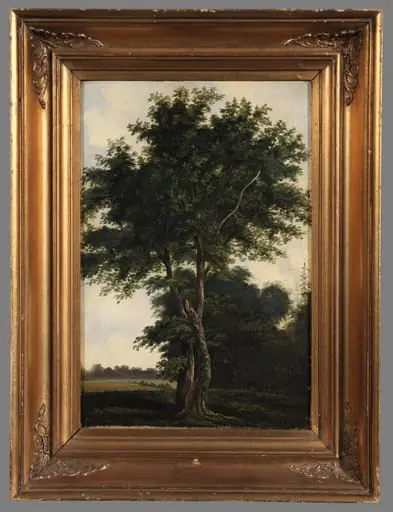
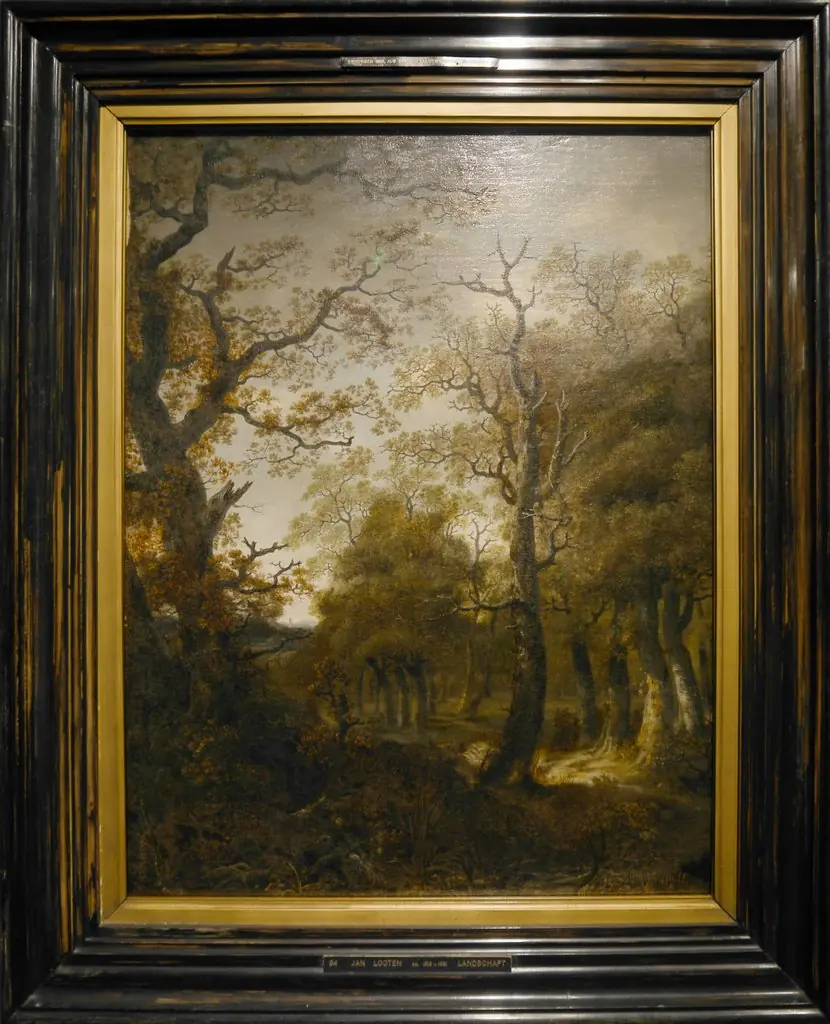
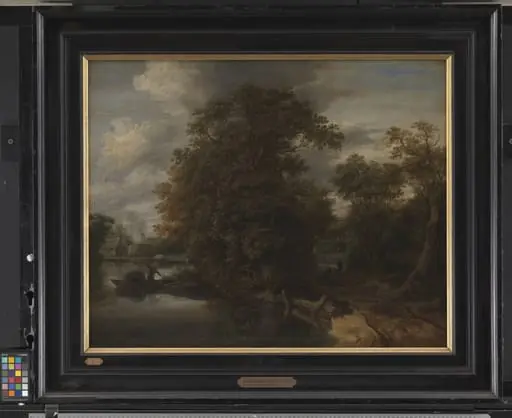
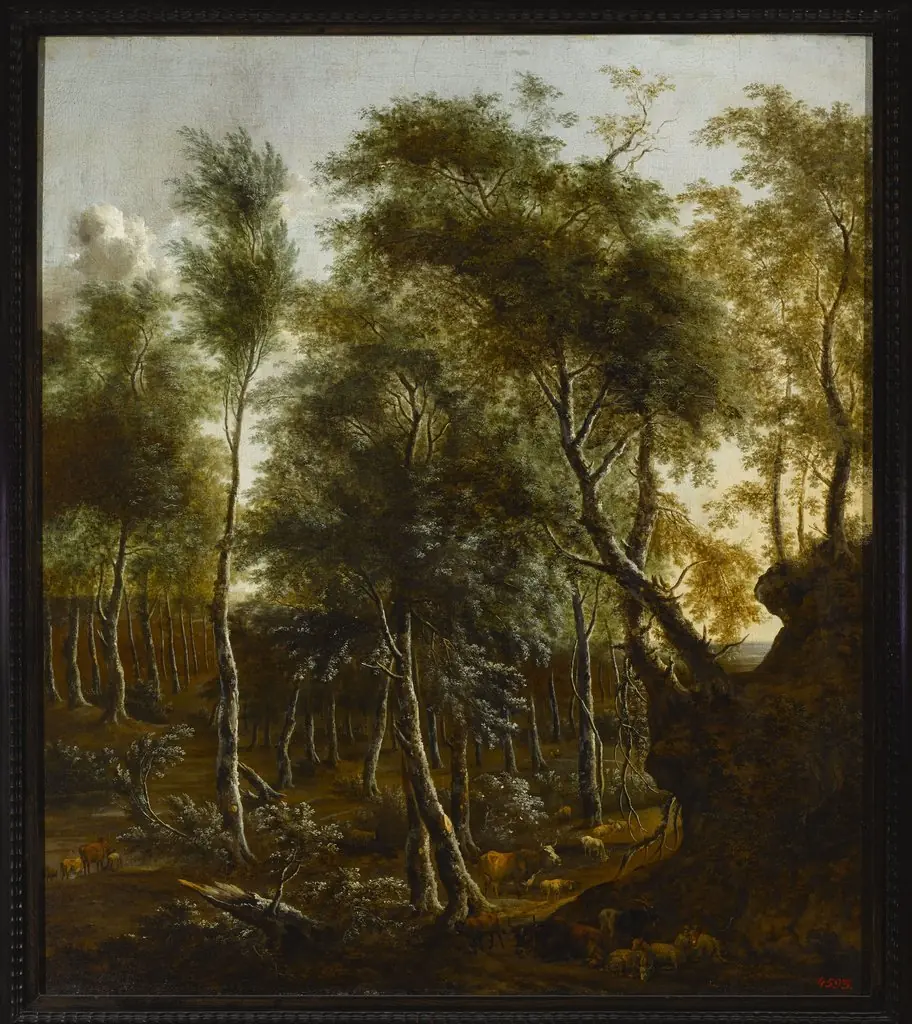
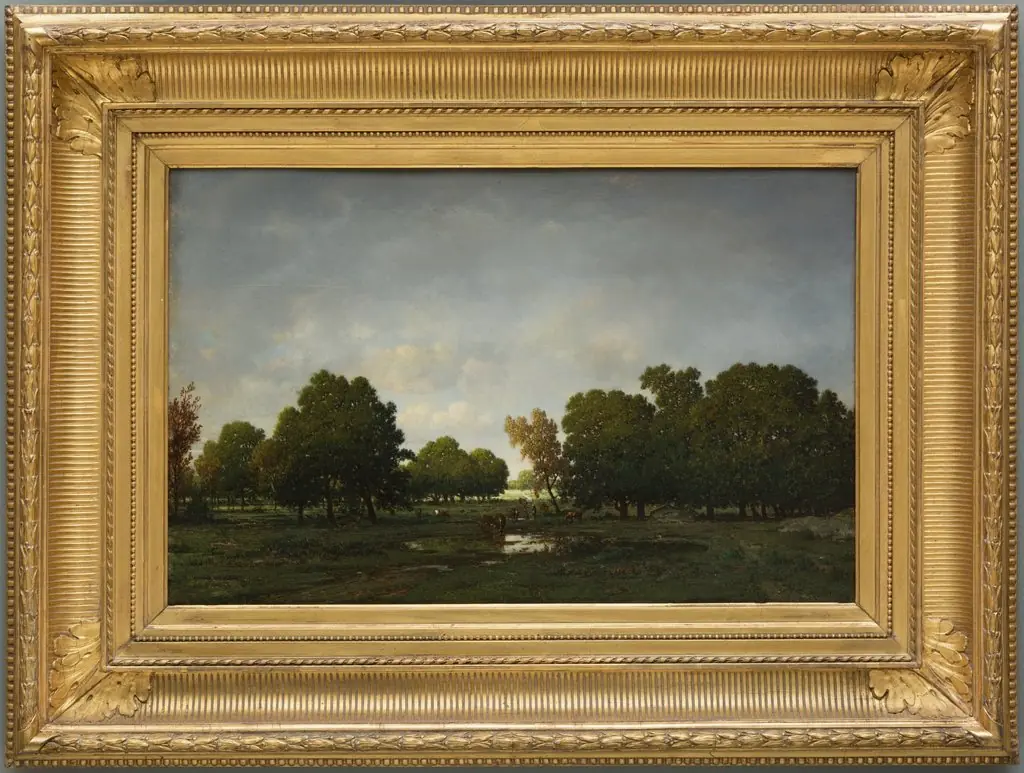
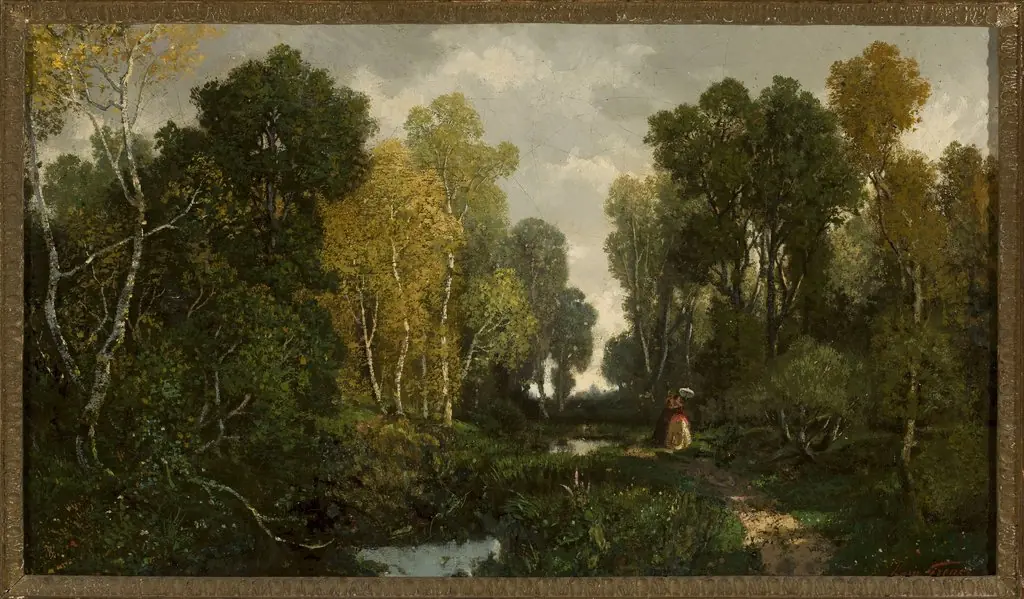
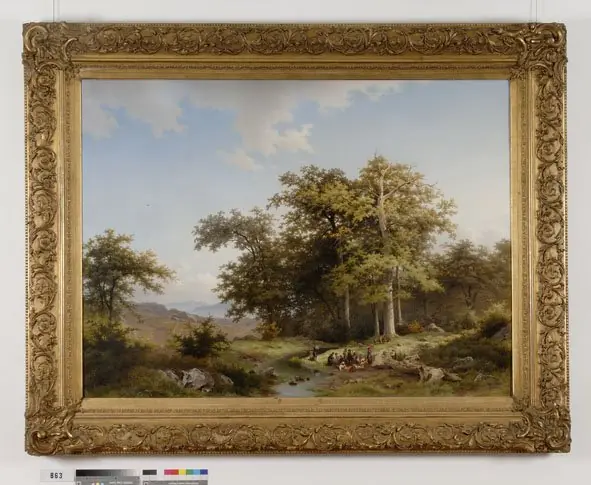
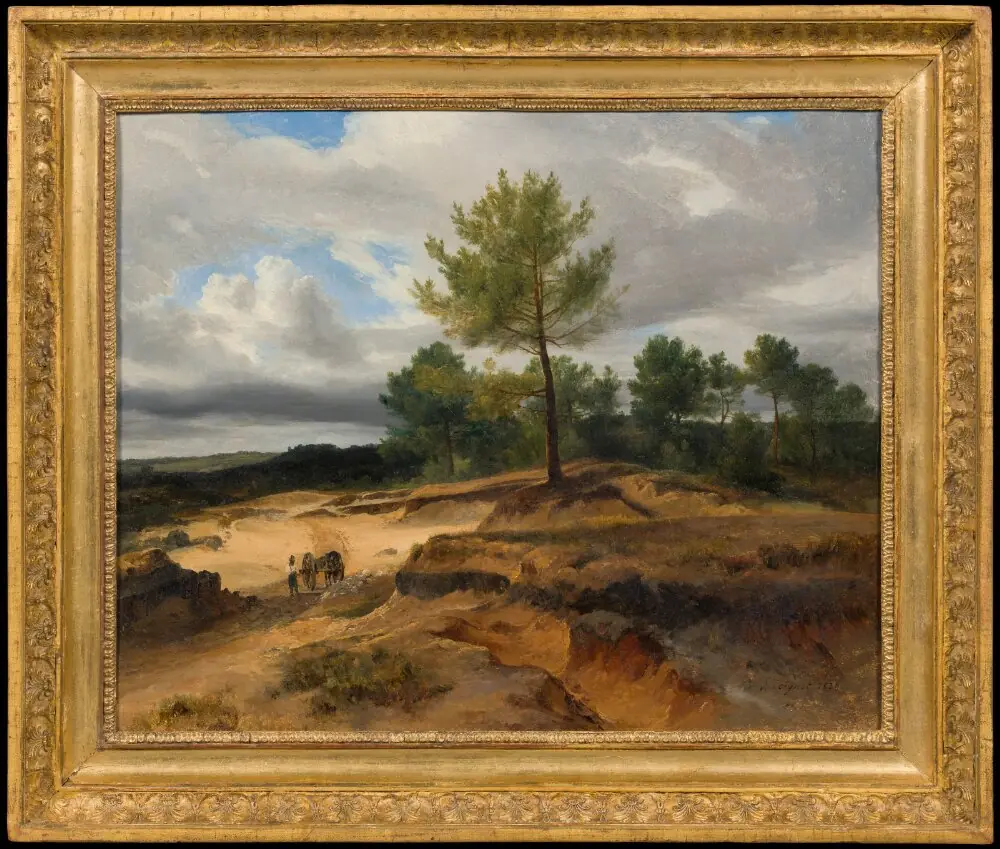
In the Forest of Fontainebleau is an oil painting by the Barbizon school artist Gabriel Prieur. It dates from 1830 and is held in the collection of the Nationalmuseum.
About this work
Overview
A solitary figure, viewed from behind, stands near its base, subtly integrating human presence into the landscape without disrupting its stillness.
Painted in 1830 by Gabriel Prieur, this oil on canvas work captures a quiet moment within the Forest of Fontainebleau. The composition centers on a large, solitary tree, its form anchoring the scene amid dense undergrowth. A solitary figure, viewed from behind, stands near its base, subtly integrating human presence into the landscape without disrupting its stillness. The painting resides in the collection of the Nationalmuseum in Stockholm.
Subject & Meaning
The scene presents nature as a place of quiet reflection rather than drama. The central tree, neither majestic nor decaying, suggests endurance rather than symbolism. The lone figure, anonymous and turned away, invites the viewer into the space as a participant rather than an observer. There is no narrative, only atmosphere — an invitation to pause within the forest’s calm, aligning with early 19th-century ideals of nature as a refuge from urban life.
Technique & Style
Prieur employs soft gradations of green and brown to build depth, using layered brushwork to suggest the texture of leaves and bark. Light filters through the canopy in diffused patches, creating subtle contrasts that guide the eye inward. The foreground is rendered with slightly more detail than the background, enhancing spatial recession. The palette remains restrained, avoiding theatrical effects in favor of naturalistic tone and muted harmony.
History & Provenance
The painting was completed in 1830, during a period when French artists were increasingly turning to rural landscapes for inspiration. It entered the Nationalmuseum’s collection in the 19th century, likely through acquisition or donation. While Prieur was not a leading figure of the Barbizon School, his work reflects its emerging sensibilities. Documentation of its early ownership remains limited, but its presence in a national collection indicates early recognition of its quiet merit.
Context
In the 1830s, French landscape painting was shifting from idealized classical scenes toward direct observation of nature. Artists began working outdoors, seeking authenticity in woodland and rural settings. Fontainebleau, near Paris, became a favored site for such studies. Prieur’s work aligns with this movement, though it lacks the boldness of later Barbizon painters. It represents an early, understated step toward plein air realism in French art.
Legacy
Though not widely reproduced or studied today, the painting contributes to the broader understanding of early landscape practice in France. It demonstrates how lesser-known artists helped lay the groundwork for more prominent movements. Its preservation in a national museum underscores its role as a quiet witness to the evolving relationship between artists and the natural world in the decades before Impressionism.
Artist & collection