Artwork
Habachuch
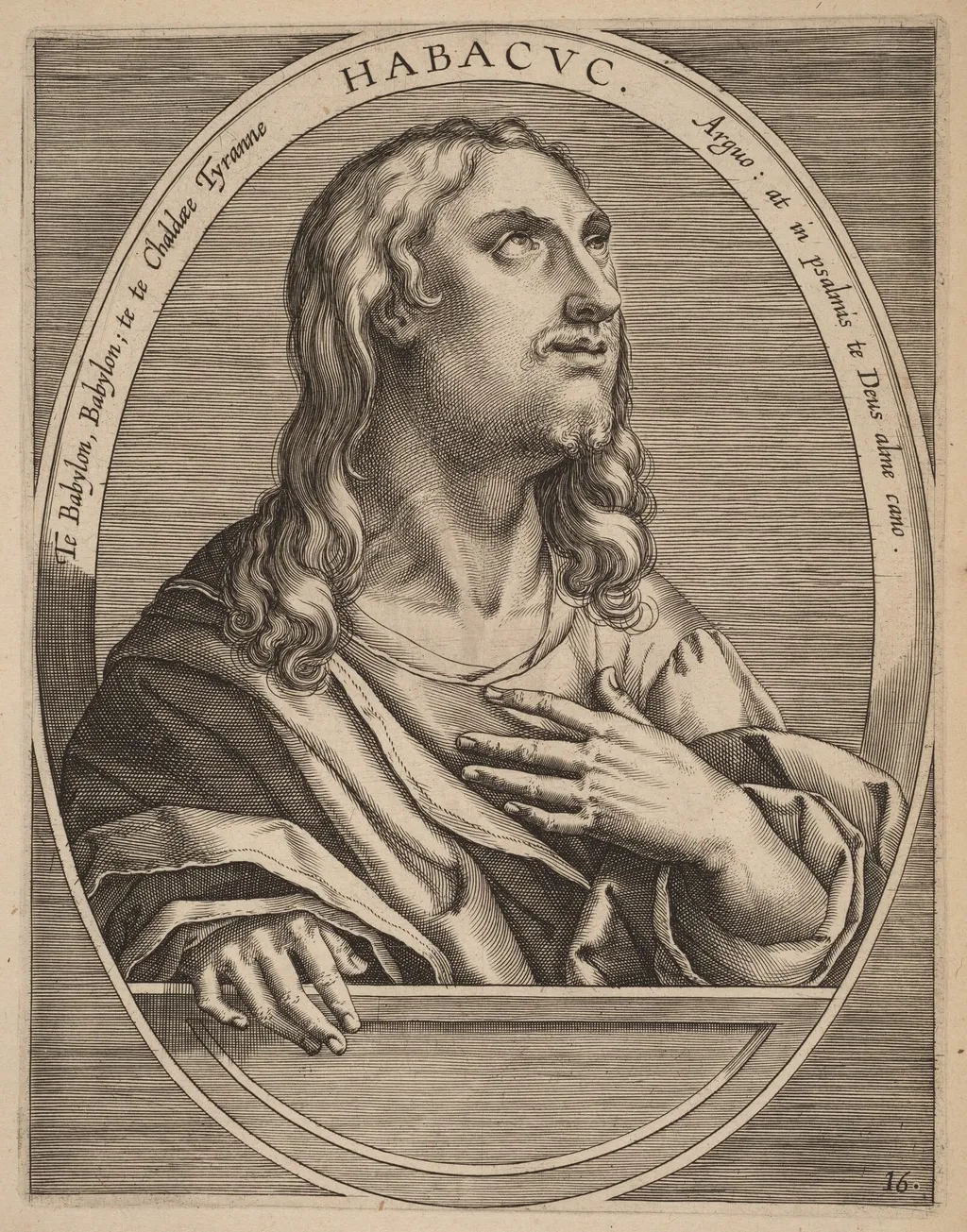
Habachuch is an ink print by the Baroque artist Theodor Galle. It dates from 1613 and is held in the collection of the National Gallery of Art.
About this work
Overview
The work belongs to the tradition of Northern European printmaking, where technical precision and emotional nuance were often intertwined.
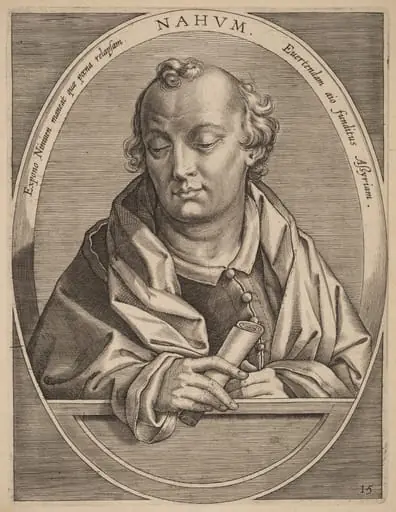
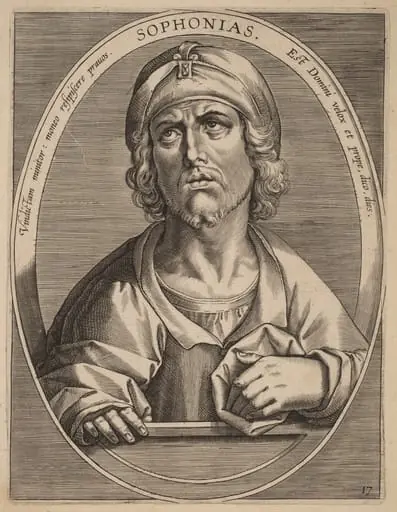
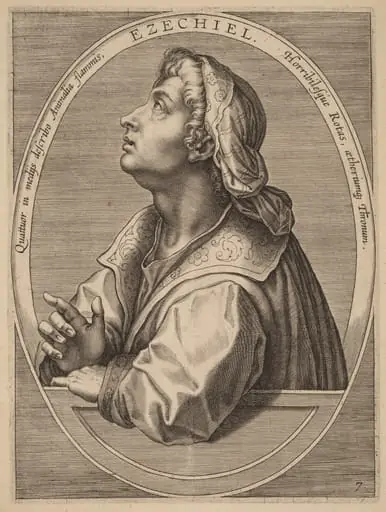
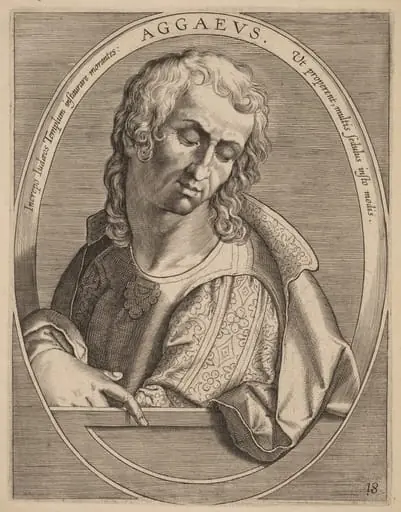
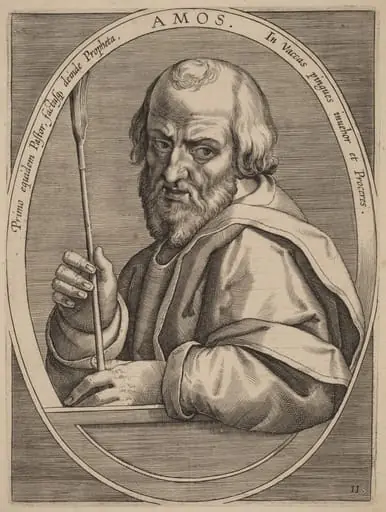
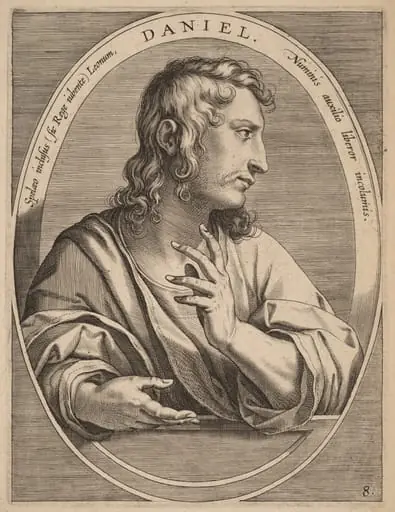
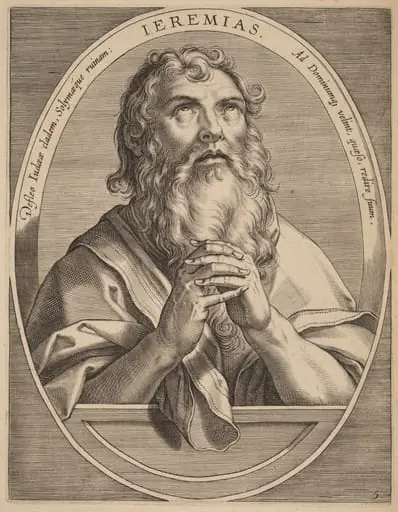
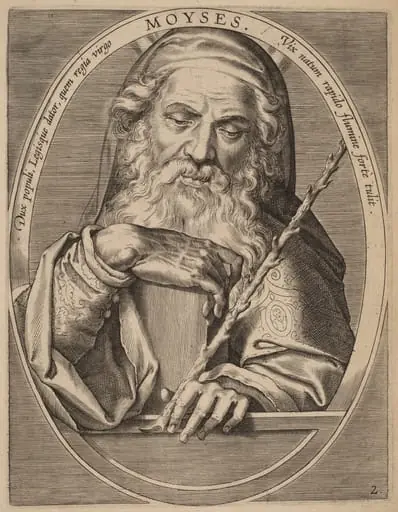
Habachuch is a 1613 engraving by Theodor Galle, executed on laid paper. It depicts a bearded male figure, rendered in fine linear detail, from the chest upward. The composition emphasizes stillness and introspection, with the subject’s posture and gaze suggesting inward contemplation. The work belongs to the tradition of Northern European printmaking, where technical precision and emotional nuance were often intertwined.
Subject & Meaning
The figure’s long hair, flowing robe, and upward gaze evoke a contemplative or spiritual persona, though no definitive identity is established. The staff in his left hand and hand resting on his chest may imply authority or inner resolve. The absence of contextual elements focuses attention on the individual’s expression, inviting interpretation as a philosopher, prophet, or symbolic representation of reflection.
Technique & Style
Galle employed fine cross-hatching and delicate line work to model form and texture, creating subtle gradations of light and shadow. The engraving’s meticulous detail enhances the three-dimensionality of the face and hands, while the smooth tonal transitions avoid harsh contrasts. This approach reflects the influence of early Baroque sensibilities, prioritizing emotional resonance through controlled chiaroscuro rather than theatrical drama.
History & Provenance
Created in 1613, the engraving was produced during a period when printmaking served both artistic and reproductive functions in Europe. Galle, active in the Southern Netherlands, was part of a network of engravers who disseminated imagery through prints. While specific early ownership records are unverified, the work aligns with the broader circulation of engraved portraits and allegorical figures in early 17th-century collections.
Context
In the early 1600s, engraved portraits often conveyed moral or intellectual ideals rather than literal likenesses. Galle’s work reflects this trend, aligning with contemporaneous prints that depicted sages, scholars, or biblical figures in stylized, timeless poses. The emphasis on quiet introspection contrasts with the more dynamic figures of Italian Baroque painting, highlighting regional differences in Northern European visual culture.
Legacy
Habachuch remains a representative example of Galle’s skill in translating human expression into the medium of engraving. Though not widely reproduced in modern scholarship, it contributes to the understanding of how Northern artists used print to explore psychological depth. Its preservation in institutional collections underscores its value as a document of early Baroque graphic art.
Artist & collection