Artwork
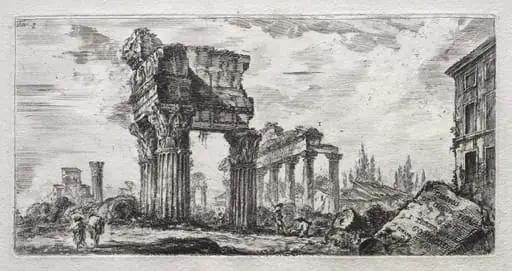
AEdis antiquae, AEdificiorumque adiacentium fragmenta
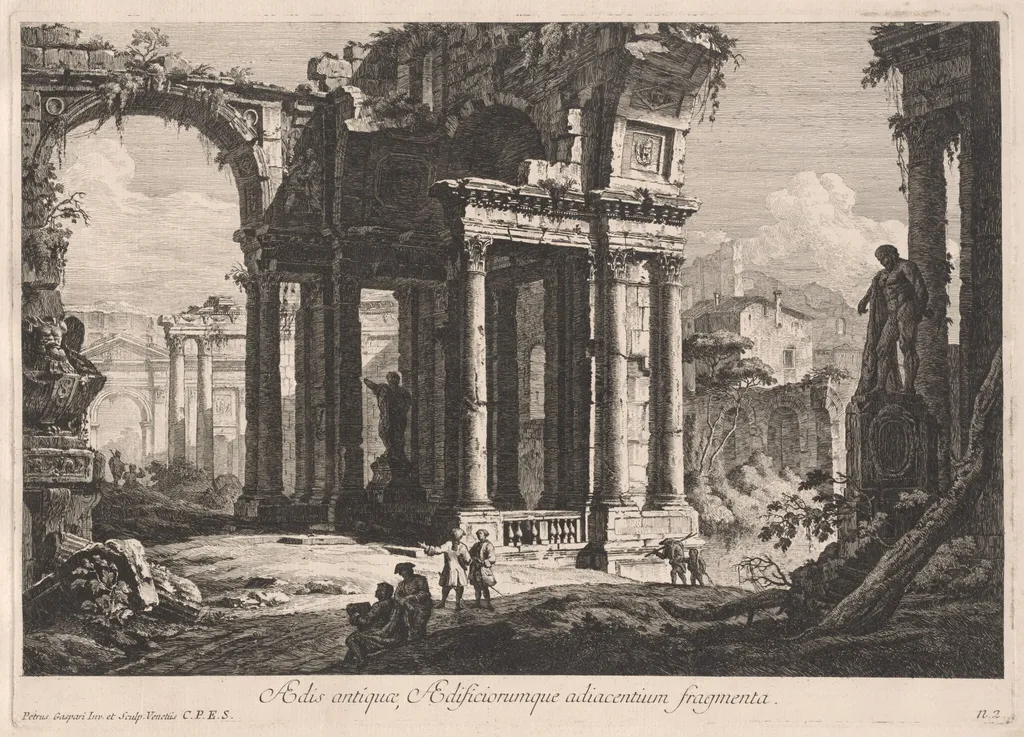
AEdis antiquae, AEdificiorumque adiacentium fragmenta is an ink print by the Romanticist artist Pietro Gaspari. It dates from 1771 and is held in the collection of the National Gallery of Art.
About this work
This etching shows crumbling old walls and bits of buildings from ancient Rome. The lines are scratchy and sharp. Details fade in and out, like real ruins do.
It’s not just a pretty picture. This piece is one of only a few made by Pietro Gaspari in 1771. He used two tools to scratch the metal plate, which makes the shadows look deep and layered.
Look up Gaspari, Pietro to see more of his work.
Overview
Created in 1771 by Pietro Gaspari, this print combines etching and engraving on laid paper to depict fragments of ancient Roman architecture. It belongs to a small group of works Gaspari produced that year, focusing on the decaying remains of antiquity. The composition emphasizes ruin rather than grandeur, capturing fragments of walls and adjacent structures in a state of gradual dissolution.
Subject & Meaning
The print portrays the physical remnants of Rome’s built past—crumbling masonry, broken arches, and weathered surfaces. Rather than idealizing antiquity, it presents decay as an inherent part of its legacy. The absence of human figures or narrative context invites contemplation of time’s erosion, transforming architectural fragments into silent witnesses to historical change.
Technique & Style
Gaspari employed both etching and engraving to achieve varied line quality: etched lines create soft, atmospheric tones, while engraved strokes define sharp edges and structural details. The interplay of these methods generates a sense of depth and texture, mimicking the uneven surfaces of aged stone. Shadows are layered and ambiguous, enhancing the impression of partial visibility and erosion.
History & Provenance
This print is one of only a handful of known works by Gaspari from 1771, a period when he focused on documenting Roman ruins. Its survival suggests it was likely produced for collectors or scholars interested in antiquarian studies. No detailed ownership record exists prior to modern museum acquisitions, but its technical precision aligns with contemporary archaeological documentation practices.
Context
In late 18th-century Rome, interest in ancient architecture surged among travelers and intellectuals. Gaspari’s work emerged within this climate, contributing to a growing visual archive of ruins. Unlike grand reconstructions, his prints favored authenticity over restoration, reflecting a shift toward empirical observation in the study of antiquity.
Legacy
Gaspari’s approach influenced later topographical printmakers who prioritized accuracy over ornamentation. While not widely celebrated in his time, his technique of blending etching and engraving to convey decay became a model for documenting archaeological sites. His work remains a quiet but significant record of how ruins were visually interpreted during the Enlightenment.
Artist & collection


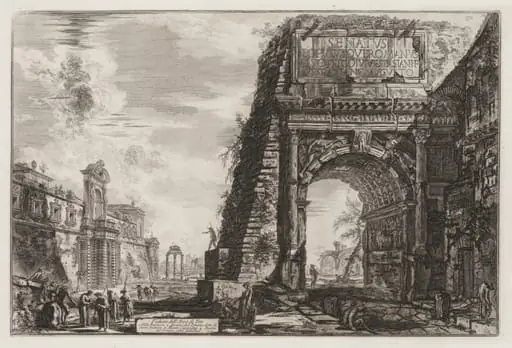 Views of Rome: The Arch or Titus
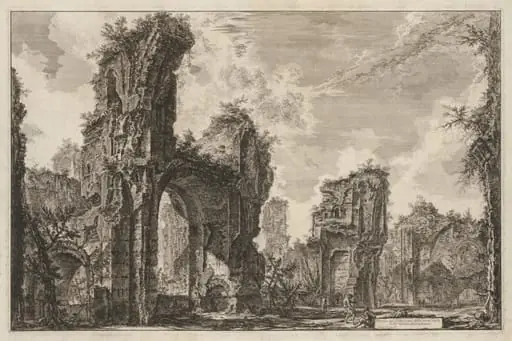 Views of Rome: Rovine del Sisto o sia della gran sala delle Terme Antoniniane
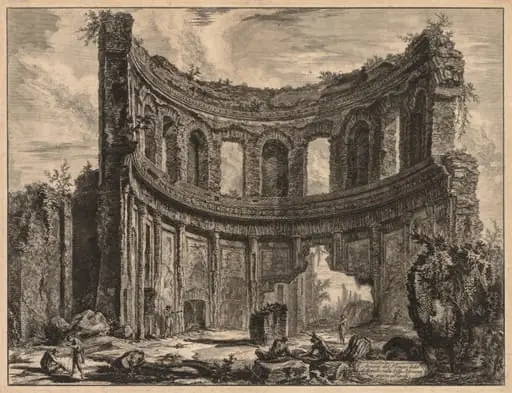 Views of Rome: Remains of the Temple of Apollo near Hadrian's Villa
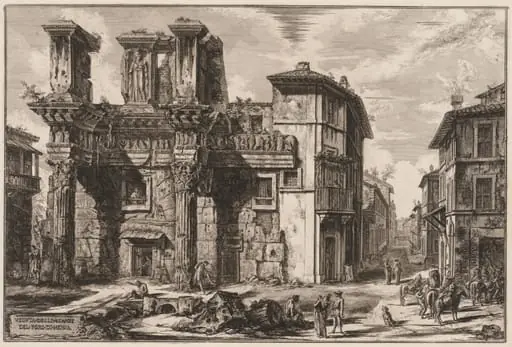 Views of Rome: Forum of Nerva
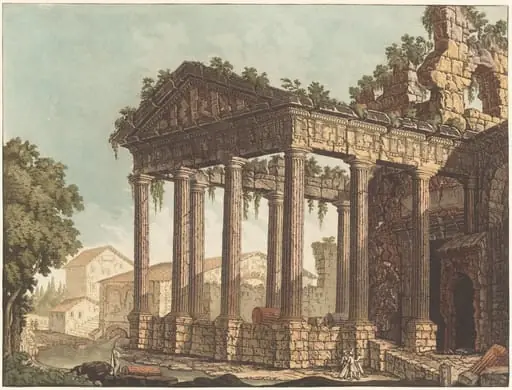 The Temple of Hercules at Cori
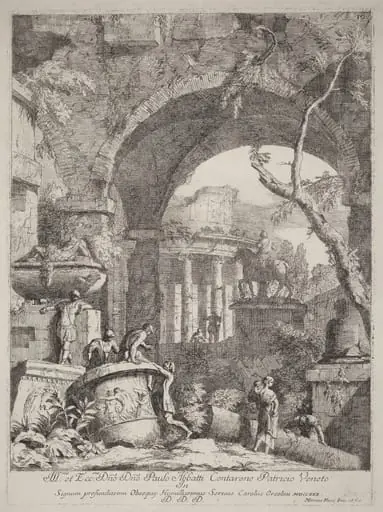 Capriccio: Ruins
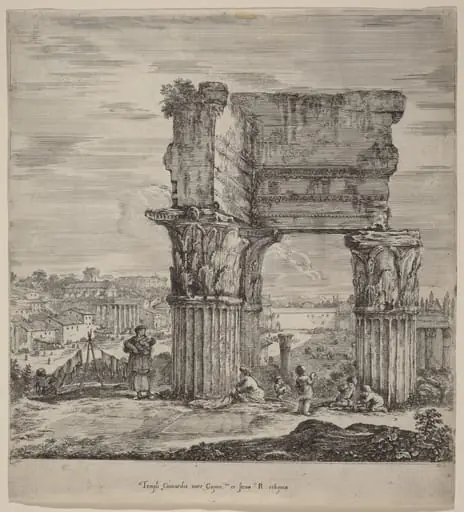 Temple of Concord and Roman Forum
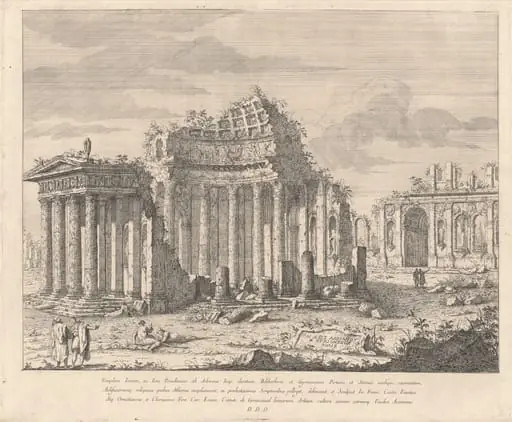 Templum Iunoni, ac Iovi Pavellennio (The Temple of Juno and Jupiter)
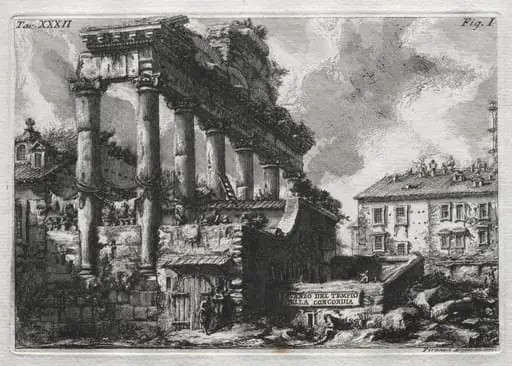 Avanco del Tempio della Concordia
 Tempio di Giove Tonante
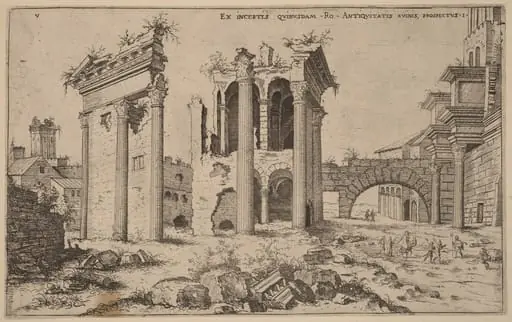 View of the Forum of Nerva
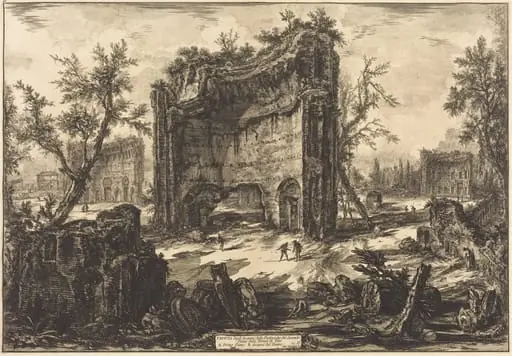 Veduta ... delle Terme di Tito