Artwork
Christ the Teacher
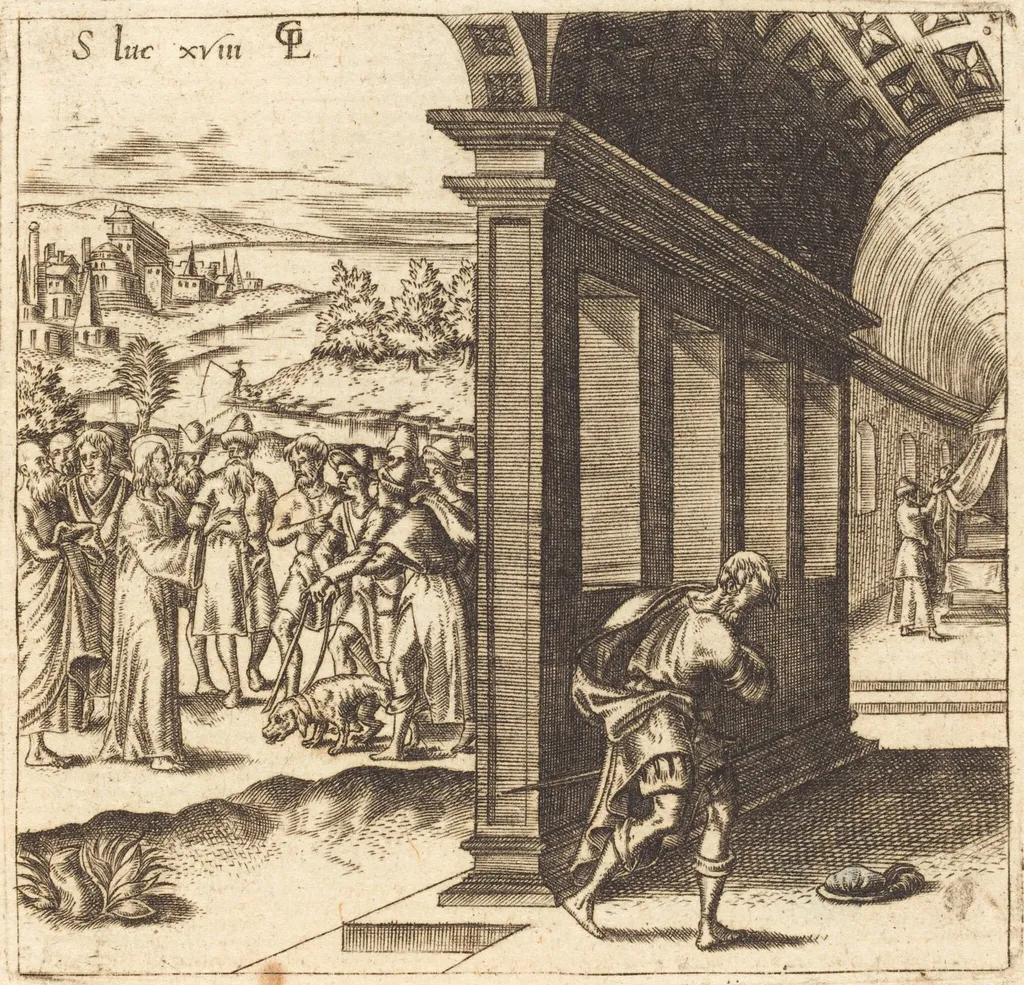
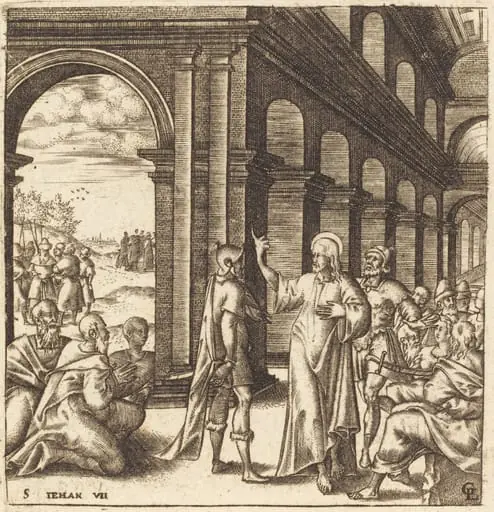
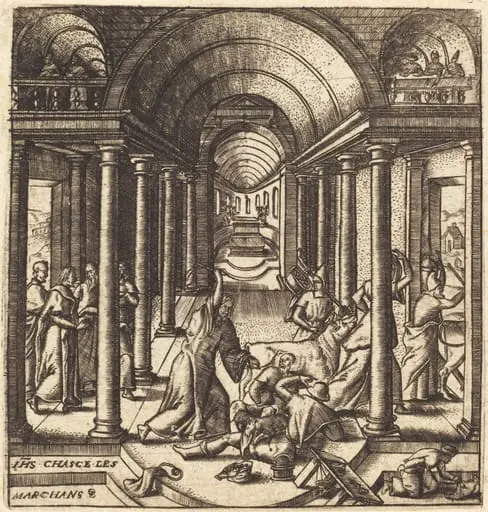
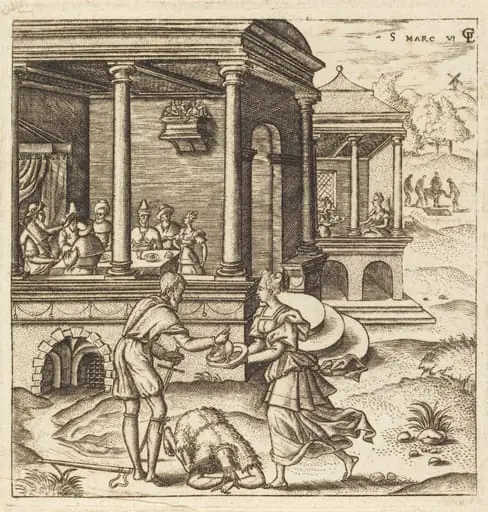
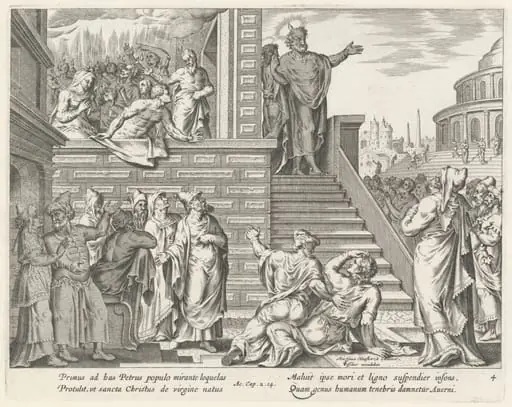
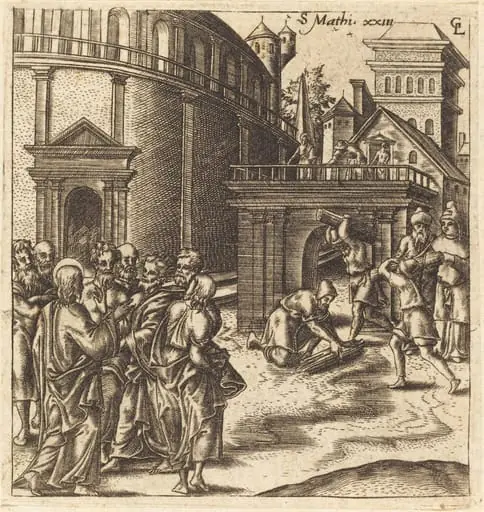
Christ the Teacher is an ink print by the Renaissance artist Léonard Gaultier. It dates from 1578 and is held in the collection of the National Gallery of Art.
About this work
Overview
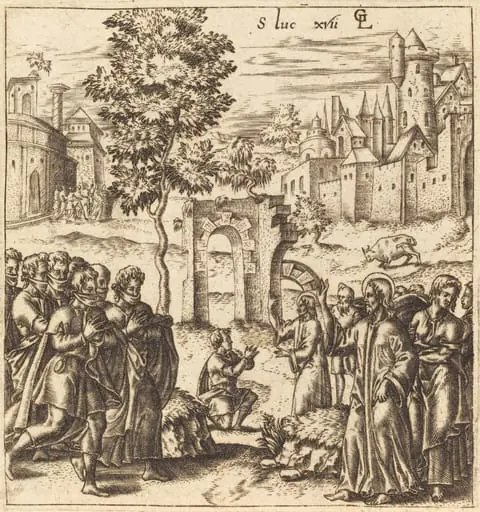
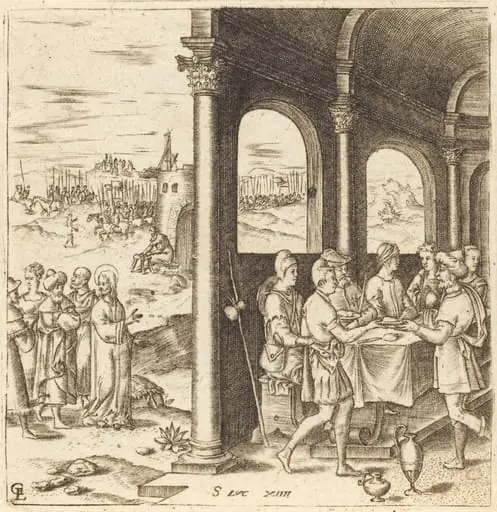
Christ the Teacher is an engraving created by French artist Léonard Gaultier around 1578. Characterized by Gaultier's precise yet formal style, this print depicts a religious scene of Christ in a teaching pose, set against a detailed backdrop.
Subject & Meaning
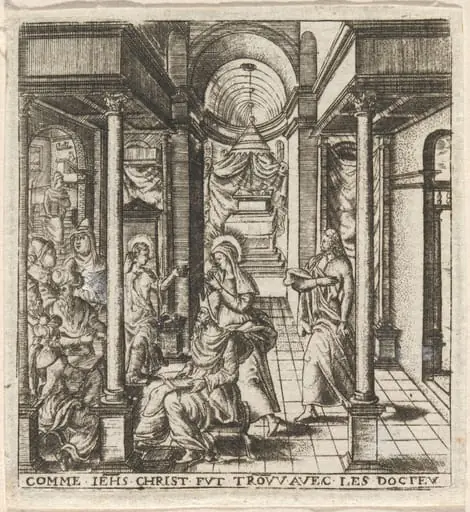
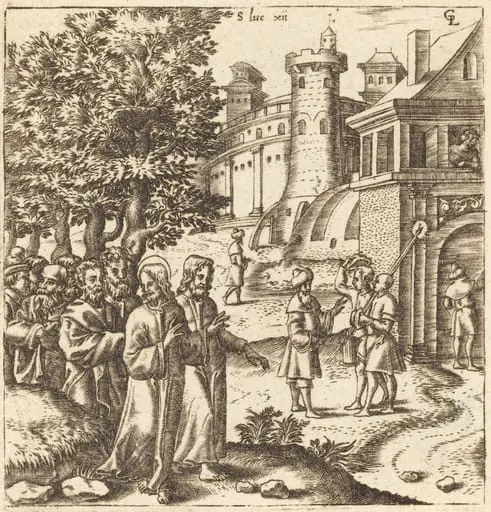
The engraving portrays Christ teaching a gathered group of people outside a columned building. The crowd, composed of standing, kneeling, and attentive figures, focuses on an unseen figure within the structure, implied to be Christ. A figure in the foreground bends over, holding an object, while the background reveals a small, active town.
Technique & Style
Gaultier employed fine lines and nuanced shading to achieve a three-dimensional effect in the print. His style, marked by precision and formality, aligns with contemporaries like the Wierix brothers and Crispyn van de Passe.
History & Provenance
Léonard Gaultier, born in Mainz around 1561 and active until his death in Paris in 1641, was a prolific engraver. Christ the Teacher, from around 1578, is one of many engravings in his oeuvre, which included portraits and various subjects, often after his own designs.
Context
As an engraving, Christ the Teacher exemplifies the technical capabilities of 16th-century printmaking, allowing for detailed, mass-producible artworks. The piece reflects the religious themes prevalent in European art of the time.
Artist & collection
Artist
Léonard Gaultier, or, as he sometimes signed himself, Galter, a French engraver, was born at Mainz about 1561, and died in Paris in 1641.